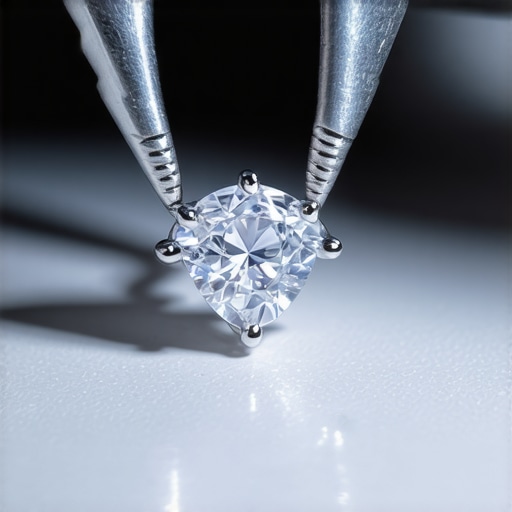
Stone Setting Mastery: Expert Tips for Stunning Jewelry in 2024
Ever had a gemstone slip just as you were about to reveal your finished piece? I remember the sinking feeling—my heart pounding, realizing I’d overlooked a crucial step in the stone setting process. That mistake cost me not just time, but also a bit of confidence. It was a lightbulb moment—designing and creating jewelry isn’t just about a pretty design; it’s about ensuring every stone is securely and beautifully set, ready to withstand the test of time.
Why Your Perfect Design Can Fall Apart Without Proper Stone Setting Techniques
In my early days as a jeweler, I believed that the aesthetic was everything—that a shiny top or an intricate bezel was enough. But I learned, often the hard way, that even the most stunning design can unravel if the stones aren’t set properly. Proper stone setting isn’t just about placement; it’s the foundation of durability and trust in your jewelry.
Is a Little Extra Effort Worth the Risk of a Wobbly Gem?
I used to think rushing through the setting process saved me time. That was a mistake. A sloppy setting might look fine initially but can lead to stones loosening or falling out—damaging your reputation and your craftsmanship. Early on, I failed to prepare my prongs correctly, which made my pieces less secure. Learning the right techniques, like proper draping and tension control, has transformed my work. You can read more about building confidence with proper stone setting strategies that stood the test of time.
Securing the Stones with Precision
Start by choosing the appropriate setting style, such as prong, bezel, or flush, based on the gemstone type and design. Before placing the stone, inspect the seat for debris or irregularities that could compromise security. When setting, hold your tweezers or prongs firmly but gently, ensuring even tension on all sides. A common mistake I made was rushing this step; using a magnifier helped me see uneven prongs, leading to better adjustments. Think of it like tuning a musical instrument—every small tweak affects the harmony of your piece.
Adjust Prongs and Tension Carefully
Gently bend each prong inward to grip the stone securely, avoiding excessive pressure that might chip the gem. Use a prong pusher or a bezel roller for fine adjustments, working slowly around the stone. If needed, reheat the metal slightly to make malleable adjustments, but be cautious not to overheat, which can weaken the setting. I once applied too much force and nicked the gem; practicing on scrap pieces boosted my confidence and results. For detailed tension control techniques, see these expert tips.
Ensuring Long-Term Security
After initial setting, double-check all prongs with a loupe for evenness and grip strength. Use a tweezer or stylus to wiggle the stone gently—if it moves, reinforce the prongs or add extra seating force. Apply a small amount of flux and re-tin the joints if necessary to enhance stability. In my early days, I ignored this step, resulting in loose stones after some wear. Regular inspections and proper finishing techniques, like polishing the prongs and burnishing, also prevent future loosening. You can learn more about mastering these methods for lasting results.
Polishing and Final Checks
Once satisfied, finish by polishing the setting to remove any micro-scratches or tool marks, exposing a smooth surface that won’t snag or weaken over time. Use a soft cloth or ultrasonic cleaner, depending on the metal. Conduct a final inspection under magnification, ensuring the stone is flush and securely seated in all directions. Remember, a well-set stone not only looks stunning but also assures your clients of your craftsmanship’s reliability. For comprehensive polishing techniques, see these professional tips.
Many professionals and hobbyists alike often believe they master restringing, engraving, or jewelry appraisal after a few tutorials. But in my experience, the real challenge lies in understanding the nuanced pitfalls that can compromise your results and trustworthiness. Let’s dig deeper into these overlooked aspects, debunk myths, and reveal advanced mistakes that could trip up even seasoned practitioners.
The Myth That All Stringing Materials Are Equal
Contrary to popular belief, not all restringing threads or wires are created equal. Quality varies massively, and using cheap or inappropriate materials can lead to premature breakage or weak links, especially under stress or during regular wear. This is a common oversight because many assume that any stringing material will do. However, expert jewelers select specific types of silk, nylon, or steel wires based on the strength, flexibility, and durability needed for each piece. To truly elevate your restringing work, invest time in understanding the nuanced differences—it’s a subtlety that builds long-term trust with clients. You can learn more about effective restringing techniques for robust results.
Engraving Is Not Just About Precision It’s Also About Intent
Many assume that high-quality engraving is solely about achieving crisp lines or intricate designs. In reality, the nuances of engraving involve understanding the metal’s reaction to different tools and methods and knowing how to adapt your pressure and speed accordingly. For example, aggressive engraving can cause micro-fractures, which weaken the jewelry over time. I’ve seen engravers overlook the importance of choosing the right depth and tool angle, leading to unsatisfactory results or damage. Mastering these subtleties requires deliberate practice and an awareness of how material properties respond uniquely to various techniques. If you’re keen to refine your skills, explore advanced engraving practices that go beyond basics.
Stone Setting Mistakes That Aren’t Always Obvious
Everyone says to focus on prong tension or seat cleanliness, but the real secret lies in understanding the hidden weak points in your setting. For instance, a common myth is that tightening prongs excessively ensures security. In truth, overtightening can stress the gemstone and cause cracks, especially in fragile stones. Moreover, the direction and angle of prong bends significantly influence how well a stone is held. Advanced practitioners know that subtle adjustments—like slight right-angle bends or employing micro-adjustments—make a difference. These nuanced techniques can prevent setting failures, which are often only visible after wear starts. To deepen your expertise, review expert stone setting strategies aimed at lasting security.
How Do You Confirm the Trustworthiness of an Appraisal?
Many believe that an appraisal is just about attaching a monetary value, but the truth is, a credible appraisal involves understanding market fluctuations, material authenticity, and the detailed nuances of craftsmanship. Relying solely on visual inspection or outdated reference materials can lead to inaccurate valuations. Advanced appraisers incorporate scientific tools like X-ray fluorescence (XRF) analyzers or UV testers to verify materials, and stay updated on market trends and gemstone grading standards. This holistic approach builds trustworthiness and helps clients see the true value of their jewelry. For comprehensive insights, explore trusted appraisal techniques that elevate your credibility.
Keep Your Tools in Top Shape for Consistent Results
Maintaining precise and reliable tools is fundamental to delivering high-quality jewelry. I personally rely on a dedicated ultrasonic cleaner, such as the Ultrawash 6L, because it effectively removes microscopic debris from intricate settings and delicate components, ensuring your workspace stays clean and your tools function optimally. Regularly inspecting and calibrating your calipers, pliers, and tweezers with precision measurement standards helps maintain accuracy, especially when working on detailed engravings or stone seating. Using high-quality materials like Nickel Silver for templates and jig setups minimizes wear and prevents misalignments over time.
Invest in Reliable Equipment for Longevity
For stone setting, I swear by a Roughneck Prong Pusher. Its ergonomic design and hardened steel ensure consistent prong bends without causing damage or microfractures in the gemstones. When it comes to engravings, using quality gravers and proper depth control tools helps produce crisp, professional lines. Digital microscopes like the Siedentopf Stereo Zoom Microscope allow for detailed inspections, ensuring prongs and settings are secure before finishing. These investments promote precision, reduce rework, and extend the life of your craft.
Prioritize Regular Maintenance and Calibration
Implementing a routine maintenance schedule is crucial. Clean your tools immediately after use with appropriate solutions—an ultrasonic cleaner paired with a gentle brush can remove dirt and residual polish. Lubricate moving parts of your jeweler’s saws and carving burs with light oil to prevent rust and ensure smooth operation. For calibration, periodically verify your measuring instruments with certified standards, which prevents slip-ups in critical dimensions, especially in stone setting and engraving. Keeping a detailed log of maintenance tasks fosters discipline and helps track tool performance over time.
Scaling Techniques for Growing Your Workshop
As your skills and demand grow, you’ll need to streamline your workflow. Modular setups, such as a dedicated engraving station and a separate stone setting bench, minimize cross-contamination of debris and improve efficiency. Automation options, like CNC engraving machines, are making their way into small studios, enabling repeatability and intricate designs with minimal manual effort. However, even with high-tech tools, the key remains in regular upkeep and calibration, much like manual tools—precision and consistency are irreplaceable. I recommend starting small with a focused investment in a digital refractometer; understanding gemstone quality on-site saves time and builds client trust. Discover more about strategies for scalable jewelry craftsmanship.
How do I maintain my tools to ensure long-term success?
Establishing a routine of cleaning, calibrating, and storing your tools properly is essential. Use the right cleaning agents—avoid harsh chemicals that can corrode metals—and store your equipment in designated, organized containers to prevent damage. Regularly check for wear or dullness and replace or refurbish tools as needed. By keeping your tools in impeccable condition, you’ll ensure your craftsmanship remains reliable, and your jewelry consistently meets professional standards. For a deeper dive into maintaining precise tools, explore these expert techniques.
The Hardest Lesson I Learned About Stone Setting and Engraving
Early in my jewelry journey, I believed that technical perfection was enough. Yet, I faced my most humbling moment when a delicate gemstone slipped from its setting because I overlooked a tiny but crucial detail: consistent tension. That experience taught me that mastery isn’t just about techniques but about cultivating an attentive eye for detail and patience in execution. Sometimes, the most subtle adjustments make the difference between good and extraordinary craftsmanship.
My Go-To Resources That Elevated My Skills in Re-stringing and Appraisal
Over the years, I’ve leaned heavily on a few trusted tools and references. The comprehensive guide on jewelry repair helped me understand the importance of precision and patience. My digital microscope, the Siedentopf Stereo Zoom Microscope, revealed microscopic imperfections that are invisible to the naked eye—and that awareness drastically improved my setting quality. Finally, I always revisit appraisal techniques from trusted industry experts to stay up-to-date with valuation standards, ensuring integrity in my work.
Why Embracing Continuous Learning Will Transform Your Jewelry Creations
Even after years of practice, I realize that every piece I create opens new avenues of learning. Perfecting stone setting or engraving isn’t a one-time effort; it’s an ongoing process. Regularly reviewing my techniques, experimenting with new tools, and seeking feedback has been essential. I challenge you to reflect on your craft—what’s one area where you can push your boundaries today? Remember, every new skill gained adds a layer of confidence and trust with your clients. Keep sharpening your skills through resources like expert techniques and never settle for complacency.
