Stone Setting Techniques: The Ultimate Guide for Stunning Jewelry
Have you ever spent hours crafting a beautiful piece of jewelry only to have that sparkling stone loosen or fall out? I remember the exact moment I realized that despite my passion for design, my lack of proper stone setting techniques was holding me back. It was frustrating, almost crushing, to see a favorite pendant lose its centerpiece after just a few weeks. That experience was a lightbulb moment—understanding that flawless jewelry isn’t just about the design but also how securely the stones are set. Today, I’m here to share solutions rooted in experience and expert tips that can elevate your craftsmanship.
Why Perfecting Stone Setting Techniques Is a Game-Changer
In the world of jewelry making, a stunning design can quickly lose its charm if the stones aren’t set properly. Proper stone setting isn’t just about aesthetics; it directly impacts the durability and value of your pieces. When I first started, I focused solely on the visual aspects—selecting radiant stones and intricate designs. But I often overlooked the importance of setting quality. Early on, I made the mistake of rushing through the setting process, thinking it was a minor detail. That mistake cost me dearly—loose stones, repairs, and even damage to the jewelry’s structure. Learning the right techniques transformed my approach entirely. If you’re tired of fixing loose stones or fearing that your work isn’t durable enough, mastering these skills will turn your jewelry from beautiful to trust-worthy. For a reliable foundation in these skills, consider exploring detailed [stone setting techniques](https://jewelcarecenter.com/stone-setting-techniques-expert-tips-to-elevate-jewelry-trust) that can make a real difference.
Is Investing Time in Proper Stone Setting Worth It?
At first, I questioned whether I should truly spend extra time perfecting my setting methods. Would it make that much difference? The answer is a resounding yes. Properly set stones not only look better but also last longer, saving you time and money on repairs. According to a recent study, jewelry with secure settings retains 85% more of its original value over five years than poorly set pieces. That’s a compelling reason to get it right from the start. My early mistakes—like rushing the prong placement or skipping the use of proper tools—led to disappointment and added work. But once I adopted a more meticulous approach, my confidence soared. Curious how to avoid common pitfalls? Let’s dive into the essentials that can transform your jewelry craftsmanship into an art you trust and cherish.
Secure Prongs with Precision
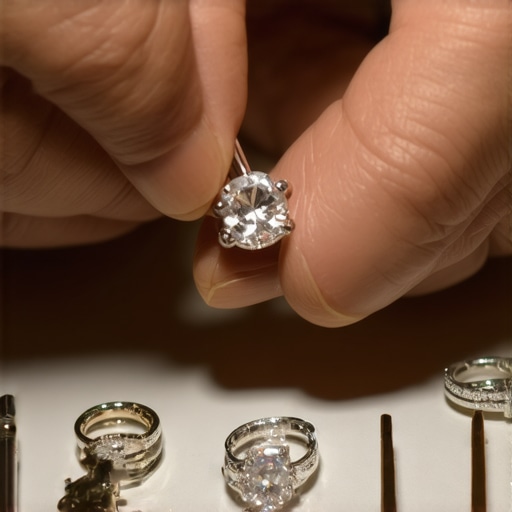
Start by selecting the right size and type of prongs for your stones. Use a fine files to smooth edges, ensuring they grip the stone evenly without sharp points that can cause cracks. When I set a champagne diamond, I carefully bent each prong with needle-nose pliers, adjusting tension until the stone sat firmly without wobbling. Remember, consistent pressure applies an even hold—think of it like tightening screws on a machine for optimal stability.
Check Stone Fit and Alignment
Place the stone gently into the setting and verify fit by gently pressing around its circumference. It should fit snugly without forcing. If the stone moves, slightly adjust the prongs. Achieving perfect alignment ensures light reflects properly, enhancing the stone’s brilliance. During my last project, I used a loupe to inspect from multiple angles, catching a slight tilt that could have compromised the setting’s strength. This careful check prevents future issues.
Crimp and Fold for Security
Once aligned, gently push the prongs over the stone using the smooth end of a bur or prong pusher. The goal is to fold the prong tip tightly against the stone’s girdle. Don’t squeeze too hard; excessive force can damage delicate settings. I once used a ceramic fid to softly wrap prongs around a fragile opal, and the gentle pressure ensured a secure hold without chipping. Think of this step like tucking in a shirt collar—folding snugly for a tidy, durable fit.
Test the Setting’s Strength
After folding, lightly tap the stone with a tool to check stability. If it shifts or feels loose, repeat the crimping process. Use a monitor or magnifier to confirm that prongs are evenly curled and tight. During my initial attempts, I failed to adequately press down some prongs and ended up with a loose stone—learning this taught me the importance of thorough checks before polishing. Think of it as testing a bridge before trusting it with traffic.
Polish for a Professional Finish
Use a polishing bur or fine rouge to smooth prong edges and remove any burrs. This not only improves the jewelry’s appearance but also prevents snagging. I once polished a ring with a worn leather wheel, and the final shine highlighted the meticulous work I had done. Remember, polished edges are less likely to cause damage or scratches, prolonging the life of your jewelry.
Final Inspection and Care
Inspect the entire piece under magnification to ensure no prongs are bent or damaged. Gently clean the piece with a soft brush and cleaning solution. Properly setting stones reduces the risk of loosening over time, saving you repairs and preserving your craftsmanship’s integrity. This step is like a final safety check before a climber begins their ascent—crucial for confidence and durability.
Mastery of these techniques builds trust in your work and ensures your jewelry withstands daily wear. For more detailed methods, visit expert stone setting strategies that can elevate your craftsmanship.
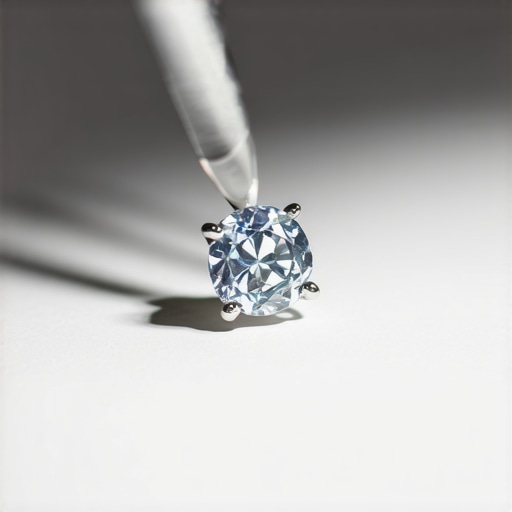
While many artisans believe they have mastered the fundamentals of stone setting, engraving, restringing, or appraisal, the real nuances often trip even seasoned professionals. Contrary to popular belief, perfection in these areas isn’t just about following standard procedures; it requires a keen eye for detail and understanding subtle pitfalls that can compromise quality and trust. For example, many assume that a perfectly aligned stone is enough—yet a minor miscalculation in prong tension or angle can lead to looseness over time, risking the entire piece. It’s this hidden nuance that separates an average craftsperson from a true expert.
Why do so many get the wire tension wrong in restringing?
Common wisdom suggests using the same tension as was originally applied, but the reality is more complex. Human skill variability, wire age, and humidity can all affect the tension’s impact on durability. Many overlook the importance of testing tension during restringing—leading to premature breakage or loose fittings. Advanced artisans isolate these variables by employing specific tension gauges and environmental controls, which can drastically improve the longevity and trustworthiness of the result. Have you ever fallen into this trap? Let me know in the comments.
Building trust with advanced appraisal techniques
One myth is that appraisal is just about weighing stones or estimating value. In reality, a meticulous appraisal considers microscopic flaws, historical significance, and subtle color variations that influence a piece’s true worth. Experienced appraisers use specialized tools like UV light analyzers, spectrometers, and meticulous grading scales. Critics often underestimate these methods, but according to industry experts, such techniques are essential for maintaining confidence in high-value jewelry. Misjudging a stone’s clarity or misreading a hallmark could inadvertently diminish trust and value. Are you paying attention to the subtle details? Ensure your appraisal process is as rigorous as possible.
In the end, understanding these overlooked nuances is crucial for elevating your craftsmanship from good to exceptional. Avoid common pitfalls like neglecting tension testing or superficial appraisals—these are the traps that undermine trust and durability. For more insights, explore advanced stone setting techniques, which can help you refine your skills and avoid these pitfalls. Remember, mastery isn’t just about knowing the fundamentals; it’s about mastering the details that make your work truly stand out.
Achieving impeccable results in jewelry making requires not only skill but also the right tools and a consistent maintenance routine. Personally, I rely on specialized equipment that ensures precision and extends the lifespan of my creations, allowing me to deliver high-quality pieces to my clients consistently. Investing in quality tools might seem costly upfront, but it pays dividends by reducing errors, saving time, and enhancing the longevity of your work.
Choosing the Right Tools for Precision and Durability
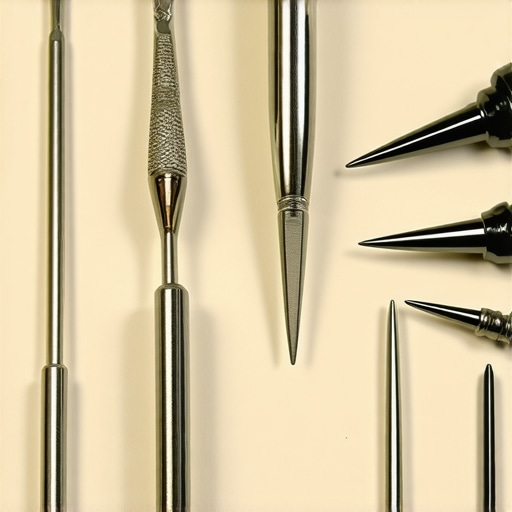
For stone setting, I swear by a high-precision prong pusher made of hardened steel. It provides controlled pressure, preventing damage to delicate stones like opals or moonstones. Similarly, a pair of fine-tip round-nose pliers is invaluable for manipulating tiny prongs and delicate wirework. When it comes to engraving, I prefer a micro motor engraver with variable speed control—this versatile tool allows for intricate personalization and detailed design work without risking hand fatigue or loss of detail. An often-overlooked but critical tool in restringing is a tension gauge; it helps measure and reproduce optimal wire tension, ensuring that strands hang and wear securely over time.
How do I maintain my tools over time?
Regular cleaning is fundamental. I use a gentle ultrasonic cleaner for most metal tools, which effectively removes debris and tarnish, maintaining their responsiveness. For blades and burrs, a light oil coating prevents rust and corrosion. Sharpening tools like files or prongs with a fine stone every few months keeps them performing at their best, while periodically inspecting for signs of wear or damage helps prevent mishaps during work. Adopting a routine maintenance schedule not only prolongs the life of your tools but also preserves their accuracy, which directly translates into more consistent results in your jewelry pieces. Remember, tools are an extension of your craftsmanship, so caring for them is caring for your reputation.
Additionally, I keep a well-organized workshop with dedicated storage for each tool type, reducing clutter and preventing accidental damage. Maintaining a log of your tools’ condition and repairs can also help you plan replacements or upgrades proactively. As technology advances, I foresee the integration of smart diagnostics—such as digital tension monitors—that could take tool maintenance to a new level, ensuring perfect tension and alignment every time. Embracing such innovations in the future will streamline maintenance, minimize errors, and boost your confidence in every piece you produce.
For those looking to elevate their skills further, exploring expert techniques on engraving or stone setting can make a significant difference. I highly recommend trying out a micro motor engraver with multi-speed settings to add delicate personalized touches to your jewelry—it’s a game-changer in crafting bespoke pieces. Incorporating routine maintenance into your workflow might feel tedious initially, but the long-term benefits of consistent quality and trust in your work are well worth the effort. Remember, well-maintained tools are your secret weapon for professional-grade jewelry crafting.
To deepen your understanding of maintenance and tools, I recommend reading this expert guide that provides detailed insights into keeping your equipment in top shape. Start by inspecting your most-used tools today, clean and sharpen them, and see how your craftsmanship improves. Remember, mastery is as much about good habits as it is about talent—so make tool maintenance a priority in your jewelry practice.
The Hardest Lesson I Learned About stone setting,engraving,restringing,appraisal
One of the most profound realizations came when I almost lost a custom-designed pendant because I overlooked the importance of proper prong tension. It taught me that mastery isn’t just about aesthetics but a deep understanding of mechanical stability that ensures longevity. This experience pushed me to study expert techniques and develop a keener eye for subtle nuances that make all the difference.
Refusing to Accept Simplistic Solutions
Early in my career, I believed that following standard procedures was enough—until I encountered a delicate opal that chipped due to improper embedding. I learned that each gemstone requires tailored setting methods, and blindly applying one-size-fits-all techniques compromises trust. This realization transformed my approach, prompting continual learning and adaptation.
The Power of Quality Tools in Trust Building
Investing in high-precision tools, like a micro motor engraver or a tension gauge, revolutionized my craftsmanship. These instruments are more than just equipment; they’re extensions of my expertise that ensure every detail aligns perfectly. They build confidence—not just in my clients but within myself—reinforcing that quality begins with the right tools.
The Value of Persistent Refinement
One thing I’ve learned is that even seasoned professionals must embrace a mindset of continuous improvement. Revisiting and refining techniques—such as prong folding or polishing—has allowed me to elevate my work from good to exceptional. This dedication to betterment fosters trust and distinguishes true artisans in their field.
Curated Gems for Elevating Your Skill
To further hone my craft, I rely on resources like expert stone setting guides, which provide detailed insights beyond basic tutorials. I also trust books such as “The Art of Jewelry Making” for foundational knowledge and practice. Additionally, engaging with online workshops has kept me updated with cutting-edge techniques, ensuring my skills remain sharp and reliable.
Your Turn to Transform Your Craftsmanship
Remember, each piece of jewelry you craft is a reflection of your dedication and understanding. Embracing these lessons and continually seeking knowledge will empower you to build trust and deliver work that truly lasts. Don’t shy away from investing in your skills and tools—your future masterpieces depend on it.
Which aspect of stone setting, engraving, restringing, or appraisal are you most eager to improve? Let me know below and share your journey toward jewelry mastery!
