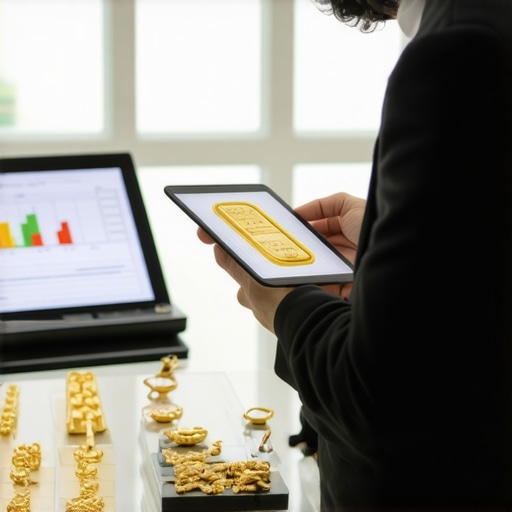
7 Appraisal Mistakes Lowering Your Gold Resale in 2026
I remember the exact moment I realized I had been undervaluing my jewelry because of a simple mistake—a mistake I see so many fellow enthusiasts make. It hit me hard when I handed over a piece for appraisal, confident in its value, only to see the shock on the appraiser’s face and a much lower estimate than I expected. That lightbulb moment made me realize: even small errors or misconceptions can significantly impact how much you get when you sell your jewelry later on.
Why Getting the Appraisal Right Matters More Than Ever
In 2026, the resale market for gold and jewelry is more competitive and scrutinized than ever. With rising inflation and a fluctuating economy, every penny counts. But more importantly, if you make certain common mistakes during appraisal—whether it’s misrepresenting the quality of your stones or relying on outdated valuation techniques—you risk losing significant value. This isn’t just about a few extra dollars; it’s about protecting your investment and ensuring that your jewelry’s true worth is recognized during resale.
Is Overlooking These Details Actually Costing You?
I used to think that as long as my jewelry looked good, its value would speak for itself. However, early on, I made the mistake of trusting a casual appraisal from a pawnshop, which was not only inaccurate but also resulted in a huge loss when I sold a piece later. Learning from that, I realized the importance of understanding what truly affects your jewelry’s value—like professional assessment and proper documentation—and how simple errors can diminish your resale potential. If you’re like me, maybe you’ve also faced doubts about whether your appraisal truly reflects the fair market value. If so, you’re not alone. And the good news is, there’s a way to avoid falling into these pitfalls by being informed and proactive.
Assess Your Jewelry like a Pro
Start with an honest evaluation of your piece’s material and craftsmanship. Remove dirt and tarnish to see the true condition. Use a jeweler’s loupe to examine prongs, clasps, and stone settings closely, identifying any loose stones or worn components. Document each detail—this serves as a baseline before seeking expert advice. Remember, an accurate initial assessment prevents overestimating or undervaluing your jewelry.
Restringing Pearls and Heavy Necklaces Correctly
If your pearls or necklaces show signs of wear, restringing might be necessary. I once had a client’s pearl strand with fraying silk that looked fine visually but risked snapping. To avoid such issues, select a durable cord like silk or nylon, depending on the weight and type of your jewelry. Knotting between pearls reduces damage from movement and protects against loss if the thread breaks. Use accurate tension—tight enough to prevent shifting but loose enough to avoid stress on the string. For intricate designs, consult detailed techniques at restringing strategies. Proper restringing not only extends the life of your jewelry but also enhances its visual appeal and value.
Improve Stone Settings for Better Security
Loose stones diminish the value and safety of your jewelry. Examine prongs, bezels, and channels regularly. For example, I once repaired a ring where a small prong had bent inward, risking stone loss. To fix this, carefully lift and reshape bent prongs with precision tools, ensuring they grip the stone securely. Check for signs of wear and tear, such as thinning metal or uneven prongs. If you notice any issues, professional re-tipping or resetting might be required—these are crucial to maintaining long-term durability. Learning expert techniques from stone setting mastery can help you execute these repairs confidently.
Engraving for Personal Touches and Value
Adding engraved initials or messages customizes your jewelry and can increase sentimental and monetary value. However, improper engraving can weaken metal or damage stones. I experimented with laser engraving on a pendant, which required precise depth control to prevent cracking. When engraving, consider each piece’s material—soft metals like gold behave differently from harder alloys. Using the right technique, whether hand-engraving or laser, impacts longevity and aesthetic appeal. For best results, consult expert resources like engraving secrets. Proper engraving techniques help preserve your jewelry’s integrity while adding a personal signature that increases its value.
Documentation Ensures Resale Confidence
Always keep detailed records for each piece—receipts, previous appraisals, photographs, and provenance. During a project, I once had a vintage ring appraised, but lacked documentation. When I later sold it, the buyer questioned its authenticity. Having comprehensive documentation from reputable sources like expert appraisals strengthened my position. Accurate, up-to-date appraisal reports safeguard your investment, especially with the increasing scrutiny from 2026 resale markets. Regularly review valuation reports to ensure they reflect current market prices, avoiding surprises during resale or insurance claims.
Many enthusiasts believe they understand the basics of restringing, stone setting, appraisals, and engraving, but beneath these processes lie subtle nuances that can make or break your jewelry’s longevity and value. Let’s dig deeper into what most people get wrong, often unknowingly, and how mastering these details can elevate your craftsmanship and confidence.
Why Ignoring Professional Techniques Can Lead to Costly Mistakes
Contrary to popular belief, DIY restringing or amateur stone setting isn’t just a matter of replacing thread or tightening prongs. For example, many assume that any silk or nylon cord will do, but expert restringing techniques emphasize optimal tension, knot placement, and material selection tailored to each piece’s weight and design. Overlooking these factors can cause premature breakage or damage, destroying your investment rather than preserving it. To truly ensure durability, understanding the most advanced stone setting methods is crucial—simply pressing stones into metal without proper security increases the chance of loss or damage over time.
In my experience, a common misconception is that simple prong tightening suffices for security. In reality, professional re-tipping and shaping are essential when prongs show wear—small bends or thinning can lead to stones slipping out unexpectedly, especially in active lifestyles. Neglecting these nuances might seem minor but leads to costly repairs or even losing a treasured gem. Incorporating these sophisticated techniques ensures your pieces remain secure for decades.
How Are Appraisals Often Misrepresented, and Why It Matters
Many assume that a recent appraisal guarantees your jewelry is accurately valued, but this isn’t always true. In fact, a fake or outdated appraisal can drastically undervalue or overstate your pieces, impacting resale or insurance coverage. A vital but overlooked aspect is understanding the subtle signs of fraudulent or superficial appraisals—such as missing detailed descriptions of gemstones, inadequate provenance, or outdated market prices.
Research shows that regular updates to your appraisal documents, focusing on current market values, significantly boost confidence. Expert appraisal techniques include comprehensive gemstone certification, detailed condition reports, and provenance documentation. These not only validate your jewelry’s worth but also prevent nasty surprises when you decide to sell or insure. Many owners are surprised to learn that a well-performed appraisal can differentiate between a quick sale at fair value and a loss due to undervaluation.
What Advanced Strategies Can Unlock Your Jewelry’s True Potential?
Finally, the artistry of engraving often gets simplified, but mastering advanced engraving techniques reveals a deeper level of personalization and value. Whether laser-engraving for precision or hand-engraving for unique character, understanding material compatibility and depth control is essential. Improper engraving can weaken metal or cause cracks, especially in softer alloys like gold. The key lies in choosing the right technique for each piece—laser for intricate, uniform designs, and hand-engraving for heirloom authenticity.
Additionally, knowing how to sympathetically restore vintage settings or reinforce weak points ensures your jewelry remains structurally sound and aesthetically appealing. This attention to detail preserves the integrity and emotional value of your pieces—a secret wielded by expert jewelers.
Have you ever fallen into this trap or overlooked this nuance? Let me know in the comments. Remember, mastering these subtle details is what separates casual hobbyists from true connoisseurs and safeguards your jewelry’s enduring beauty and worth.
Keep Your Jewelry in Top Shape with Precise Tools
Maintaining jewelry over time requires more than just good intentions; it demands the right tools that ensure precision and durability. I personally rely on high-quality jeweler’s loupe magnifiers, like the Merrithew 10x loupe, which provide crystal-clear viewing angles for inspecting prongs and stones without straining my eyes. These affordable yet effective loupes help catch minute issues before they escalate, saving me costly repairs down the line.
For cleaning and polishing, I prefer ultrasonic cleaners. Their ability to reach intricate settings with gentle vibration makes them ideal for long-term upkeep. I use the GemOro UltraClear ultrasonic cleaner, which incorporates adjustable frequency and advanced cleaning solutions to remove dirt and tarnish effectively—something manual cleaning can’t match. Regular cleaning with such equipment keeps stones bright and metal components corrosion-free, preserving value and appearance.
Mastering Restoration and Repairs for Longevity
When it comes to re-treading a pearl necklace or restringing a heavy gemstone chain, the techniques are critical. I recommend a silk thread with a durable synthetic knot between each pearl—this not only protects against shock but also prolongs the necklace’s lifespan. For heavy or high-value necklaces, I use a composite silicone-based adhesive to secure fragile knots, which you can learn more about at restringing techniques. This method offers extra security, ensuring your jewelry withstands daily wear and tear.
Tools like bezel rollers and prong pusher pliers are indispensable for delicate stone setting repairs. I frequently use the Bervan 3-in-1 setting repair kit, which simplifies reshaping bent prongs, checking stone security, and adjusting settings with precision. These tools empower hobbyists and professionals alike to perform expert-level repairs without outsourcing, saving both time and money.
The Secret to Maintaining Stones and Settings Over Time
How do I maintain stone security in the long term? Regular inspection is crucial, but it’s equally important to use the right techniques for tightening or resetting stones. I follow detailed guidelines outlined in advanced stone setting methods to ensure prongs are shaped correctly to grip stones securely without damaging them. When I notice a slight looseness or bent prong, I carefully reshape it with a professional-quality prong tool—integrating these steps regularly helps prevent loss and keeps the jewelry looking pristine.
In the future, I predict automated monitoring tools integrated with augmented reality might assist jewelers and enthusiasts in identifying risks early. Technologies that can scan settings via smartphone apps could revolutionize how we upkeep jewelry, making maintenance even more accessible and reliable.
What Are the Key Techniques to Keep in Mind for Long-Term Results?
One essential tip is to perform routine inspections and maintenance using specialized tools, avoiding shortcuts that could cause damage. For example, regularly testing the security of stone settings with a calibrated magnification device ensures early detection of issues. Incorporating professional-grade equipment into your routine, such as expert tools for stone setting, guarantees that your jewelry remains both beautiful and safe over decades. Try practicing this technique on a spare piece to build confidence before tackling your beloved items. Consistent care today guarantees the enduring beauty and value of your jewelry tomorrow.
What I Wish I Knew About Restringing and Setting Before Burning Money
The most eye-opening lesson I learned was that every detail matters when it comes to jewelry care and evaluation. Early on, I underestimated the importance of professional restringing, assuming that a simple knot or thread would suffice. That oversight led to a snapped necklace at a crucial moment. After that, I realized that even minor mistakes—like using the wrong knot technique or neglecting to inspect prongs regularly—can diminish both the beauty and the worth of your pieces. Embracing expert methods and continuous learning has transformed how I care for my jewelry today.
Curated Tools That Elevated My Jewelry Confidence
Investing in a quality jeweler’s loupe, like the Merrithew 10x magnifier, changed my inspection game. It allowed me to spot loose stones or worn prongs before they became costly repairs. An ultrasonic cleaner, such as the GemOro UltraClear, helped maintain shine and remove dirt from intricate settings, keeping my jewelry looking vibrant. For delicate repairs, I rely on precision tools like bezel rollers and prong pusher pliers, which I learned about through expert-setting techniques. Combining these tools with reputable guides has empowered me to preserve my jewelry confidently.
Your Next Step Toward Jewelry Mastery
Remember, every piece of jewelry holds stories and value that deserve the best care. By mastering the subtle art of restringing, setting, and appraising, you invest in more than just material; you nurture confidence and legacy. The journey may seem daunting at first, but with patience and the right guidance, you’ll discover that your jewelry’s true potential is within reach. Don’t wait—start applying these insights today, and watch your collection shine brighter than ever.
What’s the biggest mistake you’ve made with your jewelry, and how did you turn it around? Share your story below—I’d love to hear your insights!
.
