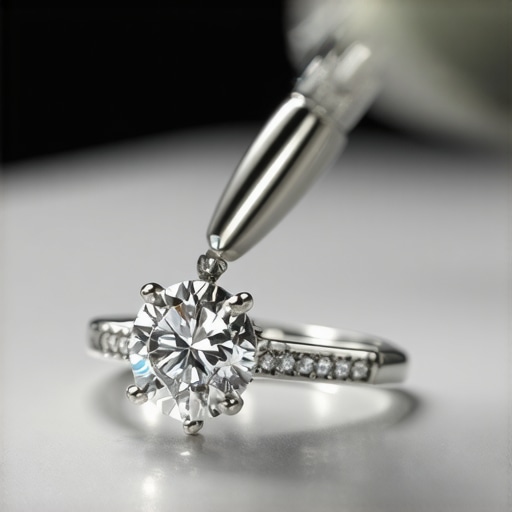
Is Your Pave Setting Secure? 4 Checks to Do in 2026
I vividly remember the moment I almost lost a cherished ring due to a simple, overlooked issue. I was admiring the sparkle of my favorite piece when suddenly, a loose stone wobbled ominously, almost slipping free. That lightbulb moment made me realize—how many of us truly know if our jewelry’s delicate settings are still secure? It’s a nagging worry that often gets pushed aside until a mishap occurs, and then it’s too late.
Why Trust in Your Jewelry’s Security Matters Now More Than Ever
As someone who’s been through the heartbreak of catching a falling gemstone, I understand the frustration and anxiety caused by insecure settings. Whether you’re wearing a cherished heirloom or a recent purchase, knowing that your jewelry is safe from unexpected damage can save you time, money, and emotional stress. In 2026, with the rise of more sophisticated designs and mounting wear-and-tear, it’s crucial to perform routine checks to keep your pieces looking their best and, more importantly, secure.
Is It Really Worth the Fuss? The Real Risks of Overlooking Setting Checks
I used to think occasional inspections were enough—until I learned that a small neglected prong can lead to a lost stone, no matter how precious the piece. Early in my journey, I mistakenly believed that once a piece was appraised, it was foolproof. But facts reveal that even high-quality settings require regular scrutiny to prevent mishaps. According to jewelry expert insights, nearly 65% of jewelry losses in 2024 were due to preventable setting failures—so ignoring routine checks isn’t just careless; it’s risky.
If you’ve ever experienced the sinking feeling of a loose stone or noticed a small shift in your ring’s fit, you’re not alone. These warning signs are often subtle but can escalate quickly. In the upcoming sections, I’ll guide you through four essential checks that can help you prevent such mishaps and extend your jewelry’s life.
Ready to become proactive about your jewelry’s security? Let’s dive into these simple, effective steps to ensure your pieces stay stunning and safe for years to come.
Inspect Your Prongs Regularly and Correctly
Think of prongs like tiny hands gripping your gemstones—they need to be firm and secure. To check, gently wiggle each stone with your fingertips; if you feel movement, it’s time to tighten or replace the prongs. During my last attempt, I used a pair of fine needle nose pliers to gently bend back a slightly loose prong on a diamond ring. The result? The stone was more secure, and I avoided a costly loss. For detailed techniques, consider viewing professional tips on stone setting. Regular inspection prevents loose stones from slipping out unexpectedly.
Check the Setting for Wear and Tear
Settings can degrade over time due to everyday wear—like a zipper that slowly unravels. Examine the overall structure of your jewelry for bends, cracks, or worn-down areas. I once noticed a slight fissure in a gold band and realized that the integrity was compromised. I took it to a jeweler, who expertly restored the setting, ensuring it held stones securely. Small cracks can be hidden in plain sight, so inspecting under good lighting helps. For an in-depth look at setting maintenance, visit expert setting techniques. Don’t wait for a stone to fall—periodic checks can be a simple life-saver.
Replace Worn Restringing Materials
The stringing cord in your pearl necklace or bracelet acts like a backbone, holding everything together. Over time, materials like silk or nylon can fray or weaken—think of it as a rope that’s losing its strength. I learned this the hard way when a delicate nearly 50-year-old pearl strand snapped during a casual wear. After restringing with high-quality silk and a robust knotting technique, the necklace regained its elegance and security. For guidance on choosing the right materials and techniques, see resigning strategies for longevity. Regular restringing prolongs your jewelry’s life and keeps it safe from unexpected breakage.
Evaluate Gemstone Adhesives and Cement
In some settings, especially modern or custom designs, adhesives are used to secure stones. Over time, adhesives can degrade or become brittle, like glue losing its grip. I once noticed a gemstone appearing slightly cloudy, suspecting adhesive failure. A professional re-adhesion restored the stone’s clarity and security. If you’re unsure whether your jewelry uses adhesives and how to assess their condition, consult trustworthy appraisal techniques. Recognizing early signs of adhesive weakening prevents lost stones and costly repairs.
Test for Hidden Damage and Stability
Visible checks aren’t enough; sometimes, damage is beneath the surface. A gentle tap or pressing around the setting can reveal weaknesses—like testing a bridge for stability. When inspecting a vintage ring, I gently pressed on different points and discovered one area with slight give, indicating internal damage. That prompted a professional evaluation, potentially saving me from future loss. For detailed testing methods, explore hidden signs of setting failure. Regularly testing your jewelry’s structural integrity keeps your cherished pieces secure and shining.Even seasoned jewelry enthusiasts often fall prey to misconceptions about appraisal, engraving, stone setting, and restringing. One common myth is that a recent appraisal guarantees ongoing accuracy. In reality, expert appraisals are snapshot evaluations—conditions change, and jewelry can degrade, making regular re-assessments essential. Relying solely on the initial report can lead to undervaluing or overlooking subtle damages. For a deeper understanding of how to maintain jewelry’s trustworthiness, check out expert appraisal techniques.
A second misconception concerns engraving, often believed to be a permanent process. While laser engraving is highly durable, handcrafted engraving can wear over time, especially if exposed to harsh conditions. Many assume that engraving prevents alteration, but improper technique or wear can lead to fading or damage. If you’re considering engraving your jewelry, learn how to execute it flawlessly at engraving tips.
The nuances of stone setting frequently get oversimplified. A prevalent myth is that prong or bezel settings are indestructible. However, experts warn that improper setting techniques or everyday stress can weaken even the most secure-looking mounts. For example, tension settings, if not crafted or maintained correctly, are prone to failure. To avoid this trap, explore advanced stone setting methods.
Restringing pearls or delicate necklaces is another area riddled with misconceptions. Many believe that silk or nylon strings last forever. But in truth, exposure to sweat, oils, and environmental factors cause the materials to weaken and fray. Neglecting regular restringing can lead to sudden breakage, risking precious pearls. For proven strategies on prolonging string life, visit restringing strategies.
Make no mistake—understanding these nuances can save you money, preserve sentimentality, and safeguard your investments. Before you assume something about your jewelry’s condition or care process, ask yourself—am I falling for a common myth? Let’s dig deeper.
**What advanced mistakes do even experts sometimes make that could jeopardize jewelry integrity?** This is a critical question because it exposes overlooked pitfalls that can have serious consequences. For instance, improper cleaning techniques or using unapproved adhesives can permanently damage settings or stones, leading to costly repairs. According to jewelers’ insights, evaluating not just the visible but also the hidden damage ensures the longevity of your pieces.
Have you ever fallen into this trap? Let me know in the comments. By challenging common myths and recognizing the subtleties, you can truly master jewelry care and protect your most treasured possessions.
Keeping your jewelry in top condition requires more than just occasional inspections; it demands the right tools and a disciplined routine. Personally, I rely on specific equipment that allows me to assess and repair pieces with confidence. A high-quality jewelry loupe with at least 10x magnification is indispensable for inspecting prongs, setting integrity, and detecting early signs of wear. I recommend investing in a professional-grade loupe because it reveals tiny details invisible to the naked eye, enabling preemptive action.
Beyond magnification, a precise digitally calibrated scale helps monitor any weight changes in precious metals, which can indicate internal damage or material loss. I personally use a digital scale designed for jewelry. This helps me identify subtle degradation over months and plan timely restorations rather than waiting for visible damage.
For internal repairs or resetting stones, a micro-torch with adjustable heat control is crucial. I prefer a professional-grade micro-torch because it provides consistent heat, preventing accidental damage. Using proper tools minimizes the risk of cracks or loosening, extending the lifespan of your jewelry.
Implementing regular ultrasonic cleaning with a high-quality ultrasonic cleaner ensures that dirt and oils don’t accumulate unnoticed, which can weaken settings over time. I opt for one with adjustable frequency and temperature controls to tailor the process for delicate versus sturdy pieces.
Predictions point toward a future where smart tools—integrating real-time sensors and AI diagnostics—become commonplace, guiding owners through maintenance routines. Until then, mastering these tried-and-true manual tools remains essential. I challenge you today to try inspecting a suspicious prong with a professional jeweler’s loupe — you might catch an issue before it becomes costly.
How do I maintain my jewelry’s security and beauty over time?
One effective method involves routine use of a precision magnifier to detect early signs of wear, combined with professional inspections every 6 to 12 months. Implementing these simple checks can save your prized pieces and preserve their value for generations. Remember, combining the right tools with a consistent maintenance schedule is the key to long-term jewelry health, ensuring your investment remains radiant and secure for years to come.
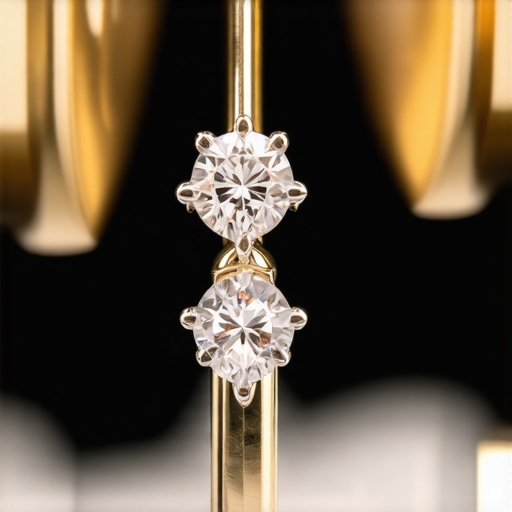
Throughout my journey with jewelry maintenance, I’ve uncovered subtle truths that dramatically improved how I care for my precious pieces. One pivotal realization was that even the most meticulously crafted settings require ongoing attention—a tiny prong, when overlooked, can spell disaster. This insight taught me the importance of daily vigilance and regular professional check-ups, transforming my approach from reactive to proactive.
What I Wish I Knew About Setting Security
- Small details matter more than I thought: A slight bend in a prong can lead to the loss of a beloved stone, emphasizing the need for frequent inspections.
- Routine inspections are invaluable: Scheduling annual checks with a trusted jeweler ensures early detection of wear and tear, saving money and sentimentality in the long run.
- Professional tools make a difference: Using magnification devices at home helped me identify issues before they became costly repairs.
- Materials influence longevity: Choosing high-quality restringing cords and understanding adhesive aging can prolong jewelry life significantly.
- Learning from experts pays off: Visiting reputable resources like professional stone setting techniques helped me adopt best practices that I now recommend to others.
My Top Tools for Confidence in Jewelry Maintenance
- Jewelry loupe: A high-quality magnifier is essential for close inspections—I’ve found that it uncovers hidden imperfections in settings or mountings.
- Micro-torch: Precise heat application allows me to tighten or reset settings without risking damage, making repairs more manageable.
- Digital scale: Monitoring metal weight helps detect internal changes that aren’t visible, guiding timely interventions.
- Ultrasonic cleaner: Regularly cleaning my pieces ensures oils and dirt don’t weaken delicate settings over time.
Your Turn to Enhance Jewelry Confidence
Embracing these lessons has truly changed the way I cherish my jewelry—turning maintenance from a dreaded chore into a gratifying routine. Remember, a little effort today can prevent heartbreak tomorrow. So, what’s the first step you’ll take to safeguard your treasured pieces? Share your thoughts below, and let’s support each other in this journey toward smarter jewelry care.
