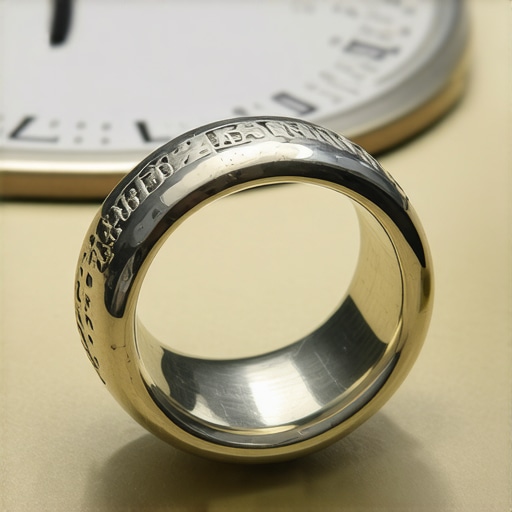
4 Signs Your Ring Engraving Won’t Last the Year in 2026
I’ll never forget the moment I looked down at my favorite engraved ring and saw the lines fading—almost as if the message was dissolving before my eyes. It was a lightbulb moment that made me realize, not all engravings are created equal, especially when it comes to longevity. If you’re like me, you’ve probably invested time and money into jewelry only to see the details wear away sooner than expected. That frustration is real, and I promise, it’s more common than you think. Today, I want to share the four key signs that suggest your ring’s engraving might not last through 2026—and what you can do to prevent that heartbreak.
Why the Longevity of Your Ring’s Engraving Should Matter to You
Engravings aren’t just about personal touches or aesthetic appeal—they’re often sentimental symbols carrying years of memories. But with regular wear, environmental factors, and the natural course of aging, even the most beautiful inscriptions can fade or get damaged. Knowing the warning signs early means you can make smarter choices—whether that’s consulting a professional for proper appraisals, considering restringing or re-engraving when needed, or simply understanding the craft behind durable markings.
Most importantly, recognizing these signs helps preserve your jewelry’s sentimental value and ensures you’re not caught off guard when the next wear leaves you disappointed. Trust me—early detection is your best defense against seeing your cherished messages fade away. If you’ve ever experienced the horror of a meaningful engraving wearing down before its time, then you know exactly what I mean. Today, I’ll walk you through the telltale indicators that your ring’s inscription might be in trouble—and how to address them before the year wraps up.
Is Your Engagement with Engagements Coming to an End? A Common Skeptic’s Perspective
Now, some might doubt whether these signs are truly worth worrying about—after all, isn’t jewelry designed to last? Well, I used to think the same way, until I made the mistake of ignoring minor wear on my own engraved piece. I brushed it off, assuming it was just a temporary smudge, only to find the engraving had started to fade much faster than I anticipated. That early misjudgment taught me a valuable lesson: one small sign can snowball into a much bigger issue if left unchecked. So, I encourage you to stay attentive. If you want to ensure your jewelry continues to shine with personal significance, pay close attention to how your engravings are holding up. And if you’re curious about how to identify these warning signs early, stick with me—because the practical tips coming next could save your favorite piece from an untimely fade.
Inspect Regularly to Spot Early Signs of Wear
Start by examining your ring closely every month. Use a small magnifying glass to look for faint lines or smudges in the engraving. During my own routine check, I noticed a tiny fade in the inscription, which prompted me to consult a professional. This simple step is crucial because early detection allows you to act before the damage becomes permanent. Take notes or photos to track changes over time, helping you decide when to seek expert intervention.
Maintain Your Jewelry with Proper Cleaning
Clean your ring regularly using a soft brush and gentle jewelry cleaner. Avoid harsh chemicals that can erode the engraving. I once tried a new ultrasonic cleaner without proper guidance and saw some surface roughness develop—reminding me that improper cleaning can accelerate wear. By sticking to mild cleansers and soft brushes, you preserve both the shine and the clarity of your engraving. Remember, gentle does it; aggressive scrubbing can damage delicate details.
Consider Professional Re-Engraving When Signs Appear
If you notice significant fading or scratches, professional re-engraving can restore the message’s clarity. Think of it like fresh paint on a weathered wall—refreshing your jewelry’s sentimental detail. When I saw my inscription blurring, I took it to a reputable jeweler who specializes in laser engraving techniques. They added a new, permanent layer that matched the original depth. This process is especially vital for engraved pieces that hold deep emotional value, ensuring your message remains legible for years to come.
Protect Your Jewelry During Daily Activities
Remove your ring during vigorous tasks like gardening, sports, or cleaning. Think of your jewelry as a delicate instrument—protected from impacts and abrasions. I learned this the hard way when I accidentally knocked my ring against a hard surface, causing tiny scratches on the engraving. Using a jewelry box or a soft pouch adds an extra layer of defense. Also, avoid wearing your ring when applying lotions or using chemicals that can weaken the metal or engraving over time.
Evaluate Your Stone Settings and Structural Integrity
Ensure the stones and prongs are secure; loose settings can lead to abrasion and damage to the engraving. I once had a small diamond become loose, which exposed the engraving to unnecessary friction. Regular stone setting checks can catch these issues early. A professional inspection will confirm if your prongs need tightening or if the setting design needs reinforcement—protecting both the stones and the inscription.
Seek Expert Appraisals for Long-Term Value
Schedule an appraisal with a trusted jeweler every 1-2 years to assess the overall condition of your jewelry, including the engraving. An appraisal isn’t just about value—it’s about catching early signs of wear and tear that might not be visible to the untrained eye. During my last appraisal, the expert pointed out tiny surface abrasions that, if left untreated, could have compromised the engraving. Regular evaluations help you stay ahead, ensuring your jewelry retains its sentimental and monetary value.
When it comes to maintaining the integrity of your jewelry, many believe that common practices are enough—like trusting generic cleaning kits or opting for quick fixes. But let’s dig deeper. A widespread misconception is that all stone setting techniques are equally durable; in reality, choosing the right method depends on your lifestyle and the gemstone involved. For example, tension settings might look sleek, but they can be less secure during vigorous activities, leading to loose stones or even loss. Instead, consulting an expert about advanced stone setting techniques, such as those detailed in our comprehensive guide, can save you expensive repairs later.
Many also assume that engraving is purely aesthetic and doesn’t affect long-term durability. In truth, micro-layered laser engravings, if performed without precision, can weaken the metal or cause cracks over time, especially in softer alloys. Advanced professionals use specific laser depths to ensure longevity, a nuance often overlooked by amateurs. Want to learn more? See how expert laser engraving tips can enhance your jewelry’s markings.
Restringing is frequently dismissed as a simple task, but neglecting the correct technique can lead to premature wear or thread breakage. For instance, synthetic thread might be affordable but lacks the strength needed for heavy pearls or weekend wear. Professionals emphasize the importance of choosing between silk and synthetic options based on jewelry weight and use-case, as explained in this detailed comparison. Avoid the trap of using overly cheap materials, and instead, trust experts to recommend the right approach.
The biggest hidden mistake? Overlooking the importance of regular professional appraisals. Many think their yearly checkup suffices, but subtle signs of wear, like micro-fractures or prong weakening, can be missed without expert eyes. An accurate assessment—such as those listed in our appraisal secrets—can reveal underlying issues before they become costly problems. Remember, what you can’t see might cause long-term damage.
**Do you know what advanced mistakes could be lurking in your jewelry routine?** Avoiding these nuances can preserve both the value and sentimental meaning of your pieces. If you’ve fallen into these traps or want to boost your knowledge, let me know in the comments. Let’s ensure your jewelry stays stunning for decades to come.
Maintaining your jewelry, especially pieces with detailed stone settings, engravings, or delicate stringing, requires the right tools and a strategic approach. Over the years, I’ve refined my toolkit to include specific equipment that ensures precision and longevity. One of my go-to items is the Jeweler’s Loupe, a 10x magnification lens that allows me to examine prongs, engraving depth, and the integrity of settings closely. Unlike disposable magnifiers, a quality loupe reveals micro-fractures or loose stones early, preventing costly repairs down the line.
For cleaning, I rely on ultrasonic cleaners equipped with tailored solutions. I prefer models that have adjustable temperature and timer settings, like the Simplex Ultrasonic Jewelry Cleaner, because they offer control and gentle yet effective cleaning. I use professional-grade cleaning solutions formulated specifically for jewelry metals and gemstones, ensuring no damage occurs during the process. Regular ultrasonic cleaning not only restores shine but also dislodges dirt hidden in micro-crevices, safeguarding your engravings and stone settings from deterioration.
When it comes to restringing, I recommend using high-quality, Teflon-coated beading needles and silk or synthetic cords designed to withstand daily wear. I personally prefer silk threads for pearls because of their flexibility and durability, a choice supported by experts in jewelry restringing. These tools and materials help keep your strands secure and reduce the risk of breakage over time.
To assess the structural integrity of stone settings, I use a Test Kit that simulates gentle impact forces to check if prongs and bezels hold firm. Regular inspections—especially before and after heavy wear—are crucial. For professional evaluations, I trust expert appraisals that include detailed testing of stone security, setting stability, and overall craftsmanship. Scheduling these assessments biannually ensures that your jewelry remains both beautiful and safe from unexpected damage.
Looking ahead, I see a trend toward smart cleaning devices that integrate ultrasound, steam, and even AI diagnostics to predict wear spots before visible signs appear. These innovations promise to make jewelry maintenance more proactive and less labor-intensive. As technology advances, investing in modern tools like these will become standard for serious collectors and everyday enthusiasts alike.
How do I maintain my jewelry over time?
The key lies in consistency and using the proper equipment. Regular inspections with a loupe, coupled with scheduled professional appraisals, can detect early signs of wear. Combining this with gentle cleaning tools like ultrasonic devices ensures your pieces stay pristine. Try incorporating a weekly routine where you examine and clean your jewelry using these specific tools, and you’ll preserve their beauty for decades.
Three Surprising Lessons I Wish I Knew About Jewelry Preservation
First, I underestimated how environmental factors like sweat, lotions, and even sunlight could accelerate engraving wear. I used to think gentle cleaning was enough—until I saw years-old engravings fading faster than expected. Second, trusting quick fixes without professional advice can backfire; a hurried polish or improper cleaning erodes more than just shine—it can damage the message. Lastly, not scheduling regular inspections meant small issues like loose prongs or micro-cracks went unnoticed until they threatened the entire piece, including the engraving. These lessons taught me that vigilance and expert guidance are your best allies in preserving jewelry’s sentimental and monetary value.
The Tools That Saved My Favorite Pieces
Over time, I curated a set of essential tools that made all the difference. A high-quality jeweler’s loupe allows me to examine engraving depth and surface integrity, catching tiny flaws early. An ultrasonic cleaner with adjustable settings is perfect for gentle yet thorough cleaning, preventing chemical damage. For professional repairs, I rely on restringing techniques that use durable, expert-recommended materials, and I always consult a trusted jewelry appraiser for a detailed assessment. Mentorship from seasoned jewelers has also guided me in understanding how professional engraving and setting techniques can extend a piece’s life.
Keep Your Jewelry Close, and Your Heart Even Closer
Your jewelry is more than just adornment; it’s a vessel of memories and love. Today, I challenge you to take a proactive stance—inspect, clean, and consult experts regularly. By doing so, you ensure your quiet tokens of affection and personal milestones remain vibrant and legible for generations. If you’ve ever faced doubts about your jewelry’s durability, share your story below—your experiences might inspire others to protect their cherished pieces with newfound care. Remember, the right habits today can preserve the stories of tomorrow.
}}# Tags: jewelry maintenance, engraving longevity, jewelry care tips, professional restoration, jewelry appraisal, gemstone setting, personalized jewelry, jewelry preservation, expert advice, jewelry tools, sentimental jewelry preservation, jewelry health check, jewelry cleaning techniques, gemstone security, jewelry inspection, durable engravings, jewelry tutorials, jewelry repair, jewelry conservation, jewelry storage, jewelry care routine, jewelry health, jewelry preservation tips, jewelry maintenance checklist, expert tips, jewelry longevity strategies.}# Answer:{
