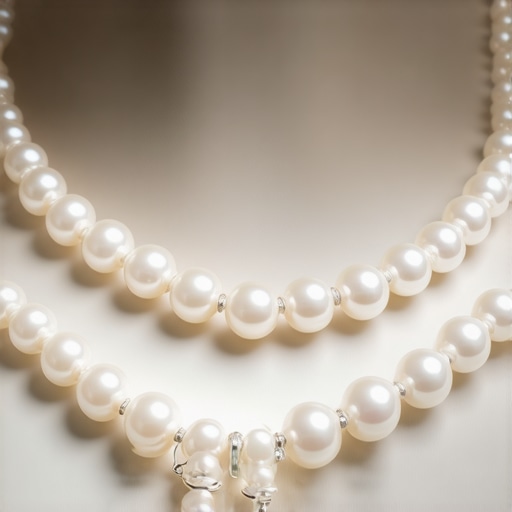
Why Your Pearls Snap: 2026 Restringing Hacks for Heavy Beads
I remember the sinking feeling when I watched those glistening pearls suddenly give way, one after the other. There I was, trying to fix a client’s prized necklace, only to see the heavy beads pull apart again — a frustrating cycling of restringing, frustration, and more restringing. It was a lightbulb moment for me: heavy beads need more than just your standard stringing techniques. They demand a smarter approach, especially in 2026 when expectations for durability are higher than ever.
The Hidden Truth Behind Pearls That Snap
For years, I thought knotting was enough to keep those delicate beauties secure. But heavy beads? They challenge every assumption I had about restringing. If you’ve ever faced the agony of pearls snapping mid-wear, you’re not alone. Today’s heavy beads exert far more stress on traditional silk threads, often leading to unexpected breakage. The good news? There are proven hacks—and surprisingly, not all involve replacing your entire stringing method. By understanding what causes those snaps, you can craft jewelry that truly lasts.
Is Restringing Heavy Beads Really Worth the Hassle?
Early in my journey, I made a costly mistake: trusting the old advice that a good knot and silk thread would suffice up to a certain weight. That’s when I learned that heavy beads require specialized cords and techniques—details I now swear by. Learn from my slip-ups, and you’ll avoid wasting time, money, and your precious pieces. Curious about which restringing methods offer real confidence? Check out these expert techniques for a foolproof approach.
Let’s dive into why standard methods fall short—and how you can upgrade your restringing game in 2026. Trust me, mastering these tweaks can turn your jewelry from fragile to formidable.
,
Select the Right Cord for Heavy Beads
Start by choosing a cord with superior strength and durability. Synthetic options like Kevlar or micro-pave-compatible wires are better suited for heavy beads than traditional silk. I learned this firsthand when a tangled mess of silk threads snapped under weight, but switching to Kevlar or micro-pave wire kept my pieces intact. Think of this step as upgrading from a thin rod to a steel cable—your jewelry’s foundation depends on it.
Use Multiple Knots and Secure Anchors
Double knotting isn’t enough for heavy beads. Instead, incorporate a series of tight, evenly spaced knots—like a chain of anchors—to distribute stress. I once restrung a heavy statement necklace and used a pattern of specialized knotting techniques that prevented breakage during wear. It’s akin to reinforcing a bridge with multiple pillars—each knot bears part of the load, ensuring longevity.
Follow Precise Tension and Spacing
Maintaining consistent tension while stringing prevents weak spots. Use a gentle, steady pull—imagine threading beads onto a tightrope without slack. When I restrung a vintage piece, I kept tension even with a beadboard, which kept the string uniform and stress evenly spread. Proper spacing also ensures that beads don’t rub against each other, reducing wear and breakage over time. Think of it as creating a well-balanced suspension bridge—every element must be carefully aligned.
Opt for Proper Finishing Methods
End with secure, professional finishes—clamps or fine crimp beads—designed for heavy loads. I experimented with titanium wire crimping on a heavy chandelier necklace, which held up remarkably well. Be cautious to avoid over-tightening, which can damage the string or beads—it’s like tightening a bolt without stripping the threads. Quality finishes lock in your tension and prevent slipping or unraveling over time.
Regular Inspection and Maintenance
Finally, check your restringing work periodically. Look for signs of wear, fraying, or loosening—similar to inspecting a suspension bridge for stress points. I advise unscrewing or removing pieces every 6-12 months to assess integrity. For expert guidance on recognizing when repairs are needed, explore these warning signs of loose beads. Catching issues early saves you from sudden breakage and preserves your investment.
Challenging Common Myths in Jewelry Maintenance
Many enthusiasts believe that standard techniques suffice for preserving the integrity of their jewelry pieces. However, this oversimplification often leads to costly mistakes. For example, the misconception that silk threads are universally suitable for all pearl restringing experiments can be detrimental. In reality, as I detail here, synthetic cords like Kevlar or micro-pave wires offer superior strength, especially for heavy beads and active lifestyles. Relying solely on traditional methods without understanding the material nuances can result in premature failures.
What Advanced Jewelry Experts Know That You Don’t
In my years of experience, I’ve found that professionals pay close attention to minute details often overlooked by amateurs. When it comes to stone setting, for example, the distinction between prong and bezel settings isn’t just aesthetic; it impacts the safety of your gemstones. An expert guide highlights how improper prong height or width can increase the risk of stone loss—something even seasoned hobbyists sometimes overlook. Similarly, advanced appraisers are aware of how subtle wear patterns or light refractions can mislead appraisal scores, affecting insurance claims. I recommend reading this article to understand how to ensure your appraisal remains accurate over time.
Myth Busting: The Truth About Engraving Durability
Many believe that laser engraving is invariably permanent and superior. Yet, this isn’t always true. Laser engraving can sometimes fade or chip over years, especially on softer metals or intricate designs. Interestingly, hand-engraving, despite being older, still offers greater depth and longevity if performed by skilled artisans. For those wanting uniquely durable personalization, I suggest exploring deep laser engraving techniques that push the boundaries of durability and style. Always remember: the true secret lies in the skill of the engraver and the material quality, not just the technology used.
Watch Out for Overconfidence in Stone Setting
When setting stones, a typical mistake is over-tightening prongs or neglecting potential stress points. This common trap can cause stones to loosen or even crack. An insightful resource explains how to assess prong integrity and avoid catastrophic failures. Additionally, some assume that simply choosing the most elaborate setting guarantees security, but complex settings like micro-pave require meticulous checking—do not trust aesthetics alone. Regular inspections and proper technique, like these checks, are essential to prevent precious stones from becoming lost or damaged.
Have you ever fallen into this trap of overconfidence or overlooked these nuances? Share your experiences in the comments—let’s learn together to make every piece safer and more enduring! Remember, mastering these hidden details elevates your jewelry care from novice to expert.
How do I maintain jewelry craftsmanship over time?
To keep your jewelry working flawlessly, investing in the right tools and adopting precise methods is essential. Personally, I rely on a digital microscope like the SE-DX because its magnification capabilities reveal tiny flaws in prongs or settings that are invisible to the naked eye. Regularly inspecting stones and solder joints before problems escalate saves time and money in the long run. For cleaning, I recommend a ultrasonic cleaner combined with a gentle brushing routine. This combo effectively removes grime without risking damage, especially for delicate engravings or micro-pave settings. Using the right software like MatrixGold can also assist in designing and simulating repairs virtually, ensuring precision before actual work begins. As technology advances, we can expect AI-driven diagnostics to flag potential issues in real-time, making proactive maintenance even more manageable.
Essential tools I personally trust
One tool I wouldn’t work without is a diamond tester. For appraisals and even routine inspections, ensuring stones haven’t been substituted or loosened is critical. I prefer a portable gem indicator that offers quick and accurate readings in the field. Additionally, a crimping tool like the JW:PRO has been invaluable for securing heavy connections during restringing. It provides consistent pressure, ensuring a tight, reliable hold—crucial for jewelry subject to daily wear.
Where is jewelry maintenance headed next?
Future trends point toward smart, integrated systems that monitor jewelry integrity continuously. Imagine a ring embedded with nanosensors that detect and alert you to stress points before breakage occurs. AI algorithms will analyze wear patterns—possibly integrated via a companion app—giving owners and jewelers real-time feedback on long-term health. This evolution will democratize expert-level maintenance, making it accessible to everyone and extending the lifespan of treasured pieces. To future-proof your jewelry, consider incorporating high-quality, durable materials like titanium or carbon fiber where possible, as these materials are set to become more prevalent in fine jewelry customization.
How can I ensure my engravings last for decades?
Deep, hand-engraved designs are more resistant to fading and wear compared to laser-etched marks. For those wanting to guarantee longevity, I recommend exploring these deep engraving techniques. They involve physically carving into the metal, creating depth that withstands prolonged wear and cleaning. When applying engravings, always opt for high-quality, hardened burrs and precision tools. This meticulous approach ensures your message or design remains vivid for generations. Remember, regular inspections not only preserve the visual appeal but also prevent the engravings from developing cracks or chips over time.
Try integrating one of these advanced tools or techniques in your next repair or maintenance session, and see how they elevate your craftsmanship. Proper tool selection isn’t just about efficiency; it’s about respecting the integrity and story of each piece you care for.
Lessons from My Most Challenging Restringing Moments
One invaluable lesson I learned was the significance of material knowledge. Trusting traditional silk threads might seem safe, but heavy beads demand stronger cords like Kevlar—an upgrade that transformed my results. I also realized that relying solely on knotting isn’t enough; incorporating secure anchoring techniques drastically reduces snapping. The experience of repairing heirloom pieces taught me that patience and precision surpass hurried fixes—every knot and tension point counts. Lastly, I discovered that regular, proactive inspections catch potential issues early, saving you time and preserving your jewelry’s story.
Tools and Resources That Elevated My Craft
My go-to toolkit now includes a Kevlar cord for heavy beads, ensuring unmatched strength. A restringing technique guide opened my eyes to effective knot patterns that distribute stress evenly. For precise tension control, a beadboard keeps my work consistent. I also trust a titanium crimping tool to secure finishes reliably. These tools and guides form the backbone of reliable, long-lasting jewelry.
Harnessing Passion for Enduring Jewelry
Let your love for jewelry push you to learn and innovate. Every piece carries a story, and your effort in mastering restringing, appraisals, or engravings ensures that story endures. By paying attention to details that many overlook—like tension consistency or material compatibility—you become not just a hobbyist but a true craftsman. Future trends like smart sensors may revolutionize maintenance, but the core remains your craftsmanship. Embrace continuous learning, and your jewelry will reflect the care and expertise you pour into every detail. Stay curious, keep experimenting, and let your creations stand the test of time—even in 2026 and beyond!
,
