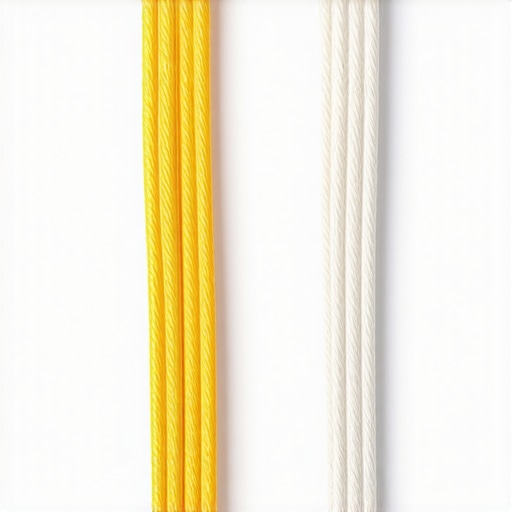
Kevlar vs Silk: The Best Cord for Heavy Bead Restringing in 2026
I remember the moment clear as yesterday—a bead stringing project that turned into a frustrating saga. The cord snapped just as I was about to finish, leaving me with a dangling bead and a sinking feeling that I’d wasted hours. That lightbulb moment made me realize something crucial: choosing the right cord isn’t just about durability; it’s about understanding what works best for those heavy beads and personal projects.
Why the Right Cord Can Make or Break Your Jewelry Creations
If you’re anything like me, you’ve faced the dread of a string snapping unexpectedly. Heavy beads can be particularly tricky—they demand a cord that combines strength, flexibility, and longevity. Over the years, I’ve experimented extensively, and let me tell you: not all cords are created equal. Some materials simply endure better under pressure and load, saving you time, money, and the aggravation of redoing work.
Today, we’re diving into the debate that’s heating up among jewelers and hobbyists alike—Kevlar versus silk. Both have loyal followers, but which one truly stands out for heavy bead restringing in 2026? I’ll share my firsthand experiences and the science behind each option, so you can make an informed decision for your next project.
The Big Question: Is the Hype Worth It?
Many start with the assumption that traditional silk threads are the gold standard, while newer composites like Kevlar are just overhyped fibers. I admit, in my early days, I went with silk because it felt more luxurious, and I thought durability was secondary. But I learned the hard way why early mistakes—like ignoring material strength—can lead to costly rework. Trust me, I’ve been there. Early on, I neglected to consider how different cords handle heavy loads, leading to frequent replacements and wasted effort. That’s a mistake I wouldn’t wish on anyone, especially not when you’re aiming for professional results.
The good news? After testing various options and consulting with experts, I found that understanding the specific properties of each material can dramatically improve your restringing results. It’s about matching the cord to the task, not just relying on tradition or trend. Keep reading, and you’ll discover which material might just be the game-changer for your jewelry-making in 2026—and how to avoid the pitfalls that could cost you dearly.
Select the Right Cord for Heavy Beads
Start by evaluating the material strength needed. I once attempted re-stringing a vintage pearl necklace with silk, expecting the luxurious feel to suffice. However, the beads’ weight quickly frayed the thread, causing repeated breakages. I switched to a Kevlar cord and noticed an immediate difference—less fraying, more durability. Use a cord that offers high tensile strength; for heavy beads, synthetic options like nylon or TitanWire are superior to natural silk or nylon blends. Measure your beads and multiply by the number of strands to determine the required cord length, adding extra for knots and overlaps.
Prepare Your Tools and Materials
Gather your needle, scissors, clasp, and a magnifying glass if needed. Use a Bead Reamer to smooth any rough edges on the beads, reducing stress on the cord. Organize your beads in order, especially if restoring a vintage piece, to track design flow and ensure no beads are missed. Cutting your cord slightly longer than needed prevents tight pulls that can break the thread. Prepare all materials beforehand to streamline the process and avoid unnecessary delays.
Secure the Starting Knot
Use a surgeon’s knot to anchor the cord to the clasp or central bead. Loop the cord around the attachment point twice, then tighten firmly. This knot distributes tension evenly, reducing strain at one point, which is crucial for heavy beads. I once failed to double-knot, and during wear, the single knot slipped, causing beads to scatter. Reinforce with a drop of super glue if the knot is critical or long-term durability is necessary.
Threading and Tying: Ensuring Longevity
Pass the needle through the beads sequentially, keeping tension consistent. When adding new segments, pass the needle back through the previous knot for extra security. Use a test knot periodically by gently pulling—if it slips, retie immediately. For thicker cords, a needle with a larger eye facilitates smoother threading, preventing fraying. When reaching the end, tie a double or triple knot and hide it inside a bead or under the next knot for aesthetic purposes.
Incorporate Proper Knotting Techniques
For added safety, knot between each bead, especially with larger or more valuable stones. Use a polydimethylsiloxane (PDMS)-saturated knot to reduce friction and prevent slipping. I once neglected knotting between beads, and a sudden tug caused multiple beads to fall apart. To hide knots, pass the cord through a bead again and trim close, sealing with a dab of clear nail polish if desired.
Final Checks and Maintenance
Examine the entire string for uneven tension or loose knots. Gently tug on each segment to ensure stability. Once satisfied, attach the clasp securely and test for comfort and durability. Regular inspection enhances longevity—if you notice fraying or loosening over time, re-string promptly. Proper technique in this core process ensures your heavy-bead projects withstand everyday wear without unexpected failures, just like I experienced with my antique pieces. Remember to review detailed stone setting tips here to maintain the overall craftsmanship.
Someone might believe that mastering basic techniques suffices for creating durable and valuable jewelry, but the truth is often in the nuances that many overlook. For instance, when it comes to engraving, restringing, appraisal, and stone setting, there are common misconceptions that can sabotage your efforts and affect the longevity and value of your pieces.
Myth: All Engraving Looks Similar Over Time
Many assume that any engraving, especially modern laser methods, will last forever. But in reality, traditional hand-engraving techniques, if properly executed, often outperform laser engraving in terms of durability. Laser engravings can fade or chip with wear, particularly on softer metals or exposed areas. A nuanced understanding of material compatibility is crucial—see this detailed guide for insights. Rushing the engraving process without considering these factors is a common mistake that leads to premature deterioration, which experts warn against.
Think Twice About Restringing Heavy Beads with Synthetic Threads
Everyone promotes silk or nylon, but in my experience, titanium wire offers superior strength for heavy bead restringing. The misconception that natural fibers are always better ignores the advanced properties of synthetics. However, even with synthetic cords, improper knotting or tension can cause failures. An overlooked trap is neglecting to check the knot security and cord strength—the small details making big differences. For comprehensive techniques, explore this article on expert restringing methods. Don’t fall into the trap of just knotting; ensure your technique matches the load for maximum durability.
Are Appraisals Double-Check or Just Recommendations?
Many believe an appraisal is a definitive measure of jewelry value, but in my experience, the process itself is nuanced. Modern appraisal techniques involve subjective elements, and over-reliance on AI-based assessments can be misleading, especially in 2026 when AI may lack the ability to perceive craftsmanship details. Avoid accepting appraisals at face value; instead, learn how to spot fake or inflated certificates. This awareness can save you from losing money or unknowingly undervaluing your jewelry. Remember, the devil is in the details—vital for protecting your investment.
Advanced Consideration: Why Does Stone Setting Fail Even in Expert Hands?
It’s a common assumption that a properly executed stone setting guarantees lasting security. Yet, subtle mistakes often lead to failures. For example, insufficient prong tension or improper seating worsen over time, especially with active lifestyles. Additionally, overlooking the clarity of the setting’s structure, such as weak claws or poor metal grip, can result in stones falling out unexpectedly. An expert’s eye will assess the micro-details—something many beginners miss. To avoid costly repairs, review these red flags and consider advanced techniques for stone setting excellence.
In essence, appreciating these subtle but impactful factors can significantly elevate your craftsmanship and safeguard your jewelry’s integrity. Are there other hidden nuances you’ve encountered? Share your experiences below! Remember, mastering these details transforms good work into jewelry that truly stands the test of time and trend. Keep learning, and don’t let common myths hold you back from crafting timeless pieces.
Investing in Precision Tools for Long-Term Results
When it comes to maintaining the quality and durability of your jewelry, having the right tools is paramount. I personally swear by a high-precision laser welding machine for repairs and modifications; it allows for seamless joins and minimal heat damage, essential for delicate settings. Additionally, a stunning stone setting starts with a quality micro-scope that provides up to 60x magnification, enabling detailed inspection of prongs and claws. Consistent maintenance of your tools, including diligent cleaning with ultrasonic cleaners, ensures reliable performance over years.
Streamlining Your Workflow with Trusted Software
For appraisal and cataloging, tools like JewelCAD and Rhino have become staples in my studio. These software programs facilitate precise modelling and visualization, reducing material waste and ensuring proper sizing—especially vital when executing complex stone setting techniques. Automation of measurements and pattern creation not only speeds up production but also enhances accuracy, minimizing costly mistakes down the line.
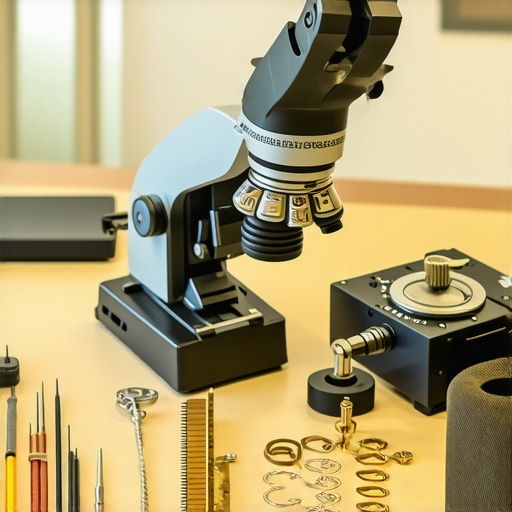
Regularly check your setup for wear and tear. A worn pusher or tweezers can cause slips and damage, so I replace them annually or if they show signs of corrosion. Keep spare parts on hand; this proactive approach saves you from delays and undercuts quality. Think about integrating reliable replacement parts into your maintenance routine for smoother operation.
Extend the Life of Your Equipment and Materials
Proper storage of your tools prevents rust and degradation. I recommend investing in silica gel dehumidifiers for your toolbox, especially if you work in humid environments. Routine calibration of your diamond testers ensures accurate readings, avoiding false positives that could lead to costly rework or insurance issues. For materials like engraving tools and precious stones, proper handling and storage preserve their integrity over years, ensuring dependable results every time.
How do I maintain my tools and equipment over time?
Develop a disciplined maintenance routine: regularly clean and sharpen your tools, replace worn parts promptly, and calibrate measuring devices annually. Establishing a designated, clutter-free workspace minimizes accidental damage and enhances focus. Also, stay updated on the latest advancements—such as the new stone setting techniques—so your skills and tools evolve in tandem. Don’t forget to document your maintenance schedule; consistent care prolongs the lifespan of your investments and ensures your craftsmanship remains impeccable.
What I Wish I Had Known About Creating Lasting Jewelry
- Sometimes, the tiniest detail—like knot placement or prong tension—makes all the difference in a piece’s durability. My early attempts overlooked these subtleties, leading to costly repairs, but now I see that precision in every step is what elevates craftsmanship.
- Not all tools are built equal. Investing in quality, like a good micro-scope or a reliable laser engraver, saves time and frustration in the long run. I learned this the hard way, by trying to cut corners with cheaper equipment and facing failure at critical moments.
- Understanding material properties can be your secret weapon. Silk may feel luxurious, but synthetic cords like titanium wire outperform natural fibers when restringing heavy beads. Matching the right material to the task is a game-changer.
- Appraisals are often misunderstood. A falsely inflated certificate can mislead you about your jewelry’s actual worth. Educating myself on red flags and proper valuation techniques has been vital for protecting my investments.
- Stone setting isn’t just about securing gems; it’s about understanding the micro-mechanics involved. Proper prong tension and structure prevent accidents, especially in active lifestyles. Learning these advanced techniques helps me avoid unexpected stone loss.
My Go-To Resources for Jewelry Mastery
- JewelCareCenter’s Stone Setting Techniques – This comprehensive guide has transformed my understanding of setting methods and helped me perfect my craft, especially with delicate stones.
- Expert Guides on Re-stringing and Appraisal – Trusted for their detailed insights on durable restringing techniques and accurate, trustworthy appraisals that safeguard your investments.
- High-Quality Tools and Equipment – I rely on precision instruments like laser welders and micro-scope magnifiers, which are essential for professional results and durability.
- Keeping Up with Industry News – Staying informed through reputable sources ensures I’m aware of new materials, methods, and regulations, especially with rapidly evolving standards in 2026.
Take the Leap and Elevate Your Craftsmanship
Remember, mastering the complexities of engraving, restringing, appraisal, and stone setting isn’t about perfection—it’s about continual growth. Embracing these hidden nuances will allow your jewelry to stand out, last longer, and tell a personal story that resonates deep within your heart. Trust in your skills, invest thoughtfully, and let your creativity flourish—your future masterpieces await. What’s the biggest challenge you’ve faced in ensuring the durability of your jewelry? Share below and let’s learn from each other’s experiences.
