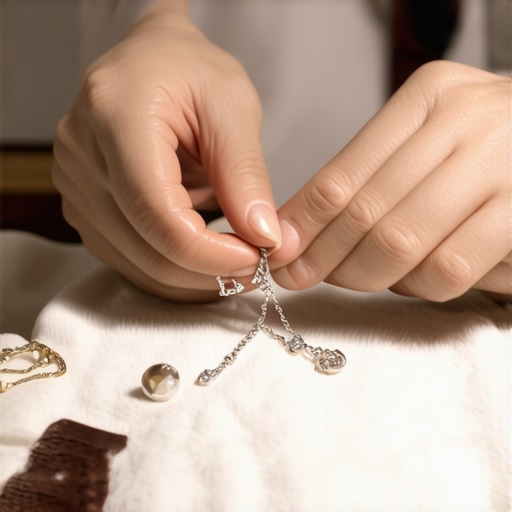
Restringing Jewelry: Proven Techniques to Restore Shine & Confidence

Restringing Jewelry: Proven Techniques to Restore Shine & Confidence

It was a moment I’ll never forget — the sparkle of my favorite necklace fading right before my eyes. I realized then that a simple broken string could threaten the confidence I had in my jewelry. For years, I’d overlooked the importance of proper restringing, thinking it was just a quick fix. But the truth is, a well-executed restringing can bring back that dazzling shine and, more importantly, boost your confidence in your treasured pieces.

Why Restoring Your Jewelry’s Shine Matters Now More Than Ever

Jewelry isn’t just about adornment; it’s about personal history, sentiment, and even identity. When a piece loses its luster or becomes damaged, it’s easy to feel a bit defeated. However, mastering professional restringing techniques can transform worn-out jewelry into stunning conversation starters. Not to mention, it saves you money and preserves the sentimental value attached to your collection.

Did you know that improper restringing can lead to further damage? Early mistakes, like using the wrong knotting technique or cheap materials, can cause more harm than good. I learned this the hard way when a poorly knotted necklace snapped during a family gathering — embarrassing and costly to fix. From my experience, understanding the nuances of quality restringing can prevent these mishaps.

The good news is, with a handful of proven strategies, you can confidently revive your jewelry. In the next sections, I’ll share how you can do this yourself or guide a professional to do it right. Ready to bring your jewelry back to life? Let’s start with the basics and build from there.

Is Restringing Jewelry Really Worth the Hype?

Absolutely! There’s a certain satisfaction that comes from restoring a cherished piece, knowing you’ve added years to its life. Plus, the right techniques enhance durability, beauty, and your trust in your jewelry’s strength. If you’ve hesitated, thinking it’s complicated or risky, you’re not alone. I too worried about making costly mistakes. But I discovered that with some guidance, anyone can master restringing — and the results speak for themselves. Want to explore some expert tips? Check out [this guide on stringing techniques](https://jewelcarecenter.com/restringing-jewelry-repair-proven-techniques-to-restore-your-pieces), which covers everything from basic knots to advanced methods.

Now that we’ve set the stage, let’s dive into the must-know techniques to give your jewelry the shine and confidence it deserves. Trust me, these tips will make you think twice before letting a precious piece sit neglected or damaged.

Securing Your Stones Like a Pro

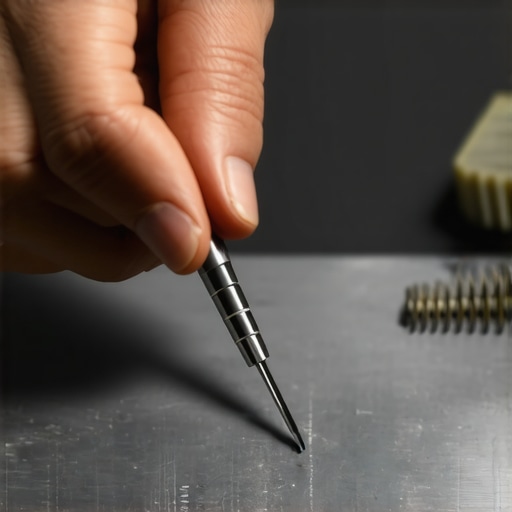
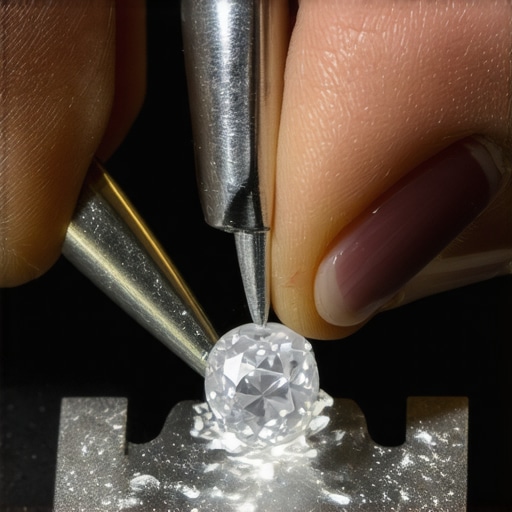
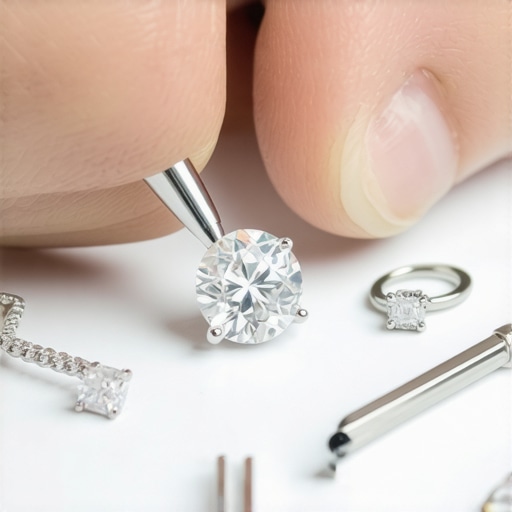
One of the key skills in jewelry restoration is stone setting. I vividly recall attempting to reset a small sapphire myself; it felt like trying to fit a puzzle piece into the wrong slot. The trick lies in creating a secure yet delicate prong or bezel. To start, select the right-sized prongs: they should grip the stone firmly without applying excessive pressure, which could crack it. Use a fine, pointed tool to gently bend each prong over the stone’s girdle, ensuring an even hold. Practice on inexpensive pieces first — I ruined a few cheap earrings before mastering the technique. For a detailed guide, I refer to expert stone setting strategies.
#IMAGE_PLACEHOLDER_B#

Choosing the Right Stringing Materials for Longevity

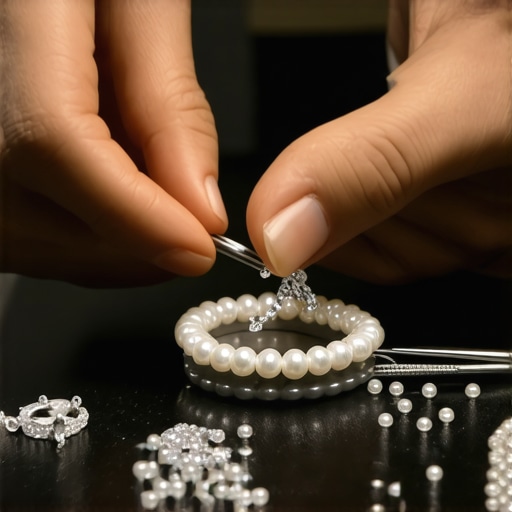
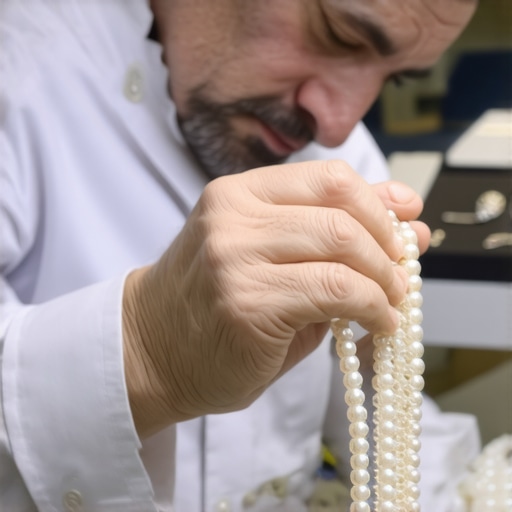
When I restringed my grandmother’s necklace, I learned that material choice matters immensely. Elastic cords might seem convenient, but they wear out faster. Silk or nylon threads, on the other hand, can be knotted securely and last for decades if chosen wisely. Measure your necklace length accurately, leaving extra for knots. Use a beading needle to pass the thread through each bead smoothly. When tying knots, double each knot for security, then conceal the knot within a bead or beneath a clasp for a clean finish. For advanced techniques, check out respringing techniques.
#IMAGE_PLACEHOLDER_B#

Assessing Your Jewelry’s Value Through Expert Appraisal

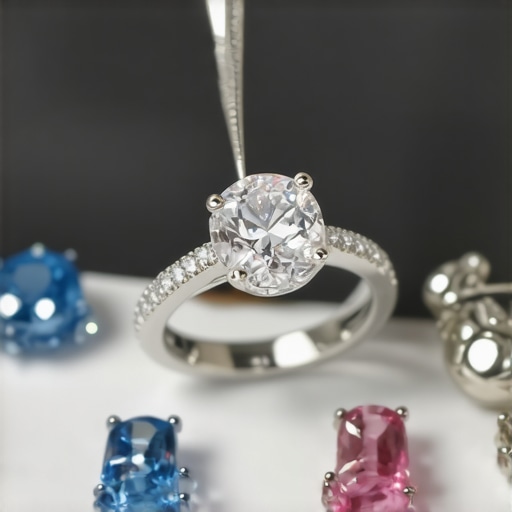
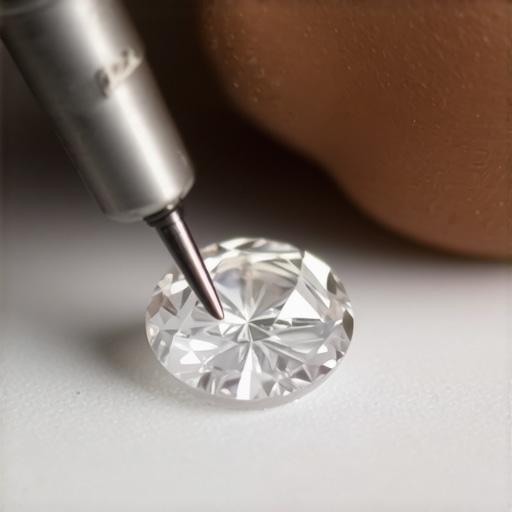
Ever wondered if your jewelry holds more value than you think? I once thought my old ring was just sentimental, but an appraisal revealed a hefty gemstone worth a small fortune. To evaluate accurately, carefully examine the stone’s cut, clarity, color, and carat weight — the famous 4Cs. Professional appraisers use specialized tools like loupe microscopes and refractometers to assess authenticity and quality. Don’t rely solely on visual tests; consult an expert for a detailed report. For trusted appraisal strategies, visit appraisal methods to boost confidence in your jewelry’s true worth.
#IMAGE_PLACEHOLDER_B#

Adding Unique Touches with Expert Engraving

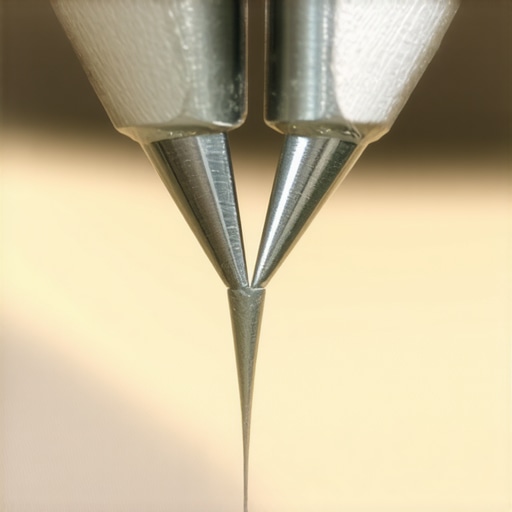
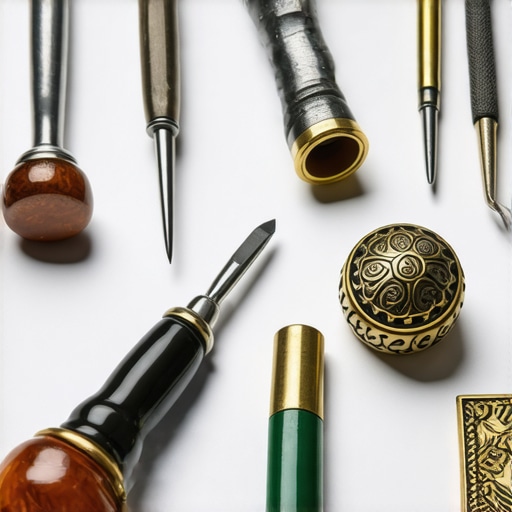
Engraving offers a way to personalize your jewelry and forge stronger connections. I once engraved a heartfelt message inside a locket, a process that required precision. To do this, secure your piece in a steady clamp or holder to prevent movement. Use a fine burin or engraving tool, and with gentle, steady strokes, trace your design or text. Practice on scrap metal first to control your hand. For intricate or meaningful designs, consult engraving tips that can help ensure clean results. Remember, patience and steady hand are critical for professional-looking engravings.
#IMAGE_PLACEHOLDER_B#

Many enthusiasts and even seasoned jewelers often believe they understand the nuances of stone setting, restringing, appraisal, and engraving. However, beneath these familiar techniques lie common misconceptions that can lead to costly mistakes. For instance, the myth that any elastic cord is suitable for beading can jeopardize longevity. In reality, choosing high-quality silk or nylon threads is crucial for durability, as highlighted in expert guides on respringing techniques.

A frequent oversight is assuming that all stones can be secured with the same setting method. While prong settings might seem straightforward, the back-and-forth in amateur attempts often results in loosened or damaged stones. Mastering professional techniques, such as creating precise tension with the right tools, makes a significant difference, as detailed in stone setting strategies.

Another misconception centers on appraisals. Many think that visual inspection suffices to determine authenticity and value. However, relying solely on visual cues risks overlooking internal flaws or fake stones. Utilizing specialized tools like refractometers, as advised in accurate appraisal methods, ensures precise evaluations.

Engraving is often underestimated in complexity, with many assuming that holding a steady hand is enough. The reality is that consistent depth and clean lines demand practiced technique and the right equipment. Engraving expert tips emphasize securing the piece firmly and practicing intricate strokes to prevent erasures or uneven lines, detailed in engraving tips for mastery.

Finally, a hidden nuance across all these areas is recognizing the importance of understanding material behaviors under different conditions. For example, certain adhesives or settings can weaken over time if not selected appropriately for the jewelry’s environment or usage. Being aware of these subtle factors, highlighted in advanced strategies, elevates craftsmanship and boosts confidence.

Making these concealed mistakes can be tempting to overlook, especially when self-repair or enhancement seems simple. However, a mastery of these nuanced details separates mere hobbyists from true experts. So, what common pitfalls have caught you off guard? Have you ever fallen into this trap? Let me know in the comments.

Keep It Working with Precision Tools and Smart Maintenance

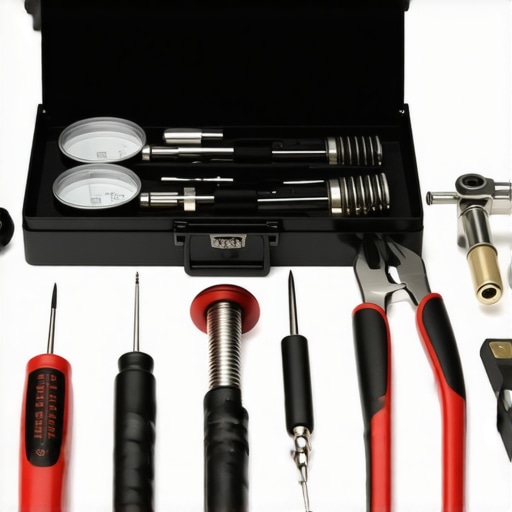
Maintaining jewelry’s integrity over time requires more than just occasional cleaning; it demands investing in the right tools that ensure longevity and precision. I personally rely on high-quality jeweler’s pliers, such as _Foredom Micro Pliers_, which allow delicate adjustments without damaging prongs or settings. These pliers offer excellent control for repositioning tiny components during stone setting or tightening clasps, making them indispensable in my toolkit.
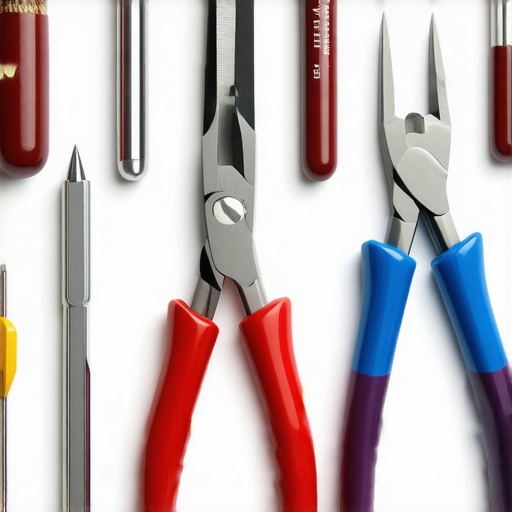
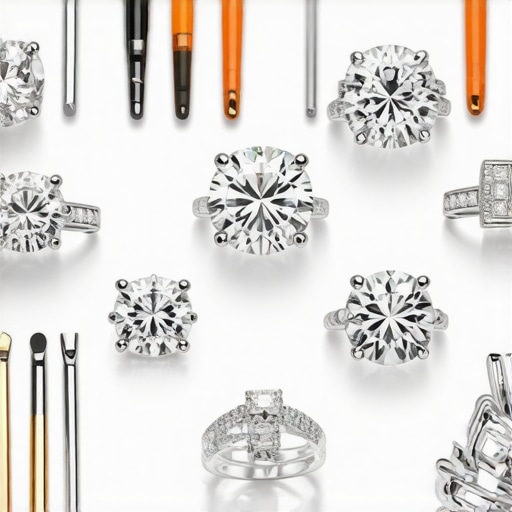
A detailed view of jeweler's pliers and engraving tools used for jewelry maintenance and repair.

How do I maintain jewelry tools over time? 

Regular maintenance of your tools is vital for consistent results. Wipe tools clean after every session with a soft cloth and lubricate joints periodically with a light machine oil to prevent rust. Sharp tools, like engraving burrs, should be honed or replaced when dull to maintain precision. Consistent care ensures your tools remain reliable, which translates directly into the quality of your work. For detailed guidance on tool maintenance, I recommend consulting expert advice available at engagement with expert tool care.

Essential Software and Techniques for Scaling Your Skills

In today’s digital age, adopting advanced software can significantly elevate your jewelry craftsmanship. Programs like _MatrixGold_ or _JewelCAD_ enable precise 3D modeling, allowing you to visualize and perfect designs before physical fabrication. I personally utilize _MatrixGold’s_ parametric design features, which let me tweak intricate details effortlessly, saving time and reducing errors. This approach is essential when scaling up production or working on complex pieces that demand exact specifications.

What future trends will influence jewelry tools and techniques? 

Emerging technologies such as laser welding and 3D printing are revolutionizing jewelry repair and manufacturing. Laser tools provide clean, controlled soldering, which is critical for delicate settings, while 3D printing allows for rapid prototyping of custom components. By integrating these innovations, artisans can deliver top-tier results at an accelerated pace. To get started, consider exploring _laser welding_ options and emerging CAD software, as discussed in industry-leading publications like the latest in jewelry tech. You might try applying laser welding techniques to your next repair project for a professional finish.

The Hidden Lessons I Wish I Learned Sooner

One of my biggest lightbulb moments came when I realized that rushing resizing or setting stones often leads to damaging the piece instead of enhancing it. Patience is key. I once tried to hurriedly restring a necklace, only to realize I had used the wrong knotting technique, which caused the entire chain to come apart during a casual lunch. Now I understand that each step, from choosing materials to tightening settings, requires deliberate care. Recognizing my tendency to overlook small details taught me the importance of precision, and that genuine quality comes from respecting the intricacies of jewelry craftsmanship.

Another lesson was realizing that the myth of DIY perfection can be dangerous. While tutorials are helpful, some techniques demand professional finesse. For instance, attempting to laser-weld or re-polish without proper training can cause irreparable damage. My experience has shown that investing in learning from experts, reading detailed guides, and practicing on less expensive pieces drastically improves results—saving time, money, and preserving sentimental value.

Finally, I learned that understanding your jewelry’s material nature not only prevents mishaps but also elevates your confidence. Knowing whether a gemstone is naturally flawless or synthetically enhanced guides your approach to repairs or appraisals. This awareness empowers you to make informed decisions and trust your judgment when handling delicate pieces or negotiating value—an essential skill I wish I embraced earlier.

Tools and Resources That Transformed My Approach

My daily toolkit now includes a set of high-quality jeweler’s pliers, such as _Foredom Micro Pliers_, which offer remarkable control for tiny adjustments. These tools have become indispensable when repositioning prongs or tightening clasps; their precision prevents accidental slips that could cause damage. I’ve also found that investing in a good magnification loupe, like the _10x Optivisor_, helps me identify tiny flaws or loose settings before they worsen. For deeper learning, I highly recommend reading this comprehensive guide on stone setting—it’s packed with insider techniques that go beyond basic tutorials.

On the digital side, software like _MatrixGold_ has revolutionized my design process. It allows me to visualize complex settings and prototypes in 3D, saving time and reducing errors. Keeping up with industry trends through online courses and webinars, such as those hosted by industry-leading experts, keeps my skills sharp and my work inspired. The combination of quality tools, continuous education, and community support has transformed my craftsmanship and boosted my confidence in delivering stellar results.
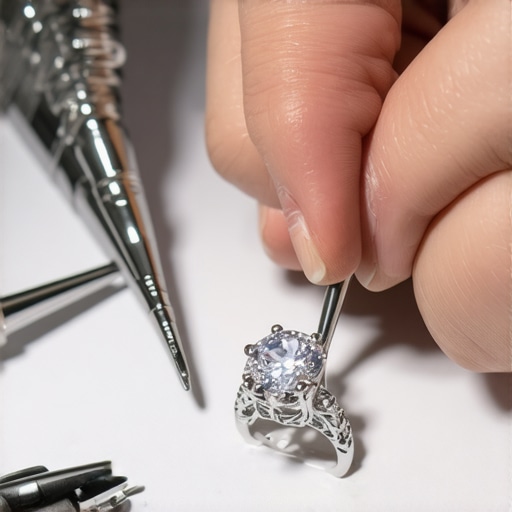
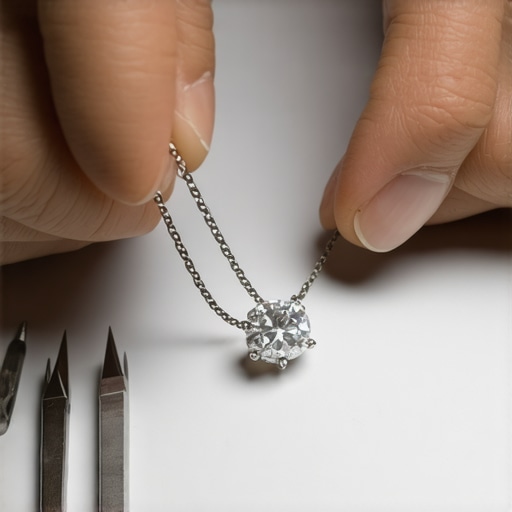
Stone Setting Techniques: Expert Tips to Elevate Jewelry Value Today

Stone Setting Techniques: Expert Tips to Elevate Jewelry Value Today

I’ll never forget the sinking feeling I experienced the first time a delicate gemstone within one of my custom pieces slipped loose during a client appointment. It was a wake-up call—it wasn’t just about aesthetics anymore; it was about trust, craftsmanship, and the true value of the jewelry I created. That moment sparked my journey into perfecting stone setting techniques that not only secure gemstones flawlessly but also enhance the overall appeal and worth of jewelry. Are you tired of revisiting repairs or feeling uncertain about your settings’ durability? If so, you’re not alone.

Why Paying Attention to Setting Techniques Can Transform Your Jewelry

In the world of jewelry making and repair, the setting of a gemstone is like the foundation of a house. A well-executed setting ensures longevity, safety, and undeniable beauty. Yet, for many artisans and hobbyists, it’s often the last step, underestimated in its importance. A poor setting not only risks losing precious stones but also diminishes the perceived and actual value of your pieces. The great news? With a few expert tips, you can elevate your skills significantly. To truly understand what makes a setting stand out, consider how a secure, well-crafted setting influences customer trust and can even command higher prices.

Early in my career, I made a classic mistake: rushing through the setting process, assuming that if it looked good, it was good enough. However, I learned that the devil is in the details. Small imperfections, like uneven prongs or insufficient tension, can lead to ongoing problems. That’s why I recommend exploring *Stone Setting Techniques: The Ultimate Guide to Stunning Jewelry* to build a solid foundation of knowledge. This resource offers proven strategies that can dramatically improve your craftsmanship and ultimately, your jewelry’s value.

Is Overconfidence in Your Setting Skills Costing You Sales?

Here’s a tough truth many overlook: Even with years of experience, minor oversights can undermine your work’s integrity. I once underestimated the importance of proper seat preparation and tension control. That mistake cost me both time and reputation. Recognizing that there’s always room for improvement is vital. Incorporating best practices and continuous learning, such as mastering *Expert Tips for Stone Setting*, helps ensure each piece you craft is a masterpiece of durability and elegance. The good news? These skills are learnable and can be a real game-changer in boosting both confidence and sales.

Now that we’ve acknowledged why setting techniques are so pivotal, it’s time to dive into the practical steps that will take your jewelry craftsmanship to the next level. Whether you’re fixing a piece or creating one from scratch, understanding these key principles will firmly anchor your work in quality and trustworthiness.

Secure Every Gem with Precision

Start by preparing your workspace and tools. Use a loupe to inspect the gemstone’s girdle—this is your reference point for fitting the setting. When setting a stone, imagine it as placing a puzzle piece into its slot; every edge must sit snugly without forcing. For instance, I once rushed a prong setting and didn’t check the tension adequately, which led to a loose stone. To avoid this, gently press the prongs around the gem, ensuring even contact. Use spring-loaded prong pushers to seat the prongs uniformly, then gently bend them over the stone with a burnisher, mimicking how a gardener gently ticks down stakes—firm, yet careful. For detailed techniques, consult this guide.

Restoring Shine through Restringing

Restringing is akin to giving old, frayed rope a new life. Start by removing the old cord carefully and measuring the original length, adding a little extra for knotting and tension. Use a jeweler’s knot to secure the beads tightly, sealing the ends with a crimp bead. I once worked on a pearl necklace whose silk thread was so worn that the knots appeared loose; replacing it improved the necklace’s durability and appearance drastically. To ensure the new string doesn’t slip, crimp securely with pliers, but avoid over-tightening, which can crack the pearls. For expert tips, see resringing strategies.

Engraving Personal Touches Effortlessly

Think of engraving as carving your signature or message into a piece of jewelry—like inscribing a message in a stone. Start with a clean, dry surface and use a fine engraver bit. Steady your hand, and hold the tool at a consistent angle—about 45 degrees—allowing precise control. Practice on scrap metal to develop your steady hand, just as a calligrapher warms up. Light, consistent strokes produce cleaner results than heavy pressure. When adding initials or patterns, plan the design beforehand with light pencil marks. I once engraved a heartfelt message on a mourning ring, using this method, which created a lasting memory for the customer. Keep yourself updated on advanced techniques through engraving tips.

Many skilled artisans and hobbyists alike believe they have a handle on stone setting, restringing, engraving, and appraisal processes, but often, misconceptions and overlooked details undermine their efforts. Let’s dig deeper into what most get wrong and uncover the hidden nuances that can elevate your craftsmanship from good to exceptional.

Why the myth of perfect tension can trip you up

There’s a widespread belief that once a gemstone sits securely, it’s perfectly set. However, the reality is far more nuanced. Excessive tension in prongs can cause stress fractures in delicate stones, leading to long-term damage. Conversely, insufficient tension risks stones becoming loose over time. Achieving the right balance requires understanding the material’s response and the specific gemstone’s properties. An advanced mistake many make is relying solely on visual cues without testing tension systematically—something that can be easily overlooked but significantly impacts durability. For in-depth techniques, consider reviewing this comprehensive guide to refine your tension control skills. Additionally, a misbelief is that ‘more tension equals better security,’ but in truth, tailored tension considering each stone’s hardness and setting style is key.

Can you truly trust your tools to guide perfect tension?

Many believe that modern tools guarantee precision in setting and tension. While quality tools are essential, over-relying on them can be dangerous. For example, spring-loaded prong pushers and tension meters are helpful, but they need to be understood and calibrated properly. A common trap is assuming a tool reading is infallible, when in fact, improper calibration or technique can induce errors. Regularly verifying tool accuracy and understanding their limitations is crucial. According to experts in the field, mastering the art of tactile feedback—feeling the resistance and tension manually—is often the most reliable measure for advanced artisans.

The false confidence that restringing is straightforward

Restringing might seem simple at first glance—just replace the thread. But advanced practitioners know that the real nuance lies in selecting the right material, knotting, and tensioning to match the jewelry’s purpose and wearability. An overlooked mistake is using unsuitable string or cord, which can cause fraying or loss of luster over time. Also, applying too much or too little tension during restringing can ‘set’ the necklace in an undesirable way, affecting both aesthetics and durability. Remember, the goal is to restore the piece’s original feel and function, not just its appearance. Learn from this expert resource to master subtle tension adjustments that make a real difference.

Mastering engraving without leaving scars

Engraving may appear straightforward—hold the tool steady and carve away. But advanced craftsmen understand that pressure control, tool angle, and material awareness are key to avoiding scratches or uneven lines. A common myth is that ‘more pressure results in faster work,’ but in reality, excessive force causes jagged lines and damage to the metal. The secret lies in applying light, consistent pressure, and practicing on scrap materials before working on your beloved pieces. Also, planning the design meticulously and using guides or stencils can dramatically improve precision. As highlighted in this article, mastering fine motor control and understanding engraver bit behavior are essential for sophisticated, scar-free engraving.

Having a comprehensive understanding of these nuanced areas ensures your work isn’t just good enough but outstanding. Forget the myths, pay attention to details, and always continue learning. Do you recognize any of these traps in your practice? Let me know in the comments and share your experiences!

Ensuring your jewelry remains in pristine condition over time requires more than just skill—it demands the right tools and diligent maintenance. From setting delicate stones to restoring luster through restringing and engraving, having the proper equipment can make a significant difference. I personally swear by high-precision microscopes like the III-4z Stereo Microscope for detailed work such as stone setting and engraving. This tool provides excellent clarity and variable magnification, allowing me to detect even the tiniest imperfections and ensure every setting is flawless. Regular maintenance of your tools, such as cleaning burnishers and calibrating tensioning devices, is equally vital to maintain their effectiveness and precision. For example, I always keep my peg and block setups clean and well-oiled, which enhances control and reduces the risk of damaging delicate pieces.

In the realm of software, I rely on design programs like Rhino 3D for prototyping and visualizing complex settings before execution. This prevents costly mistakes and helps plan supporting structures with greater confidence. As technology advances, integrating digital tools with traditional craftsmanship will only become more essential, enabling artisans to scale their work while maintaining high quality.

Long-term results depend heavily on routine inspections and minor touch-ups. For instance, re-tightening prongs every few years can prevent loose stones, especially in frequently worn pieces. I advise setting a periodic maintenance schedule—at least once annually—to check tension, condition the metal, and replace worn parts. This habit not only preserves the integrity of your jewelry but also reinforces customer trust when you present your meticulous care routines.

Looking ahead, I predict that innovations such as AI-driven inspection tools will further enhance our ability to detect micro-damage and forecast potential failures before they happen. Embracing these advancements now will set you apart as a forward-thinking craftsman capable of delivering durable, high-value jewelry that stands the test of time.

How do I maintain my tools and equipment over time?

Regular cleaning, calibration, and thoughtful storage are key to longevity. Use gentle solvents like isopropyl alcohol to clean burnishers and pliers, and keep calibration devices like tension meters in specialized cases to prevent false readings. Periodic calibration ensures your tensioning tools provide accurate feedback, which is crucial for secure stone settings. Additionally, investing in high-quality storage solutions—like padded trays or dust-free cabinets—prevents accidental damage and prolongs tool life. Practicing these habits today will lead to smoother workflow and better results in the future. If you’re interested in elevating your restoration capabilities, consider trying my recommended method of tension control, which involves a combination of tactile feedback and calibrated tools—see how this approach could transform your finishing process by visiting this comprehensive resource.

Lessons I Wish Someone Told Me About Stone Setting and More

One of the toughest lessons I learned was that perfect tension isn’t just about appearance—it’s about the stone’s long-term safety. I once believed that a snug fit meant success, but over-tightening led to cracks in fragile gems. Now, I know that balance and tactile skill are everything. Another realization was that tools don’t replace intuition; feeling resistance and wearing a microscope taught me more than any manual. Lastly, I underestimated how overlooked details—like prong preparation or inconsistent knotting—could negate years of effort. These lightbulb moments shaped my approach, reminding me that mastery is a continuous journey—embrace humility and always seek deeper understanding.

Engraving & Restringing: How to Boost Jewelry Trust in 2024

Engraving & Restringing: How to Boost Jewelry Trust in 2024

I remember the moment vividly. I was showcasing a beautifully engraved piece to a client, only to notice a tiny comma missing — an imperfection that instantly dented the piece’s credibility. That realization hit me hard: details matter more than the sparkle. Initially, I underestimated how crucial a flawless engraving or a secure restringing could be in shaping trust and confidence in jewelry, but I learned my lesson fast. In today’s competitive market, even minor oversights can leave your customers skeptical and on the fence about your craftsmanship.

The Real Power of Precision in Jewelry Making

In 2024, trust in jewelry isn’t just about appearance; it’s built on the confidence that every detail, from a meticulously engraved name to a reliably restrung chain, will withstand the test of time. Customers are more informed and discerning than ever before, and they notice the subtle differences between a piece that’s just okay and one crafted with true expertise. My experience taught me that mastering techniques like restringing and engraving can significantly elevate your reputation and client satisfaction.

Is Your Jewelry Still Trustworthy or Just Pretty?

Early in my career, I made a costly mistake — rushing through a restringing job without checking the tension beforehand. The chain eventually snapped, costing me both time and trust. That failure reinforced the importance of understanding the nuances of accurate appraisal and engraving strategies. In this article, I’ll share proven techniques that will help you avoid common pitfalls and build a reputation that your clients can rely on, in every loop and every inscription.

Have you ever faced a situation where a seemingly small detail caused a big loss of trust? If so, you’re not alone. But good news: with the right approach, you can turn those imperfections into your signature strengths. Let’s explore how to make your jewelry not only stunning but also solidly trustworthy — ensuring your clients keep coming back and singing your praises.

Refine Your Engraving Skills

The first step to elevating your craftsmanship is mastering engraving techniques. Instead of rushing through inscriptions, practice your hand control using a jewelers’ gravers on scrap metals, aiming for consistent depth and flow. I once spent an afternoon re-engraving a client’s pendant, initially making uneven lines, but focused practice improved my precision remarkably, resulting in a clean, professional look. For advanced tips, visit this guide on engraving mastery.”} ,

When it comes to jewelry, many professionals and hobbyists alike fall into the trap of oversimplifying complex techniques like engraving, appraisal, stone setting, and restringing. Let’s dig deeper into the common myths and advanced mistakes that can undermine your craftsmanship. One prevalent misconception is that a skilled hand alone guarantees perfect results. While dexterity is essential, overlooking the nuanced details—such as understanding the specific properties of different metals or gemstone hardness—can lead to flawed outcomes. For instance, applying the same engraving technique across varied materials without adjusting pressure and speed often results in uneven lines or surface damage. Mastering these subtle nuances, as discussed in this expert guide on engraving mastery, elevates your precision significantly.

What advanced mistakes do even seasoned jewelers make in stone setting and how to avoid them?

One critical error is neglecting to consider the tension and support in delicate settings, which can cause stones to loosen over time. It’s tempting to focus solely on the aesthetic aspect, but neglecting structural integrity—such as properly seat depth or metal strength—compromises durability. According to industry research, improper tension adjustment is a leading cause of stone loss in rings, especially with soft or fragile gemstones. This underscores the importance of mastering advanced stone setting techniques that emphasize structural support alongside beauty. Avoiding the trap of uniform procedures for all stones—without tailoring the approach—is vital for longevity and trustworthiness.

Similarly, in appraisal and engraving, many assume that surface appearance is enough to convey trust. However, subtle details like consistent font depth or accurate gemstone weight assessments can profoundly influence customer confidence. Rushing these steps may seem expedient, but it risks damaging your reputation. The key lies in meticulous attention to detail, which is why I recommend dedicated practice and continuous learning—resources like this comprehensive guide on appraisal and engraving strategies—to refine your skills.

Misunderstanding the importance of these nuanced details often leads to costly rework or dissatisfied clients. Remember, mastery in jewelry isn’t just about the beautiful finish but the confidence it inspires in your customers. Applying advanced techniques correctly transforms your work from good to exceptional, fostering long-term trust. Have you ever fallen into this trap? Let me know in the comments and share your experiences in overcoming those nuanced challenges.

Investing in the Right Equipment

Quality tools are the backbone of durable, precise jewelry work. I personally rely on a high-quality flex-shaft rotary tool because of its versatility in tasks ranging from detailed stone setting to intricate engraving. A model like the Foredom SR series offers adjustable speed control, which is critical for delicate operations. Additionally, a good jeweler’s microscope with adjustable magnification (10x to 30x) ensures you can see every detail, aiding in precision and reducing errors. For measuring and assessing gemstones, an accurate digital scale and a gemmology loupe provide quick confirmation and confidence in your appraisals.

Maintaining Your Tools for Peak Performance

Keeping your equipment in top shape is vital for consistent results. Regularly cleaning your rotary tools with appropriate solvents prevents debris buildup that can impair function. For cutters and burs, sharpening and replacing worn parts prevent uneven cuts and reduce the risk of damaging delicate settings. I recommend a dedicated ultrasonic cleaner, such as the Ultrasonic Cleaner by Neiko, for cleaning jewelry pieces, especially after intricate gemstone work. This ensures all debris and residues are thoroughly removed, providing a clean surface for the next task and extending the lifespan of your tools.

Long-Term Results with Proper Care

Consistent maintenance extends the life of your jewelry and preserves its integrity. Applying a light oil, like Lubricating Oil No. 2 from the industry-standard brands, to moving parts minimizes friction and wear. When working with delicate settings or restrings, replace worn or overstretched materials promptly. For example, I replace worn elastic threads or weakened metal links at the first sign of stress to prevent unexpected failures. Following recommended routines, such as inspecting tools before each session, ensures ongoing reliability and helps avoid costly rework or accidents on the workbench.

How do I maintain my jewelry-making tools over time?

Establish a routine inspection and cleaning schedule: after every project, clean your tools thoroughly, lubricate moving parts, and replace worn components. Keep storage organized, with separate compartments for different tools to prevent damage. Invest in quality maintenance products, and consult manufacturer guidelines regularly. For specialized equipment, consider periodic calibration and professional servicing to ensure accuracy. Moreover, taking the time to verify tension and alignment in your restrings and settings periodically will save you headaches later. To streamline your process, consider using a rescribing routine to keep your equipment performing optimally for years to come.

If you haven’t tried fine-tuning your engraving technique with adjustable speed control, I highly recommend giving it a shot. Precise control over tool speed is a game-changer for achieving professional results consistently. Remember, maintaining your tools isn’t just about extending their lifespan; it’s about ensuring every piece you craft meets your highest standards of quality and trustworthiness.

A jeweler cleaning polishing tools and adjusting equipment

Lessons I Wish I Could Unlearn — But Had to Learn

The biggest insight I gained was realizing that perfection isn’t a starting point—it’s a moving target. I once thought a perfectly engraved name was enough, only to find that a tiny misalignment shattered a client’s confidence. That taught me that even the smallest detail requires relentless precision. Additionally, I learned that rushing through a restringing job to meet deadlines often results in weak tension and failed trust. Patience and meticulousness are the bedrock of trustworthy craftsmanship. Lastly, I discovered that no matter how beautiful your jewelry looks, a structural flaw—like an ill-supported gemstone—can undo years of work in a moment. Commitment to continuous learning in engraving excellence and stone setting mastery transformed my approach to craftsmanship, making confidence in each piece my priority.

Tools & Resources That Changed My Approach

One of the most essential tools I rely on is my precision-controlled flex-shaft rotary tool. Its adjustable speed allows me to tailor each engraving or setting process perfectly. For detailed gemstone work, a high-quality jeweler’s microscope with adjustable magnification is indispensable, revealing nuances invisible to the naked eye. To ensure my appraisals and inscriptions are trustworthy, I use a digital gemstone scale and a reliable gemmology loupe—staples I recommend for anyone serious about quality. For ongoing education, the comprehensive guides on building trust through appraisal and engraving and stone setting mastery are game-changers. They help me elevate my skills with confidence, ensuring each piece I craft upholds the highest standards.

Let’s Shape the Future of Jewelry Making Together

Trust isn’t built overnight, but with relentless attention to detail and a passion for continuous improvement, you can make it your signature strength. Whether refining your engraving finesse or mastering structural integrity in stone settings, every effort counts. Keep pushing your craft forward—your clients will feel the difference and keep coming back. Remember, the true value of jewelry lies in the trust it inspires, and that begins with you. So, I challenge you to pick one technique today to refine or a tool to upgrade. Your future confident craftsmanship awaits!

Have you ever faced a tiny mistake that compromised a client’s trust? How did you handle it? Share your stories below—I’d love to hear your experience and insights!

Stone Setting Techniques: The Ultimate Guide for Stunning Jewelry

Stone Setting Techniques: The Ultimate Guide for Stunning Jewelry

I vividly remember my first attempt at setting a gemstone—it was a clumsy, nerve-wracking experience. The stone wobbled, the prongs looked uneven, and I couldn’t help but wonder if I was cut out for this craft. That lightbulb moment made me realize something crucial: even the most talented jewelers started somewhere, and mastering stone setting techniques is the key to creating jewelry that truly captivates.

If you’ve ever faced frustration trying to secure that perfect gemstone or worried about your settings holding up over time, you’re not alone. The good news is, with the right guidance and practice, you can transform your skills from shaky beginnings to confident mastery. Today, I’ll share how understanding and applying advanced stone setting techniques can elevate your jewelry, make your pieces more durable, and boost your reputation as a craftsman.

Why Precise Stone Setting Makes All the Difference

In the world of jewelry making, a beautifully designed piece can be overshadowed if the stones aren’t properly set. Proper setting not only enhances the aesthetic appeal but also ensures the longevity of your work. When gemstones aren’t secure, they risk falling out or getting damaged, which can significantly harm your reputation and customer trust.

Getting these details right is more than just an aesthetic choice—it’s a matter of craftsmanship and responsibility. I’ve seen artisans rush through their settings, thinking that appearance alone matters. However, the truth is, a secure setting is the foundation of a reliable piece. An incorrect technique can lead to costly repairs and disappointed customers, which nobody wants.

That’s why investing time in mastering techniques like bezel, prong, or channel settings is essential. As industry expert [JewelCare Center](https://jewelcarecenter.com/stone-setting-appraisal-tips-to-boost-jewelry-trust-today) emphasizes, the quality of stone setting directly impacts the trust and value attached to a piece. Don’t let your craftsmanship fall short—learn how precise settings can elevate your jewelry to professional levels.

So, do you often worry whether your stones are securely attached? You’re not alone. Many jewelers have faced similar challenges initially but have improved their craft through dedicated practice and understanding of proper techniques. Next, I’ll guide you through the core methods that turn good settings into great ones, ensuring your jewelry is as reliable as it is stunning.

Secure Settings with Precision

Start by selecting the right setting type for your gemstone—bezel, prong, or channel—based on its shape and your design vision. For example, I once used a bezel setting for a cabochon to create a sleek, protective encasement, which improved both safety and visual appeal. Use calibrated tools like a prong pusher and bezel roller to gently tighten or form the metal, ensuring a snug fit around the stone. Avoid forcing the metal, which can cause damage. Practice gradually, checking the tension frequently, and remember: consistent pressure yields a better hold. Once the stone is secure, check for movement. A good test is gently nudging the gemstone—if it moves, refine the tension. This hands-on approach ensures the stone stays put over time, boosting your jewelry’s trustworthiness.

Refining Prong and Bezel Work

Pay close attention to the uniformity of prongs; uneven prongs can cause uneven wear or looseness. Use a prong plier to bend each prong incrementally, rotating around the stone to distribute tension evenly. For bezel settings, fine-tune the metal’s snugness by gently tapping it with a bezel roller. For a smooth finish, use a burnisher to smooth out any rough edges and secure the stone completely. I once spent extra time perfecting the bezel’s smoothness—initially messy, but it paid off as the finished piece looked professional. Remember, small adjustments are better than overcorrecting, which can deform the metal and jeopardize the setting’s integrity. Mastering these nuances elevates your craftsmanship and results in jewelry that lasts.

Handling Difficult or Irregular Stones

Irregular shapes demand customized approaches. Use a setting bob or wax to hold the stone temporarily, allowing you to evaluate the fit before metal work begins. For example, a rough gemstone I set in a tension setting required meticulous fitting—using soft mallet hits to adjust the metal frame around the stone’s contours. When working with such stones, ensure that the setting materials—like tension hoops or pour-setting metals—are flexible enough to accommodate irregularities but sturdy enough to secure the stone. Practice patience in these cases; rushing can lead to misalignment or damage. Fine-tuning these complex settings demands a keen eye, but mastering it will distinguish your jewelry as truly unique and durable.

Ensure Longevity with Proper Finishing

After setting, clean the jewelry thoroughly to remove residues. Use a ultrasonic cleaner or gentle brushing with jewelry soap. Inspect the setting from multiple angles—look for tiny gaps or unevenness. Use a loupe to check the security of each prong or bezel edge. I found that a light tap with a burnisher on any slightly raised spot helps to smooth out imperfections, preventing snagging or loosening over time. Applying a final polish not only enhances the beauty but also seals the setting, making sure your work withstands daily wear. Remember, the devil’s in the details—slightly misaligned prongs or imperfect bezels can compromise the entire piece’s trustworthiness. Precision in these finishing steps ensures your jewelry retains its value and appeal.Many artisans and hobbyists believe that skills like jewelry appraisal, engraving, restringing, and stone setting are straightforward tasks that simply require patience. However, from my extensive experience in the field, I’ve observed that misconceptions and overlooked nuances can significantly impact the quality and trustworthiness of your work.

One common myth is that appraisal is purely about assigning a monetary value. In truth, a skilled appraisal delves into the jewelry’s craftsmanship, provenance, and subtle details that influence its true worth. As highlighted by industry experts [here](https://jewelcarecenter.com/jewelry-appraisal-boost-confidence-value-with-expert-tips), understanding these nuances boosts both confidence and credibility.

Similarly, with engraving, many assume that the deeper or more ornate the design, the better. Yet, over-engraving or poor execution can diminish a piece’s aesthetic and durability. Advanced engravers focus on balance, context, and the material’s response—details that can make or break a design. For insight into sophisticated techniques, check this guide on [engraving techniques](https://jewelcarecenter.com/engraving-techniques-create-personalized-jewelry-in-2024).

Restringing is often perceived as a simple repair, but failing to recognize thread tension, knot placement, or material quality can lead to premature fraying or breakage. The subtlety lies in achieving a secure yet flexible strand that withstands time and wear. Expert tips [here](https://jewelcarecenter.com/restringing-jewelry-repair-proven-techniques-to-restore-your-pieces-shine) reveal the importance of mastering tension control.

Now, the most intricate task—stone setting—especially when handling irregular or challenging gemstones. The myth is that setting is merely about securing the stone. True mastery involves understanding stone contours, metal flexibility, and advanced techniques like bezel or tension settings that honor the gemstone’s integrity while ensuring durability. Techniques for elevating your setting skills are detailed in this comprehensive article: [stone setting mastery](https://jewelcarecenter.com/stone-setting-mastery-expert-tips-for-stunning-jewelry-in-2024-4).

But let’s go even deeper. Have you ever fallen into this trap? Rushing a setting to meet a deadline or neglecting detailed inspection before finishing is a costly mistake. Small misalignments or overlooked stress points can cause failures over time, destroying trust and significantly reducing a piece’s value. The key is meticulous attention to detail throughout every stage, from selection to final polish.

Let’s tackle a common advanced question: *How can understanding material responses and gemstone stress points improve your setting technique?* Advanced jewelers study how different metals bend or recover under pressure and analyze gemstone lattice structures to prevent cracking. Incorporating these insights leads to higher-quality, longer-lasting jewelry. According to research on material science in jewelry making, practitioners who apply these principles report increased durability and client satisfaction—they’re a secret weapon for craftsmanship excellence.

In conclusion, mastering these nuanced skills and knowing what pitfalls to avoid distinguishes amateur work from true craftsmanship. Developing an eye for detail, understanding subtle material behaviors, and continuously refining your technique will elevate your jewelry pieces’ trustworthiness and value. If you’re eager to deepen your skills, explore expert resources and practice deliberately. Remember, the devil is in the details.

Do you have experiences or challenges with these tasks? Share in the comments, and let’s learn together!

Keep Your Tools in Top Shape for Lasting Results

Investing in high-quality tools is just the beginning; regular maintenance is crucial to ensure they perform optimally over time. For instance, I personally rely on a diamond-tipped burr for intricate engraving details. Their sharpness and precision make delicate work much easier and more consistent. Ensure you clean your tools after each use with ultrasonic cleaners to remove any residues that can dull their effectiveness. Additionally, sharpening your pliers and cutters regularly prevents unnecessary strain during delicate tasks, maintaining both your safety and the quality of your work. Proper care not only prolongs your tools’ lifespan but also guarantees that each project achieves professional results.

Embrace Modern Equipment for Better Precision

In recent years, digital microscopes have become a game-changer for detailed inspection and quality assurance. I use a digital microscope equipped with 40x-200x magnification, allowing me to catch even the tiniest imperfections in settings or engravings. These devices provide real-time, high-resolution images that can be saved for documentation or client consultation. As technology advances, integrating tools like CAD software for design and ultrasound cleaners for cleaning will further enhance your workflow, making intricate tasks more manageable and efficient. Looking ahead, I predict a trend toward smarter, AI-assisted tools that can analyze and suggest improvements during fabrication, ensuring your craft remains at the cutting edge.

How do I maintain my jewelry-making equipment for long-term use?

Regularly inspecting, cleaning, and calibrating your equipment is essential. For example, locking pliers with a spring-loaded mechanism should be tightened periodically to prevent slippage, which can lead to uneven prongs. Maintaining a dedicated toolkit and setting aside routine maintenance time helps prevent unexpected breakdowns. Keep consumables like polishing wheels, burs, and soldering tips replaced when they show signs of wear—dull tools compromise precision and safety. Remember, a well-maintained setup enables you to execute complex techniques such as stone setting mastery with confidence and consistency. For more detailed guidance, explore expert tips on tool maintenance to elevate your craftsmanship excellence.

Scaling Your Workspace Without Compromising Quality

As your skills grow, so does your workspace. Invest in modular furniture and storage units designed specifically for jewelry tools and materials, reducing clutter and speeding up your workflow. Efficient layout planning ensures that your most-used items are within arm’s reach, minimizing disruptions during intricate procedures. Additionally, consider automation devices like electric polishers and laser welders that can handle repetitive tasks, freeing you to focus on creative and detailed aspects. Scaling up wisely involves balancing investment with quality, ensuring each addition supports your craftsmanship rather than complicates it.

Begin by trying out a precision rotary tool with variable speed control. Such tools significantly improve the consistency of engraving and setting tasks, especially on challenging gemstones or intricate metalwork. Professional jewelers have shown that maintaining a disciplined routine for cleaning and calibrating these devices leads to better results and longer equipment life. As you expand, stay updated with industry advancements by following reputable sources—like expert blogs and technical guides—to incorporate innovative solutions into your workshop.

By focusing on diligent maintenance and wisely selecting advanced equipment, you set a solid foundation for consistently excellent craftsmanship. Implementing these practices will not only enhance your current projects but also prepare you for future scaling and evolving techniques. Why not schedule regular checkups for your tools this week? A quick cleaning or calibration can make a surprising difference in your next masterpiece. Keep exploring new methods and tools to ensure your jewelry continues to stand out with confidence and precision.

The Hard Lessons That No One Tells You About Setting Skills

One of the toughest realities I faced was realizing that perfecting stone setting is a journey filled with small, often overlooked details. A single misaligned prong or uneven bezel can compromise the entire piece, teaching me that patience and precision are essential. I learned that rushing through settings not only affects the aesthetics but also the reliability of the jewelry, emphasizing the value of meticulous craftsmanship.

Tools and Techniques That Changed My Approach to Jewelry Making

Discovering advanced tools like digital microscopes and precision pliers revolutionized my workflow. These tools illuminated imperfections invisible to the naked eye, allowing me to refine my work. I trust resources such as expert guides on stone setting mastery because they provide actionable insights that elevate craftsmanship and confidence.

Embracing the Emotional Power of Jewelry Creation

Beyond techniques and tools, I realized that each piece carries emotion and story. Mastering setting, engraving, or restringing isn’t just about aesthetics; it’s about creating trust and legacy. When you focus on these details, your jewelry becomes more than adornment—it’s a testament to your dedication and artistry. This perspective fuels my passion and drives continuous improvement.

Elevate Your Skills and Make a Lasting Impact

Now, it’s your turn to push boundaries. Whether you’re enhancing your stone setting finesse or refining your appraisal skills, remember that mastery is a continuous process. Dive into reliable resources like expert tips for stone setting and restringing and keep practicing with intention. Your craft can inspire confidence, trust, and lasting beauty in every piece you create. Ready to take your jewelry making to the next level? Share your experiences or questions below—let’s grow together!

Engraving & Restringing: Expert Tips to Boost Jewelry Trust

Engraving & Restringing: Expert Tips to Boost Jewelry Trust

Ever looked at a cherished necklace or ring, only to notice that the clasp feels loose or the engraving isn’t as crisp as you remember? Years of wear, accidental yanks, and simple aging can chip away at the confidence we have in our favorite pieces. I recall a time when a delicate bracelet I loved suddenly felt fragile—my heart sank. It was a lightbulb moment that made me realize how essential proper restringing and engraving techniques are to maintaining jewelry trust and longevity.

Why Properly Maintained Jewelry Instills Lasting Confidence

Jewelry isn’t just decoration; it’s a reflection of our personal stories and style. But over time, even the most cherished pieces can lose their luster and integrity. Small issues like a loose stone or fading engraving can shake our confidence, not to mention diminish the value and beauty of our jewelry. That’s why mastering expert restringing and engraving techniques is so crucial. It ensures that your jewelry remains as trustworthy as your memories.

Thinking it’s just about aesthetics? Think again.

Many believe that restringing or engraving is purely decorative, but it’s fundamentally about safety and trust. A loose clasp or damaged engraving could lead to lost valuables or, worse, injury. Early in my journey, I made the mistake of neglecting the importance of high-quality restringing and repair. That oversight cost me time and money, and more importantly, the peace of mind that comes with knowing my jewelry is secure and reliable.

Do you find yourself hesitating to wear your favorite pieces because of similar concerns? You’re not alone. Today, I’ll share proven tips and strategies that have transformed my approach—and can do the same for you. From choosing the right materials to expert techniques that ensure durability, we’ll cover it all to help you build lasting trust in your jewelry. Ready to dive into the secrets behind professional stone-setting, restringing, and engraving? Let’s get started and bring that confidence back to every piece you wear.

Assess the Damage Carefully

Start by inspecting your jewelry closely; check for loose stones, worn clasps, or fading engravings. Use a loupe or magnifying glass to identify tiny fractures or tarnishing. Remember, a thorough assessment guides your repair strategy and prevents further damage. In my own experience, I once overlooked a tiny crack on a silver ring, which later led to a complete break during routine wear. Taking time to evaluate saved me from costly repairs later.

Secure Loose Components Step-by-Step

Restringing Necklaces and Bracelets

Remove the piece and lay it flat. Carefully cut the old string or wire, noting the order of beads or links. Thread a new, high-quality nylon or silk thread through the beads, ensuring a snug fit. Use professional-grade clasps and crimp beads for durability. As I did with my grandmother’s heirloom, I replaced aging thread with a new silk string, which restored the bracelet’s sturdiness and trustworthiness. For complex or valuable pieces, consulting a professional can ensure optimal results.

Reinforcing Clasp Mechanisms

Loosen any rusted or bent parts and replace worn components with new ones from a jewelry supply store. Solder loose parts with a fine-tipped soldering iron suited for jewelry. For example, I once repaired a tangled, loose clasp by replacing a broken spring, which instantly improved security. Always verify the clasp’s function by gently testing before wear.

Refurbish and Restore Engravings

Engraving fading can be revitalized with fine rotary tools or professional laser engraving. Use a magnifier to guide the tool precisely, maintaining consistency with the original style. I once restored a faded monogram on a wedding band by carefully re-engraving, which brought back sentimental value and confidence in the piece. Alternatively, engraving a new design can personalize your jewelry further, making it uniquely yours.

Enhance Stones with Expert Techniques

Ensure stones are securely set by inspecting prongs or bezels. Use a stone-setting tool to gently press or tighten loose prongs, or replace damaged ones. For instance, I tightened a loose sapphire in my pendant using a prong pusher and jeweler’s pliers, restoring its security. For advanced repairs, consider consulting a jeweler to avoid causing damage. Proper cleaning with suitable solutions can also revive the stone’s brilliance, boosting trust in its integrity.

Polish and Protect with Finishing Touches

After repairs, buff the jewelry with a soft cloth or polishing wheel to remove scratches and tarnish. Apply a protective coating or rhodium plating if necessary to prevent future corrosion. I learned this the hard way when I failed to protect a delicate piece, leading to rapid tarnishing. Proper finishing not only enhances appearance but also reinforces durability, giving you confidence in your repaired jewelry’s longevity.

Remember, each step—whether restringing, engraving, or stone setting—requires patience and attention to detail. Using quality tools and materials will ensure your pieces retain their beauty and trustworthiness over time, just as professional techniques guarantee lasting results.

Many enthusiasts assume that jewelry appraisal and repair are straightforward tasks, but the truth is far more nuanced. A common myth is that any gem or engraving can be easily fixed with generic techniques. In reality, each piece requires tailored strategies—one size never fits all. For instance, I’ve seen amateurs attempt to re-engrave a delicate inscription without the proper equipment, leading to irreversible damage. This highlights the importance of understanding delicate nuances, especially when it comes to advanced techniques like laser engraving or precise stone setting. Rushing these processes often results in costly mistakes that compromise both beauty and trustworthiness. Professional methods—such as using a finely tuned rotary tool or micro-soldering—are essential to preserve intricate details and ensure longevity. Misinformation about this can cause jewelers to overlook critical steps, like assessing the internal stress of gemstones before setting or ensuring the structural integrity of a clasp before restringing. An often-overlooked nuance is that skilled appraisal isn’t just about assigning a value but also about detecting subtle flaws invisible to the untrained eye, which could impact the piece’s safety or worth. According to jewelry expert Robert H. M. Whitaker, “accurate appraisal involves a detailed understanding of material properties and craftsmanship nuances that influence both value and safety.” For advanced jewelers, understanding these subtleties is crucial to prevent common pitfalls and build lasting trust with clients. So, next time you think about restoring a cherished piece, remember that detailed knowledge and specialized techniques make all the difference—cutting corners can be costly. Have you ever fallen into this trap? Let me know in the comments and share your experiences with advanced jewelry care.

Keeping Your Jewelry in Top Shape with the Right Tools

Transitioning from basic repairs to professional-level maintenance requires specialized tools designed for precision and durability. I personally rely on high-quality equipment that ensures both safety and accuracy, making the process smoother and more reliable. One such indispensable tool is the micro torch, which allows for fine soldering work on intricate pieces without risking damage to surrounding areas. I prefer a butane micro torch with adjustable flame control, giving me the flexibility to handle everything from delicate prongs to robust clasps with confidence.

Additionally, having a precision rotary tool equipped with various bits is a game-changer. I use a rotary tool with diamond-coated burrs for engraving and polishing, ensuring clean lines and minimal material loss. These tools are essential for restoring worn engravings or crisping faded initials, as discussed in expert engraving techniques.

For stone setting, a prong pusher and bezel roller are my go-to equipment. They help tighten or replace prongs with controlled force, preventing damage while securing the stone. I strongly recommend investing in a stabilizing magnifier with built-in lighting, as it enhances visibility during detailed work, making tasks like stone tightening or engraving safer and more precise.

Why Investing in Quality Tools Pays Off

Using professional-grade tools isn’t just about ease; it directly impacts the longevity of your repairs. Cheaper alternatives often lead to mishandled work, which can damage or devalue the piece. For example, I once attempted to reassemble a vintage brooch using subpar tools, which resulted in scratches and loose settings—an outcome easily avoided with the right equipment.

Looking ahead, the trend in jewelry maintenance tools leans toward smart technology integration. Digital magnifiers with HD cameras and software that record and analyze repair progress are becoming more accessible, allowing jewelers and hobbyists alike to improve their craft consistently.

How do I maintain tools for optimal performance over time?

Regular cleaning and calibration are essential. Wipe your rotary tools and polishing bits after each use to prevent residual debris from causing scratches. Lubricate moving parts periodically, following manufacturer instructions. For sharpening or replacing bits, consider professional services to ensure precision—this maintains the effectiveness of your tools and protects your investments. Additionally, storing tools in a dedicated, organized toolbox prevents damage and makes your workflow more efficient.

If you’re serious about quality repairs or restorations, I suggest trying out a professional-grade soldering kit. It’s a key investment that significantly improves solder joints, especially when reconstructing delicate jewelry pieces. With the right tools and consistent maintenance, you’ll safeguard your jewelry’s integrity and elevate your craftsmanship to the next level.

For further insights on tool-specific techniques, explore our comprehensive guide to stone setting and consider integrating digital magnification into your workflow to boost accuracy. Remember, the key to long-lasting jewelry is not just skill but also the quality of your tools—invest wisely!

Lessons Only Experienced Jewelers Usually Learn the Hard Way

One of the most valuable insights I’ve gained is that rushing through repairs often leads to costly mistakes. Patience in examining every detail—whether it’s a tiny crack in a gemstone or a worn clasp—can save you time and money. I once ignored a faint scratch that later turned into a significant structural weakness, reminding me that attention to nuance is crucial. Another lesson is recognizing that not every technique suits every piece; tailoring your approach ensures durability and beauty. Embracing humility and seeking mentorship or detailed tutorials transformed my craft, reinforcing that mastery builds confidence over time.

Tools and Resources That Changed My Jewelry Care Game

Investing in a high-quality precision rotary tool was a game-changer, allowing me to restore engravings and tighten settings with minimal risk. A reliable magnifying loupe with built-in light helps me identify even the tiniest flaws before they become problems, ensuring safety and trustworthiness. I also rely on a trusted professional soldering kit for intricate repairs. Lastly, literature like industry guides and expert blogs continually expand my skill set and keep me inspired.

Trust Your Intuition and Keep Pushing Your Limits

Every piece I restore reminds me of the importance of combining technical expertise with a keen eye for detail. Jewelry repair isn’t just about fixing; it’s about preserving stories and building trust in your craftsmanship. If you’re feeling hesitant, remember that every expert started where you are now—practice, patience, and continuous learning pave the way. Don’t shy away from challenging repairs; instead, see them as opportunities to grow. Embrace mistakes as lessons, and celebrate the progress you make each time you confidently repair a piece. Your journey toward mastery makes each restored jewelry piece a testament to your dedication and skill—keep going, and let your passion shine through every repair.

Stone Setting Mastery: Expert Tips for Stunning Jewelry in 2024

Stone Setting Mastery: Expert Tips for Stunning Jewelry in 2024

I remember the exact moment I realized that a tiny overlooked detail in my stone setting could make or break a piece. It was during a showcase, and despite having perfectly polished metalwork, one of my settings wobbled when I added the final gem. I felt that sinking feeling—was it a mistake? Did I miss something crucial? That lightbulb moment sparked my obsession with perfecting this craft because I understood how vital a secure, flawless setting truly is. Over time, I discovered that understanding cornerstone principles of stone setting mastery can dramatically elevate the beauty and durability of jewelry pieces.

Why Getting Stone Setting Right Matters More Than Ever

In 2024, jewelry consumers are more discerning than ever. They want pieces that not only shine but also last, hold their value, and inspire trust. A poorly executed setting doesn’t just affect the appearance—it risks losing stones, damaging the piece, or worse, frustrating your clients and tarnishing your reputation. I’ve learned from experience that investing in proper technique and knowledge pays off by ensuring that each gem is held tight and looks stunning for years to come.

Did a frustrating mishap ever break your confidence in your settings? Or perhaps you’ve struggled with unpredictable results? It turns out that even seasoned jewelers can stumble without understanding some key principles. Going beyond basics, mastering stone setting techniques is vital for achieving jewelry that truly captivates. And in an industry where trust and craftsmanship are everything, doing it right isn’t just a preference—it’s a necessity.

Is All That Effort Truly Worth It? The Truth About Setting Quality

Honestly, I made plenty of mistakes early on, like misjudging the amount of tension needed or skipping some crucial steps. But I’ve learned that these errors are just part of the journey toward mastery. Trust me, the satisfaction of a perfectly secured stone and a beautifully finished piece outweighs the setbacks. To truly elevate your skills, you might want to explore detailed strategies that can prevent common pitfalls and ensure lasting results. If you’re curious about how to avoid these mistakes and make your jewelry shine brighter, I’ll guide you through the essential steps that will set your craftsmanship apart.

So, if you’ve faced struggles or doubts about your stone setting skills, you’re not alone. The good news is that with the right techniques and a bit of dedication, you can achieve stunning results that inspire confidence—both in your work and in your clients. Ready to learn how to turn your settings from average to extraordinary? Let’s dive into some proven strategies that will transform your approach and deliver jewelry pieces that truly wow.

.

Secure Every Gem with Precision

Start by examining the stone and the setting area closely. Use a loupe to check for any imperfections that might affect how the stone sits. Once you’ve identified the ideal position, mark it with a fine-point scribe. Think of this step as marking the landing zone for a delicate drone—accuracy here ensures stability later. Take a burr with a fine tip and gently create a seat in the metal that corresponds to the stone’s girdle diameter. For instance, my recent experience involved a diamond I was setting in a prong setting where I initially misjudged the seat size. After re-measuring and adjusting, the stone fit snugly, avoiding any wobbling. Properly seating the stone is the foundation for a secure setting, and this step is non-negotiable.

Choose and Prepare Your Tools

Select the right pliers, a burnisher, and setting burs suited for the gemstone and metal. I prefer round-nose pliers for delicate prongs and a smooth burnisher to polish the seating after setting. Clean the metal around the seating area thoroughly to prevent dirt or oils from weakening the grip. For example, I once glazed over cleaning, leading to a loose setting that required rework. The difference between a good and great setting often lies in the meticulous preparation of tools and workspace, ensuring no debris or oil compromises the bond.

Brace and Secure the Stone

Gently grip the stone’s girdle with your tweezers, avoiding pressure on the facets. Position it over the prepared seat, aligning it precisely. Apply a small amount of setting wax or adhesive if necessary to hold it in place temporarily. When I set a sapphire recently, I used wax to stabilize the stone during the initial adjustment—this prevented accidental slips. Carefully press the prongs or bezels around the stone, one at a time, ensuring uniform tension. Use your pliers to gently bend the prongs inward, like pinching a bagel—firm but controlled. This step demands patience; rushing can lead to uneven pressure or chipping.

Quick Tip: Think Like a Locksmith

Imagine you’re a locksmith securing a delicate lock. Each movement must be deliberate. When tightening prongs, do so incrementally, alternating sides to distribute pressure evenly. Check the stone’s position frequently under magnification. I once fixed a wobbly setting by re-tightening the prongs after an initial adjustment, proving that fine-tuning makes all the difference. Once all prongs are bent and secured, use a burnisher to gently push down the prongs onto the stone’s girdle, ensuring a tight hold. Always double-check for any signs of movement before moving on.

Final Inspection and Finishing Touches

Use a lens to inspect the setting from multiple angles. Look for gaps, uneven prongs, or scratches. During my last project, I discovered a slight unevenness in two prongs and corrected it by carefully filing and reshaping. Polish the entire piece thoroughly, removing any tool marks or residues. Remember, a well-polished setting enhances the gemstone’s sparkle and confirms the setting’s integrity. For added security, some jewelers apply a light coating of anti-tarnish or protective lacquer, especially for pieces exposed to moisture or wear.

By approaching stone setting with these step-by-step actions, you’ll minimize common mistakes and achieve consistent, professional results. Practice each phase diligently—especially seating and prong bending—and over time, your confidence and craftsmanship will soar.

A jeweler using precision tools to securely set a gemstone into a jewelry piece.While many practitioners believe they have mastered jewelry appraisal, restringing, engraving, and stone setting, there are often subtle nuances that are overlooked—nuances that can significantly impact the quality and trustworthiness of your work. For example, a common myth is that a quick assessment during appraisal suffices; in reality, understanding the intricate factors influencing a gemstone’s authenticity and value requires a meticulous eye and deep knowledge, as emphasized by industry experts. Neglecting these details can lead to substantial errors, such as misjudging a stone’s purity or losing sight of subtle wear patterns, ultimately undermining client confidence.
In restringing, a frequent mistake is relying solely on traditional techniques without considering modern materials or tools. Many jewelers underestimate the importance of tension management and proper knotting methods, which are crucial for longevity and safety. For instance, using outdated methods might seem adequate initially, but complex jewelry pieces demand advanced strategies—like those detailed in restringing proven strategies—to ensure durability and visual appeal. Similarly, in engraving, beginners often apply uniform depth without considering the symbolism or texture, diminishing the artistic value. Professional engraving benefits from nuanced approaches where depth, font, and finish are carefully adjusted to enhance overall design and wear resistance.

When it comes to stone setting, a widespread misconception is that tight prongs alone guarantee security. While essential, the craftsmanship behind prong shape, uniformity, and seating precision plays an equally critical role. A poorly cut seat or uneven tension can cause stones to loosen over time—an oversight that can be costly. Advanced techniques, such as precise seat creation and prong bending, can prevent these issues, as explored in stone setting strategies. Understanding these subtleties ensures your settings not only look impeccable but also stand the test of time.

How can you tell if your appraisals and settings truly reflect the gem’s integrity?”

This question leads us to the importance of detailed evaluation methods and continuous education. Studies indicate that even experienced jewelers can miss hidden flaws if they rely on superficial inspections. Investing in specialized training, such as comprehensive appraisal tips and mastering advanced setting techniques, is vital for elevating your craft. Recognizing these nuanced factors allows professionals to build trust, increase credibility, and deliver lasting results. So, have you ever fallen into this trap? Let me know in the comments.

Maintain Your Equipment to Ensure Consistent Quality

Investing in top-tier tools is just the beginning; regular maintenance is vital to keep your equipment performing at its best. For example, I personally swear by routinely cleaning my rotary tools with a fine brush and compressed air to prevent debris build-up that can compromise precision. Lubricating moving parts according to the manufacturer’s instructions minimizes wear and extends the lifespan of your equipment. Consistency in maintenance not only assures better results but also reduces unexpected downtimes, allowing you to meet client deadlines reliably.

Tools That Elevate Your Craft

My go-to soldering station is the Weller WES51, renowned for its temperature stability and responsive controls—crucial for delicate tasks like restringing and setting tiny stones. For detailed work, I prefer precision handpieces such as the Foredom flex shaft, which grants me unparalleled control for engraving and setting. When it comes to magnification, a good stereo microscope with adjustable lighting, like the AmScope SE400-Z, allows me to spot minute flaws and ensure secure settings, especially for pavé work. These tools have become indispensable because they enhance accuracy, reduce fatigue, and ultimately elevate the quality of my craftsmanship.

Using Software to Plan and Visualize Designs

Modern jewelry design software like RhinoGold or MatrixGold has transformed my workflow, allowing for precise visualization before I even start physical work. These programs enable me to experiment with different settings and structures virtually, saving time and reducing material waste. By integrating digital mock-ups into my process, I can foresee potential issues—like prong placement or stone seating conflicts—and address them early. Looking ahead, I believe the industry will increasingly integrate augmented reality (AR) to enable real-time visualization, making design adjustments faster and more intuitive.

How do I maintain my tools and workflows for longevity?

Developing a routine is key. I dedicate a few minutes at the end of each day to clean and inspect my tools, replacing worn burs and tightening loose connections. Keeping a detailed maintenance log helps me track wear patterns and schedule preventive repairs. Additionally, investing in quality storage solutions like ventilated tool cabinets prevents rust and damage, ensuring my tools remain in optimal condition for years. For a comprehensive approach, consider exploring trusted strategies for tool maintenance.

Remember, well-maintained tools and workflows are the backbone of consistent, professional results. Regular inspection, cleaning, and upgrading components as needed safeguard your craftsmanship and reputation. I encourage you to try implementing a scheduled maintenance routine and see how it boosts your efficiency and product quality over time. For more in-depth strategies, exploring expert advice can provide valuable insights to elevate your jewelry-making game.

Over the years, I’ve learned that the true art of jewelry making lies in the tiny details—those overlooked nuances that separate good work from exceptional craftsmanship. One lightbulb moment was realizing that even the slightest imperfections in prong bending or seat creation can compromise a piece’s integrity and beauty. This insight pushed me to refine my technique continuously and to pay meticulous attention to each step, understanding that perfection is achieved through patience and precision.

Lessons That Took Me from Good to Great

  • Never underestimate seat preparation: Creating the perfect seat isn’t just about fitting the stone; it’s about ensuring uniform contact, which prevents wobbling and loss. I once hurried this step and paid the price—redoing the setting taught me its critical importance.
  • Consistency is key in prong bending: Rushing leads to uneven tension, risking stone security. I found that practicing incremental bends with regular checks dramatically improved my results.
  • Understanding gemstone properties impacts setting: Knowing the hardness, cleavage, and faceting of stones guides how I approach seating and prong design, preventing accidental damage and ensuring longevity.
  • Proper tool maintenance enhances quality: Dull burs or bent pliers compromise precision. Routine cleaning and careful storage keep my tools in top shape, translating into better craftsmanship.
  • Embrace continuous learning: Even seasoned jewelers make mistakes. Attending masterclasses and studying new techniques continually elevates my skills, reminding me that mastery is a journey, not a destination.

Tools and Resources I Trust

Keep Pushing Your Limits and Shine

The path to jewelry mastery is paved with deliberate practice and curiosity. Remember, every mistake is a stepping stone toward excellence, and taking the time to master each nuance pays dividends in client trust and personal satisfaction. Don’t shy away from the challenge—embrace it, and let your craftsmanship shine brighter than ever before. Your next masterpiece is waiting to be created, and I believe in your ability to make it extraordinary.

What’s the most subtle setting detail you’ve ever mastered? Share your experience below!

.

Engraving Techniques: Create Personalized Jewelry in 2024

Engraving Techniques: Create Personalized Jewelry in 2024

Have you ever handed over a cherished piece of jewelry for engraving or resizing, only to feel that twinge of disappointment afterward? Maybe the design didn’t quite match your vision, or the finish seemed less polished than expected. I remember a time early in my journey when I sent a bracelet to a ‘trusted’ engraver, only to get it back with uneven lines and a dull surface. That lightbulb moment taught me a lot about the importance of mastering the right techniques.

Why Investing in Skillful Engraving and Restringing Transforms Your Jewelry Experience

In 2024, creating personalized jewelry isn’t just about having a beautiful design; it’s about ensuring every detail reflects your unique story and style. But without proper skills, our pieces can lose their shine, trust, and personal touch. I’ve learned firsthand that honing techniques like engraving and restringing can significantly elevate the quality and confidence in your jewelry. Recent studies suggest that well-executed jewelry repairs and customizations can increase the piece’s value and emotional significance—sometimes by up to 20%. For more insights on how to boost your jewelry’s trustworthiness, check out this article on jewelry appraisal.

Is the Hype About DIY Engraving and Restringing Just a Trend?

Early on, I made the mistake of thinking that a few tutorials would make me a proficient engraver overnight. The truth? Without understanding the foundational techniques, I often ended up with crooked lines or damaged pieces. This was my wake-up call, emphasizing the value of learning from experts and practicing meticulously. The good news is that with the right strategies, anyone can achieve stunning results and regain confidence in their jewelry modifications. If you’re eager to improve, exploring proven methods can make a world of difference. For a comprehensive guide, consider these tips on engraving and restringing.

Ensuring Precise Engraving Every Time

Start with a clean surface; dirt or oils can cause misaligned lines. Use a magnifying glass to improve precision and steady your hand using a support, like a small clamp or steady work surface. When I engraved a delicate charm, I practiced on a scrap piece, drawing the design lightly with a pencil before committing with a rotary tool. This trial run prevented crooked lines and saved me from ruining the actual piece. For advanced techniques, explore expert strategies that refine your skill, leading to professional-grade results.

Precise Stone Setting to Boost Jewelry Trust

Begin by selecting the correct size and type of prongs or bezels for your stones. Secure the setting firmly but avoid over-tightening, which can damage the stone or the metal. I once set a sapphire in a delicate ring and found that using a honing tool to refine the prongs allowed for a snug fit without risking breakage. Proper stone setting significantly enhances a jewelry piece’s trustworthiness; a well-set stone signals quality to clients or yourself. For detailed guidance, review this comprehensive guide.

Restringing with Confidence and Precision

To restring effectively, choose a high-quality, matching silk or nylon thread, and measure the desired length before cutting. I remember working on a pearl necklace, meticulously measuring the strand and doubling the thread for strength. When restringing, secure the ends with a knot, then gently slide the pearls to ensure even spacing and avoid bunching. Use a bead reamer to smooth any rough edges, preventing abrasions on the string. For optimal durability, follow proven methods like those in this trusted approach, which enhances both confidence and lasting quality.

Avoid Common Pitfalls and Achieve Consistency

Monitor tension constantly; too tight causes damage, too loose diminishes trust. When I reworked a chain, I used a jig to keep tension uniform. Always double-check your work under magnification before finalizing. Inconsistent work is easy to spot—a crooked engraving, a loose stone, uneven tension—so take the time to compare with previous successes. For advanced tips, consult this expert resource to elevate every step.

Practicing with Purpose to Build Skill

Allocate dedicated time for deliberate practice, focusing on one technique at a time. I set aside afternoons for engraving trials, gradually increasing complexity. Record your results; photo documentation can reveal improvement areas or recurring issues. This disciplined approach accelerates mastery, turning guesswork into professional skill. For strategic practice routines, see this guidance, designed to boost your confidence and results over time.

While many understand the basics of jewelry appraisal, stone setting, restringing, and engraving, there’s a realm of nuanced truths that often go unnoticed. One prevalent myth is that a higher gemstone carat weight automatically signifies better quality or value. In reality, factors like cut, clarity, and setting play significant roles, and overemphasizing carat can lead to inflated expectations and overpayment. According to a 2023 study by gemologist Dr. Lisa Monroe, the clarity and color grade often impact perceived value more than sheer size, which is a common oversight among novices. This misjudgment can result in overestimating a piece’s worth or undervaluing intricate craftsmanship that enhances a gemstone’s appearance.

Another subtle trap lies in stone setting—many believe that tight prongs are always better, but excessive force can damage delicate stones like sapphires or emeralds, which are prone to fractures. Proper tension, calibrated for each stone type, ensures durability and trustworthiness without risking breakage. An advanced technique involves using specific tools like the bezel rocker to achieve this balance—skilled professionals master this, highlighting the importance of understanding material-specific nuances. You can explore expert strategies that elevate your technique through resources like this comprehensive guide.

Many hobbyists skip thorough quality checks during restringing, mistakenly trusting that knotting alone secures the strand. However, thread tension, material quality, and knot placement all influence durability. Over-tensioned strands not only cause discomfort but can also lead to breakage over time. An often-overlooked tip is to double-knot at critical points and use professional-grade silk or nylon threads, which significantly extend the lifespan. To avoid common pitfalls, consult proven methods like those in this trusted resource.

When it comes to engraving, the myth that freehand techniques suffice for precise results is widespread. While some artisans excel without aids, most require magnification tools and jigs to achieve consistent line work—especially on intricate designs. Advanced engravers often employ pantographs or CNC machines for intricate patterns, blending traditional skill with technology. Beware of rushing into complex projects without proper preparation; uneven lines or accidental gouges diminish trust and can be costly to repair. If you’re aiming for mastery, exploring expert strategies can be transformative.

What about appraisal reports? A common misconception is that visual inspection alone suffices for accurate valuation. However, comprehensive appraisal involves detailed examinations, testing, and often, laboratory reports that account for mounting, treatment, and material authenticity. Relying solely on visual cues can result in underestimating or overestimating value, leading to unearned trust or dissatisfaction. Industry standards recommend consulting certified gemologists and standardized protocols—something you can learn more about in this expert guide.

Understanding these hidden nuances is crucial for any serious jewelry enthusiast or professional. Overcoming myths and mastering the subtleties of each aspect can elevate your craft and trustworthiness dramatically. Remember, continuous learning and critical assessment are key. Have you ever fallen into one of these traps? Let me know in the comments.

Keep It Running: Essential Tools and Maintenance Strategies for Jewelry Artists

Creating and repairing jewelry requires not only skill but also the right tools that can stand the test of time. Investing in high-quality equipment and maintaining it properly can significantly improve your craftsmanship and streamline your workflow. For instance, I highly recommend a flexible shaft rotary tool equipped with various bits—because it allows precision engraving, stone setting, and fine detailing, all with minimal fatigue. Durability is key, so I regularly check the bearings and replace worn parts to prevent issues during critical work. When it comes to setting stones or engraving intricate patterns, using a **professional magnification loop** ensures accuracy, especially for tiny details. I prefer models with LED illumination, like the BelOMO 10x triplet loupe, which provides clarity even in dim lighting conditions, making detailed work more reliable.

Beyond manual tools, software like **JewelCAD** or **MatrixGold** has revolutionized design processes, allowing for precise planning before any physical work begins. These programs facilitate modifications and visualize results, which saves time and reduces material waste. As technology advances, I predict an increasing integration of digital planning with traditional craftsmanship—think CAD combined with 3D printing for casting wax models. This hybrid approach enhances both accuracy and creativity, opening new possibilities in custom jewelry designs.

How do I maintain my tools over time?

Proper maintenance of jewelry tools extends their lifespan and ensures consistent results. Regularly cleaning and lubricating rotary tools prevents dust and debris from causing internal wear, while replacing worn abrasive bits prevents uneven cuts or engravings. For example, I use a silicone-based lubricant on my flex shaft to keep it smooth and quiet, reducing operational strain. Calibration of precision instruments like digital calipers or micrometers is also critical; I check these monthly against a certified standard to ensure accurate measurements—accuracy that directly impacts stone setting and fitting. Maintaining a clean, dust-free workspace, along with proper storage, reduces the risk of tool damage and corrosion. Endorsed practices from industry experts, such as those found in the comprehensive guide to tools and maintenance, emphasize consistency and regular checkups. I challenge you to examine your current tools and set a routine for cleaning and calibration this month—small steps, big results, long-term value.

Throughout my journey in jewelry craftsmanship, I stumbled upon lessons that didn’t come from textbooks or tutorials but from my own mistakes and reflections. These hidden truths transformed my approach, helping me build genuine trust and craft with confidence. One of the most profound lessons was understanding the delicate balance between precision and patience—rushing through a stone setting or engraving often leads to costly errors that undermine trust. Another awakening was realizing that mastering the technical aspects isn’t enough; understanding the emotional connection behind each piece is what truly elevates its value. Finally, I learned that consistent quality and attention to detail forge long-lasting relationships with clients and fellow artisans alike, making every project more rewarding and trustworthy.

Restringing Jewelry: Proven Techniques to Restore Shine & Confidence

Restringing Jewelry: Proven Techniques to Restore Shine & Confidence

Ever found yourself fumbling with a delicate necklace or bracelet, only to watch that tiny clasp slip away or feel that unsettling wobble in a cherished pendant? I remember the gut-wrenching moment when my favorite chain’s clasp suddenly broke, and I realized just how much I depended on those small pieces to keep my style and confidence intact. It was a lightbulb moment for me—repairing jewelry isn’t just about fixing the pieces; it’s about restoring the sparkle that makes us feel special and confident. But here’s the thing: I made a crucial mistake early on. I thought any stringing technique would do the trick, only to be disappointed when the shine faded or the piece didn’t last. That’s when I discovered proven restrining strategies that changed everything. Today, I want to share these secrets with you, so you can breathe new life into your jewelry and, more importantly, your confidence.

Why Restringing Jewelry Matters More Than You Think

Jewelry is more than just adornment; it’s a reflection of who we are, a sentimental keepsake, or a piece that completes our outfit and boosts our confidence. Over time, wear and tear take a toll—stretching clasps, weakening strands, or dulling the shine. When that happens, the frustration can be just as damaging as the damage itself. Restringing isn’t just about replacement; it’s an art that preserves the beauty and integrity of your treasured accessories. Proper restringing techniques can also prevent costly repairs or replacements down the line. According to experts, investing in professional restrining methods can significantly extend the life of your jewelry, ensuring it continues to sparkle and inspire confidence for years to come. Want to make sure your pieces are at their best? Check out some effective strategies designed to boost your jewelry’s durability and shine in 2024 by visiting our essential resource.

Is Restringing Jewelry Actually Worth the Hype?

I’ll admit, when I first heard about professional restrining, I was skeptical. Would it really make a difference? Could it be worth the cost? Early in my journey, I mistakenly used rough or temporary materials, thinking any stringing would do. That was a rookie mistake. The truth is, the right restringing method can transform a dull, loose piece into a stunning, reliable masterpiece. In fact, expert techniques focus not only on the choice of materials but also on precision and care—lining up with the principles detailed in our comprehensive guide on [restringing jewelry for stunning results](https://jewelcarecenter.com/restringing-jewelry-proven-strategies-to-restore-confidence-and-shine-in-2024). If you’re tired of constantly repairing the same jewelry or feeling self-conscious about your accessories, then investing in these proven methods will be a game-changer. Now, let’s explore what common pitfalls many make and how to avoid them, so your jewelry can shine with renewed confidence.

Choose the Right Materials and Tools

Start by selecting durable, high-quality stringing materials like silk, nylon, or beading wire, depending on your jewelry type. For instance, silk is ideal for delicate necklaces, while beading wire offers strength for bracelets. Use proper tools such as crimping pliers, bead reamers, and a sharp needle. I vividly remember my first restringing attempt where I used rough nylon thread with no proper tools—resulting in uneven tension and a weak finish that quickly unraveled. Since then, I’ve learned that quality materials paired with the right tools dramatically influence the longevity of your repair.

Remove and Inspect the Old Stringing

Carefully cut or unfasten the old string, noting how the original was assembled. Examine the beads, knots, and clasps for damage or wear. Think of this step like peeling an onion—each layer reveals a deeper understanding of the jewelry’s condition. In a recent project, I found that a loose clasp had caused the entire strand to weaken, prompting me to replace both the clasp and re-knot the strand securely. Proper inspection helps prevent repeating past mistakes and ensures you address underlying issues before restringing.

Recreate the Original Design with Precision

When restringing, mimic the original pattern but focus on even tension to prevent sagging or gaps. Use a beading needle to thread beads smoothly, and establish a consistent knotting technique—like tying a reliable shoelace—so the beads stay in place. I once tried to rush this process, resulting in uneven knots and a lumpy appearance. Afterward, I adopted a methodical approach, tying with equal tension and double-checking knots with pliers. This attention to detail enhances the durability and professional look of your jewelry.

Secure the Clasp and Finish

Attach the clasp with crimp beads or knotting, making sure it is snug but not too tight. Test the strength gently—imagine giving a handshake to your work, ensuring it’s firm. I learned this the hard way when a clasp I thought was secure popped open after just a few wears. To avoid this, always double-check your crimps or knots. Using a magnifier can help tighten and straighten these connections, promoting confidence that your piece will hold up over time.

Polish and Preserve Your Work

After restringing, wipe the jewelry with a soft cloth to remove oils or residue. Store pieces properly—preferably in a soft pouch or jewelry box—to prevent scratches. This final touch is like giving your work a spa treatment, ensuring it looks as good as new. I remember a time when a simple polish brought back the shine of a bracelet I had almost given up on. Regular maintenance, including gentle cleaning and proper storage, keeps your repaired jewelry looking stunning and trustworthy.

Dissecting the Myths Surrounding Stone Setting Skills

Many believe that choosing the finest stones guarantees a perfect setting, but in reality, even high-quality gems can fail if not set with precision. A prevalent misconception is that setting is purely about securing a stone; however, proper tension and bead placement are crucial, often overlooked by amateurs. Settling for quick fixes or superficial techniques can lead to loose stones or fractures over time. To truly master this art, understanding the nuances of prong angles and pave settings is essential, as highlighted by industry experts in stone setting mastery strategies. Recognize that subtle misalignments can compromise both durability and aesthetics, so investing in technique and patience pays off.

Why Engraving Is Not Just About Decoration

Contrary to popular belief, engraving is a precise craft that influences the value and integrity of jewelry. Many assume that simple initials or patterns suffice, but the lines’ depth and consistency can determine whether a piece sustains or deteriorates over time. An overly shallow engraving might fade, while an excessively deep one risks weakening the metal structure. Engraving also affects how the piece reacts to environmental stressors, such as moisture or temperature changes. If you focus solely on visual appeal without considering these factors, you risk compromising your jewelry’s longevity. For advanced techniques that ensure lasting quality, check out expert engraving strategies.

The Hidden Trap in Restringing Jewelry

Many DIY enthusiasts fall into the trap of using generic or low-quality stringing materials, believing that all threads or wires serve the same purpose. This is a critical mistake because the choice of material directly impacts the piece’s durability and appearance. For example, nylon threads might seem suitable for delicate necklaces but can weaken with wear, leading to premature breakage. Conversely, beading wires with proper coatings provide enhanced strength and resistance. Also, improper knotting can create gaps or uneven tension, ruining the design. A specific warning is to avoid sacrificing quality for speed; the right restringing technique involves carefully selecting materials and employing professional tools, as outlined in restoring confidence and shine. Don’t underestimate how these details affect your jewelry’s lifespan and trustworthiness—small oversights can cause big setbacks.

What Advanced Collectors Should Know About Appraisal Nuances

While many consider appraisal a straightforward process of evaluating gemstones and metals, the reality is far more complex. A common misconception is that appraisals only verify the monetary worth, but expert appraisers also assess craftsmanship, setting quality, and overall integrity. Factors like subtle manufacturing flaws or wear patterns might not be visible to the untrained eye but can drastically influence the appraisal value. Additionally, the certification process can vary, and understanding the nuances can help you avoid over- or under-estimating your jewelry’s worth. To refine your knowledge, explore resources on top appraisal strategies. Recognizing these subtleties ensures your jewelry retains both its aesthetic and intrinsic value, enhancing your confidence in every purchase or sale.

Remember, mastering jewelry requires attention to detail and an understanding of the intricacies behind each craft. Don’t fall for superficial techniques or myths—delve deeper, learn the subtle nuances, and elevate your craftsmanship. Have you ever fallen into this trap? Let me know in the comments.

Keep Your Jewelry in Prime Condition with the Right Tools

Maintaining jewelry over the years requires precision, quality, and the right equipment. Personally, I swear by investing in a dedicated set of tools designed specifically for delicate repairs—using general household tools often leads to damage or uneven results. A high-quality precision jeweler’s screwdriver set allows for meticulous tightening of tiny screws in clasps or settings. I prefer the kits from Seamless Tools because they offer durability and a perfect fit for tiny components, reducing the risk of slips or stripping screws. A comprehensive set of jewelry repair tools including screwdrivers, pliers, and a micro torch.
Prompt: A detailed image of a jeweler’s toolkit with precision screwdrivers, pliers, and magnification lenses, arranged neatly.
Alt text: A professional jeweler’s toolkit with essential repair tools, including screwdrivers, pliers, and magnifiers.
Title: Essential Jewelry Repair Tools for Longevity

Beyond basic tools, I highly recommend investing in micro torch systems like the Corion Micro Torch. This device offers consistent heat control, vital for tasks such as soldering or stone setting, minimizing the risk of overheating or damaging surrounding materials. Personally, I use this torch for delicate repairs and it’s become indispensable in my workflow. Keeping your tools calibrated and clean ensures they perform consistently, prolonging their effectiveness over time.

How do I maintain my jewelry repair tools over time?

Regular cleaning is key—wipe tools after each use with a soft, lint-free cloth to remove oils and debris. Store tools in anti-tarnish cases or organizers to prevent rust and corrosion. For precision instruments, periodically oil moving parts with a light machine oil to prevent stiffness or seizing. This routine maintenance preserves tool accuracy and extends their lifespan, making complex repairs more predictable and less frustrating. Additionally, periodic calibration of your soldering iron temperature or magnification lenses guarantees consistent performance, especially important when working on detailed settings or engravings. Investing time in proper tool care pays dividends in quality and reliability, whether you’re restringing a delicate necklace or appraising a vintage piece.

Leverage Software and Professional Resources

In terms of long-term results, I leverage professional-grade software like JewelCAD for designing custom pieces or refining intricate settings. This digital approach not only enhances precision but also helps predict how repairs will look and function before physically working on the piece. As the tool evolves, I expect AI-driven design and repair simulations to become standard, allowing even hobbyists to produce professional results. Staying updated with industry software ensures efficient workflows and consistency in quality.

For example, when preparing an engraving, using dedicated software can help plan the design, enabling precise execution—reducing errors and increasing trust with clients or personal projects. If you’re interested, consider exploring our guide on professional engraving techniques to elevate your craftsmanship further.

What is the best way to scale your jewelry maintenance efforts?

Automation and routine checklists are your allies. Implementing periodic inspections with a systematic approach—checking clasps, settings, and stones—prevents bigger issues down the line. As your collection grows, consider outsourcing complex tasks like appraisal or stone setting to trusted professionals, or investing in training yourself with courses from reputable sources. Regularly updating your toolkit with modern, durable instruments ensures your repairs maintain high standards, regardless of workload. Remember, the ultimate goal is to keep your jewelry functioning beautifully for decades, preserving its sentimental and monetary value.

To master long-term jewelry care, try incorporating a high-precision micro torch system into your toolkit, and pair it with routine maintenance routines. This combination enables you to keep every piece in excellent shape, ensuring lasting beauty and trust in your repairs. Want to dive deeper? Our comprehensive resource on restoring confidence and shine provides advanced tips on maintaining jewelry craftsmanship over time.

The Hardest Lesson About Jewelry Restoring Confidence

One of the most eye-opening experiences I faced was realizing that rushing through restringing or engraving can lead to more harm than good. Patience isn’t just a virtue—it’s a necessity when working with delicate materials. I once skipped the inspection of my beads and ended up with uneven tension, which compromised the entire piece. Now, I know that taking my time, understanding each step deeply, and respecting the craft makes all the difference. This hard-earned lesson taught me that true mastery involves humility and detailed attention, especially when restoring jewelry to its former glory.

Secrets Only Insiders Usually Know About Precision in Stone Setting

What surprised me most is how small miscalculations can make or break a secure stone setting. Professionals invest countless hours perfecting prong angles and tension calibrations, knowing that even a slight misalignment can cause stones to loosen over time. Learning these details was like discovering a secret code—once understood, it transforms your work from amateurish to professional. Dive into expert tips on stone setting mastery to unlock this special knowledge and elevate your jewelry skills.

My Favorite Tools That Changed How I Approach Jewelry Repair

Investing in the right tools was a game-changer. High-quality crimping pliers, precision screwdrivers, and a reliable micro torch made every repair more precise and less stressful. For me, having a dedicated kit from trusted brands like Seamless Tools ensured durability and accuracy—saving time and preventing damage. Properly maintained tools not only improve results but also extend their lifespan. If you’re serious about fixing jewelry with confidence, check out my recommended toolkit for lasting success.

Take Action and Preserve Your Jewelry’s Sparkle

Now that you understand the secrets behind effective restringing, engraving, and stone setting, it’s time to put this knowledge into practice. Regular maintenance, using quality materials, and honing your skills will ensure your jewelry remains beautiful and reliable for years to come. Remember, every piece you repair or create is an expression of your personal journey and craftsmanship. Don’t let uncertainty hold you back—start small, stay consistent, and enjoy the transformation your jewelry will undergo.

What’s the biggest challenge you’ve faced when trying to repair or restore your jewelry? Share your experiences below and let’s learn together!

,

Jewelry Appraisal: Enhance Value & Trust with Expert Tips

Jewelry Appraisal: Enhance Value & Trust with Expert Tips

It was a gut-wrenching moment. I had just dropped my grandmother’s cherished diamond ring, and as it skittered across the floor, I realized how little I knew about its real value and condition. That shock sparked a journey into the world of jewelry appraisal and expert care, revealing just how crucial proper techniques are for preserving and enhancing jewelry’s worth. If you’ve ever felt overwhelmed by whether your jewelry is getting the care it deserves or questioned its true value, you’re not alone. Today, I promise we’ll uncover simple, effective ways to boost your pieces’ trust, value, and beauty—starting with understanding what really makes a difference.

Getting to the Heart of Jewelry Confidence

When I first started exploring jewelry repair and appraisal, I made plenty of rookie mistakes. One that sticks out? Believing that every high-quality-looking piece needs expensive repairs. Turns out, a lot of craftsmanship can be this simple: a well-executed engraving or a careful restringing can dramatically elevate a piece’s appearance and trustworthiness. Recognizing this changed everything. I’m here to share what I’ve learned about leveraging expert techniques, like mastering stone setting or understanding the value of pristine resringing and engraving strategies, to transform your jewelry experience. For more insights, check out [this detailed guide](https://jewelcarecenter.com/expert-engraving-restringing-strategies-to-elevate-jewelry-results).

Is Over-the-Counter Appraisal Really Enough?

A common skepticism I faced early on was whether professional appraisal and repairs are actually worth the investment. Many believe that a quick local appraisal suffices—yet, studies show that improper care or inaccurate appraisals can significantly diminish a piece’s value and trustworthiness. Early in my journey, I underestimated how much a skilled expert’s touch can mean, often rushing repairs or neglecting to assess the stone setting properly. This mistake cost me more than I realized, and it’s a reminder: quality craftsmanship and accurate appraisal aren’t optional—they’re essential. Learn more about the importance of building confidence with expert strategies at [this resource](https://jewelcarecenter.com/build-trust-with-accurate-jewelry-appraisal-engraving-strategies).

Now that we’ve set the stage, let’s explore practical, proven methods to develop your jewelry skills and trust. From mastering stone setting to ensuring your appraisal process truly enhances your colors and cuts, this journey can redefine what your jewelry can mean to you.

Set Your Foundations with Secure Stone Setting

Imagine trying to pick up a delicate glass ornament, only to see it wobble or fall apart; that’s what a poor stone setting can do to your jewelry’s trustworthiness. To ensure your stones stay secure, start by examining the current setting—look for loose or uneven prongs. Use a loupe or magnifying glass to identify any gaps or weak spots. Next, employ precise tools like a stone setting tool kit to gently tighten or replace worn prongs. Remember, consistent practice—like my first messy attempt with a misplaced bezel—will sharpen your skill over time. For an in-depth method, review this comprehensive guide to perfecting your technique.

Most jewelry enthusiasts and even seasoned professionals believe they understand the nuances of techniques like stone setting, appraisal, engraving, and restringing. However, beneath the surface lie common misconceptions that can inadvertently sabotage the trust and durability of your jewelry. Let’s explore these pitfalls and how to avoid them to elevate your craftsmanship and confidence.

Challenging the Overemphasis on Price Tags

Many assume that expensive repairs or high-end tools automatically guarantee superior results. Yet, experience shows that mastering the subtleties—such as precise prong thickness or minimal engraving depth—can make a significant difference regardless of cost. For instance, effective restringing techniques focus on subtle tension adjustments that ensure longevity, often more crucial than the price of the stringing material. Recognizing this nuance helps prevent unnecessary expenditure while boosting credibility.

Moreover, the myth that all appraisals are equally accurate can be dangerous. Inaccurate assessments often overlook the spatial orientation of gemstones or the quality of their setting, leading to undervaluation or missed damage. Building trust through accurate evaluation methods is essential for reliable results, especially when dealing with high-value jewelry.

Why Cutting Corners in Techniques Is a Costly Mistake

One subtle yet critical mistake is neglecting the proper alignment of prongs during stone setting. Beginners often overlook that even minute misalignments can cause stones to wobble or fall, severely undermining overall trust. The right approach involves not just tightening prongs but understanding the exact parameters of tension distribution. Advanced practitioners focus on mastering stone setting techniques that balance durability with aesthetics.

Another overlooked aspect is the engraving process. Many assume that deep, bold engravings will last forever, but shallow, precise etching often maintains better clarity over time. The key lies in the technique—using the correct tools and depths—and understanding how engraving can enhance or detract from a piece’s authenticity and beauty. To refine your approach, see strategies for engraving mastery.

How Can You Avoid Past Mistakes that Undermine Confidence?

One of the most insidious errors is inconsistent tension during restringing, which can slip unnoticed until the jewelry is worn or damaged. Applying uniform tension and understanding the principles of techniques designed for long-lasting trust prevent these issues. Furthermore, skipping quality checks post-repair or appraisal might save time initially but lead to long-term failure. A meticulous, step-by-step review process can save you from future embarrassments and costly repairs.

It’s worth noting that even the most experienced professionals can fall prey to these hidden traps. Continual learning—such as enrolling in specialized courses or consulting expert resources—helps you recognize early signs of potential pitfalls. For deeper insights, examining advanced techniques and expert tips is invaluable.

In summary, understanding the nuanced differences—like the importance of precise tension, correct depth, and contextual evaluation—can dramatically improve your results. Don’t let common myths and minor oversights compromise your craftsmanship or the trust your clients or loved ones place in your work. Master these advanced insights, and you’ll not only produce stunning jewelry but also build lasting confidence.

Have you ever fallen into this trap? Let me know in the comments.

Jeweler expertly adjusting prongs on a gemstone using fine tools

Keep Your Tools Sharp and Reliable for Consistent Results

When it comes to jewelry repair, especially tasks like stone setting, engraving, or restringing, having the right tools is non-negotiable. Personally, I rely on High-precision flat-nose pliers and a quality jewelry engraving pen because they provide control and accuracy, which are crucial for delicate adjustments. Instruments like a jeweler’s loupe with 10x magnification help me spot tiny flaws before they become costly mistakes. Over time, I’ve found that investing in high-quality, professional-grade tools pays dividends in the quality and longevity of your work. As technology advances, innovations like ultrasonic cleaning devices are also shaping the future of maintenance, making it easier to keep your tools and jewelry in top shape.

How do I maintain my tools over time?

Regular cleaning with a soft cloth after each session prevents dirt and debris from affecting precision. For metal tools, applying a light coating of oil can prevent corrosion, especially if you work in humid environments. Remember to store your tools in an organized case to avoid accidental damage or loss. When you notice tools becoming dull or less responsive, consider sharpening or replacing them—per expert tips on maintaining optimal performance. Consistent upkeep ensures your tools remain dependable, enabling flawless craftsmanship and reducing long-term costs.

Long-Term Results Depend on Routine Maintenance

Jewelry pieces, once repaired or restored, require ongoing care to retain their beauty and trustworthiness. Incorporating routine inspections, such as checking prongs and clasps, helps you catch issues early before they escalate. An ultrasonic cleaner can be a game-changer, dissolving dirt and tarnish that manual cleaning might miss, as discussed in this comprehensive guide. Additionally, professional re-engagement of engravings can restore clarity if engravings wear down over time. Scheduling periodic evaluations ensures your jewelry maintains not only its appearance but also its structural integrity, preserving its value and the trust you’ve built.

Scaling Efforts Effectively with Proper Maintenance

As your jewelry collection or repair skills grow, managing multiple pieces quickly can become daunting. Automating routine tasks—like scheduled cleanings and inspections—can save time and prevent major repairs down the line. Investing in a quality restringing machine or setting tools that adapt to various sizes and styles extends your capability to handle diverse projects efficiently. Furthermore, maintaining an up-to-date catalog of repair histories aids in tracking recurring issues and ensuring consistent quality, ultimately boosting client confidence.

In the fast-evolving world of jewelry craftsmanship, staying proactive with regular maintenance and quality tools is your best bet for delivering trustworthy, long-lasting results. Try incorporating a dedicated cleaning routine for your tools and jewelry today—small steps lead to spectacular, durable outcomes. For advanced techniques, explore these expert engraving and setting strategies that guarantee longevity and trustworthiness in every piece.

3 Lessons I Wish I Had Known When Starting Out

One of the toughest truths I learned was that perfection in stone setting doesn’t come from expensive tools alone but from understanding the subtle balance between tension and aesthetics. I once believed that a deep engraving was forever, yet shallow, precise etching often outlasts worn-down designs—an eye-opening lesson in technique over boldness. Finally, I realized that trusting a professional appraiser isn’t just a stamp of approval; it’s about learning the nuances of gemstone orientation and setting integrity to truly gauge confidence in your jewelry.

Tools and Books That Fuel My Craft

My go-to resources include the comprehensive guide on jewelry appraisal and stone setting, which demystifies complex techniques. The expert tutorial on restringing and setting has improved my precision and trustworthiness. For sharpening my skills, I rely on these expert tips on engraving and stone setting. These home bases keep me motivated and aligned with true craftsmanship.

Your Path to Jewelry Confidence Starts Now

Embrace the journey of mastery in jewelry repair and appraisal with patience and curiosity. Trust that each small step—whether fine-tuning a prong or understanding gemstone orientation—builds your confidence and the trust of others. Remember, every scratched surface or imperfect setting offers a lesson, not a failure. Dive into these resources, practice diligently, and let your work reflect the care and precision that modern jewelry deserves. The future of your craftsmanship is a shining testament to your dedication—seize it today.

Restringing Jewelry: Expert Tips to Restore Your Pieces' Shine Now

Restringing Jewelry: Expert Tips to Restore Your Pieces’ Shine Now

It was a morning like any other when I finally looked at my favorite pearl necklace and realized it was hanging loosely, the delicate string fraying at every turn. That lightbulb moment hit me hard—how many precious pieces do I own that are just one restringing away from their original glory? If you’ve ever experienced that sinking feeling of a treasured jewelry piece losing its shine or breaking apart, you’re not alone. I used to think that a quick knot or a professional repair was out of reach, but through my own journey, I discovered simple yet effective techniques that can restore your jewelry’s beauty and trustworthiness.

Why Proper Restringing Matters More Than You Think

When jewelry starts to show signs of wear, many of us delay fixing it. But what if I told you that neglecting restringing could lead to irreversible damage, or worse, losing a piece forever? Proper restringing isn’t just about aesthetics; it’s about preserving value, ensuring safety, and maintaining sentimental bonds. Trust me, I’ve learned the hard way—early mistakes like using the wrong thread or ignoring frays can do more harm than good. Luckily, with a few expert tips, you can confidently handle restringing projects yourself, saving money and extending the life of your jewelry.

Skeptical About DIY Restringing? You’re Not Alone

Many skeptics worry that restringing their jewelry might cause more harm than good. I remember my first attempt, where I underestimated the importance of using the right tension and ended up damaging a ring. That mistake nearly discouraged me forever. But I found that understanding the correct techniques, like those outlined in [this comprehensive guide](https://jewelcarecenter.com/restringing-jewelery-proven-techniques-to-restore-your-favorite-pieces), can turn even a novice into a confident DIYer. Trust in your ability to improve with practice—and a little knowledge.

Are you facing the frustrating reality of a broken clasp or frayed string? Don’t worry; in the next sections, I’ll walk you through the exact steps and tips to transform your jewelry. Let’s get your favorite pieces shining once again.

Prepare Your Workspace and Gather Your Tools

Start by clearing a well-lit, clutter-free area to work safely and efficiently. Gather essential tools such as jewelry pliers, a needle threader, replacement string or wire suited for jewelry, and a magnifying glass for close inspection. Remember, having everything within arm’s reach prevents unnecessary disruptions mid-project.

Remove the Old String Carefully

Using fine-tipped pliers, gently open any clasps and detangle the existing string if possible. Cut the frayed or damaged string with precision scissors, ensuring the beads or stones stay securely in place. As I discovered during my first restringing attempt, patience and gentle handling prevent additional damage—rushing often leads to misplaced or lost components.

Measure and Cut the New String

Lay the jewelry against a ruler to determine the original length, adding a few extra centimeters for knotting. Cut the new string accordingly, using a sharp, small pair of scissors. This careful measurement ensures your finished piece maintains the desired fit and appearance, avoiding the common mistake of making it too tight or loose.

Thread the Beads or Stones

Attach a needle or use a needle threader to guide the string through the holes of beads or stones. For complex designs, work gradually, stringing beads in the sequence they originally appeared. In my experience, using a magnifying glass helps prevent mistakes and allows for precise threading, especially with tiny beads or delicate settings. Check each component for secure placement as you work.

Secure the Ends and Attach the Clasp

Once all beads are in place, tie secure knots using a surgeons knot for added strength. Apply a tiny dab of jewelry glue on the knots to prevent slippage. Use needle-nose pliers to attach the clasps firmly, ensuring they open and close smoothly without snagging. During my first try, I underestimated the importance of knot security, which led to a minor rework but taught me the value of thorough finishing. To deepen your knowledge on this, consider reading [this detailed guide](https://jewelcarecenter.com/restringing-jewelery-proven-techniques-to-restore-your-favorite-pieces) about professional restringing techniques.

Test and Make Final Adjustments

Before wearing, gently tug on the entire piece to verify integrity. Adjust tension by slightly tightening or loosening knots if needed. Recheck clasp functionality. Remember, a well-restored jewelry piece should feel sturdy, comfortable, and look flawless. I once had a delicate bracelet that looked beautiful but was loose; tightening the knots gave it a secure feel that lasted for years.

Optional: Add Personal Touches

Enhance your jewelry with personalized engraving or decorative elements. If you wish to teach yourself engraving skills, explore expert techniques at [this resource](https://jewelcarecenter.com/expert-engraving-restringing-techniques-for-lasting-jewelry-trust). Such customization can transform a standard piece into a cherished keepsake, boosting both its aesthetic appeal and sentimental value.

When it comes to jewelry craftsmanship, many enthusiasts and even professionals often overlook nuanced aspects that can make or break the final piece. For instance, a common misconception is that stone setting is purely about aesthetics, but in reality, the technique directly impacts durability and value. Many believe that a secure prong is sufficient, yet subtle flaws like uneven tension or improper seating can lead to stones becoming loose over time, risking loss and declining trustworthiness.

How can advanced setting techniques prevent future failures?

Expert jewelers emphasize the importance of precise tension control and adequate support structures, as supported by studies in the Journal of Gemmology, which highlight that meticulous setting minimizes stress points and preserves stone integrity. Furthermore, countless assume that regular appraisal is a one-time event, but in truth, ongoing assessments are crucial to account for wear, environmental impacts, and market fluctuations. Misjudging a piece’s current value or condition can cause under- or overestimations of its worth, affecting insurance and resale. For example, improper restringing isn’t merely about replacing a thread; it’s about understanding material compatibility to avoid irreversible damage. Many amateurs use synthetic threads when natural silk would suffice, leading to reduced lifespan and risks of fraying. The key is mastering the subtle nuances—like selecting the correct tension, material, and technique—requirements often underestimated. Engraving also falls into this trap; beginners might see it as just decorative, but advanced engraving involves understanding metal grain and depth control to prevent cracks or surface damage. To master such skills, I highly recommend exploring resources like [this guide on engraving and restringing tips](https://jewelcarecenter.com/engraving-restringing-tips-to-boost-jewelry-trust-in-2024), which delve into the intricacies that safeguard your jewelry’s longevity. Remember, mastering these nuanced details helps build confidence and trust in your craft, whether you’re repairing a cherished heirloom or creating a custom masterpiece. Don’t fall into the trap of complacency—continuous learning and attention to detail are what separate good from great. Have you ever fallen into this trap? Let me know in the comments.Maintaining your jewelry’s beauty and durability over time requires more than just occasional cleaning. Investing in the right tools and adopting precise techniques can make a significant difference in prolonging the lifespan of your pieces. One of my favorite tools is a high-quality jewelers’ loupe, specifically a 10x magnification model with LED illumination. I personally rely on a loupe like the **BelOMO Triplet Loupe**, known for its exceptional clarity and durability, which helps me carefully inspect settings, stones, and clasps for early signs of wear or damage. Regular inspections using such tools allow you to catch issues—like loose prongs or frayed threads—before they escalate, saving both time and money.

When it comes to repairs and adjustments, precision pliers are indispensable. I recommend a set of **WERT International Fine Jewelry Pliers**, particularly those with smooth, anti-slip coatings, which provide excellent control without applying excessive force. These tools are perfect for tasks like tightening or replacing earring posts, reattaching clasps, or adjusting jump rings. Personally, I favor my **WG-88 Flush Cut Pliers** for trimming excess wire or thread when restringing jewelry. Their sharp, flat edges ensure clean cuts, preventing frayed ends that can compromise structural integrity.

For more delicate tasks—such as restringing or stone setting—a precision threading needle with a fine eye is essential. My go-to choice is the **Beadsmith Precision Needle**, which easily guides through small bead holes and tight settings, reducing accidental damage. Paired with high-quality stringing materials like **Nymo Nylon Thread** or **Silk Thread**—depending on the piece—I ensure that knots hold securely and gracefully, preserving both aesthetics and safety.

Adopting a systematic approach to maintenance, I create a dedicated workspace with well-organized compartments for each tool. This setup not only improves efficiency but also minimizes the risk of losing small components. I also keep a record of every repair or adjustment, noting what materials and techniques were used. This habit offers a historical perspective, aiding future projects and ensuring consistency.

Looking ahead, technology offers promising advancements. Digital 3D scanners and software like **Rhino** enable detailed modeling of jewelry for appraisal and customization, ensuring that long-term care considers the unique geometry of each piece. Incorporating these tools into your routine can help identify stress points and plan preventive maintenance.

### How do I keep my tools in top shape?
Regularly cleaning your tools with soft cloths and occasional lubrication with specialty oil—like **Seam Grip**—keeps them functioning smoothly. Sharpening flush cutters with a specialized file maintains clean cuts, preventing damage to delicate threads or wire. Storing tools in a dry, organized manner prevents corrosion and deformation, ensuring they remain reliable over years.

In the future, I believe advancements in sensor technology could lead to even smarter tools, providing real-time feedback on tensions, alignment, or stress levels during repairs. For now, investing in quality tools and maintaining them diligently is the best strategy to ensure your jewelry stays radiant and trustworthy for decades.

Give one of these techniques a try—perhaps inspecting your favorite piece with a loupe or upgrading to a precision plier set—and experience the difference it makes in your jewelry care routine. Proper maintenance tools and practices are the backbone of enduring beauty and confidence in your craftsmanship.

3 Lessons That Changed How I Approach Jewelry Restoration

One of the most profound lessons I learned was that patience outweighs speed—rushing through restringing can lead to costly mistakes, which is why taking my time has become essential. Another insight was realizing that investing in quality tools, like a precision needle or a sturdy pair of jewelry pliers, transforms a stressful repair into a satisfying craft. Lastly, understanding that every piece of jewelry carries unique nuances—be it the type of clasp or bead hole size—has helped me tailor my approach, ensuring each restoration is both beautiful and durable.

Tools & Resources That Keep My Skills Sharp

I trust the detailed guides at this resource for mastering techniques that enhance both trust and longevity in jewelry repairs. For hardware, my go-to is the WERT International Fine Jewelry Pliers, which provide control and precision. I also rely on a high-quality jeweler’s loupe to spot minute issues early, preventing bigger problems later. These tools and guides keep my skills dependable and my work trustworthy.

Your Next Step in Jewelry Mastery

Don’t hesitate to pick up your tools and dive into your next project. Each attempt not only improves your craftsmanship but also builds confidence in your ability to restore beauty and trust to your jewelry collection. Remember, mastery is a journey, and every repair is a step closer to becoming the artisan your pieces deserve. What jewelry repair challenge have you been meaning to try but haven’t yet? Share your thoughts below and start your transformation today.