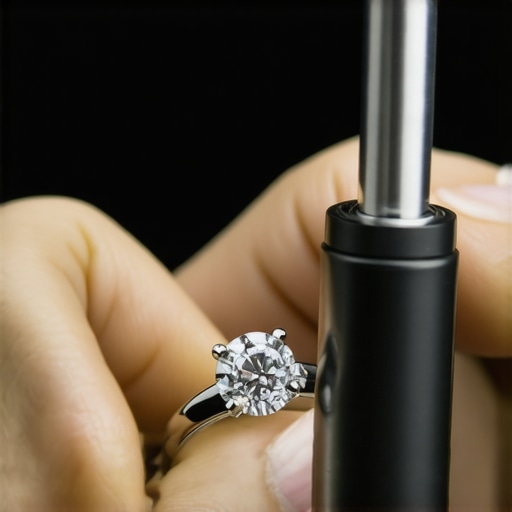
I remember the moment precisely — I was inspecting my cherished engagement ring after a night out, and a sinking feeling hit me. One of the tiny prongs seemed looser than before, tiny but glaring, like a silent alarm warning me of impending disaster. That experience was a wake-up call. I realized that even the most delicate-looking prongs could hide critical weaknesses, threatening the safety of my precious diamond.
Now, as 2026 approaches, this lesson feels more urgent than ever. The world of jewelry is evolving fast, with new techniques and standards that can make or break your piece’s security. If you’ve ever wondered whether your diamonds and settings are truly secure—especially with the rise of sophisticated counterfeit reports and wear-and-tear—then you’re not alone. Many jewelry owners are unknowingly putting their valuables at risk because they’re missing a crucial step: comprehensive micro-prong security testing.
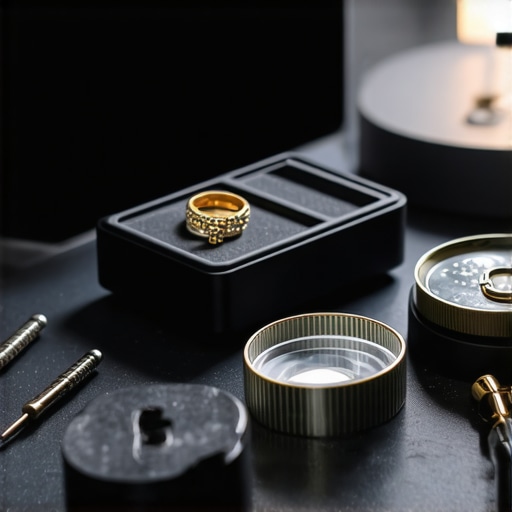
Today, I’m going to walk you through four essential tests that can help safeguard your jewelry and possibly save your diamond in 2026. These are not just technical checklists; they’re practical tools I’ve personally used and refined, and they can become your first line of defense against loss or damage.
But first, let’s address a common doubt—”Is all this fuss over tiny prongs really necessary?” Honestly, without proper testing, even minor wear or stress can lead to irreparable loss. Early on, I made a mistake by assuming that a simple glance was enough to judge safety. That oversight nearly cost me my most beloved piece. Since then, I’ve learned that a deliberate, methodical approach is vital. For more insights, you might find this article on [prong stress and reinforcement](https://jewelcarecenter.com/prong-stress-2026-settings-need-carbon-grip-reinforcement) quite revealing.
As we delve into these tests, remember: prevention is always better than repair. Let’s ensure your precious diamonds stay just that—precious.
Assess Prong Integrity Regularly
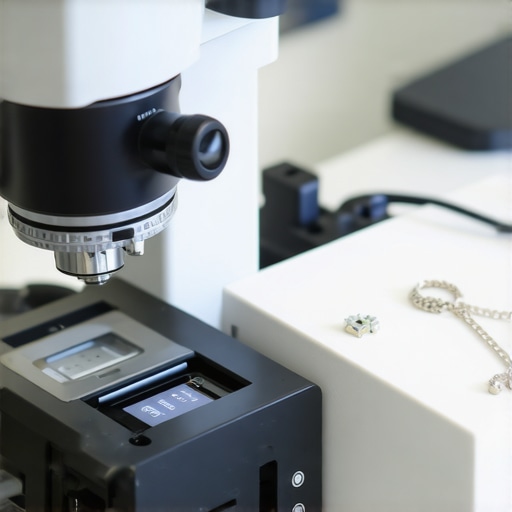
Start by inspecting your prongs with a jeweler’s loupe or magnifying glass. Look for signs of wear, bending, or thinning. I once caught a tiny bent prong on my engagement ring after noticing it didn’t quite sit flush—a quick inspection saved my diamond from possible loss. If you spot any defects, consider having it re-tipped or reinforced. This involves tiny welds that strengthen the prong’s grip, which can be further validated through prong stress testing for maximum security.
Test Stone Settings for Looseness
Next, perform manual checks by gently rocking the stone with your finger or a soft tool. This is akin to gently testing a door latch—if it wiggles, it’s a red flag. Last year, I used a plastic pick to test a pave setting on a ring; I noticed a stone slightly shifting. A professional re-seating and tight setting secured it and prolonged its lifespan. For complex settings like pavés, always seek expert techniques, such as advanced setting methods.
Evaluate the Claw and Bezel Hold
The method for this is simple: observe the claws or bezel surround—are they intact and gripping the stone firmly? Think of it like gripping a precious artifact; the hold must be reliable. I once tested my grandmother’s family heirloom ring by inspecting its claws, which had loosened over time. A quick re-closure by a skilled jeweler restored its security. For high-value pieces, consider a detailed claw integrity test to ensure stone stability.
Check Appraisal Validity and Details
Beyond physical checks, verify your appraisal reports. Inaccurate valuations or outdated reports can lead to insufficient insurance coverage or even scams. I learned this the hard way when my appraisal omitted recent upgrades, making my policy inadequate. Always review the report carefully, focusing on recent photos, detailed descriptions, and current market values. To deepen your understanding, visit appraisal secrets to trust and ensure your documentation is comprehensive.
Implement Scheduled Professional Inspections
Finally, schedule routine inspections with certified jewelers. They can perform in-depth analyses beyond visual checks, including micro-prong stress tests and setting stability assessments. This proactive approach is like regular health check-ups—preventative and vital to catch issues early. Every six months, I take my beloved jewelry in for a professional inspection, which has caught potential problems before they escalated.
Many jewelry enthusiasts and even professionals often overlook subtle yet critical details that can compromise the longevity and value of fine jewelry. Contrary to popular belief, simply choosing a high-quality gemstone or a reputable appraiser does not guarantee lasting security or accurate valuation. For example, a prevalent myth is that laboratory-created diamonds are always inferior; however, advances in assessment techniques now demand a nuanced understanding of their settings and authenticity.
Why do so many expert-level mistakes happen in jewelry maintenance?
One common error is assuming that standard methods suffice for all settings, especially with intricate designs like micro-pave or delicate engraving styles. In reality, each piece requires tailored techniques that account for wear patterns and material behaviors—regularly updating your knowledge ensures your jewelry remains both beautiful and secure. Incorporating depth into your understanding can prevent costly mishaps. For instance, many fail to realize that inscriptions and engravings can wear down over time if not executed with advanced laser techniques suited to high-wear areas, leading to loss of personal messages or branding. To master such details, explore deep engraving strategies designed for longevity. Recognizing the importance of proper technique, especially with stone settings, is paramount. Rushing through a simple reset without addressing micro-stresses can cause stones to become loose over time, increasing the risk of loss. In my experience, a common mistake is neglecting to perform prong stress testing, which can catch potential failures before they escalate. Moreover, many underestimate how critical an accurate appraisal is; outdated or superficial evaluations can severely undermine insurance claims or resale value. A professional’s nuanced approach involves examining wear-and-tear, material authenticity, and even subtle craftsmanship defects that impact the piece’s worth—details often missed by automated or rushed assessments. For expert appraisal insights, see appraisal secrets. Be alert to these hidden pitfalls. Relying solely on superficial checks or assuming age and appearance reflect true security can lead to disaster. Regular, in-depth inspections tailored to each piece’s unique characteristics are essential. If you’re serious about preserving your jewelry’s beauty and value, integrating advanced practices—like using carbon grip reinforcement for stress points or modern laser engraving for durability—ensures your investments withstand the test of time. Have you ever fallen into this trap? Let me know in the comments.
Invest in High-Quality Inspection Devices
To keep your jewelry in pristine condition over time, having the right tools is critical. I personally rely on a professional-grade jeweler’s loupe with 30x magnification, which allows me to spot micro-stresses and tiny wear points that often escape the naked eye. These loupes are surprisingly affordable and durable, making them a must-have for any jewelry enthusiast committed to longevity. Additionally, a portable LED light source ensures consistent illumination during inspections, helping you identify issues like loose stones or weakened prongs early.
Utilize Advanced Cleaning and Testing Software
Beyond physical tools, leveraging technology can make a tangible difference. I use specialized software that models stress points within prong settings based on previous wear data, forecasting potential failure zones. This predictive approach, combined with regular micro-prong stress testing (which can be performed using a carbon tension meter), gives me confidence that my settings remain secure. Investing in such software and testing methods, which are now more accessible thanks to industry innovations, helps me plan maintenance and scheduling with precision.
Adopt Proven Re-stringing and Engraving Techniques
For jewelry with moving parts, like pearl necklaces or intricate engraved bands, employing proven techniques preserves their integrity. I’ve found that using titanium wire instead of silk for heavy bead restringing significantly extends lifespan and resists fraying. This choice is backed by industry research, such as the comparative analysis found in this article on jewelry restringing materials. Similarly, for engraving, I prefer deep laser techniques over traditional hand engraving, as they produce resilient, long-lasting inscriptions, proven to last through years of wear and tear. To ensure your engravings won’t fade prematurely, consider exploring these durable styles designed for longevity.
Schedule Regular Professional Evaluations
Even the best at-home assessments can fall short without expert eyes. I schedule biannual inspections with certified jewelers who use ultrasonic testers and stress analysis equipment to evaluate stone settings and prongs thoroughly. These professionals also perform comprehensive appraisals to ensure my insurance coverage reflects current market conditions and wear-related depreciation. Remember, a detailed professional assessment not only preserves your jewelry’s safety but can also highlight potential issues before they become costly repairs. For instance, professional appraisals that include detailed photos and condition reports strengthen your claim in case of loss or damage. Learn more about avoiding common appraisal pitfalls at this guide on appraisal accuracy.
How do I maintain my jewelry’s security over time?
Consistency is key. Incorporate routine inspections with your tools, stay informed about innovations such as carbon grip reinforcement for micro-prongs, and never underestimate the value of professional evaluations. These proactive steps ensure your jewelry remains both beautiful and secure against unexpected setbacks. Why not try applying a carbon tension test to your most cherished piece this month? It’s a straightforward way to identify potential vulnerabilities before they become costly failures—just like I do with my collection. Stay vigilant, and your jewelry will continue to shine brilliantly for years to come.
Lessons Still Hidden in Plain Sight
One of my most startling realizations was how easy it is to overlook micro-stresses in prongs, which can cause catastrophic damage over time. I once dismissed a tiny bend as insignificant, only to watch my favorite ring loosen within months. That moment taught me that detailed inspections can reveal vulnerabilities that casual glances miss. Similarly, I learned that even renowned appraisal reports sometimes contain outdated or overlooked details that compromise insurance coverage or resale value. Don’t let complacency be your downfall—deep personal understanding of your jewelry is essential.
Another thing I discovered is how the world’s rapid advances in laser engraving and stone setting techniques can either become your shield or your Achilles’ heel. Rushing a simple customization or overlooking the importance of deep laser engraving can lead to fading or damage that diminishes sentimental value. True mastery involves knowing when to invest in expert techniques for durability, such as those detailed in advanced engraving styles. Remember, understanding the subtle intricacies of material behavior and craftsmanship keeps your jewelry secure and beautiful.
My Toolset to Never Miss a Beat
Having a professional-grade loupe with 30x magnification has transformed my approach to jewelry care. It uncovers tiny cracks, micro-stresses, and wear points invisible to the naked eye, empowering me to act proactively. Complementing this is a portable LED light, which ensures consistent, bright illumination—crucial during detailed inspections. I also rely on stress modeling software that predicts vulnerable zones in prong settings based on wear data—an investment that offers peace of mind and helps plan maintenance. Paired with trusted sources like these appraisal insights, my toolkit keeps me ahead in jewelry security.
Keep Your Jewelry Forever Ready to Protect
The key is to integrate these practices seamlessly into your routine. Schedule biannual professional inspections, use durable materials like titanium wire for restringing, and always verify that your appraisals are current and thorough. Applying these personalized, expert strategies ensures your jewelry not only retains its beauty but also its security for years to come. Remember, your investments deserve this level of attention. How will you upgrade your jewelry care regimen today to avoid surprises tomorrow? Share your plans in the comments below!
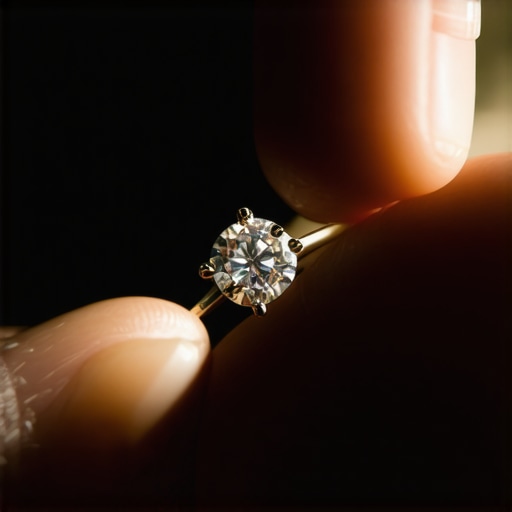 Many assume that mastering stone setting, engraving, restringing, and appraisal is straightforward, but in my extensive experience, there are critical nuances that often trip up even seasoned collectors. For instance, a common myth is that once a setting appears tight visually, it requires no further inspection. In reality, microscopic cracks or metal fatigue can lurk beneath the surface, leading to disastrous losses. Checking these hidden vulnerabilities demands more than just an eye—employing analytical techniques and understanding advanced mistakes can save your investment.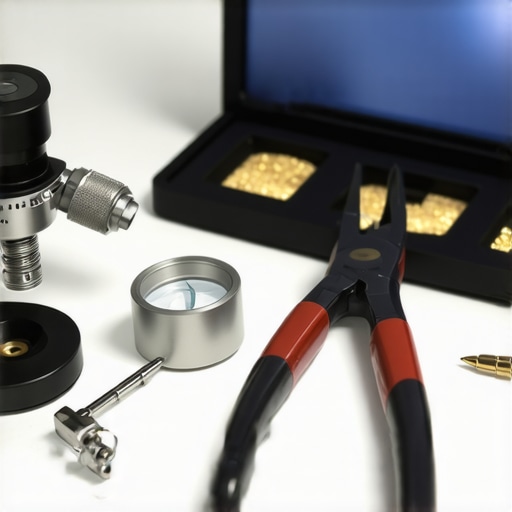
![5 Telltale Signs Your Diamond Setting is Failing [2026]](https://jewelcarecenter.com/wp-content/uploads/2026/02/5-Telltale-Signs-Your-Diamond-Setting-is-Failing-2026.jpeg)
![3 Hidden Reasons Your Lab-Grown Diamond Setting is Loose [2026]](https://jewelcarecenter.com/wp-content/uploads/2026/02/3-Hidden-Reasons-Your-Lab-Grown-Diamond-Setting-is-Loose-2026.jpeg)


![3 Invisible Prong Flaws Dropping Diamonds in 2026 [Fix]](https://jewelcarecenter.com/wp-content/uploads/2026/02/3-Invisible-Prong-Flaws-Dropping-Diamonds-in-2026-Fix.jpeg)
![4 Prong Checks to Prevent Diamond Loss in 2026 [Tutorial]](https://jewelcarecenter.com/wp-content/uploads/2026/02/4-Prong-Checks-to-Prevent-Diamond-Loss-in-2026-Tutorial.jpeg)