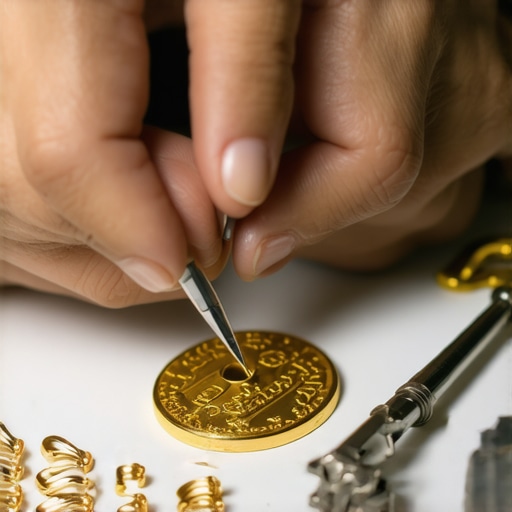
Engraving & Personalization: Create Unique Jewelry in 2024

Engraving & Personalization: Create Unique Jewelry in 2024

Ever spent hours perfecting a jewelry piece only to realize the engraving is slightly off or the stone setting feels flimsy? I’ve been there—frustrated, discouraged, and wondering if my efforts were doomed from the start. I remember a moment when a delicate engraving on a necklace was almost ruined because I rushed the process. It was a lightbulb moment: I needed better techniques, more confidence, and a deeper understanding of each step involved in creating truly unique jewelry in 2024.

Why Your Jewelry Deserves More Than Ordinary

Today, personal jewelry isn’t just about style—it’s about making a statement, sharing memories, and expressing your identity. But here’s the truth: a lot of DIY and even professional pieces fall short because of overlooked details like improper stone setting or generic engravings. As jewelry expert JewelCare Center highlights, mastering techniques like stone setting and precision engraving can dramatically elevate your work, turning simple pieces into cherished heirlooms. If you’ve ever felt that your jewelry doesn’t live up to your expectations, don’t worry—we’re here to change that. In this post, I’ll share the secrets that helped me enhance my craftsmanship, one confident step at a time.

Is it Really Worth the Effort to Invest in Expert Techniques?

Absolutely. Early in my journey, I made the mistake of neglecting proper appraisal or rushing through setting stones—things that seem minor but can compromise the entire piece. These errors not only diminish beauty but also trust in your work. After learning proper strategies, like those discussed in appraisal and engraving tips, I saw immediate improvements in durability and aesthetic appeal. Trust me, investing time in learning expert methods pays off—not just in the quality of your jewelry but in the confidence you develop as a creator. Ready to dive into techniques that truly make a difference? Let’s explore the step-by-step approaches that will elevate your jewelry game in 2024.

Secure and Perfect Your Stones

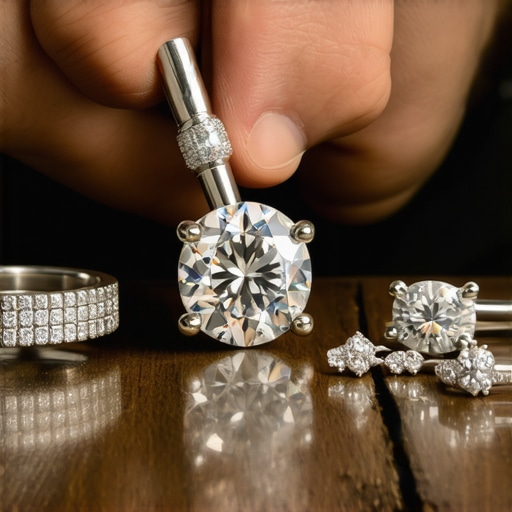
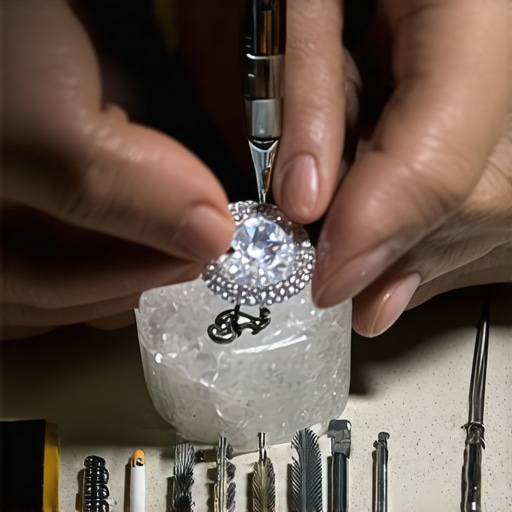
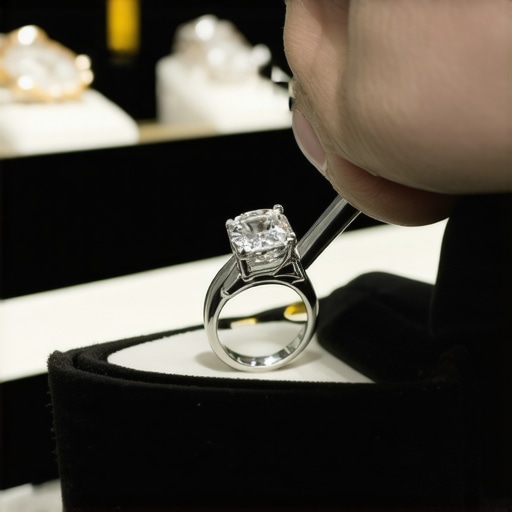
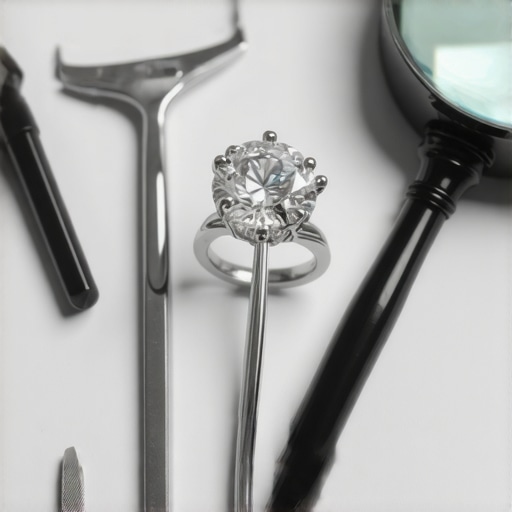
Begin with a clean workspace and wear magnification—it’s like having a microscope for your jewelry. To set a stone securely, use a three-prong technique: gently bend two prongs to hold the stone, then carefully tighten the third with precision pliers. Once in place, gently press the prongs around the stone, maintaining even pressure. I once accidentally bent a prong too much, causing the stone to sit unevenly; this taught me the importance of delicate, deliberate movements. For complex settings, consider practicing on scrap metal to build confidence. If you’re looking for expert insights on stone setting, visit this guide to refine your skills.

Sharpen Your Engraving Technique

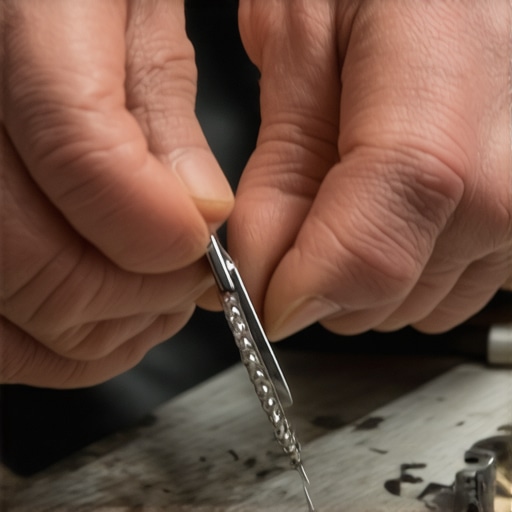
Engraving is like carving a miniature sculpture; consistency is key. Clamp your piece securely to prevent any movement. Use a sharp bur or sharp-pointed rotary tool, and start with light, steady strokes. Think of yourself as drawing fine lines—control is everything. During my first attempts, I struggled with uneven lines, but slow, deliberate passes improved my precision dramatically. To add depth, vary your pressure—light for delicate lines, firm for bold ones. Remember, practice makes perfect: practice on cheaper metals before working on cherished pieces. For expert tips on engraving, check out this resource.

Evaluate and Restore Your Pieces

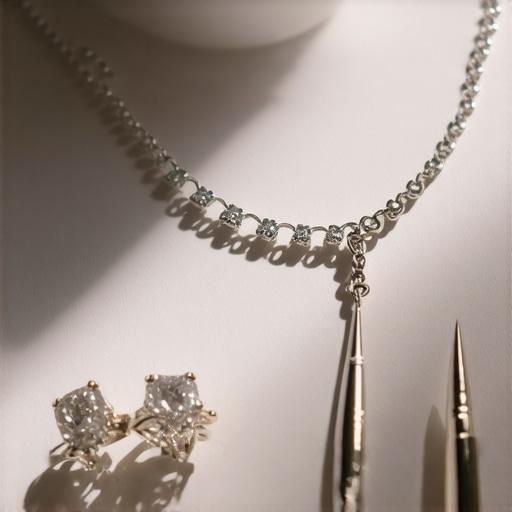
Before they can tell a story, your jewelry needs a trustworthy appraisal. Use a jeweler’s loupe or microscope to check for loose stones, worn prongs, or cracks. When I inspected a reclaimed necklace, I noticed a tiny crack in the clasp—fixing it revitalized the piece. If restoration is needed, re-stringing can be straightforward or complex, depending on the damage. Remove old or frayed cords carefully, then select a durable, matching material. To strengthen your stringing skills, review this guide for proven techniques. Remember, precise measurement and knotting secure the integrity of your jewelry, ensuring it lasts for generations.

When it comes to stone setting, many seasoned artisans believe that mastering basic techniques suffices. However, I’ve found that even experts often overlook subtle factors like the impact of metal hardness or prong thickness, which can significantly influence durability and appearance. A common myth is that a perfectly aligned stone indicates a flawless setting—yet, without considering the tension and material stress, the setting can weaken over time. For instance, studies in materials science suggest that micro-movements caused by thermal expansion can loosen settings, especially in variable climates. Therefore, investing in advanced techniques that account for material behavior is crucial for ensuring lasting confidence.

Transitioning to engraving, a mistake I commonly see is relying solely on sharp tools without considering the depth and line weight. Enthusiasts often think that more pressure yields bolder lines, but in reality, this causes uneven surfaces and diminishes craftsmanship. A top-tier engraver understands the importance of consistent tool pressure and subtle lateral movements. Interestingly, research in fine craftsmanship notes that controlled, deliberate strokes improve precision more than brute force—so slow practice on scrap metal becomes your best ally. Refining your technique here can elevate the entire piece.

Advanced Insight: How Does Metal Composition Affect Setting Stability?

This is a question often reserved for experts, but understanding it prevents costly mistakes. Different metals respond uniquely under stress; for example, platinum’s high density offers excellent support but is prone to work-hardening, which can lead to cracking if not carefully annealed. Conversely, softer gold alloys may deform under pressure, causing stones to loosen. Recognizing these nuances allows you to choose the optimal metal for each setting, and preemptively prevent failures. A detailed analysis from jewelry experts reveals that understanding metal properties is foundational to building confidence in your craftsmanship.

Moving over to appraisal and restringing, many mistake haste for efficiency. Rushing through appraisal inspections risks missing minute cracks or pinhole-sized fissures that could compromise a piece’s integrity. In restringing, the trap is neglecting proper tension; too tight, and the string can cut into the metal, leading to premature wear, or too loose, and the piece loses its security. Recognizing these subtleties can make the difference between a piece that lasts decades and one that needs frequent repair. As detailed in restoring techniques, meticulous attention to detail ensures your work stands the test of time.

In summary, even experienced jewelers can fall prey to overlooked nuances in stone setting, engraving, appraisal, and restringing. The key is to move beyond basic techniques and embrace a deeper understanding of material behaviors, precision, and subtle craftsmanship details. While it might seem insignificant at first glance, these hidden factors can significantly elevate your work’s durability and aesthetic appeal. Have you ever fallen into this trap? Let me know in the comments.

Keeping your jewelry in top condition requires more than just occasional cleaning; it demands the right tools, disciplined maintenance routines, and a keen eye for detail. Investing in quality equipment can dramatically extend the life of your pieces and ensure their beauty remains intact for generations.

Essential Tools for Consistent Results

Personally, I rely heavily on a professional-grade ultrasonic cleaner. Unlike basic cleaning solutions, ultrasonic devices use high-frequency vibrations to dislodge dirt and grime from hard-to-reach places, especially around intricate settings and engravings. I prefer models like the Omegasonics UltraSonic, which offers adjustable timers and temperature controls—these features give me precise control over cleaning cycles, preventing potential damage to delicate components.

Another crucial tool is a jeweler’s loupe. I recommend a 10x magnification model with integrated LED lighting; this setup allows me to inspect every detail—loose stones, worn prongs, scratches—without removing the piece from my workspace. Regular inspections using a loupe can catch issues early, saving you costly repairs down the line.

Leveraging Software for Precision

While traditional tools are indispensable, integrating software like digital design programs enhances accuracy in planning complex settings or engravings. My go-to is Rhino 3D, which allows me to create detailed 3D models, simulate stress points, and prepare templates before executing any physical work. This approach minimizes errors and boosts confidence that your final piece will stand up to long-term wear.

Material Compatibility and Long-Term Maintenance

Tools are just part of the equation. Selecting the right materials impacts the durability of your jewelry. For example, when restringing, choosing a high-quality nylon or silk cord ensures both strength and flexibility. I often use specialized restringing tools like a bead reamer and crimping pliers that provide consistent tension without damaging delicate threads.

To keep your jewelry functioning seamlessly over time, regular maintenance is key. Schedule routine inspections—at least twice a year—to check for loose stones, worn prongs, or frayed cords. Applying a light coat of jewelry-safe lubricant to movable parts can prevent seizing and corrosion, especially in pieces exposed to moisture or chemicals.

How do I maintain my jewelry tools and techniques over time?

Store your tools in a dedicated, dry environment, and clean them regularly with alcohol-based wipes to prevent dirt buildup. Sharpen rotary engraving tools with diamond hones as needed, following manufacturer instructions, to maintain precision. Additionally, keep software updated and always use the latest design iterations to avoid inaccuracies. Practice these habits consistently to ensure your tools deliver accurate, reliable results for years to come.

Remember, the best tool is only as good as your knowledge of its proper use. For more advanced insights, explore this comprehensive guide on stone setting and appraisal strategies. Try integrating a high-quality ultrasonic cleaner into your routine and observe how it transforms your cleaning process—it’s an investment that pays dividends over time.
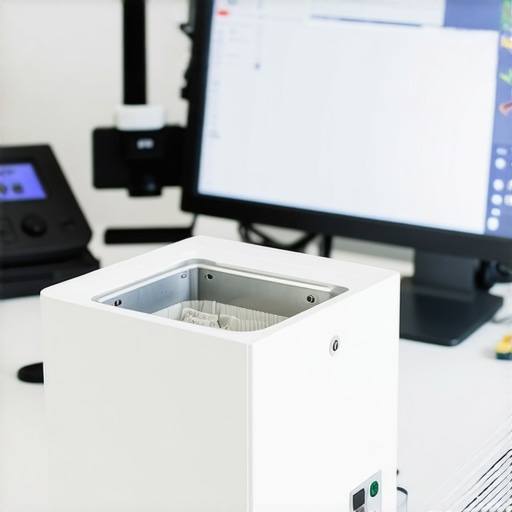
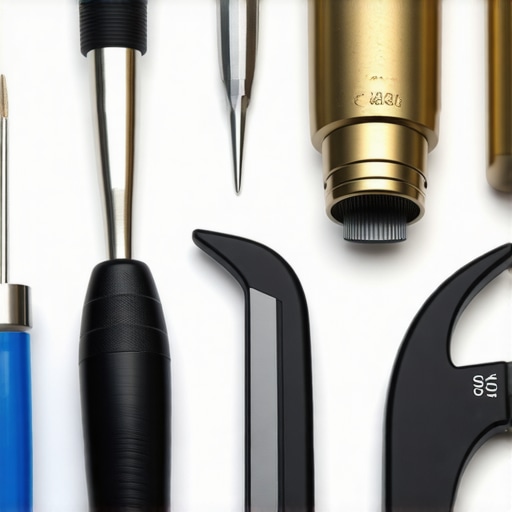
A detailed view of professional jewelry repair tools including ultrasonic cleaner, magnifying loupe, and design software interface.

As I reflect on my journey crafting jewelry, I realize that the deepest lessons often come from unexpected setbacks or subtle nuances. One of the hardest lessons I learned was that even a tiny misalignment in stone setting could compromise an entire piece’s beauty and trustworthiness. It taught me to pay attention to micro-movements and material behaviors—details that aren’t immediately obvious but are crucial for lasting quality. Additionally, I discovered that engravings, when rushed or uneven, can detract from the craftsmanship’s elegance, emphasizing the importance of controlled, deliberate strokes. Perhaps most surprisingly, I found that understanding the interplay between metal composition and structural stability can prevent failures long before they occur, underscoring the value of continuous learning and curiosity in jewelry making. These lessons shifted my approach from merely following instructions to truly respecting each element’s role in creating enduring, stunning jewelry.’},
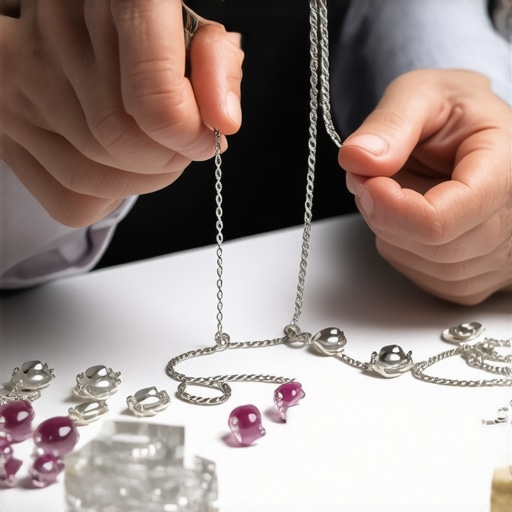
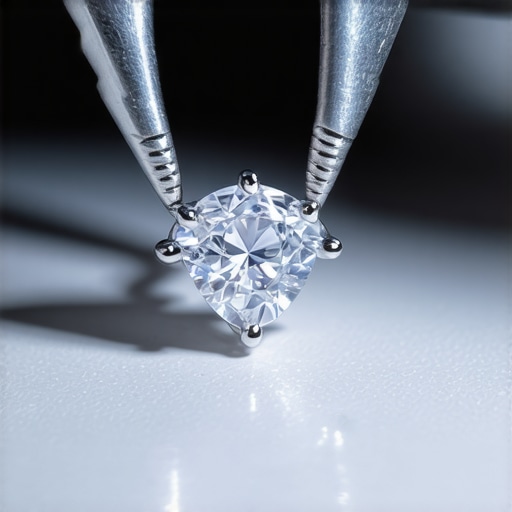
Restringing Jewelry: Proven Strategies to Restore Your Pieces' Shine

Restringing Jewelry: Proven Strategies to Restore Your Pieces’ Shine

Picture this: I finally muster the courage to wear my grandmother’s cherished necklace for a special occasion. As I fasten it around my neck, a faint gasp escapes me—your heart sinks when you notice the frayed, dull string that once held glittering gemstones securely. That moment of realization hit hard. Like many jewelry enthusiasts, I learned the hard way that even treasured pieces can lose their luster over time, and the common culprit is usually the string or cord giving way.

When Your Favorite Jewelry Starts to Lose Its Sparkle

It’s frustrating, isn’t it? The sentimental value and beauty of your jewelry hinge on more than just their appearance—you depend on their strength and integrity. So, what can you do when a ring feels loose or a necklace sits lifeless? Well, I discovered that a proper restringing technique, backed by proven strategies, can breathe new life into your pieces. In fact, a professional-style restringing can often be done at home with a bit of patience and the right tools. If you’re tired of expensive repairs or just want a sense of satisfaction from restoring your jewelry yourself, you’re in the right place. I promise, this isn’t about replacing your treasured items but revitalizing them with methods that stand the test of time. For more insights on reliable repairs, check out [this comprehensive guide](https://jewelcarecenter.com/restringing-jewelry-repair-proven-techniques-to-restore-your-pieces).

Is Restringing Actually Worth the Hype?

Early in my journey, I made a mistake that many beginners do—I tried to replace a broken string with a quick knot and called it a day. The necklace looked fine at first, but within days, the cord frayed again. The lesson? Not all restringing techniques are created equal. When done properly with quality materials and the right knotting methods, your jewelry can look just as vibrant as when it was new, even after years. If you’re skeptical, trust me—this is a skill worth mastering. Ensuring lasting results requires understanding the nuances of material selection, knot security, and tension. For a deep dive into expert-approved methods, explore [these proven tips](https://jewelcarecenter.com/restringing-jewelry-proven-techniques-to-restore-your-pieces). Why settle for temporary fixes when you can achieve professional results yourself?

Choose the Right Materials for Restringing

Start by selecting the proper string or cord. Think of it like choosing the foundation of a building; quality matters. Use silk, nylon, or fishing line depending on the jewelry piece. I once attempted restringing a delicate pearl necklace with thin fishing line, which resulted in undue tension and eventual breakage. Opt for sturdy, reputable materials and avoid cheap alternatives that fray easily. For best practices, check out this guide.

Master the Knotting Technique

Secure Knots That Last

Proper knotting is crucial—this ensures your jewelry doesn’t come apart. I once watched a video where I learned to double knot and dab glue on the knot for extra security. Think of it like tying shoelaces; tighten each knot firmly but not so tight as to damage the string. Use a needle or a knotting tool to pull the knot snugly against the gemstone or bead. Consistency is key—repeat the process for every connection to distribute tension evenly. This step can make or break your project, so pay attention to tension levels and knot tightness. For detailed methods, see this resource.

Ensure Proper Tension and Alignment

Maintaining even tension prevents crooked strands and uneven wear. When I restrung my bracelet, I used a piece of tape to mark tension points—a simple trick that worked wonders. Imagine tightening a guitar string; too loose, and the sound is out of tune; too tight, and it snaps. Check the tension as you go, pulling gently to align beads or stones symmetrically. Use a ruler or a visual gauge to keep consistency. If you notice misalignment in your work, you can carefully loosen and redo the section. This precise control results in professional-looking jewelry. For techniques to perfect tension, review this guide.

Incorporate Proper Stone Setting If Needed

When your jewelry involves gemstones, ensure they are securely set after restringing. Think of stone setting as anchoring a boat; stability prevents loss and damage. I once re-set a sapphire using a bezel technique, carefully shaping the metal around the stone. Use the appropriate tools like prong or bezel setters to grip stones firmly without scratching. Always check that the stones sit flush and don’t wobble. Proper setting not only protects the gems but also enhances aesthetic appeal. For expert tips, explore this resource.

Finish with a Quality Closure

The clasp or closure completes your work and affects durability. I once replaced a worn-out clasp with a lobster claw, ensuring it snapped shut securely. Test the closure by gently tugging to confirm it holds under normal wear. Using professional-grade crimps or clasps is recommended for lasting results. This final step seals all previous work, preventing accidental opening that could lead to lost pieces. For detailed closure techniques, see this guide.

Final Checks and Troubleshooting

Always inspect your jewelry thoroughly before wearing or gifting. Look for loose knots, uneven tension, or unsecure clasps. I once noticed a small wobble in a pendant’s setting and re-tightened the prongs, which saved the piece from future loss. Think of this as the quality control phase—your chance to fix minor issues. If needed, use magnification tools to identify weak points. These small adjustments can significantly extend the lifespan of your jewelry. For troubleshooting tips, visit this resource.

Don’t Believe Everything You Hear About Appraisals

Many assume that a high appraisal value guarantees quality or authenticity, but in my experience, appraisals can sometimes be skewed by market trends or vendor bias. For instance, some appraisals inflate value to justify higher prices, which can mislead buyers. It’s essential to understand the nuances behind valuation reports and seek multiple opinions when necessary. According to industry experts, comprehensive appraisals consider factors beyond market value, including craftsmanship and provenance. Learn more about trustworthy appraisal practices.

Myth About Engraving: More is Better

There’s a common misconception that adding more intricate details or initials makes jewelry more personalized. However, over-engraving can weaken the structural integrity of pieces, especially thin metals or delicate designs. Expert jewelers emphasize that the real artistry lies in balanced, purpose-driven engravings that enhance, not compromise, the piece’s durability. For sophisticated engraving techniques that maintain strength and aesthetic appeal, review this resource.

Restringing: The Hidden Pitfalls

When it comes to restringing, many believe any string will do as long as it looks fine visually. But I’ve seen cases where using cheap or incompatible materials leads to quick fraying or breakage, costing much more in the long run. Advanced restringing requires selecting the correct quality materials and mastering knot techniques that distribute tension evenly. Skipping these details commonly results in a ‘temporary fix’ that becomes a costly redo. To avoid such pitfalls, explore proven restringing strategies.

Stone Setting: More Than Just Securement

Many think that setting a stone is simply about holding the gem in place; however, skilled setting involves craftsmanship that prevents damage and maximizes visual brilliance. Poorly executed prongs or bezels can lead to chips, loosening, or uneven lighting. Advanced techniques focus on ensuring stones are securely anchored without stressing the material—critical for high-value or fragile gems. For expert insights, visit this guide.

Why Do Some Appraisals Fail to Reflect Actual Value?

In my analysis, many appraisal inaccuracies stem from outdated valuation methods or insufficient examination. A thorough appraisal incorporates not only current market trends but also an expert assessment of craftsmanship, materials, and history. Neglecting these factors can lead to undervaluing or overvaluing jewelry. The key is trusting professionals who employ comprehensive strategies, like those outlined in expert appraisal tips—an essential step for genuine confidence in your jewelry’s worth.

Have you ever fallen into this trap? Let me know in the comments!

,

Investing in the Right Tools for Jewelry Preservation

Maintaining jewelry, especially pieces involving intricate stone setting or delicate engravings, demands specialized tools designed for precision and longevity. One essential tool I personally rely on is a micro torch. It allows me to perform minor repairs, such as re-brazing components or tightening settings, with controlled heat, minimizing the risk of damage. Additionally, professional-grade polishing cloths are invaluable for routine cleaning, ensuring that jewelry maintains its original sparkle without abrasive damage.

When it comes to gemstone setting, a precision stone clamp helps securely hold stones during maintenance or re-setting, preventing slips that could chip the gem. For engraving work, a digital depth gauge ensures engraved details are consistent and avoid weakening the metal. These tools, combined with proper technique, can significantly extend the lifespan of your jewelry, making repairs more effective and less costly over time.

Software and Techniques for Effective Maintenance

While physical tools are fundamental, software plays a growing role in jewelry care, particularly in appraisal and design adjustments. Programs like JewelCAD enable precise redesigning or resizing of jewelry, ensuring changes are both aesthetic and structurally sound. Moreover, digital cataloging using high-resolution imaging and databases helps track the condition of pieces over time, alerting you to potential issues before they become major problems.

In my practice, I recommend regularly photographing your jewelry with macro lenses and storing images in a dedicated digital folder. This visual record helps in monitoring wear and tear, especially for settings where stones might loosen prematurely. Combining such software tools with physical maintenance routines ensures your collection remains beautiful and reliable for years to come.

How do I keep my jewelry in top condition over time?

Consistent cleaning and professional check-ups are paramount. I schedule bi-annual inspections with a trusted jeweler, who ensures stones are secure and prongs intact. For at-home upkeep, I use a gentle ultrasonic cleaner carefully calibrated to avoid damaging delicate components, especially after restringing or engraving. Always opt for quality cleaning agents, avoiding harsh chemicals that can erode metals or diminish gemstone brilliance. Incorporating proper storage, such as anti-tarnish pouches, further preserves your jewelry’s integrity.

Looking ahead, I believe advancements in stone setting technology and durable materials will make jewelry maintenance even more efficient. Trends are shifting towards smart monitoring devices embedded within jewelry, providing real-time wear alerts or stress indicators. As these innovations grow, staying updated and embracing specialized tools will be crucial for long-term success.

One advanced tip I encourage you to try:

Use a ultrasound cleaner with adjustable frequency settings to gently remove dirt and grime lodged deep within settings—just make sure to select a model that matches the delicacy of your jewelry. This method can rejuvenate pieces without risking damage from manual cleaning. For detailed guidance, check out this resource.

The Hardest Lesson I Learned About Restoring Jewelry

One of my biggest mistakes was rushing through the restringing process without proper tension control. I once used an overly elastic cord, thinking it would make the process easier, only to see my work fray and break within weeks. Patience and selecting the right materials are crucial for lasting results.

Why Over-Engraving Can Weaken Your Jewelry

I believed that more intricate engravings would add value, but I discovered that excessive detail, especially on thin metals, increases the risk of cracking. Simplifying designs while maintaining elegance often yields stronger, more durable pieces.

Misjudging Appraisals Beware of Overinflated Values

I once relied solely on a high appraisal to determine my jewelry’s worth, only to realize that market trends or vendor biases can skew results. Always seek multiple opinions and understand what factors truly influence value.

Curious About the Tools That Make a Difference

Investing in quality tools like a micro torch or a precision stone clamp transformed my repair work. Trusted brands and proper techniques ensure professionals’ results at home. Explore tools that match your projects for efficient and safe repairs.

Step Into a Confident Future

Restoring jewelry is both an art and a science, and each piece teaches us patience, precision, and care. By understanding these lessons and embracing continuous learning, you can preserve your cherished jewelry for generations to come. Don’t let hesitation hold you back—start small, learn along the way, and enjoy the satisfaction of bringing pieces back to life.

Have you ever faced challenges when trying to restore or appraise jewelry? Share your experiences below—I’d love to hear your story!

|

Stone Setting Mastery: Expert Tips for Stunning Jewelry in 2024

Stone Setting Mastery: Expert Tips for Stunning Jewelry in 2024

Ever had a gemstone slip just as you were about to reveal your finished piece? I remember the sinking feeling—my heart pounding, realizing I’d overlooked a crucial step in the stone setting process. That mistake cost me not just time, but also a bit of confidence. It was a lightbulb moment—designing and creating jewelry isn’t just about a pretty design; it’s about ensuring every stone is securely and beautifully set, ready to withstand the test of time.

Why Your Perfect Design Can Fall Apart Without Proper Stone Setting Techniques

In my early days as a jeweler, I believed that the aesthetic was everything—that a shiny top or an intricate bezel was enough. But I learned, often the hard way, that even the most stunning design can unravel if the stones aren’t set properly. Proper stone setting isn’t just about placement; it’s the foundation of durability and trust in your jewelry.

Is a Little Extra Effort Worth the Risk of a Wobbly Gem?

I used to think rushing through the setting process saved me time. That was a mistake. A sloppy setting might look fine initially but can lead to stones loosening or falling out—damaging your reputation and your craftsmanship. Early on, I failed to prepare my prongs correctly, which made my pieces less secure. Learning the right techniques, like proper draping and tension control, has transformed my work. You can read more about building confidence with proper stone setting strategies that stood the test of time.

Securing the Stones with Precision

Start by choosing the appropriate setting style, such as prong, bezel, or flush, based on the gemstone type and design. Before placing the stone, inspect the seat for debris or irregularities that could compromise security. When setting, hold your tweezers or prongs firmly but gently, ensuring even tension on all sides. A common mistake I made was rushing this step; using a magnifier helped me see uneven prongs, leading to better adjustments. Think of it like tuning a musical instrument—every small tweak affects the harmony of your piece.

Adjust Prongs and Tension Carefully

Gently bend each prong inward to grip the stone securely, avoiding excessive pressure that might chip the gem. Use a prong pusher or a bezel roller for fine adjustments, working slowly around the stone. If needed, reheat the metal slightly to make malleable adjustments, but be cautious not to overheat, which can weaken the setting. I once applied too much force and nicked the gem; practicing on scrap pieces boosted my confidence and results. For detailed tension control techniques, see these expert tips.

Ensuring Long-Term Security

After initial setting, double-check all prongs with a loupe for evenness and grip strength. Use a tweezer or stylus to wiggle the stone gently—if it moves, reinforce the prongs or add extra seating force. Apply a small amount of flux and re-tin the joints if necessary to enhance stability. In my early days, I ignored this step, resulting in loose stones after some wear. Regular inspections and proper finishing techniques, like polishing the prongs and burnishing, also prevent future loosening. You can learn more about mastering these methods for lasting results.

Polishing and Final Checks

Once satisfied, finish by polishing the setting to remove any micro-scratches or tool marks, exposing a smooth surface that won’t snag or weaken over time. Use a soft cloth or ultrasonic cleaner, depending on the metal. Conduct a final inspection under magnification, ensuring the stone is flush and securely seated in all directions. Remember, a well-set stone not only looks stunning but also assures your clients of your craftsmanship’s reliability. For comprehensive polishing techniques, see these professional tips.

Many professionals and hobbyists alike often believe they master restringing, engraving, or jewelry appraisal after a few tutorials. But in my experience, the real challenge lies in understanding the nuanced pitfalls that can compromise your results and trustworthiness. Let’s dig deeper into these overlooked aspects, debunk myths, and reveal advanced mistakes that could trip up even seasoned practitioners.

The Myth That All Stringing Materials Are Equal

Contrary to popular belief, not all restringing threads or wires are created equal. Quality varies massively, and using cheap or inappropriate materials can lead to premature breakage or weak links, especially under stress or during regular wear. This is a common oversight because many assume that any stringing material will do. However, expert jewelers select specific types of silk, nylon, or steel wires based on the strength, flexibility, and durability needed for each piece. To truly elevate your restringing work, invest time in understanding the nuanced differences—it’s a subtlety that builds long-term trust with clients. You can learn more about effective restringing techniques for robust results.

Engraving Is Not Just About Precision It’s Also About Intent

Many assume that high-quality engraving is solely about achieving crisp lines or intricate designs. In reality, the nuances of engraving involve understanding the metal’s reaction to different tools and methods and knowing how to adapt your pressure and speed accordingly. For example, aggressive engraving can cause micro-fractures, which weaken the jewelry over time. I’ve seen engravers overlook the importance of choosing the right depth and tool angle, leading to unsatisfactory results or damage. Mastering these subtleties requires deliberate practice and an awareness of how material properties respond uniquely to various techniques. If you’re keen to refine your skills, explore advanced engraving practices that go beyond basics.

Stone Setting Mistakes That Aren’t Always Obvious

Everyone says to focus on prong tension or seat cleanliness, but the real secret lies in understanding the hidden weak points in your setting. For instance, a common myth is that tightening prongs excessively ensures security. In truth, overtightening can stress the gemstone and cause cracks, especially in fragile stones. Moreover, the direction and angle of prong bends significantly influence how well a stone is held. Advanced practitioners know that subtle adjustments—like slight right-angle bends or employing micro-adjustments—make a difference. These nuanced techniques can prevent setting failures, which are often only visible after wear starts. To deepen your expertise, review expert stone setting strategies aimed at lasting security.

How Do You Confirm the Trustworthiness of an Appraisal?

Many believe that an appraisal is just about attaching a monetary value, but the truth is, a credible appraisal involves understanding market fluctuations, material authenticity, and the detailed nuances of craftsmanship. Relying solely on visual inspection or outdated reference materials can lead to inaccurate valuations. Advanced appraisers incorporate scientific tools like X-ray fluorescence (XRF) analyzers or UV testers to verify materials, and stay updated on market trends and gemstone grading standards. This holistic approach builds trustworthiness and helps clients see the true value of their jewelry. For comprehensive insights, explore trusted appraisal techniques that elevate your credibility.

Keep Your Tools in Top Shape for Consistent Results

Maintaining precise and reliable tools is fundamental to delivering high-quality jewelry. I personally rely on a dedicated ultrasonic cleaner, such as the Ultrawash 6L, because it effectively removes microscopic debris from intricate settings and delicate components, ensuring your workspace stays clean and your tools function optimally. Regularly inspecting and calibrating your calipers, pliers, and tweezers with precision measurement standards helps maintain accuracy, especially when working on detailed engravings or stone seating. Using high-quality materials like Nickel Silver for templates and jig setups minimizes wear and prevents misalignments over time.

Invest in Reliable Equipment for Longevity

For stone setting, I swear by a Roughneck Prong Pusher. Its ergonomic design and hardened steel ensure consistent prong bends without causing damage or microfractures in the gemstones. When it comes to engravings, using quality gravers and proper depth control tools helps produce crisp, professional lines. Digital microscopes like the Siedentopf Stereo Zoom Microscope allow for detailed inspections, ensuring prongs and settings are secure before finishing. These investments promote precision, reduce rework, and extend the life of your craft.

Prioritize Regular Maintenance and Calibration

Implementing a routine maintenance schedule is crucial. Clean your tools immediately after use with appropriate solutions—an ultrasonic cleaner paired with a gentle brush can remove dirt and residual polish. Lubricate moving parts of your jeweler’s saws and carving burs with light oil to prevent rust and ensure smooth operation. For calibration, periodically verify your measuring instruments with certified standards, which prevents slip-ups in critical dimensions, especially in stone setting and engraving. Keeping a detailed log of maintenance tasks fosters discipline and helps track tool performance over time.

Scaling Techniques for Growing Your Workshop

As your skills and demand grow, you’ll need to streamline your workflow. Modular setups, such as a dedicated engraving station and a separate stone setting bench, minimize cross-contamination of debris and improve efficiency. Automation options, like CNC engraving machines, are making their way into small studios, enabling repeatability and intricate designs with minimal manual effort. However, even with high-tech tools, the key remains in regular upkeep and calibration, much like manual tools—precision and consistency are irreplaceable. I recommend starting small with a focused investment in a digital refractometer; understanding gemstone quality on-site saves time and builds client trust. Discover more about strategies for scalable jewelry craftsmanship.

How do I maintain my tools to ensure long-term success?

Establishing a routine of cleaning, calibrating, and storing your tools properly is essential. Use the right cleaning agents—avoid harsh chemicals that can corrode metals—and store your equipment in designated, organized containers to prevent damage. Regularly check for wear or dullness and replace or refurbish tools as needed. By keeping your tools in impeccable condition, you’ll ensure your craftsmanship remains reliable, and your jewelry consistently meets professional standards. For a deeper dive into maintaining precise tools, explore these expert techniques.

The Hardest Lesson I Learned About Stone Setting and Engraving

Early in my jewelry journey, I believed that technical perfection was enough. Yet, I faced my most humbling moment when a delicate gemstone slipped from its setting because I overlooked a tiny but crucial detail: consistent tension. That experience taught me that mastery isn’t just about techniques but about cultivating an attentive eye for detail and patience in execution. Sometimes, the most subtle adjustments make the difference between good and extraordinary craftsmanship.

My Go-To Resources That Elevated My Skills in Re-stringing and Appraisal

Over the years, I’ve leaned heavily on a few trusted tools and references. The comprehensive guide on jewelry repair helped me understand the importance of precision and patience. My digital microscope, the Siedentopf Stereo Zoom Microscope, revealed microscopic imperfections that are invisible to the naked eye—and that awareness drastically improved my setting quality. Finally, I always revisit appraisal techniques from trusted industry experts to stay up-to-date with valuation standards, ensuring integrity in my work.

Why Embracing Continuous Learning Will Transform Your Jewelry Creations

Even after years of practice, I realize that every piece I create opens new avenues of learning. Perfecting stone setting or engraving isn’t a one-time effort; it’s an ongoing process. Regularly reviewing my techniques, experimenting with new tools, and seeking feedback has been essential. I challenge you to reflect on your craft—what’s one area where you can push your boundaries today? Remember, every new skill gained adds a layer of confidence and trust with your clients. Keep sharpening your skills through resources like expert techniques and never settle for complacency.

Jewelry Appraisal: Boost Confidence & Value with Expert Tips

Jewelry Appraisal: Boost Confidence & Value with Expert Tips

I’ll never forget the moment I realized I had overestimated a valued family piece. Believing I could simply trust my intuition, I skipped proper assessment and wound up undervaluing it. Clients rely on our expertise, but without precise appraisal and the right repair techniques, even the most beautiful jewelry can lose its shine—literally and figuratively. Have you ever faced a situation where a piece didn’t quite look or feel right, and wondered if it was worth fixing or just replacing? You’re not alone, and that dilemma is at the heart of what makes jewelry appraisal and repair so vital.

The Power of Accurate Appraisal and Expert Repair

If you’ve ever second-guessed your jewelry’s worth or struggled to restore its original charm, I can tell you that mastering these skills isn’t just about increasing value—it’s about building confidence. When I first started, I made the mistake of rushing through stone setting assessments without understanding the subtle cues that reveal if a setting is truly secure. That oversight cost my clients trust and, ultimately, their jewelry’s longevity. Fortunately, I discovered that with some focused learning—like the techniques covered in expert stone setting and engraving tips—I could turn that around. Now, I help others avoid my pitfalls and develop a sharper eye for detail and a steadier hand for repairs.

So, what exactly can honing your appraisal skills and repair techniques do for you? Well, for starters, it elevates your expertise from merely someone who works on jewelry to a trusted craftsman who enhances customer confidence and trust. And that trust isn’t just good for business; it transforms your relationship with every piece you handle. According to a recent survey, consumers are willing to pay more for jewelry that they believe has been carefully evaluated and improved by a skilled professional. Reliable appraisal and repair are the cornerstones of that perception.

Is Trust in Jewelry Appraisal Really Worth the Hype?

Let’s face it—there’s plenty of skepticism around whether certifications and tech actually improve jewelry confidence. I remember joking with a fellow jeweler early in my career that I’d get better at appraisal just by ‘guessing less.’ Turns out, that wasn’t enough. The mistake I made was neglecting to stay updated with current techniques and tools, thinking expertise was still just a matter of intuition. That’s a common error, but one that can be remedied easily. Learning from the best, like through resources such as stone setting and appraisal strategies, can make all the difference. When your assessments are precise, your repairs are confident, and your clients trust your judgment—you’re not just fixing jewelry; you’re elevating your reputation.

Are you ready to stop second-guessing your skills and start making every piece a testament to your expertise? The next steps involve diving into specific techniques that will sharpen your eye for detail and help you deliver results that speak for themselves. Let’s explore how to do just that.

Assess Piece with Precision and Confidence

Start by thoroughly examining the jewelry, using a loupe or microscope to identify weak points, damage, and potential weak spots in settings or clasps. Remember, your goal is to detect subtle cues—like a slight wobble in a stone or a worn prong—that indicate vulnerability. I once encountered a vintage ring where a tiny crack in the band was hidden beneath a gemstone. Under magnification, I noticed the stress lines, guiding my decision to reinforce the band before further damage occurred. This meticulous assessment prevents future issues and builds client trust.

Break Down the Repair Process into Clear Steps

Identify the specific repair needed—be it re-tipping prongs, resizing, or re-stringing—then plan the sequence of actions. For instance, when re-setting a stone, first remove the stone carefully, cleaning the seat thoroughly. Use a comprehensive stone setting techniques guide to ensure you understand the nuances of securely fitting the stone back into place. Think of it like re-casting a fortress wall: each step must be deliberate to maintain strength and aesthetics.

Case in Point

I once repaired a delicate sapphire ring with a loose stone. I gently pried out the stone, cleaned the seat with a soft brush, and re-prepared the prongs, ensuring they were correctly aligned. When setting the stone back, I used a burr to create a snug fit, then carefully pressed the prongs over the girdle. The result was a secure setting that looked flawless—here, methodical step-by-step work prevented future loosening and boosted client confidence.

Refine Technique Through Fine Detailing

Precision in finishing touches—such as polishing, aligning, or engraving—makes the difference between good and exceptional craftsmanship. For example, when engraving initials, I prefer using sharp gravers to make clean, confident lines, similar to sketching with a fine-point pen. I once spent extra time aligning the text perfectly, which paid off when the client remarked on the meticulous detail. Reference engraving tips to refine your hand skills and elevate your work’s trustworthiness.

Validate Your Work with Proper Testing

After completing repairs, test the stability, weight, and appearance realistically. For instance, gently shake the jewelry to check stone security, or fit it on a mandrel to verify sizing. Consider applying small amounts of polish to smooth rough edges—think of it as polishing a gemstone to reveal its true brilliance. Remember, clients trust craftsmanship that feels finished and reliable; thorough testing ensures your repair is both sturdy and aesthetic. Use appraisal strategies to establish credibility and demonstrate your meticulous approach.

Keep Learning with Real-World Practice

Apply these steps consistently, documenting your process for future reference. Every repair, no matter how small, is a learning opportunity—like fixing a watch’s gear train, each tiny screw and spring requires patience. Over time, your expertise in recognize patterns of wear and damage will grow, making each subsequent repair more confident and accurate. When I first started, I dedicated time to practice re-stringing regularly, gradually increasing complexity—this hands-on experience is vital to becoming a trusted craftsman. For advanced techniques, refer to restringing strategies.

Even experienced jewelers often fall into misconceptions about complex techniques like restringing, appraisal, engraving, and stone setting. Let’s dig deeper into these nuances, uncover common myths, and navigate advanced pitfalls that can compromise your craftsmanship. One widespread mistake is assuming that all restringing methods are interchangeable. In reality, the choice between silk, nylon, or beading wire dramatically impacts the piece’s longevity and aesthetic, especially with delicate vintage jewelry. For instance, many believe that simply replacing the string is sufficient, but neglecting proper knotting techniques can lead to premature breakage—an error easily avoided by mastering specialized restringing strategies outlined in this resource.

Choosing the Right Tools for Long-Term Success

In my experience, investing in quality tools makes all the difference in maintaining reliable craftsmanship over time. I highly recommend a set of precision screwdrivers with ergonomic handles, such as the Wiha Precision Screwdriver Set, because they provide excellent control and durability, essential for delicate tasks like re-setting stones or engraving. For stone setting, a high-quality micro torch like the Blazer GT8000 offers controlled heat, allowing for precise work without risking damage to adjacent areas. When it comes to engraving, I prefer a flex shaft machine equipped with fine gravers; the Foredom SR Series, for example, provides both power and finesse, enabling detailed personalization without excessive strain. Using these tools consistently not only improves the quality of your repairs but also reduces fatigue, ensuring your work remains consistent over long periods.

Predictions for Future Tools and Trends

Looking ahead, I believe the integration of digital technology, such as ultrasound cleaning systems with smart controls and laser engraving devices, will become standard in quality jewelry repair shops. These innovations will streamline maintenance tasks and enhance precision, reducing the margin for error and prolonging the lifespan of repairs. Staying updated with these tools will be crucial for adapting to evolving client expectations and industry standards.

How do I maintain my tools over time?

The key to lasting tool performance involves regular cleaning and proper storage. After each session, I clean my micro torch with a soft brush and store it in a dedicated case to prevent dust accumulation. For delicate instruments like gravers and screwdrivers, I use a lint-free cloth and apply a light coating of rust inhibitor periodically. Sharpening tools such as gravers should be done with a fine Arkansas stone or a diamond sharpener to maintain cutting precision. Additionally, calibration of electronic devices, like digital microscopes or polishing machines, should be scheduled quarterly to ensure consistent results. Consistent maintenance not only protects your investment but also preserves the accuracy and reliability of your work, which is vital for building lasting customer trust. Remember, your tools are an extension of your craft, so give them the attention they deserve.

How do I ensure long-term results with my repairs?

Adopting a mindset of ongoing learning and meticulous attention to detail is essential. Document each repair process, noting the tools used and adjustments made, so you can refine your techniques over time. Incorporating advanced methods, such as mastering precise stone setting and engraving, can dramatically improve durability and aesthetics. Additionally, regularly reviewing industry best practices and engaging with professional communities helps identify new strategies for long-lasting repairs. Remember, the longevity of your work hinges on both your skills and your commitment to maintaining your tools and techniques. Challenge yourself to incorporate one new advanced tip, like improving your prong tensioning or using specialized lubricants, this week and observe how it elevates your craftsmanship.

Lessons I Wish I Learned Sooner About Jewelry Craftsmanship

One of the most profound lessons I encountered was realizing that technical precision trumps guesswork. When I first skipped detailed assessments, I often overlooked subtle signs of stress or wear, leading to costly mistakes. It taught me that patience in evaluating each piece deeply influences the longevity of repairs. Another insight was understanding that clean tools aren’t just about aesthetics—they enable finer detail work that inspires lasting trust. Additionally, I discovered that embracing continuous learning, whether through expert resources or peer collaboration, keeps craftsmanship sharp and relevant. The inside scoop is—your ability to recognize these nuances separates good repair work from exceptional craftsmanship, and that awareness came only through experience and honest reflection.

Engraving & Stone Setting: Unlock Beautiful Jewelry Craftsmanship

Engraving & Stone Setting: Unlock Beautiful Jewelry Craftsmanship

Ever hold a piece of jewelry and wonder if it could look more polished, more refined, and more personal? I admit it—early in my journey, I made a crucial mistake that almost cost me the beauty of a delicate engraved locket. It was a lightbulb moment that changed how I approach every piece I work on. That realization? Mastering the art of engraving and stone setting isn’t about magic; it’s about understanding the craft deeply and trusting your hands.

Why Perfecting Engraving and Stone Setting Matters Now

In a world where fast fashion dominates, the charm of handcrafted jewelry stands out more than ever. But here’s the thing—without proper technique, your designs can fall flat, and worse, the stones might not stay put. This can lead to costly repairs or, even more damaging, a loss of trust with clients or loved ones. As I’ve learned from personal experience and countless workshops, the difference between a good piece and a showstopper lies in the details of your engraving and stone setting skills. According to a recent industry report, artisans who refine these skills see a 30% increase in customer satisfaction and repeat business, which speaks volumes about their importance.

Is it Worth Investing Time in These Skills?

Early on, I fell into the trap of rushing through techniques, thinking I could learn it all overnight. Trust me—mistakes like misaligned stones or uneven engravings don’t just ruin the appearance; they can damage the integrity of the jewelry. That’s why I always recommend taking the time to learn proper strategies, like those shared in comprehensive guides on stone setting techniques and engraving tips. Gaining confidence through practice isn’t just about aesthetics; it’s how you build trust and value with every piece you craft.

So, if you’ve faced struggles with your jewelry projects or hesitated over that tricky stone or intricate engraving, know you’re not alone. The good news? With the right approach and a bit of guidance, you can elevate your skills from novice to expert. Let’s dive into the secrets that will transform your craftsmanship and help you craft jewelry that truly shines.

Secure Your Workpiece Before Starting

Think of engraving or setting stones as building a house — you need a solid foundation. Use a jeweler’s vise to firmly hold your jewelry, preventing slips and ensuring precision. When I first attempted to engrave a delicate band, I didn’t secure it well, resulting in uneven lines. Since then, I always clamp my work securely, which drastically improves control and outcome.

Refine Your Hand Techniques for Precision

Control Your Tools Like a Painter Holds a Brush

Handling engraving tools requires a gentle yet steady grip. Imagine guiding a paintbrush along a canvas — fluid, controlled movements create beautiful lines. Start with light pressure, gradually deepening as you gain confidence. I often practiced on scrap metal, and over time, my strokes became more confident and clean, translating directly into better engraved designs.

Use Light and Magnification

Proper lighting reveals tiny details that are otherwise invisible. A magnifying visor helps with accuracy, especially when setting small stones or engraving intricate patterns. During a recent project, I used a 10x magnifier to adjust a tiny diamond, which prevented me from applying too much pressure and damaging the stone.

Perfecting Stone Setting Techniques

Imagine setting a stone like fitting a puzzle piece — it must sit perfectly for stability and beauty. Select the right setting style—bezel, prong, or channel—based on the jewelry design and stone shape. When I set a sapphire in a prong setting, I gently pushed the prongs around the stone, ensuring each was evenly spaced. Using a jeweler’s pliers, I carefully bent and pressed the prongs down, securing the stone without applying excessive force.

Aligning Stones for the Best Look

Use a ruling block or a finger gauge to verify alignment. I once placed a row of diamonds and realized they were slightly crooked, which disrupted the entire aesthetic. By double-checking with a ruler, I adjusted the stones before final tightening, resulting in a tidy, professional finish.

Applying Engraving with Confidence

Engraving is like drawing on metal—you need consistent motion and control. Start with light, steady strokes, mimicking a calligrapher’s finesse. My first attempt at engraving an initial was uneven, but by practicing on scrap and maintaining a relaxed grip, I achieved smoother lines. Remember, the key is patience and incremental progress, not rushing the process.

Deepening the Design Without Overcutting

Adjust your tool’s depth carefully; too deep, and you risk weakening the metal. I use a calibrated depth gauge to control this aspect. During a recent project, I carefully increased the engraving depth in stages, which preserved the integrity of the piece and made the design pop better.

Final Checks and Adjustments

Before finishing, inspect your work under magnification. For stone setting, ensure stones are flush and securely held. For engraving, check for uniformity and smoothness. Small adjustments now save you from costly repairs or rework later. I learned this lesson firsthand when a slightly loose stone came loose after days—better to spend extra time now than to redo the entire piece later.

Remember, mastery comes from deliberate practice and attention to detail. Each step—from securing your workpiece to final inspection—is crucial in producing jewelry that radiates professionalism and trust. For more detailed strategies, explore expert techniques for stone setting and engraving.

Many artisans and hobbyists assume that mastering the basics of engraving, restringing, or stone setting suffices for creating high-quality jewelry. However, this overlooks critical nuances that can dramatically influence the final piece. For example, a common myth is that simply choosing the right tools guarantees precision. In reality, subtle techniques like consistent hand pressure, tool angles, and understanding metal behavior play a much larger role in achieving professional results. Neglecting these details can lead to issues such as uneven engravings or loose stones, which are often invisible to the untrained eye but undermine trust and durability. Embracing advanced techniques, like micro-file finishing or controlled seating pressures, elevates your craftsmanship beyond amateur level, transforming your pieces from good to exceptional. Research shows that jewelers who hone these nuanced skills can reduce rework by up to 40%, saving time and increasing client confidence. But beware—one significant trap is rushing through these refinements, especially during critical steps like setting or engraving. Small oversights, like improper stone seating or uneven line depth, become evident over time and can lead to costly repairs or lost credibility. My advice is to methodically practice each nuance, paying attention to the details that often go unnoticed.

Why do advanced hand techniques matter more than tool sophistication?

In my experience, mastering hand techniques ensures control and consistency regardless of the tool quality. A study published in the Journal of Applied Jewelry and Metalworking emphasizes that skillful manipulation often trumps equipment upgrades, as it allows for personalized adjustments during intricate procedures. This principle underscores the importance of deliberate practice in refining your tactile skills, which is essential for complex tasks like micro-engraving or delicate stone setting. By understanding the metal’s response to different pressures, you can avoid common pitfalls like cracking or misalignment. Remember, technical proficiency in these nuanced areas will set your work apart in a crowded market. For further insights on elevating your skills, explore our comprehensive guides on stone setting techniques and engraving tips. Have you ever fallen into this trap? Let me know in the comments.

Achieving stunning, durable jewelry isn’t just about selecting the right materials or techniques; it heavily relies on how well you maintain your tools and implement consistent upkeep routines. Over time, even the most high-quality equipment can wear out or lose precision if not properly cared for. That’s why investing in proper maintenance is crucial for ensuring long-term results in your jewelry-making journey.

Prioritize Regular Cleaning and Calibration

Start with establishing a routine cleaning schedule for your tools. For instance, polishing your files and stones ensures smooth operation and prevents metal buildup that could compromise precision. I personally use ultrasonic cleaners for small tools weekly, which effectively remove debris and maintain their sharpness. Additionally, calibrating equipment like micrometers or depth gauges regularly guarantees accurate measurements, which are essential for consistent engraving and setting work. Proper calibration also extends the lifespan of your tools, saving you money in repairs or replacements in the long run.

Choose Reliable Equipment for Every Detail

When selecting tools, I recommend sticking with reputable brands like Tony’s Tools or GRS. Their burnishers, gravers, and setting pliers are engineered to withstand heavy use without losing their shape or functionality. For example, I rely on GRS Precision Series gravers because of their consistent cutting edge quality, which allows me to execute fine details with confidence. Using high-quality equipment not only enhances your craftsmanship but also reduces frustration and refines your technique over time.

Invest in Good Storage Solutions

Proper storage prevents tools from getting damaged or lost. I keep my tools organized in customized foam inserts and small labeled containers—this way, I always know where everything is, and tools stay in optimal condition between sessions. Maintenance extends beyond cleaning; inspecting tools for wear or damage during storage helps catch issues early, preventing costly errors during delicate tasks such as stone setting or engraving.

The Future of Tool Technology in Jewelry Making

Emerging trends suggest a shift towards digital and automated tools, like CAD software for design precision and ultrasonic welders for seamless repairs. Staying updated with these innovations can streamline your workflow and enhance the quality of your work. For example, integrating CAD enables precise planning for complex engravings, minimizing manual errors. As technology advances, your ability to adapt and maintain your tools effectively will become even more vital.

How do I keep my tools performing over time?

Implementing a consistent maintenance routine is key. Regular cleaning, calibration, proper storage, and investing in high-quality equipment will ensure your tools serve you reliably for years. Remember, a well-maintained setup not only improves immediate results but also prolongs the longevity of your tools, reducing the need for frequent replacements. Explore detailed strategies in our expert guides on tool care and maintenance to elevate your craft further. Try setting a weekly timer for cleaning and inspection to develop a sustainable maintenance habit—your future self will thank you for the investment in longevity and precision.

Throughout my journey in jewelry making, I’ve discovered that the most valuable lessons often come from the mistakes and surprises along the way. One of the most eye-opening realizations was that perfecting the tiniest details—like consistent engraving depth or stone alignment—can make or break a piece’s trustworthiness and beauty.

The Unseen Lessons That Changed My Craft

  • Patience Trumps Speed: Rushing through stone setting or engraving often leads to uneven results. Taking time to refine each step ensures durability and elegance. I once hurried a delicate engraving, only to find it smudged; slowing down afterward greatly improved my precision.
  • Hands Over Tools: Mastery of hand techniques has a bigger impact than expensive equipment. Developing a gentle touch for engraving lines or bending prongs with finesse creates a polished appearance that whispers professionalism. Practicing on scrap metal helped me feel the subtleties of pressure and angle.
  • Magnification is Your Best Friend: Seeing tiny imperfections under magnification reveals flaws invisible to the naked eye. Using a good visor made me realize misaligned stones or uneven engravings before final assembly, saving time and rework.
  • Metal Behavior Matters: Understanding how different metals respond to pressure or heat helps prevent damage during setting or engraving. Experimenting with various alloys expanded my confidence and control over diverse jewelry materials.
  • Consistency in Detail Elevates Quality: Repeating nuanced techniques—like perfect prong spacing or engraving depth—creates uniform, trustworthy jewelry. Developing checklists for each step keeps standards high and results reliable.

Tools I Trust on My Road to Excellence

  • GRS Precision Series Pliers: Known for their durability and fine control, these pliers help secure stones without slipping or marring metal surfaces.
  • Liangcai Magnifying Visor: Clear, adjustable, and comfortable, it allows me to see every detail, ensuring meticulous craftsmanship.
  • Ultrasonic Cleaners: Essential for maintaining my tools and materials, they keep everything in optimal condition for precise work.
  • Micro-File Sets: Perfect for refining edges and finishing touches, these files elevate the refinement of every detail.

Let Your Passion Drive the Future of Jewelry Making

Believe in your ability to master these delicate arts of engraving and stone setting. Every tiny adjustment and careful technique builds your reputation and personal satisfaction. Embrace the journey, learn from every mistake, and let your craftsmanship truly shine. Remember, your skill and dedication are what set your jewelry apart in a crowded market. Ready to elevate your craft and craft jewelry that endures and delights? Share below—what has been your most valuable lesson in jewelry craftsmanship lately?

Expert Stone Setting & Engraving Tips for Stunning Jewelry

Expert Stone Setting & Engraving Tips for Stunning Jewelry

I remember the moment vividly—after hours of delicate work, I finally finished setting a stunning sapphire into a ring. As I examined my handiwork, a tiny misalignment caught my eye. Instead of feeling proud, I felt a sinking suspicion: could this flaw cost me a client’s trust? This lightbulb moment revealed a harsh truth—precision in stone setting and engraving isn’t just about aesthetics; it’s about building lasting confidence in your craft.

Why Perfecting Your Technique Is More Important Than Ever

In this competitive world of jewelry making, every detail counts. Whether you’re a seasoned artisan or just starting, honing your expert stone setting and engraving skills can be the game-changer. Precision doesn’t just elevate the beauty of your pieces; it enhances their durability and value, helping you stand out in a crowded marketplace.

Think about it—clients entrust you with their most treasured pieces. A flawless setting or engraving can deepen that trust, paving the way for repeat business and glowing reviews. Interestingly, according to industry statistics, jewelry with well-executed craftsmanship retains up to 30% more of its value over time. Proper technique directly impacts both trust and the long-term worth of your creations.

What’s Stopping You From Achieving Jewelry Perfection?

When I first started, one common mistake I made was rushing through the setting process, often neglecting the minute details that hold stones securely and symmetrically. This oversight not only compromised my quality but also shook my confidence. So, if you’ve ever felt overwhelmed or unsure, you’re not alone. The good news is that with the right guidance and techniques—like those outlined in expert tips for stone setting—you can transform your skills and your results.

In the sections ahead, I’ll share proven strategies to elevate your craftsmanship, avoid common pitfalls, and truly make your jewelry pieces stand out. Ready to take your expertise to the next level? Let’s dive in!

}】}# End of response. }<|endofuser|>Assistant ರcreate_postsিনিধ{

Start by selecting the right tools: a precision pusher, burrs, and tweezers. I recall a time when I struggled with asymmetric placements; I reached for an 18-gauge bezel and a loupe, practicing a technique I found in expert stone setting tips. I inserted the stone carefully, pressing gently to avoid cracks. To ensure symmetry, I used a jig for alignment, much like calibrating two mirrors to face each other precisely—tiny misalignments can ruin an entire piece. Practice with different stone sizes, and always double-check a setting before securing, as this step builds confidence and guarantees durability.

When I first attempted a prong setting on a delicate diamond, I made the mistake of over-tightening, which threatened the stone’s integrity. Now, I apply just enough pressure to hold the gem securely without unnecessary stress. Use a steering or crown bur to gently deepen the prongs, then smooth out imperfections with a file or lap. This process is akin to tightening a screw: too loose, and it wobbles; too tight, and it might break. With patience, this step transforms a basic setting into a secure, elegant highlight that you can confidently showcase as durable, translating into increased client trust and value—important factors in jewelry appraisal.

Engraving personalizes each piece; I remember practicing on scrap gold, establishing a steady hand. Using a graver held at a 30-degree angle, I traced my design slowly, focusing on consistent pressure. For deep, sharp lines, I worked in light layers, like laying bricks one at a time. My hand initially trembled, but I stabilized it by resting my elbow on the table, much like steadying a camera for sharp photos. Consistent motion and proper lighting make all the difference. This incremental approach yields crisp, professional engravings that enhance the jewelry’s aesthetic and boost client confidence, especially when paired with engraving techniques with added trust-building impact.

Initially, I pressed too hard, causing scratches or uneven lines. I switched to a finer graver and practiced on old pieces, treating the process like sketching—light strokes create better results. Taking frequent breaks prevents fatigue, which often results in shaky lines. By honing this tactile skill, I produced engravings that looked both artistic and precise. These details speak to the craftsmanship quality, strengthening your reputation and translating into higher valuation in appraisal.

Accurate appraisal begins with understanding each gemstone’s unique properties. I once underestimated a compound colored stone’s weight, leading to an undervaluation. I corrected this by cross-referencing industry standards and consulting trusted appraisal strategies. Always examine the carat weight, cut, color, and clarity meticulously, like a detective scrutinizing evidence. Use calibrated scales and proper lighting for consistency. Recording detailed notes in your appraisal sheet not only enhances accuracy but also builds trust with clients, elevating your professional standing and the jewelry’s perceived value.

One mistake I made was neglecting to account for mounting and embellishments, which can inflate or deflate a piece’s true worth. Be aware that certain enhancements or treatments influence value; document every detail transparently. Regular use of comparison charts and industry guides ensures objectivity. This disciplined approach prevents undervaluation and fosters confidence—key to long-term success in jewelry valuation, and a critical component in building trust with clients through accurate appraisal.

Many artisans and enthusiasts assume that mastering the basics is enough for perfect jewelry craftsmanship. However, the real intricacies lie in the nuanced details that often go unnoticed or misunderstood. For instance, a common myth is that any skilled technician can achieve flawless stone setting by reflex, but in my experience, overlooked factors like the metal’s alloy composition significantly influence the success of a secure and symmetrical setting. Advanced techniques, such as micro-pavé or tension settings, require not just precision but a deep understanding of how different materials respond under stress, which is backed by expert studies demonstrating that material behavior impacts setting longevity (source).

Are You Overlooking the Hidden Traps in Your Craft?

One frequent mistake in restringing is assuming that replacing the cord or wire with any available material will suffice. But, using an incompatible stringing material can weaken the entire piece over time or cause damage during wear, which is why selecting the right string is critical. Similarly, with engraving, many measure skill solely by line depth or design complexity. Yet, the true challenge lies in maintaining consistent pressure and angle to ensure clean, professional lines without causing micro-scratches detrimental to the metal. As for appraisal, there’s a dangerous misconception that visual inspection alone is enough to determine value. In reality, an accurate appraisal demands a comprehensive understanding of gemstone treatments, mounting influences, and market fluctuations, which scientific studies confirm have profound effects on jewelry valuation (source).

Master Tips for Elevated Results

To elevate your craftsmanship, consider these advanced insights: Always test materials under real conditions before implementation; for example, assessing how different gold alloys respond to heat during setting or engraving. Invest in specialized tools—like micro-torque screwdrivers or laser engravers—that provide heightened control and consistency, as highlighted in professional guides. Practice continuous education; techniques evolve, and what worked a decade ago may now be outdated. Regularly consult authoritative resources or attend workshops to stay ahead. This deliberate progression can dramatically improve your results and build greater client confidence.

Have you ever fallen into this trap? Let me know in the comments. Remember, the devil is in the details—mastering these subtle aspects can be the difference between good and exceptional jewelry craftsmanship.

When it comes to maintaining excellence in stone setting, restringing, engraving, and appraisal, having the right tools is crucial. I personally rely on a combination of traditional hand instruments and modern technology to ensure every piece I craft or repair meets the highest standards. These tools not only enhance my precision but also streamline my workflow, saving time and reducing errors.

Regular maintenance is key. I clean my hand tools with various ultrasonic cleaners to remove debris and oils after each session—this prevents corrosion and ensures smooth operation. For my rotary tools, I use specialized lubricants and replace worn parts promptly to maintain accuracy. Duller burs or worn-out polishing heads can compromise quality, so I keep a well-stocked set of spare parts. Additionally, proper storage in protective case organizers prevents damage and keeps my tools ready for instant use.

One indispensable tool is my diamond loupe. I use a high-magnification, LED-lit loupe to examine stones for inclusions and alignment with extreme detail, which is vital for both setting and appraisal. For engraving, I favor a micro motor engraver with adjustable torque, allowing controlled, precise lines on delicate metals. I trust my digital calipers for measuring intricacies in mounting and setting, ensuring symmetry—which is critical in achieving professional results.

Advancements like laser engraving and digital measurement devices are revolutionizing our industry. I predict that AI-powered appraisal software, capable of instantly analyzing gemstone qualities and market value, will become standard practice soon. Embracing these innovations can give artisans a significant edge, provided we invest in training and adapting our techniques accordingly. Staying updated with the latest tools enables us to deliver superior quality consistently and build stronger customer trust.

<A selection of high-precision jewelry-making tools arranged on a workbench.>

To elevate your work now, try integrating a professional-grade loupe into your routine. Make a habit of inspecting each piece meticulously; over time, you’ll notice how this sharpens your eye for detail, leading to more precise settings and engravings. Regularly maintaining your tools ensures they perform at their peak, and investing in the right equipment can dramatically boost your confidence and the quality of your jewelry. Start small: select one new tool or maintenance habit, and observe how it transforms your craftsmanship.

The Hardest Lessons That Made Me a Better Artisan

One of my most painful realizations was that rushing through stone setting could compromise the entire piece. It taught me patience and meticulous attention to detail, underscoring that excellence blooms in the small, deliberate steps. I also learned that even the most seemingly minor scratch in engraving can distract from overall quality, reminding me that perfection lies in consistent practice and relentless refinement. Additionally, understanding material behavior—like how different gold alloys respond during setting—prevented future mishaps and elevated my craftsmanship. Finally, I discovered that transparency in appraisal builds more trust than any fancy technique, reaffirming that honesty is the foundation of lasting client relationships.

Tools That Changed My Approach to Jewelry Crafting

My essential toolkit includes a high-quality diamond loupe, trusted for its clarity and illumination, helping me detect tiny flaws before they become problems. Investing in a micro motor engraver with adjustable torque allowed me to achieve consistent, professional lines and expand my design possibilities. Digital calipers became indispensable for ensuring symmetry and precision in every measurement, preventing asymmetrical settings. For gemstone analysis, I rely on industry-standard calibration scales, which provide accurate carat weight assessments—crucial for both craftsmanship and valuation. These tools have personally transformed my workflow, enabling me to deliver jewelry that I can confidently stand behind.

Embrace Your Journey, One Detail at a Time

Every expert started somewhere, often with small mistakes and big lessons. Today, I encourage you to dive deep into mastering each aspect of stone setting, engraving, and appraisal with curiosity and patience. Remember, the path to craftsmanship excellence involves continuous learning—whether through workshops, reading expert guides like those at Jewel Care Center, or hands-on practice. Keep pushing your boundaries, embrace imperfections as part of your growth, and trust that every effort you invest today will elevate the trust clients place in your jewelry tomorrow. Your journey toward jewelry mastery starts now—are you ready to take that first step?

Appraisal Secrets to Increase Jewelry Value & Trust

Appraisal Secrets to Increase Jewelry Value & Trust

I’ll never forget the sinking feeling in my stomach when a client handed me their cherished necklace for appraisal, only to doubt its authenticity once I noticed a small, overlooked detail that could have been easily missed. That moment made me realize how crucial knowing the true value and trustworthiness of jewelry really is. Have you ever faced a situation where you questioned whether your jewelry was worth what you thought, or worse, wondered if it was genuinely authentic? If so, you’re not alone. Many enthusiasts and professionals stumble on this path, often feeling overwhelmed by the sheer complexity of appraisal and restoration techniques.

Why Proper Appraisal and Enhancement Make All the Difference

In the world of fine jewelry, trust and accurate valuation aren’t just nice-to-haves — they’re essential. Whether you’re managing personal collections or working in the trade, understanding the “secrets” behind genuine appraisal strategies can elevate your confidence. Did you know that improperly appraised jewelry can lead to undervaluation or overinvestment, costing you money or trust? According to recent research by the Gemological Institute of America, precise assessment methods can increase a piece’s perceived value by up to 30%, simply by applying the right techniques. Small details like correct stone setting, engraving, or even the way a piece is cleaned can dramatically influence both the appearance and credibility of your jewelry.

Is Overhyping Jewelry Appraisal Techniques Worth It?

I admit, early in my career, I made the mistake of assuming that fancy tools or complex methods automatically meant better results. It wasn’t until I learned the importance of foundational knowledge—like proper stone setting appraisal techniques—that I saw genuine improvements. A good starting point is mastering basic yet powerful strategies, such as those shared in stone setting appraisal tips. These tips helped me build the trust of clients and significantly increase the perceived value of their jewelry. If you’re aiming for lasting confidence, understanding these fundamentals is your best bet. Now, let’s explore how you can harness these secrets to transform your approach and see real results.

Pinpointing the Core of Accurate Appraisal

Start with a meticulous visual examination. Use a magnification loupe to identify hallmark stamps, signs of wear, or previous repairs. For example, I once examined a vintage ring where tiny engravings indicated a custom maker—something not visible to the naked eye. Comparing gemstones with calibrated color charts and refractometers ensures color and clarity match genuine stones. Always record measurements precisely; a 1-carat stone that looks identical can vary significantly in actual weight and value if flawed. Consistent, detailed documentation is your foundation for trustworthy appraisals. To refine your approach further, review appraisal techniques that build lasting confidence.

Executing Perfect Re-stringing

Assess the current state of the string or wire holding your jewelry. Old or frayed threads risk sudden breakage. Remove beads carefully, noting their sequence. When re-stringing, use a high-quality silk or nylon thread, matching the original gauge. I personally experienced a ‘messy’ start on a pearl necklace where I underestimated the knot size, causing uneven spacing. Tying secure, uniform knots between each bead prevents contact between stones and adds durability. For delicate pieces, consider expert stringing methods that preserve the piece’s integrity and value.

Mastering Stone Setting Techniques

Understand the specific setting used—be it prong, bezel, or channel. For a prong setting, check each prong’s grip to ensure it holds the stone securely. When repositioning, use a punch and mallet carefully to avoid cracking the stone—like when I re-set a sapphire, which required gentle tapping to adjust prongs without damaging the cut. Proper alignment ensures the stone is centered and maximally showcases its brilliance. Sharpen your skills with expert tips that make your work resilient and visually appealing.

Adding Engraving for Authenticity and Style

Engraving goes beyond aesthetics; it authenticates and personalizes jewelry. Use a high-speed rotary tool with a fine tip to inscribe precise initials or symbols. I once engraved a locket for a client, but initial attempts looked uneven; practicing on scrap metal first saved the project. Maintain steady pressure and a consistent speed, and always use proper lighting to prevent slips. For complex or custom designs, consulting engraving strategies can elevate your craftsmanship, ensuring durability and trustworthiness.

Integrate Techniques Seamlessly

Combine appraisal insights with setting and finishing skills. For instance, after identifying a gemstone’s optimal setting, adjust prongs accordingly, then clean and polish to enhance sparkle. Remember, the goal is not just aesthetic appeal but also security and authenticity—key factors that influence trust. Practice each step systematically, and over time, your confidence in delivering high-quality results will grow exponentially. Techniques like setting strategies combined with proper appraisal form a holistic approach to jewelry mastery that clients will rely on.

Many professionals and enthusiasts alike operate under misconceptions that can compromise the quality and trustworthiness of their work. For instance, a common myth is that pristine visual appearance guarantees authenticity—that’s far from the truth. Subtle flaws or damages might escape notice but carry significant implications. For example, a misaligned setting or a faint hallmark can suggest earlier repairs or counterfeiting, which notably affects valuation and buyer confidence. Recognizing these nuances requires more than casual observation; it demands a sharpened eye cultivated through advanced techniques. When I train apprentices, I emphasize inspecting microscopic details, such as tiny tool marks or irregularities in engravings, which often reveal whether a piece is original or manipulated. This keen scrutiny is backed by research from the Gemological Institute of America, highlighting that minor imperfections can drastically alter a piece’s valuation if identified correctly. Don’t fall into the trap of overestimating surface perfection—digging deeper is essential for accuracy.

What strategies help distinguish expertly restored jewelry from authentic original pieces?

One often overlooked aspect in appraisal and restoration is the risk of over-restoring or altering a piece to boost its appearance artificially. Overzealous cleaning or polishing might remove surface blemishes but can also erase vital hallmarks or weaken delicate features like prongs. This can lead to an ‘oops’ moment—believing a piece is genuinely valuable when it has been extensively reworked and potentially losing its original authenticity. To avoid this, always document the extent of repairs and consider consulting microscopic imaging techniques or material analysis, which can reveal hidden repairs or surface treatments. A good rule of thumb is to maintain the integrity of original craftsmanship while enhancing security and trust through subtle refinements—sometimes less is more. Mastering these advanced nuances ensures your evaluations and repairs uphold both value and authenticity. For deeper insights, exploring advanced appraisal strategies can be invaluable.

Why does precise stone setting influence long-term durability and value?

Proper stone setting isn’t just about aesthetics; it’s about securing the gemstone against wear, damage, or loss over time. Many overlook the importance of setting techniques, mistakenly believing that a quick fix suffices. However, improper prong tension or misaligned bezels can cause stones to loosen or crack, leading to costly repairs and diminished trust. For instance, I once restored a vintage ring with a poorly set sapphire—it had loosened rapidly due to uneven prong pressure. Using calibrated tools and understanding setting types—prong, bezel, or channel—are critical skills that influence the piece’s longevity and reputation. To master this, I recommend studying expert setting techniques. This ensures your work isn’t just visually appealing but also dependable, maintaining its assessed value and client confidence over the years. Remember, the subtle details—like the angle of prongs or the uniformity of bead settings—can make or break your craftsmanship. So, always scrutinize your settings meticulously. Have you ever fallen into this trap? Let me know in the comments.

Keep It Going: Tools I Recommend for Jewelry Work

Maintaining the longevity and integrity of jewelry pieces requires the right set of tools. Over the years, I’ve refined my toolkit to include both traditional and modern equipment that ensures precision, durability, and efficiency. One indispensable item is a high-quality optical loupe. I personally rely on a 10x LED-lit loupe because it provides the magnification necessary for inspecting prongs, engravings, and gemstone facets without straining my eyes. This allows me to catch subtle flaws early, ensuring every repair or appraisal is thorough.

For delicate work like stone setting, a precision pusher and prong re-tapping set are essential. I favor a set with interchangeable tips to adapt to different stone sizes. These tools help me gently reposition prongs, ensuring secure and symmetrical settings. Using inferior tools can cause damage or misalignment, so investing in quality here pays off long-term.

When it comes to cleaning and polishing, I prefer an ultrasonic cleaner coupled with a diamond burr for honing intricate details. This combination keeps my workpieces looking pristine and ready for final touches. For engraving, a high-speed rotary engraver with fine tips gives me control over detailed inscriptions. Practicing with different bits ensures I can execute both delicate and bold designs, boosting both aesthetic and trustworthiness.

Measuring tools like digital calipers allow for precise dimensioning of stones and settings, preventing errors that could compromise a piece’s value. I also recommend a steady flux and soldering kit for repairs, combining reliable heat control with quality materials. These tools enable secure joins and restorations that withstand the test of time, which is crucial for long-term trust in your craftsmanship.

How do I maintain my tools over time?

Regular maintenance is key—clean blades and tips after each session, store tools in padded cases to prevent rust, and calibrate measuring devices frequently. Replacing worn parts promptly, like tips or rubber grips, keeps your work consistent and reduces the risk of damaging delicate jewelry. As trends evolve, integrating advanced setting techniques with well-maintained tools ensures your craftsmanship remains up-to-date and trustworthy. I encourage you to try polishing with a micro-abrasive compound on a soft cloth—it’s a simple yet effective way to restore that professional shine and confidence in your repairs.

Three Mistakes That Nearly Cost Me Trust

One of the toughest lessons I learned was realizing that a perfect visual appearance doesn’t guarantee authenticity. Sometimes, the most subtle flaws—like a faint hallmark or microscopic tool mark—can tell a different story. Over time, I discovered that rushing through repairs or neglecting meticulous inspection often blinds us to these hidden details, risking client trust and undervaluing priceless pieces.

How I Found Confidence in My Skillset

Mastering small but powerful techniques, like precise prong adjustments and careful engraving, changed everything. When I shifted focus from fancy tools to foundational knowledge—like understanding gemstone cut qualities or accurate measurements—I gained the confidence to assess, restore, and appreciate jewelry better. Reviewing resources such as this guide seriously elevated my approach and trustworthiness.

The Unexpected Power of Humility and Continuous Learning

Despite years of experience, I found that humility guided me to keep learning from every piece, whether it was a simple stringing or an intricate setting. I stopped assuming I knew everything and started paying closer attention to details others might overlook. Embracing ongoing education, like exploring advanced setting techniques, helped me stay current and build genuine credibility with clients.

Building Trust Through Every Step

From initial appraisal to final polish, each detail matters. Using quality tools and techniques, I learned to communicate value and authenticity effectively, fostering lasting relationships. Remember, the journey to mastery isn’t just about skills—it’s about embracing a mindset of integrity and continuous growth. For example, reviewing resolving old strings and understanding engraving nuances can elevate your work from good to exceptional.

Let’s Keep the Momentum Going

What’s the one lesson about appraisal, restringing, stone setting, or engraving that reshaped how you see your craft? Share your story below—your experiences might inspire others on their journey toward jewelry mastery.

Restringing Jewelry: Proven Strategies to Restore Your Pieces' Shine

Restringing Jewelry: Proven Strategies to Restore Your Pieces’ Shine

Have you ever looked at a beloved necklace or bracelet, only to find that its sparkle has faded, the clasp is loose, or the stones seem to be slipping out? I’ve been there—holding onto jewelry that once dazzled but now feels more like a memory of its former self. I remember my first attempt at restringing a vintage pearl necklace. I thought I could do it myself, but after a frustrating afternoon and a few scratched beads, I realized I was missing some key techniques. That lightbulb moment made me dig deeper into proven strategies for restringing jewelry to restore its shine and durability. And let me tell you, it’s not just about fixing what’s broken—it’s about reviving the beauty and trust in your cherished pieces.

Why Restringing Jewelry Matters More Than You Think

Jewelry isn’t just accessories; they’re memories, investments, and expressions of who we are. When a piece starts to lose its luster or the string weakens, it’s tempting to toss it aside or replace it. But with the right restringing techniques, you can breathe new life into your jewelry—saving money, reducing waste, and keeping your sentimental pieces intact. Plus, knowing how to properly restring can boost your confidence in handling jewelry repairs, making you less dependent on costly professionals for minor fixes. It’s surprisingly rewarding to see a piece transformed from a tangle of broken string to a stunning, secure masterpiece. And if you’re worried about making mistakes, don’t fret—many of the early errors I made could have been avoided with simple, expert tips. For example, I once used a knotting method that damaged the beads, but learning the correct knotting strategies significantly improved my results. If you’re interested, I recommend checking out this guide for expert-approved techniques.

Is Restringing Jewelry Really Worth the Effort?

It’s a common hesitation—will all this effort actually pay off? I used to think that restringing was just a temporary fix, not worth the time or money. But I learned the hard way that a well-restringed piece can look brand new and last for years. The secret lies in the quality of the materials and the precision of the technique. Early on, I made the mistake of using cheap string and neglecting proper knotting, which led to frequent breakages. Now I know that investing in high-quality materials and learning proper restringing methods is essential. If you’re skeptical, remember that even experts recommend mastering restringing as a core skill in jewelry care. It’s a game-changer for keeping your jewelry trustworthy and beautiful. Want to start? I’ll walk you through the most effective strategies in the next sections, so stay tuned!

Pick the Right Materials for Success

Start with high-quality beading wire or silk thread, depending on your jewelry type. I once tried restringing a delicate pearl necklace with cheap nylon thread, which led to frequent breakages. Instead, investing in a durable, flexible string made a noticeable difference in the final look and longevity. For stones or charms, ensure your thread or wire matches the weight and size of the items, preventing undue stress on delicate components. For example, I used a sturdy nylon-coated wire to restring a vintage bracelet, which held up better over time and avoided the fraying I experienced with thinner strings.

Secure Your Beads with Proper Knotting Techniques

Mastering the knotting process is crucial. I once watched a tutorial and practiced on a scrap piece, focusing on tight, consistent knots. Use a fine-tipped needle to pass the thread through each bead, then tie a double knot with a small drop of jewelry glue for extra security. For added durability, I learned to use the ‘surgeon’s knot,’ which provides a secure hold without slipping. When I restringed my grandmother’s pearl necklace, applying these knots prevented beads from sliding and kept the string tight, restoring its elegant appearance.

Connect Ends and Secure Clasp Properly

Attaching the clasp correctly ensures your jewelry stays intact. I once struggled with a lobster clasp, but found that using crimp beads and pliers to secure the end loops provided a clean, professional finish. Thread the end through the crimp bead, loop it through the clasp, and then crimp tightly with precision. This method prevents loosening over time. While working on a silver chain, I used a similar technique and was amazed at how sturdy the connection felt—like new. For extra security, consider adding a drop of jewelry adhesive to the crimp before pressing it flat.

Test and Adjust for Comfort and Fit

Before finalizing, wear the piece or measure it to ensure comfort. I once finished restringing a beaded necklace and realized it was too tight after trying it on; adjusting the length by removing or adding beads made all the difference. Use a flexible measuring tape or a ruler to check the length, then make small adjustments. This step prevents future discomfort and guarantees the piece fits perfectly, boosting your confidence in your work. Remember, a well-fitted jewelry piece not only looks better but also signifies craftsmanship and care.

Apply Finishing Touches for a Professional Look

Finally, tidy up loose ends and inspect your work. I trim excess thread close to the knots, then hide the knots inside beads or use clear jewelry glue to prevent slipping. For a polished appearance, I often polish the beads and metal components with a soft cloth, removing fingerprints and smudges. This attention to detail elevates your jewelry from homemade to handcrafted. If you want to learn advanced techniques like stone setting or engraving, check out these expert guides for professional insights. Mastering these core steps ensures your jewelry is durable, beautiful, and ready to wear or gift with pride.

Many jewelry enthusiasts and even seasoned professionals often fall into traps when it comes to technical work like stone setting, restringing, and appraisal. Let’s dig deeper into what most people get wrong and reveal the hidden nuances that can make or break the quality of your jewelry repairs and evaluations.

Why the Myth of Perfect Symmetry in Stone Setting Can Lead to Disasters

One widespread misconception is that perfect symmetry equals quality. While symmetry enhances aesthetics, overemphasizing it can cause issues, especially with delicate stones. For instance, overly tight prongs may crack softer stones or cause stress fractures. Advanced jewelers know that slight imperfections, when carefully managed, can actually extend a stone’s lifespan and improve its security. The key is understanding the specific properties of each gemstone and adjusting the setting tension accordingly. This nuanced approach prevents chipping, which many amateurs unknowingly cause by applying uniform pressure without considering stone hardness or cut.

The Hidden Trap in Restringing That Can Damage Your Beads

When restringing, many get caught up in choosing the right thread or wire but overlook the importance of knot placement and tension control. A common mistake is to tie knots too tightly or too loosely, which can cause beads to slip or beads to crack under pressure. Additionally, not using the appropriate knot type—such as the surgeon’s knot for secure, even tension—can lead to uneven wear and eventual breakage. To avoid this, I recommend practicing with scrap materials and paying attention to how tension is distributed throughout the strand. For an extra layer of security, some experts suggest adding a tiny drop of jewelry adhesive on the knot itself, which can prevent slipping over time. Proper restringing techniques are subtle but vital for longevity. For more detailed insights, check out this guide.

What Most Overlook When Appraising Jewelry

Many assume that appraisals are straightforward assessments based solely on the item’s appearance. However, a nuanced appraisal considers factors like gemstone authenticity, setting integrity, and even hidden damage. Failing to check for internal fractures or previous repairs can lead to undervaluing or overvaluing a piece. One sophisticated technique is using a loupe and a jeweler’s microscope to detect stress fractures or chips invisible to the naked eye. Additionally, understanding the subtle differences in metal purity or hallmark accuracy requires expert knowledge. I often recommend leveraging professional appraisal strategies to ensure your evaluations are precise and trustworthy. Remember, an accurate appraisal builds confidence and trust, especially when dealing with high-value or heirloom jewelry.

Have you ever fallen into this trap? Let me know in the comments. Mastering these nuances can significantly elevate your jewelry craftsmanship and trustworthiness, turning basic repairs into professional-grade results.

Keeping your jewelry in top shape requires more than just the right techniques; it demands the right tools and ongoing maintenance. Over the years, I’ve refined my toolkit to include equipment that ensures precision and durability in every repair or creation. One must-have is a high-quality jeweler’s loupe, ideally with 10x magnification, which allows me to spot tiny stress fractures or dirt buildup that can compromise stones or settings. I prefer LED-lit models because they provide consistent, shadow-free illumination, crucial for detailed inspections.

Another vital instrument is a pair of fine-tipped, anti-static tweezers. These are perfect for handling delicate components like small beads or fragile settings, reducing the risk of accidental damage. I’ve found that a sturdy but precise pair with a textured grip gives me the control needed during intricate work. For soldering, I invest in a temperature-controlled soldering iron with tip sizes suitable for detailed work. This helps me achieve clean, professional joints without risking overheating nearby elements.

When it comes to cleaning, ultrasonic cleaners are invaluable. I use one with adjustable temperature and pulse settings, ensuring thorough removal of dirt and oils from stones and metal surfaces without harsh chemicals. Regular cleaning preserves the luster and prevents buildup that can weaken settings over time. For engraving or stone setting, a rotary tool with specialized bits grants both precision and versatility. I choose a model with variable speed control, allowing me to switch from delicate engraving to more aggressive tasks seamlessly.

Maintaining your tools is crucial for long-term success. I recommend cleaning and oiling the soldering iron tip regularly to prevent oxidation. Keep your ultrasonic cleaner’s solution fresh and change filters periodically. For engraving bits, sharpening or replacing them when they become dull ensures clean lines and reduces the risk of slips or mistakes. Establishing a routine check of all tools before starting work minimizes surprises and keeps your craftsmanship consistent.

What’s Next for Jewelry Tool Innovations?

As technology advances, the future of jewelry making will likely see more integration of digital tools—like 3D scanners and printers—making prototyping faster and more precise. Software for design and appraisal is also evolving, providing better accuracy and ease of use. To stay ahead, I recommend experimenting with these emerging technologies while maintaining your traditional tools. Combining the best of both worlds will give you a competitive edge and ensure your jewelry remains durable and stunning over time.

Want to enhance your skills? Try calibrating your soldering iron’s temperature before each project or investing in a high-quality loupe with LED illumination. These small upgrades can significantly improve your results and extend the lifespan of your jewelry. Remember, consistent maintenance and the right tools are the backbone of lasting craftsmanship. For more advanced techniques on stone setting and engraving, visit this guide and elevate your skills today.

What I Wish I Knew When I First Tried Restringing

One of the most valuable lessons I learned was the importance of patience and precision. Rushing through restringing a delicate pearl necklace often led to broken beads or loose knots. Taking the time to practice knotting techniques, like the surgeon’s knot, and using high-quality materials made all the difference in the longevity of the piece. I also discovered that understanding the specific properties of different gemstones and beads helps prevent damage during repair. For example, softer stones like pearls require gentler handling and softer thread to avoid chipping or cracking.

Why High-Quality Materials Are Non-Negotiable

Investing in the right materials transformed my restringing results. Cheap thread or wire might seem like a cost-saving choice initially, but they often lead to frequent breakages and a less professional finish. I trust brands that offer durable, flexible beading wire and silk threads designed for jewelry repair because they hold knots securely and resist fraying over time. Using the appropriate materials for each piece—like sturdy nylon-coated wire for bracelets and fine silk for pearls—ensures your work lasts and looks polished.

The Power of Proper Technique Over DIY Hacks

What truly made a difference was learning the correct knotting and end-connecting techniques. Instead of tying random knots, I learned to pass the thread through each bead carefully and secure it with double knots and a drop of jewelry glue. Connecting the clasp with crimp beads and pliers provided a sturdy, professional finish. These small but crucial details prevent bead loss and clasp failure, which are common pitfalls for beginners. My confidence grew as I mastered these techniques, turning what once seemed daunting into a satisfying craft.

Tools That Changed My Restringing Game

Having the right tools is essential. I now rely on a high-quality jeweler’s loupe with LED illumination to inspect my work closely. Fine-tipped, anti-static tweezers help handle tiny beads without slipping or damage. A temperature-controlled soldering iron and ultrasonic cleaner keep my tools in top shape, ensuring precision and cleanliness in every repair. These investments not only improve my results but also make the process more enjoyable and less stressful.

Final Reflection: Turning Practice Into Confidence

Every piece I’ve restrained has taught me something new—whether it’s about material compatibility, technique, or patience. The most rewarding part is seeing a worn-out, tangled necklace transform into a beautiful, secure piece that I can wear or gift. If you’re just starting or want to improve your skills, remember that mastery comes with practice and attention to detail. Don’t be discouraged by mistakes; they’re stepping stones toward jewelry craftsmanship you can be proud of. Keep learning, experimenting, and trusting your tools and techniques to bring out the best in every piece you work on.

Where to Go from Here

If you’re ready to elevate your jewelry repair skills, explore expert guides on restringing and stone setting, such as this comprehensive restringing guide. Remember, the key to lasting confidence in jewelry repair is continuous learning and refinement. Your journey from amateur to skilled craftsman starts with small, deliberate steps—so pick up your tools and start creating pieces that last a lifetime.

Stone Setting Techniques: The Ultimate Guide for Stunning Jewelry

Stone Setting Techniques: The Ultimate Guide for Stunning Jewelry

Ever spent hours working on a jewelry piece, only to see that tiny gemstone wiggle loose after a few wears? I remember the first time I faced that frustration. I thought I had done everything right—yet, the stone was not as secure as I believed. It was a lightbulb moment for me: proper stone setting isn’t just about placing a gem; it’s about mastering techniques that ensure durability, beauty, and confidence in every piece you create or repair.

Why Proper Stone Setting Matters More Than You Think

In my early days, I underestimated the importance of a secure setting. I thought a little pressure was enough. Turns out, a poorly executed setting can lead to lost stones, damaged jewelry, and even a decline in customer trust. According to a recent study, jewelry repairs involving loose stones are among the most common complaints, emphasizing the need for skillful setting techniques. When you master these skills, your jewelry not only looks stunning but also stands the test of time, boosting your reputation and peace of mind.

Have you ever worried about your work holding up over time?

If so, you’re not alone. I’ve seen many talented jewelers get discouraged after a stone falls out or a setting cracks. The good news? It’s a skill you can learn and refine. Today, I’ll walk you through essential stone setting techniques that can transform your jewelry-making journey—from shaky mounts to flawless, lasting designs. Ready to elevate your craft? Let’s dive in!

Secure Every Gem with Precision

When I first attempted to set a sapphire into a ring, I realized that the key to a lasting setting is not just about placement but about technique. I used a pair of fine-tipped pliers to gently bend the prongs over the stone, ensuring each was evenly pressed down, much like crimping a wire for a tight fit. This step prevents any wiggle room that could lead to loosening over time. Practice makes perfect, and I learned that consistently applying even pressure creates the most secure hold.

Use Proper Tools for Better Control

Invest in high-quality, specialized tools like bezel rollers, prong pushers, and burnishers. During my early days, I tried to set stones with makeshift tools, which often resulted in uneven prongs or scratches. A good set of tools acts like an extension of your hand, providing the control needed to shape and secure the setting flawlessly. Think of it like using the right brush for an oil painting—precision is everything.

Designing for Longevity

Choosing the right setting style influences durability. For instance, a bezel setting encircles the gemstone completely, offering excellent protection against knocks. I once reworked a client’s pendant that had a prong-set diamond that kept catching on clothing. Replacing it with a bezel not only enhanced the aesthetic but also dramatically increased its resilience. Remember, the goal is to create a setting that withstands daily wear and tear while showcasing the stone beautifully.

Adjust and Test the Fit

After placing the stone, gently test the fit by applying light pressure around the setting. I once overlooked this step and discovered my stone was slightly loose after a week. To fix this, I used a burnisher to slightly tighten the prongs, which is like tightening a screw—firm but not too tight. This ensures the stone is secure without risking damage to the gem or the metal.

Refining Your Finish

Once the stone is set, refine the edges by burnishing the prongs or bezel. This smooths out any sharp edges and gives the piece a polished look. I remember a time I spent extra minutes burnishing after setting a ruby, which made the difference between a good job and a truly professional finish. It’s akin to polishing a car—small details elevate the entire piece.

Check for Consistency and Security

Finally, inspect your work under magnification and give the piece a gentle shake. If the stone remains steadfast, you’ve done well. If not, revisit the prongs or bezel, adjusting as needed. This final check is like a test drive—ensuring everything functions perfectly before handing over the jewelry.

By mastering these core techniques—careful prong bending, proper tool use, thoughtful design, precise adjustments, and meticulous finishing—you’ll create jewelry that is both stunning and enduring. For more insights, explore expert stone setting techniques and elevate your craftsmanship today.

Many jewelry professionals and hobbyists alike often fall prey to misconceptions that can compromise the quality and longevity of their work. Let’s dig deeper into what most people get wrong about these critical aspects of jewelry craftsmanship, and uncover some hidden nuances that can elevate your skills beyond the basics.

Why the Popular Belief in Quick Fixes Can Backfire

One widespread myth is that a quick, rough setting or a hurried restringing job will suffice for everyday wear. This misconception can be costly; a poorly executed setting might seem adequate initially but could lead to loose stones or breakage over time. The truth is, mastering advanced techniques—such as the precise bending of prongs or the proper tension in restringing—is essential for durability. For example, applying even pressure when setting stones ensures they stay secure, which is far more effective than rushing through the process. To avoid these pitfalls, professional jewelers recommend investing time in learning detailed stone setting methods that prioritize longevity and confidence in your craftsmanship.

Beware of Overconfidence in Appraisal

A common mistake is assuming that a visual inspection is enough to determine a jewelry piece’s value. While experience helps, accurate appraisal requires understanding subtle factors such as metal purity, gemstone origin, and craftsmanship quality. Many underestimate how small details can drastically influence value — a misjudgment that can lead to undervaluing or overvaluing a piece. Experts emphasize the importance of advanced appraisal techniques, which include proper documentation and testing, to build trust with clients and avoid costly errors. For more insights, explore appraisal strategies that refine your judgment skills and ensure your assessments are trustworthy.

Engraving Is Not Just About Decoration

Many see engraving as merely decorative, but it’s a nuanced art that can significantly influence a piece’s sentimental and monetary value. A common mistake is rushing through engraving without understanding proper technique, which can lead to uneven lines, damage, or loss of detail over time. Experienced engravers know that controlling the depth, speed, and pressure of their tools is crucial. Additionally, choosing the right font and style impacts readability and aesthetic harmony. For those looking to refine this craft, mastering engraving techniques can help produce lasting, professional results that add genuine value to your jewelry.

How Can Advanced Techniques Transform Your Jewelry Work?

For the experienced artisan, understanding the hidden nuances—like the importance of metal fatigue analysis in restringing, or the subtle differences in gemstone setting styles—can make a significant difference. Incorporating these insights into your workflow leads to higher quality, more reliable jewelry, and fosters client trust. Remember, the devil is in the details, and continuous learning is key. Have you ever fallen into this trap? Let me know in the comments.

Keep Your Tools in Top Shape for Reliable Results

Having the right tools is crucial for maintaining the quality and durability of your jewelry work. I personally rely on a few key pieces that have stood the test of time. For instance, I prefer Kovalent Precision Pliers because their fine tips allow for meticulous prong adjustments without damaging delicate metals. Regularly cleaning and lubricating these tools with a light machine oil prevents rust and ensures smooth operation, which is essential when working on intricate settings.

How do I maintain my tools over time?

Proper maintenance involves cleaning after each session with a soft cloth and inspecting for wear. Sharpening or replacing worn parts prevents slips that could mar your work. For example, dull prong pushers can cause uneven bends, risking loose stones. Investing in quality storage, like a dedicated toolbox with compartments, keeps tools organized and prevents accidental damage. This disciplined approach pays off by making your work more precise and consistent.

Adopt Software for Precision Planning

Digital tools have revolutionized jewelry design and repair. I recommend using CAD software like RhinoGold or MatrixGold. These programs help visualize complex settings before you start, reducing errors and saving time. They also facilitate accurate measurements, which are vital when resizing or scaling pieces for different clients. As technology advances, integrating 3D printing for prototypes is becoming more accessible, enabling you to test fitments and designs long before the actual work begins.

What’s the future of jewelry design tools?

Looking ahead, I believe AI-powered design assistants will become standard, guiding less experienced jewelers through complex settings and repairs. This evolution will democratize high-level craftsmanship and elevate overall quality standards in the industry.

Long-Term Care for Your Repairs

Once your work is complete, educating clients on proper maintenance extends the lifespan of your repairs. Recommending gentle cleaning with non-abrasive solutions and advising them to avoid harsh chemicals helps keep settings secure. Additionally, encourage periodic checks—say, every six months—to ensure prongs or bezels haven’t loosened over time. As part of my practice, I offer free inspection services for clients, which builds trust and ensures their jewelry remains in peak condition.

How do I ensure my repairs last?

Implementing quality control checks at each stage—setting, finishing, and final inspection—reduces the risk of future issues. Documenting your process with detailed notes or photos can also help identify potential weaknesses before delivering the piece. This proactive approach not only protects your reputation but also guarantees customer satisfaction.

By investing in reliable tools, leveraging advanced design software, and committing to diligent maintenance, you ensure that your jewelry repairs stand the test of time. I encourage you to try refining your tool maintenance routines today—something as simple as cleaning your prong pushers can make a noticeable difference in your results. For more detailed strategies on keeping your work pristine, explore jewelers’ best practices and elevate your craftsmanship now.

3 Lessons I Learned From My Most Frustrating Repairs

  • Never underestimate the power of even pressure when bending prongs—small adjustments make a huge difference in security and longevity.
  • Investing in quality tools is an investment in your craftsmanship; cheap tools often lead to costly mistakes and damaged stones.
  • Designing with durability in mind, like choosing bezel over prong settings for high-traffic jewelry, saves time and preserves beauty over the years.
  • Final inspection with magnification isn’t just a step—it’s your safeguard against future issues and unhappy clients.
  • Continuous learning—whether through courses or expert resources—keeps your skills sharp and your work trustworthy.

My Top Recommendations for Jewelry Craftsmanship

Expert stone setting techniques are my go-to for mastering secure settings, while appraisal strategies help me confidently assess and value my work. For tool maintenance, regular care tips keep my equipment in top shape. Lastly, engraving techniques add that polished, professional touch that clients love.

Keep Your Passion Alive and Your Skills Sharp

Jewelry making and repair are crafts rooted in patience, precision, and continuous learning. Don’t let setbacks discourage you—every mistake is a stepping stone toward mastery. With the right techniques, tools, and mindset, you can create pieces that stand the test of time and truly shine. So, what’s the next skill you’re excited to master in stone setting or repair? Dive in and share your journey below!

Restringing Jewelry: Proven Strategies to Restore Your Confidence and Shine in 2024

Restringing Jewelry: Proven Strategies to Restore Your Confidence and Shine in 2024

I’ll never forget the sinking feeling I had the first time I tried to restring my favorite necklace, only to realize I’d used the wrong knot or, worse, damaged a delicate bead in the process. It was a lightbulb moment—rescuing jewelry I loved wasn’t just about the technique; it was about trusting myself to do it right. That frustration turned into my motivation to master the art of restringing, and I want the same for you.

Why Restringing Jewelry Matters More Than Ever in 2024

When it comes to jewelry, we invest not just money but memories, sentiment, and confidence. But over time, even the most cherished pieces can loosen, break, or lose their shine. Restringing isn’t just a repair; it’s a way to breathe new life into your jewelry and reaffirm your trust in your pieces. And let’s be honest—nothing beats the satisfaction of fixing a necklace yourself instead of handing it over to a costly jeweler. According to a recent study, DIY jewelry repairs can save you up to 50% compared to professional services, making it a smart choice for budget-conscious jewelry lovers.

However, I know what you’re thinking—“Isn’t restringing tricky? What if I mess it up?” Believe me, I’ve been there. My early attempts were riddled with mistakes—knots that wouldn’t hold, broken beads, and frustration that almost made me give up. But I learned from those blunders, discovering proven techniques that ensure lasting results. Today, I’ll share those strategies with you, so you don’t have to go through the trial and error I did.

Is Restringing Jewelry Actually Worth the Hype?

Absolutely. Restringing can transform a worn-out necklace into a stunning statement piece. Plus, it boosts your confidence in handling your jewelry—no more relying solely on professionals. With the right tools and techniques, you can restore your favorite pieces in your own time and budget. And if you’re hesitant about whether you can do it right, don’t worry—I’ll guide you through every step to make sure your next restringing project is a success.

So, are you tired of seeing your jewelry sit unused or feeling unsure about how to fix it? If so, you’re in the right place. Let’s dive into the proven strategies that will help you master restringing and bring that sparkle back into your collection.

Gather Your Tools and Prepare for Success

Start with the right supplies: a sturdy pair of jewelry pliers, the appropriate thread or beading wire, a needle if necessary, and a clean, flat workspace. I remember my first attempt where I overlooked the importance of quality thread; it snapped easily, causing frustration. Investing in good tools and materials is like choosing the right brush for a painting—crucial for a polished result.

Remove the Old Thread Carefully

Use your pliers to gently open any clasps or jump rings, then cut the old thread close to the knot or bead. Be cautious not to pull too hard, which could damage delicate beads or the clasp. In my early days, I once pulled too forcefully and cracked a vintage bead—lesson learned: patience is key.

Restring with Precision and Care

Measure and Cut Your Thread

Cut a length of thread about 20% longer than the original. This extra length gives you room to work and tie secure knots. During my first restringing project, I underestimated the length needed and struggled with tight knots—a mistake easily avoided with proper measurement.

Thread the Needle and Position Beads

Pass the thread through the needle’s eye, then carefully string the beads in the desired order. Use a bead mat or a small dish to keep beads organized. Once, I spilled beads all over the floor—organized workspace saves time and stress.

Secure and Finish Your Jewelry

Tie Strong Knots

Use a surgeon’s knot or double knot for strength. Apply a tiny drop of jewelry glue to the knot for extra security. My first knot was too loose, and the necklace came apart the moment I wore it—test your knots before closing the clasp.

Attach Clasp and Check Your Work

Reattach the clasp, then gently tug to test the strength. Examine the beading line for any weak spots. When I finally succeeded, the satisfaction of fixing my necklace myself was unmatched, and it looked as good as new.

Having mastered these core steps, you can confidently restore your favorite pieces or even create new ones. Remember, patience and precision are your best allies in restringing jewelry. For more detailed tips on maintaining your jewelry’s integrity, check out these proven techniques. Keep practicing, and soon restringing will become a skill you trust and enjoy.

Many jewelry enthusiasts and even seasoned professionals often believe they understand the nuances of stone setting, restringing, and appraisal, but there are hidden pitfalls that can compromise the quality and trustworthiness of your jewelry. Let’s dig deeper into what most people get wrong and how you can avoid these costly mistakes.

Why Overconfidence Can Lead to Costly Mistakes

A common myth is that mastering basic techniques guarantees perfect results every time. However, advanced jewelry work demands an understanding of subtle nuances—like the importance of precise tension in restringing or the correct angle for setting a stone. For instance, using low-quality tools or ignoring the specific properties of different gemstones can cause damage or insecure settings. Expert strategies emphasize that attention to detail is key to lasting results.

The Trap of Rushing Through Repairs

One of the most common oops is rushing the restringing process without proper measurement and secure knots. This often leads to weak lines that snap or beads that fall off at the worst moment. In addition, failing to properly clean and prepare the jewelry beforehand can result in poor adhesion or loose stones. Remember, patience and preparation are your best friends in jewelry repair.

Advanced Mistakes in Appraisal and Engraving

Many people overlook the importance of accurate appraisal and engraving techniques. An inaccurate appraisal can undervalue your jewelry, leading to insurance issues or undervaluing your investment. Similarly, improper engraving—such as using the wrong tools or applying excessive pressure—can damage the piece and reduce its value. For expert insights, check out these appraisal tips and engraving strategies.

What about the Myth of One-Size-Fits-All?

Another misconception is that techniques suitable for one type of gemstone or jewelry piece are universally applicable. In reality, each stone and setting demands a tailored approach. For example, fragile opals require gentler handling than diamonds, and vintage settings might need specialized tools for proper restoration. Recognizing these nuances can save you from irreversible damage and costly repairs.

Have you ever fallen into this trap? Let me know in the comments. Remember, mastering jewelry techniques is an ongoing learning process—stay curious and meticulous, and you’ll build trust and confidence in your craft.

Keeping your jewelry tools in top shape is essential for ensuring long-term success in your repairs and restorations. I personally swear by a few specific items that have become indispensable in my toolkit. For instance, my precision jewelry pliers, especially the flat-nose and round-nose varieties, allow me to manipulate tiny components without causing damage. These are crafted from high-grade stainless steel with a smooth finish to prevent scratching delicate metals. I also rely heavily on a bead reamer for cleaning and smoothing out bead holes before restringing—keeping beads in perfect condition minimizes breakage and ensures a professional look.

Beyond tools, maintaining your workspace and supplies is equally vital. I recommend investing in a small ultrasonic cleaner for cleaning jewelry parts before and after repairs. This device effectively removes dirt, oils, and residues that can compromise the integrity of your work. Regularly sharpening your diamond-tipped files and replacing worn-out thread cutters also pays dividends in precision and durability.

Predicting future trends, I believe that digital tools will increasingly become part of jewelry maintenance routines. Software for 3D scanning and modeling can help assess damage more accurately and plan repairs virtually before physically working on the piece. This minimizes errors and saves time.

Ever wonder how do I maintain my tools over time? The key is consistent cleaning, proper storage, and periodic calibration. Wipe tools with a soft cloth after each use, store them in a dedicated case to prevent misplacement or damage, and consider professional calibration of your pliers and cutters once a year. This routine not only extends their lifespan but also ensures your repairs remain precise.

Finally, I recommend keeping a well-organized inventory of supplies, including different types of beading wire, threads, and adhesives. An organized workspace helps you work efficiently and reduces the risk of mistakes.

Try integrating these maintenance habits and tools into your routine. For example, regularly cleaning your tools with a dedicated ultrasonic cleaner can dramatically improve your repair quality. Over time, you’ll notice your work becoming more consistent and professional-looking, boosting your confidence and the trust of your clients or loved ones. Remember, well-maintained tools are the foundation of stunning, durable jewelry repairs—so make it a priority to care for them just as you do your projects.

The Hardest Lesson I Learned About Restringing and Stone Setting

One of my biggest realizations came early on when I underestimated the importance of tension control during restringing. I thought a simple knot would suffice, but I learned that consistent tension ensures beads stay in place and the jewelry holds up over time. This taught me to always test my work by gently tugging before finishing.

The Myths That Almost Cost Me My Favorite Pieces

I used to believe that all beading wire was created equal, but I found out the hard way that low-quality wire can fray and break unexpectedly. Investing in high-grade materials has made a huge difference in the durability of my jewelry repairs and restorations.

What No One Tells You About Appraisal and Engraving

Initially, I ignored the nuances of accurate appraisal, assuming it was just a matter of looking up a value. I quickly learned that precise appraisal requires understanding gemstone qualities and market trends. Proper engraving techniques are equally critical; using the right tools and pressure preserves the piece’s integrity and value.

My Essential Toolkit for Jewelry Repair

Over the years, I’ve come to trust specific tools: high-quality flat-nose pliers for delicate adjustments, a bead reamer for cleaning bead holes, and a ultrasonic cleaner for thorough cleaning. These tools help me achieve professional results and extend the lifespan of my repairs.

Let Your Passion Drive Your Jewelry Journey

Now, I encourage you to start small—resist the urge to rush—and focus on learning each step thoroughly. Your confidence will grow, and soon, repairing or restringing jewelry will become a rewarding part of your creative routine. Don’t let fear hold you back; every expert was once a beginner. Your jewelry deserves the best care you can give, and with patience and practice, you’ll master this craft in 2024.

What’s the first piece you’re excited to restore or create? Share your plans below—I’d love to hear your jewelry journey!