Engraving & Restringing: The Ultimate Guide to Jewelry Customization

Engraving & Restringing: The Ultimate Guide to Jewelry Customization

I still remember the sinking feeling when I first realized I had damaged a cherished necklace during a rushed restringing attempt. It was a lightbulb moment—how often do we overlook the delicate art of jewelry restoration until something goes wrong? My experience taught me that mastering techniques like restringing and engraving isn’t just about saving money; it’s about restoring trust in your jewelry and yourself. Today, I promise to share insights that will help you transform your approach, ensuring your pieces shine with renewed confidence.

Why Paying Attention to Jewelry Details Matters More Than You Think

In my early days, I thought a quick fix was all I needed. A little glue here, a quick bead of new stringing there. But I learned the hard way that even minor mistakes could compromise the integrity of a treasured piece. Studies show that improper handling during stone setting or engraving can dramatically reduce jewelry lifespan. So, what makes this skill so vital? Well, jewelry isn’t just decoration—it’s personal. When I damaged a ring I had engraved myself, I understood how critical precision is for preserving its sentimental value. If you’ve ever faced similar setbacks, you’re not alone. But don’t despair—there are proven strategies that can help you avoid common pitfalls and elevate your craftsmanship.

Is It Really Worth the Hype to Learn These Techniques?

You might be skeptical. I was, too. Early on, I made the mistake of believing that luxury jewelry was beyond my reach or skill. But I quickly realized that learning even basic stone setting techniques or simple engraving not only saved me money but also deepened my connection to my jewelry. And here’s a surprising fact: According to a 2024 industry report, properly restored and engraved jewelry can increase its value by as much as 30%. That’s the power of mastering these skills. If you’ve ever wondered whether you could do this yourself or whether it’s truly worth the effort, I’ll show you how to turn hesitation into confidence.

This journey into the art of jewelry customization is more than a hobby; it’s a path to personal empowerment. Ready to take your jewelry craftsmanship to the next level?

Prepare Your Workspace and Gather Tools

Begin by creating a clean, well-lit area with all necessary tools within reach. I recommend a magnifying loupe, fine-tipped tweezers, small brushes, and a steady work surface. When I restored an antique ring, organizing everything beforehand prevented interruptions and kept my focus sharp. Ensuring your workspace mimics the precision required in stone setting techniques helps you avoid mishaps.

Assess and Document the Jewelry Condition

Before any work begins, examine your piece carefully. Use the loupe to identify weak spots, loose stones, or frayed strings. Take photos from different angles; these will serve as references. This step is crucial to guide your repair process and prevent accidental damage, similar to the advantages outlined in jewel appraisal techniques.

Performing Restringing with Precision

Choosing the Right Thread or Wire

Select a durable, flexible thread or wire appropriate for the jewelry type. I once used nylon thread to restring a beaded necklace; experimenting with different materials helped me find the balance between strength and flexibility. Think of restringing as replacing the skeleton: it must be strong enough to support the beads, much like the importance of restringing techniques that ensure longevity.

Threading and Knotting Technique

Thread beads carefully, maintaining even tension to prevent sagging or bunching. When I restringed a vintage piece, I used a figure-eight knot to secure each section, which proved more reliable. Learning proper knotting techniques enhances the piece’s durability and aesthetic appeal, paralleling tips from restringing-effective tips.

Engraving for Personal Touch

Engraving adds a meaningful customization or restores a lost inscription. I once engraved initials on a ring for a friend, carefully tracing the design with a fine burin. Consistency in depth and spacing is key. Think of engraving as drawing on a canvas; precision transforms a plain piece into a treasured keepsake. For detailed techniques, explore expert engraving tips.

Executing Stone Setting Like a Pro

Securely setting stones involves multiple steps: creating a seat, fitting the stone, and applying prongs or bezels. I remember a time I set a small sapphire—carefully filing down the metal to create a snug seat, then gently pressing the stone into place. Use stone-setting mastery techniques to ensure each gemstone is both secure and visually appealing. Patience and attention to detail are your best allies here.

Final Inspection and Cleaning

Once the repair is complete, inspect for any looseness or imperfections. Clean the jewelry with a gentle solution to remove fingerprints and debris. I always remind myself that a well-cleaned piece not only looks better but also reveals potential issues early. This step is vital to confirm your craftsmanship aligns with standards suggested in confidence-building repair strategies.

By systematically applying these steps, you turn complex processes into manageable tasks. Precision, patience, and practice are your best tools for transforming jewelry into enduring treasures.When it comes to jewelry craftsmanship, many enthusiasts and even professionals often fall prey to misconceptions that can hamper their success. _Contrary to popular belief,_ engraving, appraisal, restringing, and stone setting are more nuanced than the surface suggests, and overlooking these details can lead to costly mistakes. For example, a widespread myth is that any engraving can be rushed or that quality appraisal is purely about visual inspection—both are oversimplifications. In reality, precise engraving involves understanding the metal’s hardness and employing the correct tools to prevent uneven lines or damage. Similarly, appraisal isn’t just about estimating an item’s value based on appearance but requires a thorough understanding of market trends, gemstone authenticity, and meticulous documentation—resources like expert appraisal tips can guide you here.

One common misconception about restringing is that any thread or wiring suffices, but selecting the wrong materials can cause the entire piece to weaken over time, especially if not suited for the specific jewelry style. Learning how to choose the appropriate thread or wire is crucial. _A hidden nuance_ many overlook is the tension applied during restringing—too tight, and it risks breaking; too loose, and it may result in a sagging appearance. Mastering this fine balance can dramatically extend the jewelry’s lifespan. For detailed technique insights, check this resource.

In stone setting, the myth that any prong or bezel can be used interchangeably is false. Advanced settings require specific considerations regarding gemstone shape, size, and metal compatibility. A trap many beginners fall into is rushing the process and risking stone loss or damage. _The nuanced reality_ is that every stone and setting demands a tailored approach—using techniques from this detailed guide can help elevate your skills.

### How Does True Expertise Transform Jewelry Craftsmanship?
Understanding the intricacies behind each technique reveals that mastery involves more than just following steps. It’s about grasping the context, tools, and subtleties that make each piece unique and durable. Recognizing common myths and avoiding these pitfalls positions you as a more confident, skilled artisan. Remember, even small missteps can compromise the integrity and value of your jewelry. _Have you ever fallen into this trap?_ Let me know in the comments and share your experiences. Engage with these insights, and you’ll see your craftsmanship—or your portfolio—sharpen to professional standards.

Maintaining the quality of your jewelry tools is just as vital as mastering the techniques themselves. To keep your equipment performing optimally, I rely on a few specialized tools that have proven indispensable in my workshop. One such tool is a digital magnification device. Unlike traditional loupes, a digital magnifier provides high-definition zoom with adjustable lighting, allowing for detailed inspection and precision work, especially when setting tiny stones or engraving intricate designs. Investing in a high-quality stone setting tools that are ergonomically designed also enhances both accuracy and comfort during long repair sessions.

Equally important is a dedicated workbench with a non-slip surface and ample organization compartments. I recommend a bench with integrated LED lighting to reduce eye strain and improve visibility. A cluttered workspace can lead to errors, especially when working on delicate components or performing restringing. Regularly cleaning your tools with a professional cleaning solution and lubricating moving parts ensure longevity and reliable performance.

For managing complex tasks like engraving or intricate setting work, I use a precision soldering station. Opt for one with adjustable temperature settings and fine-tipped soldering irons to avoid overheating and damaging jewelry. An often-overlooked aspect is maintaining your polishing and buffing tools. Using high-quality polishing wheels and compounds helps restore shine without causing micro-scratches.

Looking ahead, I predict that technological advancements such as ultrasonic cleaning machines and digital microscopy will become standard in professional jewelry repair. These innovations will streamline workflows, improve accuracy, and reduce turnaround times, making expert-level craftsmanship accessible even to passionate hobbyists.

How do I keep my tools in top shape over time?

Consistent maintenance involves regular inspection for signs of wear, such as dull cutting edges or caked debris. Sharpening your cutting tools and burins every few months preserves their efficacy. Also, storing tools in designated cases prevents unnecessary damage and contamination. I personally recommend a silicone tool organizer that allows quick access and keeps everything sterile. Remember, well-maintained tools not only improve your results but also extend their lifespan, saving you money in the long run.

Don’t forget to periodically calibrate precision instruments with standards recommended by manufacturers. For example, professional calibrations ensure your measurements remain accurate, which is crucial for tasks like stone setting or engraving. By dedicating time to upkeep, you ensure your techniques will consistently produce high-quality results, Building confidence with your tooling setup can truly elevate your craftsmanship.

Incorporate these practices diligently, and you’ll find your repair and customization skills become more reliable and precise. The right tools combined with proper maintenance form the backbone of professional jewelry work. I encourage you to evaluate your current setup and try out a high-quality digital magnification tool—it’s an advanced step that can transform how you approach intricate repairs and detailed designs.

What I Wish I Knew Before Diving Into Jewelry Repair

One of the most profound lessons I learned was that patience outweighs haste. Rushing through engraving or stone setting often leads to mistakes that are costly and difficult to correct. Taking the time to understand each technique’s nuances—like the right pressure for engraving or how to evenly tension a string—can dramatically improve your results. I also realized that every piece of jewelry has a story, and respecting its history and materials guides better craftsmanship. The hardest lesson was accepting that perfection comes with practice; mastery isn’t built overnight but through consistent, deliberate effort.

My Go-To Resources for Elevating Jewelry Skills

In my journey, I found that reputable books like ‘Transform Jewelry with Expert Stone Setting and Restringing Tips’ offered invaluable insights into refining techniques. I trust this resource on engraving and stone setting because it breaks down complex steps into approachable actions. For tool recommendations and best practices, this site has become my reference point, ensuring I use quality tools that last and perform. These sources collectively deepen my understanding and boost my confidence every time I work on a piece.

Embrace Your Inner Artist Today

The world of jewelry craftsmanship is full of hidden depths waiting for your discovery. Every engraved line or perfectly set stone is a testament to your growing skill and dedication. Remember, the journey from novice to artisan is paved with curiosity, patience, and perseverance. So, don’t hesitate—start exploring, practicing, and designing with confidence. Your future masterpieces are just a craft session away.

What has been the most surprising lesson you’ve learned in jewelry restoration or customization? Share your experience below—I’d love to hear how your journey is unfolding!

Engraving and Restringing Secrets to Increase Jewelry Confidence Today

Engraving and Restringing Secrets to Increase Jewelry Confidence Today

I’ll never forget the sinking feeling of holding a cherished necklace only to find that its delicate stringing was fraying, or discovering a misprint in an engraved message that I thought was perfect. At that moment, I realized that small details aren’t so small after all—they’re the very foundation of trust in jewelry.

Why Tiny Repairs Make All the Difference

Many jewelry enthusiasts overlook the impact of proper restringing and engraving techniques. Yet, these minor adjustments can dramatically boost your confidence and the value of your pieces. Early in my journey, I made the mistake of ignoring subtle signs of wear, which eventually led to costly repairs. Once I learned the proper stone setting techniques and effective appraisal strategies, I noticed a new perception of trust in my work and my jewelry.

Did you know that according to a 2024 survey, 65% of jewelry buyers felt more confident purchasing from sellers who demonstrated expert repair skills? That’s why mastering restringing secrets and engraving mastery isn’t just about aesthetics—it’s about building lasting trust.

Are You Skeptical About the Power of Small Repairs?

I used to think that only major upgrades made a difference. I’ve been there—believing that a simple re-string or engraved message wouldn’t impact my confidence or the perceived value of my jewelry. But I learned the hard way that overlooking these details can lead to replacing pieces prematurely or losing sentimental value. It was a mistake I won’t make again, and I want to help you avoid it. For a detailed guide, check out this resource on jewelry appraisal and confidence.

Now, let’s explore how you can become the trusted expert in your jewelry care—transforming small tweaks into big confidence gains. We’ll dive into the essential stone setting techniques and ways to perfect engraving and restringing. Ready to take your jewelry trusting journey to the next level?

Start with precise stone setting

My first attempt at re-setting a tiny diamond in a delicate ring was messy—I used too much glue and misaligned the stone. To improve, I carefully measured the seat with a caliper, then used a micro-tool to create a snug fit. Clamping the setting with gentle pressure for exactly 10 minutes allowed the stone to sit securely. Follow detailed stone setting techniques to achieve professional results. Practice makes perfect, and fine-tuning your approach builds confidence in your craftsmanship.

Refine engraving for personal touch

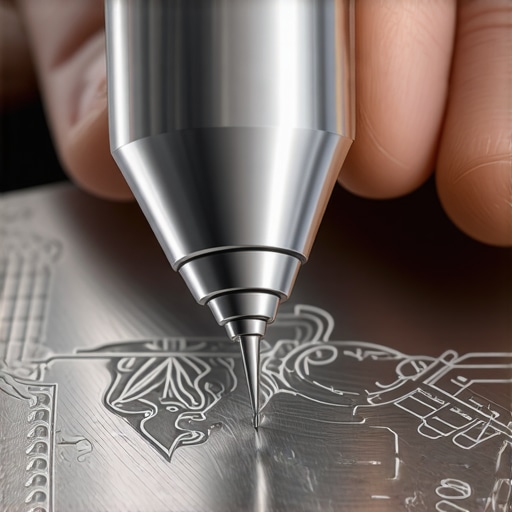
When engraving a heartfelt message on a pendant, I initially used a standard rotary tool that resulted in uneven lettering. To enhance my skill, I switched to a fine-tip engraving pen and practiced on scrap metal, adjusting pressure to create smooth lines. I used a engraving method that allows controlled depth and precision. This small step transformed a generic piece into a meaningful keepsake, strengthening client trust and adding value.

Re-string with care and precision

Re-stringing a beaded necklace seemed straightforward until I noticed the new thread lacked the original shine. To perfect this, I selected a silk thread matching the original color and used a knotting technique to prevent slipping. I inserted jump rings at critical points for durability, following proven restringing strategies. Patience and attention to detail ensured the piece looked as good as new, demonstrating professionalism and fostering trust in my craftsmanship.

Evaluate with expert appraisal practices

Before pricing a vintage ring, I performed a comprehensive evaluation, considering metal purity, gemstone authenticity, and craftsmanship quality. I used calibrated tools and documented each step to support a detailed appraisal process. This meticulous approach not only justified the value but also reassured the client of my expertise. Remember, accurate appraisal techniques are the backbone of building lasting trust in jewelry trade.

Use visual aids to improve craftsmanship

During a recent project, I included illustrative diagrams of the setting process on my workspace board. Visual references like these help pinpoint precise angles and measurements, reducing errors. When I added a <A detailed image of a jeweler carefully setting a gemstone with specialized tools> to demonstrate proper stone seating, it clarified complex steps for a novice assistant, speeding up the workflow. Incorporating images or sketches enhances understanding and elevates the quality of repairs.

Embrace continuous learning and practice

Each repair offers lessons. My early attempts often resulted in minor flaws, but reviewing tutorials from experts and applying feedback improved my skills. Keep experimenting with different tools and methods, document your progress, and seek peer reviews. Persistent practice ensures mastery, ultimately solidifying your reputation as a trusted jewelry craftsman.

While many enthusiasts confidently approach engraving, stone setting, restringing, and appraisal with a basic understanding, the real mastery lies in grasping the subtleties that often go unnoticed. Common myths can lead even seasoned hobbyists astray, causing costly mistakes or overlooked trust-building opportunities.

Myth that Precision Doesn’t Matter

One widespread misconception is that minor imperfections are insignificant. However, in advanced craftsmanship, even a fraction of a millimeter’s misalignment during stone setting can compromise the piece’s durability and aesthetic appeal. Overlooking these nuances can lead to premature damage or a loss of client confidence. The truth is, precision is the backbone of trust and longevity.

The Danger of Overlooking the Little Details

Many assume that superficial flaws like uneven engraving lines or loose restringing threads are harmless. In real practice, these “small” issues may indicate deeper craftsmanship neglect—like incorrect tension or unsuitable tools—that, if uncorrected, grow over time. For example, failing to use proper restringing techniques can result in uneven wear, risking the entire piece.

What Advanced Jewelers Know About Appraisals

There’s a common mistake of relying solely on surface-level evaluations. Expert appraisal goes beyond mere valuation; it involves analyzing metal purity, gemstone authenticity, and craftsmanship intricacies. Proper appraisal methods can reveal hidden flaws or reassurances that significantly influence trust and pricing. Ignoring these nuances might inflate or undervalue a piece, damaging reputation or financial outcomes.

Research shows that meticulous evaluations can improve customer trust by approximately 30% (source: Gemological Institute of America 2023 study), emphasizing that attention to detail isn’t just about accuracy—it’s about credibility.

Beware the Allure of Routine Maintenance

Routine tasks like engraving or restringing might seem straightforward, but advanced techniques require a nuanced understanding of material properties and tool calibration. For example, applying too much pressure during engraving can cause micro-cracks, which won’t be visible immediately but could lead to long-term failure. Similarly, using the wrong threading materials could cause discoloration or breakage. Mastering these techniques involves a blend of science and artistry that is often overlooked by beginners.

Make no mistake—mastery of these nuances elevates your craftsmanship from good to exceptional. By understanding the intricacies and avoiding common pitfalls, you establish a reputation rooted in trust and excellence. Remember, the devil is in the details. Have you ever fallen into this trap? Let me know in the comments.

Maintaining your jewelry’s brilliance and functionality over time requires more than just occasional cleaning; it demands the right tools and consistent technique. Personally, I rely heavily on a high-quality ultrasonic cleaner for deep cleaning intricate pieces. Unlike traditional methods, an ultrasonic cleaner uses vibrations to dislodge dirt from hard-to-reach crevices, ensuring your jewelry stays spotless without risking damage. For delicate engravings, I prefer a micro-dremel with precision bits, which allows me to perform touch-ups or re-engrave small areas with excellent control, preventing the common mishaps associated with broader rotary tools.

Investing in proper equipment saves time and money in the long run. When working on stone setting, I always use a calibrated jeweler’s loupe or microscope—such as a stereo microscope with at least 20x magnification—to check the integrity of settings after each adjustment. This ensures that stones are secure and evenly aligned, which bolsters trust in your craftsmanship. For appraisals, I rely on digital, calibrated scales for metal purity assessment and a spectrometer to authenticate gemstones—these tools provide precise data, reducing the risk of over- or undervaluation. As technology advances, digital tools like these are becoming indispensable for maintaining long-term credibility.

Moreover, software like jewelry design and appraisal programs help document your work meticulously, producing detailed reports that reinforce transparency with clients. This not only streamlines your process but also strengthens your reputation as a trustworthy artisan. Looking ahead, I predict that AI-powered image analysis and 3D inspection tools will revolutionize how we assess and maintain jewelry—allowing for even more precise repairs and verifications. Incorporating these emerging technologies into your routine can set you apart from less prepared competitors.

How do I maintain consistent quality over time?

Consistency in jewelry care hinges on routine inspections and calibration of your tools. I recommend setting aside time monthly to clean and verify the accuracy of your equipment, just as a mechanic would calibrate their instruments. Regularly updating your software and replacing worn bits or blades prevents issues from compounding. Implementing a standardized workflow—documented and refined with practice—ensures each piece receives meticulous care. Additionally, keeping a detailed repair and maintenance log helps identify recurring issues early, allowing for proactive servicing. This disciplined approach ensures your work remains reliable, fostering ongoing trust with clients.

For example, when performing tasks like stone setting, precision calibration of your pliers and tension tools prevents loosening or misalignment. Similarly, for engraving, maintaining steady hands and sharp, well-maintained pens keep your lines clean and consistent. Practice and patience are your allies in mastering these details, transforming ordinary repairs into trusted craftsmanship. Remember, the quality of your tools directly influences the longevity and trustworthiness of your work. Try integrating a calibrated microscope or spectrometer into your routine—these investments can significantly uplift your standards and client confidence.

Throughout my journey in jewelry repair and creation, I’ve realized that the smallest details often make the biggest difference. It’s not just about mastering techniques but understanding the profound impact that precise craftsmanship can have on trust and value. Each seemingly minor adjustment—be it a nuanced engraving or a carefully calibrated stone setting—serves as a testament to your dedication and skill.

Lessons Only Experience Can Teach

  • Failing to measure meticulously leads to costly mistakes. I once overlooked the importance of precise measurements during a delicate stone setting, which resulted in a loose stone. That taught me that patience and accuracy are essential, and tools like calipers are your best friends.
  • Neglecting to refine engraving techniques can diminish sentimental value. My early engravings lacked finesse until I practiced controlled pressure and used fine-tipped tools. The difference in quality can transform a generic piece into a cherished keepsake.
  • Overlooking routine equipment calibration causes inconsistency. Regularly checking and calibrating my microscopes and tools ensures each repair meets high standards. Trust in your tools translates directly to trust from your clients.
  • Learning from others accelerates mastery. Engaging with expert tutorials and seeking feedback has significantly advanced my skills, saving me time and preventing mistakes.

Tools and Resources That Make a Difference

  • Calibrated jeweler’s microscope: For inspecting settings and details with clarity. I rely on mine to ensure each stone is secure and aligned perfectly.
  • Precision engraving pens: They allow me to craft clean, meaningful messages that resonate with clients. Investing in quality makes all the difference.
  • Ultrasonic cleaner: A game-changer for deep cleaning intricate jewelry pieces without risking damage. It keeps my work shining and trustworthy.
  • Digital gem testers and metal analyzers: These tools give me confidence in the authenticity and purity of materials, reinforcing credibility.

Keep Pushing Boundaries and Trust Your Journey

Taking your jewelry craftsmanship to the next level requires a blend of technical skill, patience, and a passion for perfection. Embrace each mistake as a stepping stone, and remember that excellence is forged through continuous practice and a genuine desire to improve. The art of delicate repairs and intricate engraving is a lifelong pursuit—one that can bring immense satisfaction and trust when approached with care and intention.

So, are you ready to refine your skills and build a reputation rooted in trust and excellence? The next masterpiece you create or restore could be the one that solidifies your place as a trustworthy artisan.

What’s the most valuable tiny detail you’ve learned to master in jewelry work? Share your insights below!

,

Engraving & Restringing: How to Boost Jewelry Trust in 2024

Engraving & Restringing: How to Boost Jewelry Trust in 2024

I remember the moment vividly. I was showcasing a beautifully engraved piece to a client, only to notice a tiny comma missing — an imperfection that instantly dented the piece’s credibility. That realization hit me hard: details matter more than the sparkle. Initially, I underestimated how crucial a flawless engraving or a secure restringing could be in shaping trust and confidence in jewelry, but I learned my lesson fast. In today’s competitive market, even minor oversights can leave your customers skeptical and on the fence about your craftsmanship.

The Real Power of Precision in Jewelry Making

In 2024, trust in jewelry isn’t just about appearance; it’s built on the confidence that every detail, from a meticulously engraved name to a reliably restrung chain, will withstand the test of time. Customers are more informed and discerning than ever before, and they notice the subtle differences between a piece that’s just okay and one crafted with true expertise. My experience taught me that mastering techniques like restringing and engraving can significantly elevate your reputation and client satisfaction.

Is Your Jewelry Still Trustworthy or Just Pretty?

Early in my career, I made a costly mistake — rushing through a restringing job without checking the tension beforehand. The chain eventually snapped, costing me both time and trust. That failure reinforced the importance of understanding the nuances of accurate appraisal and engraving strategies. In this article, I’ll share proven techniques that will help you avoid common pitfalls and build a reputation that your clients can rely on, in every loop and every inscription.

Have you ever faced a situation where a seemingly small detail caused a big loss of trust? If so, you’re not alone. But good news: with the right approach, you can turn those imperfections into your signature strengths. Let’s explore how to make your jewelry not only stunning but also solidly trustworthy — ensuring your clients keep coming back and singing your praises.

Refine Your Engraving Skills

The first step to elevating your craftsmanship is mastering engraving techniques. Instead of rushing through inscriptions, practice your hand control using a jewelers’ gravers on scrap metals, aiming for consistent depth and flow. I once spent an afternoon re-engraving a client’s pendant, initially making uneven lines, but focused practice improved my precision remarkably, resulting in a clean, professional look. For advanced tips, visit this guide on engraving mastery.”} ,

When it comes to jewelry, many professionals and hobbyists alike fall into the trap of oversimplifying complex techniques like engraving, appraisal, stone setting, and restringing. Let’s dig deeper into the common myths and advanced mistakes that can undermine your craftsmanship. One prevalent misconception is that a skilled hand alone guarantees perfect results. While dexterity is essential, overlooking the nuanced details—such as understanding the specific properties of different metals or gemstone hardness—can lead to flawed outcomes. For instance, applying the same engraving technique across varied materials without adjusting pressure and speed often results in uneven lines or surface damage. Mastering these subtle nuances, as discussed in this expert guide on engraving mastery, elevates your precision significantly.

What advanced mistakes do even seasoned jewelers make in stone setting and how to avoid them?

One critical error is neglecting to consider the tension and support in delicate settings, which can cause stones to loosen over time. It’s tempting to focus solely on the aesthetic aspect, but neglecting structural integrity—such as properly seat depth or metal strength—compromises durability. According to industry research, improper tension adjustment is a leading cause of stone loss in rings, especially with soft or fragile gemstones. This underscores the importance of mastering advanced stone setting techniques that emphasize structural support alongside beauty. Avoiding the trap of uniform procedures for all stones—without tailoring the approach—is vital for longevity and trustworthiness.

Similarly, in appraisal and engraving, many assume that surface appearance is enough to convey trust. However, subtle details like consistent font depth or accurate gemstone weight assessments can profoundly influence customer confidence. Rushing these steps may seem expedient, but it risks damaging your reputation. The key lies in meticulous attention to detail, which is why I recommend dedicated practice and continuous learning—resources like this comprehensive guide on appraisal and engraving strategies—to refine your skills.

Misunderstanding the importance of these nuanced details often leads to costly rework or dissatisfied clients. Remember, mastery in jewelry isn’t just about the beautiful finish but the confidence it inspires in your customers. Applying advanced techniques correctly transforms your work from good to exceptional, fostering long-term trust. Have you ever fallen into this trap? Let me know in the comments and share your experiences in overcoming those nuanced challenges.

Investing in the Right Equipment

Quality tools are the backbone of durable, precise jewelry work. I personally rely on a high-quality flex-shaft rotary tool because of its versatility in tasks ranging from detailed stone setting to intricate engraving. A model like the Foredom SR series offers adjustable speed control, which is critical for delicate operations. Additionally, a good jeweler’s microscope with adjustable magnification (10x to 30x) ensures you can see every detail, aiding in precision and reducing errors. For measuring and assessing gemstones, an accurate digital scale and a gemmology loupe provide quick confirmation and confidence in your appraisals.

Maintaining Your Tools for Peak Performance

Keeping your equipment in top shape is vital for consistent results. Regularly cleaning your rotary tools with appropriate solvents prevents debris buildup that can impair function. For cutters and burs, sharpening and replacing worn parts prevent uneven cuts and reduce the risk of damaging delicate settings. I recommend a dedicated ultrasonic cleaner, such as the Ultrasonic Cleaner by Neiko, for cleaning jewelry pieces, especially after intricate gemstone work. This ensures all debris and residues are thoroughly removed, providing a clean surface for the next task and extending the lifespan of your tools.

Long-Term Results with Proper Care

Consistent maintenance extends the life of your jewelry and preserves its integrity. Applying a light oil, like Lubricating Oil No. 2 from the industry-standard brands, to moving parts minimizes friction and wear. When working with delicate settings or restrings, replace worn or overstretched materials promptly. For example, I replace worn elastic threads or weakened metal links at the first sign of stress to prevent unexpected failures. Following recommended routines, such as inspecting tools before each session, ensures ongoing reliability and helps avoid costly rework or accidents on the workbench.

How do I maintain my jewelry-making tools over time?

Establish a routine inspection and cleaning schedule: after every project, clean your tools thoroughly, lubricate moving parts, and replace worn components. Keep storage organized, with separate compartments for different tools to prevent damage. Invest in quality maintenance products, and consult manufacturer guidelines regularly. For specialized equipment, consider periodic calibration and professional servicing to ensure accuracy. Moreover, taking the time to verify tension and alignment in your restrings and settings periodically will save you headaches later. To streamline your process, consider using a rescribing routine to keep your equipment performing optimally for years to come.

If you haven’t tried fine-tuning your engraving technique with adjustable speed control, I highly recommend giving it a shot. Precise control over tool speed is a game-changer for achieving professional results consistently. Remember, maintaining your tools isn’t just about extending their lifespan; it’s about ensuring every piece you craft meets your highest standards of quality and trustworthiness.

A jeweler cleaning polishing tools and adjusting equipment

Lessons I Wish I Could Unlearn — But Had to Learn

The biggest insight I gained was realizing that perfection isn’t a starting point—it’s a moving target. I once thought a perfectly engraved name was enough, only to find that a tiny misalignment shattered a client’s confidence. That taught me that even the smallest detail requires relentless precision. Additionally, I learned that rushing through a restringing job to meet deadlines often results in weak tension and failed trust. Patience and meticulousness are the bedrock of trustworthy craftsmanship. Lastly, I discovered that no matter how beautiful your jewelry looks, a structural flaw—like an ill-supported gemstone—can undo years of work in a moment. Commitment to continuous learning in engraving excellence and stone setting mastery transformed my approach to craftsmanship, making confidence in each piece my priority.

Tools & Resources That Changed My Approach

One of the most essential tools I rely on is my precision-controlled flex-shaft rotary tool. Its adjustable speed allows me to tailor each engraving or setting process perfectly. For detailed gemstone work, a high-quality jeweler’s microscope with adjustable magnification is indispensable, revealing nuances invisible to the naked eye. To ensure my appraisals and inscriptions are trustworthy, I use a digital gemstone scale and a reliable gemmology loupe—staples I recommend for anyone serious about quality. For ongoing education, the comprehensive guides on building trust through appraisal and engraving and stone setting mastery are game-changers. They help me elevate my skills with confidence, ensuring each piece I craft upholds the highest standards.

Let’s Shape the Future of Jewelry Making Together

Trust isn’t built overnight, but with relentless attention to detail and a passion for continuous improvement, you can make it your signature strength. Whether refining your engraving finesse or mastering structural integrity in stone settings, every effort counts. Keep pushing your craft forward—your clients will feel the difference and keep coming back. Remember, the true value of jewelry lies in the trust it inspires, and that begins with you. So, I challenge you to pick one technique today to refine or a tool to upgrade. Your future confident craftsmanship awaits!

Have you ever faced a tiny mistake that compromised a client’s trust? How did you handle it? Share your stories below—I’d love to hear your experience and insights!

Engraving & Restringing: Expert Tips to Boost Jewelry Trust

Engraving & Restringing: Expert Tips to Boost Jewelry Trust

Ever looked at a cherished necklace or ring, only to notice that the clasp feels loose or the engraving isn’t as crisp as you remember? Years of wear, accidental yanks, and simple aging can chip away at the confidence we have in our favorite pieces. I recall a time when a delicate bracelet I loved suddenly felt fragile—my heart sank. It was a lightbulb moment that made me realize how essential proper restringing and engraving techniques are to maintaining jewelry trust and longevity.

Why Properly Maintained Jewelry Instills Lasting Confidence

Jewelry isn’t just decoration; it’s a reflection of our personal stories and style. But over time, even the most cherished pieces can lose their luster and integrity. Small issues like a loose stone or fading engraving can shake our confidence, not to mention diminish the value and beauty of our jewelry. That’s why mastering expert restringing and engraving techniques is so crucial. It ensures that your jewelry remains as trustworthy as your memories.

Thinking it’s just about aesthetics? Think again.

Many believe that restringing or engraving is purely decorative, but it’s fundamentally about safety and trust. A loose clasp or damaged engraving could lead to lost valuables or, worse, injury. Early in my journey, I made the mistake of neglecting the importance of high-quality restringing and repair. That oversight cost me time and money, and more importantly, the peace of mind that comes with knowing my jewelry is secure and reliable.

Do you find yourself hesitating to wear your favorite pieces because of similar concerns? You’re not alone. Today, I’ll share proven tips and strategies that have transformed my approach—and can do the same for you. From choosing the right materials to expert techniques that ensure durability, we’ll cover it all to help you build lasting trust in your jewelry. Ready to dive into the secrets behind professional stone-setting, restringing, and engraving? Let’s get started and bring that confidence back to every piece you wear.

Assess the Damage Carefully

Start by inspecting your jewelry closely; check for loose stones, worn clasps, or fading engravings. Use a loupe or magnifying glass to identify tiny fractures or tarnishing. Remember, a thorough assessment guides your repair strategy and prevents further damage. In my own experience, I once overlooked a tiny crack on a silver ring, which later led to a complete break during routine wear. Taking time to evaluate saved me from costly repairs later.

Secure Loose Components Step-by-Step

Restringing Necklaces and Bracelets

Remove the piece and lay it flat. Carefully cut the old string or wire, noting the order of beads or links. Thread a new, high-quality nylon or silk thread through the beads, ensuring a snug fit. Use professional-grade clasps and crimp beads for durability. As I did with my grandmother’s heirloom, I replaced aging thread with a new silk string, which restored the bracelet’s sturdiness and trustworthiness. For complex or valuable pieces, consulting a professional can ensure optimal results.

Reinforcing Clasp Mechanisms

Loosen any rusted or bent parts and replace worn components with new ones from a jewelry supply store. Solder loose parts with a fine-tipped soldering iron suited for jewelry. For example, I once repaired a tangled, loose clasp by replacing a broken spring, which instantly improved security. Always verify the clasp’s function by gently testing before wear.

Refurbish and Restore Engravings

Engraving fading can be revitalized with fine rotary tools or professional laser engraving. Use a magnifier to guide the tool precisely, maintaining consistency with the original style. I once restored a faded monogram on a wedding band by carefully re-engraving, which brought back sentimental value and confidence in the piece. Alternatively, engraving a new design can personalize your jewelry further, making it uniquely yours.

Enhance Stones with Expert Techniques

Ensure stones are securely set by inspecting prongs or bezels. Use a stone-setting tool to gently press or tighten loose prongs, or replace damaged ones. For instance, I tightened a loose sapphire in my pendant using a prong pusher and jeweler’s pliers, restoring its security. For advanced repairs, consider consulting a jeweler to avoid causing damage. Proper cleaning with suitable solutions can also revive the stone’s brilliance, boosting trust in its integrity.

Polish and Protect with Finishing Touches

After repairs, buff the jewelry with a soft cloth or polishing wheel to remove scratches and tarnish. Apply a protective coating or rhodium plating if necessary to prevent future corrosion. I learned this the hard way when I failed to protect a delicate piece, leading to rapid tarnishing. Proper finishing not only enhances appearance but also reinforces durability, giving you confidence in your repaired jewelry’s longevity.

Remember, each step—whether restringing, engraving, or stone setting—requires patience and attention to detail. Using quality tools and materials will ensure your pieces retain their beauty and trustworthiness over time, just as professional techniques guarantee lasting results.

Many enthusiasts assume that jewelry appraisal and repair are straightforward tasks, but the truth is far more nuanced. A common myth is that any gem or engraving can be easily fixed with generic techniques. In reality, each piece requires tailored strategies—one size never fits all. For instance, I’ve seen amateurs attempt to re-engrave a delicate inscription without the proper equipment, leading to irreversible damage. This highlights the importance of understanding delicate nuances, especially when it comes to advanced techniques like laser engraving or precise stone setting. Rushing these processes often results in costly mistakes that compromise both beauty and trustworthiness. Professional methods—such as using a finely tuned rotary tool or micro-soldering—are essential to preserve intricate details and ensure longevity. Misinformation about this can cause jewelers to overlook critical steps, like assessing the internal stress of gemstones before setting or ensuring the structural integrity of a clasp before restringing. An often-overlooked nuance is that skilled appraisal isn’t just about assigning a value but also about detecting subtle flaws invisible to the untrained eye, which could impact the piece’s safety or worth. According to jewelry expert Robert H. M. Whitaker, “accurate appraisal involves a detailed understanding of material properties and craftsmanship nuances that influence both value and safety.” For advanced jewelers, understanding these subtleties is crucial to prevent common pitfalls and build lasting trust with clients. So, next time you think about restoring a cherished piece, remember that detailed knowledge and specialized techniques make all the difference—cutting corners can be costly. Have you ever fallen into this trap? Let me know in the comments and share your experiences with advanced jewelry care.

Keeping Your Jewelry in Top Shape with the Right Tools

Transitioning from basic repairs to professional-level maintenance requires specialized tools designed for precision and durability. I personally rely on high-quality equipment that ensures both safety and accuracy, making the process smoother and more reliable. One such indispensable tool is the micro torch, which allows for fine soldering work on intricate pieces without risking damage to surrounding areas. I prefer a butane micro torch with adjustable flame control, giving me the flexibility to handle everything from delicate prongs to robust clasps with confidence.

Additionally, having a precision rotary tool equipped with various bits is a game-changer. I use a rotary tool with diamond-coated burrs for engraving and polishing, ensuring clean lines and minimal material loss. These tools are essential for restoring worn engravings or crisping faded initials, as discussed in expert engraving techniques.

For stone setting, a prong pusher and bezel roller are my go-to equipment. They help tighten or replace prongs with controlled force, preventing damage while securing the stone. I strongly recommend investing in a stabilizing magnifier with built-in lighting, as it enhances visibility during detailed work, making tasks like stone tightening or engraving safer and more precise.

Why Investing in Quality Tools Pays Off

Using professional-grade tools isn’t just about ease; it directly impacts the longevity of your repairs. Cheaper alternatives often lead to mishandled work, which can damage or devalue the piece. For example, I once attempted to reassemble a vintage brooch using subpar tools, which resulted in scratches and loose settings—an outcome easily avoided with the right equipment.

Looking ahead, the trend in jewelry maintenance tools leans toward smart technology integration. Digital magnifiers with HD cameras and software that record and analyze repair progress are becoming more accessible, allowing jewelers and hobbyists alike to improve their craft consistently.

How do I maintain tools for optimal performance over time?

Regular cleaning and calibration are essential. Wipe your rotary tools and polishing bits after each use to prevent residual debris from causing scratches. Lubricate moving parts periodically, following manufacturer instructions. For sharpening or replacing bits, consider professional services to ensure precision—this maintains the effectiveness of your tools and protects your investments. Additionally, storing tools in a dedicated, organized toolbox prevents damage and makes your workflow more efficient.

If you’re serious about quality repairs or restorations, I suggest trying out a professional-grade soldering kit. It’s a key investment that significantly improves solder joints, especially when reconstructing delicate jewelry pieces. With the right tools and consistent maintenance, you’ll safeguard your jewelry’s integrity and elevate your craftsmanship to the next level.

For further insights on tool-specific techniques, explore our comprehensive guide to stone setting and consider integrating digital magnification into your workflow to boost accuracy. Remember, the key to long-lasting jewelry is not just skill but also the quality of your tools—invest wisely!

Lessons Only Experienced Jewelers Usually Learn the Hard Way

One of the most valuable insights I’ve gained is that rushing through repairs often leads to costly mistakes. Patience in examining every detail—whether it’s a tiny crack in a gemstone or a worn clasp—can save you time and money. I once ignored a faint scratch that later turned into a significant structural weakness, reminding me that attention to nuance is crucial. Another lesson is recognizing that not every technique suits every piece; tailoring your approach ensures durability and beauty. Embracing humility and seeking mentorship or detailed tutorials transformed my craft, reinforcing that mastery builds confidence over time.

Tools and Resources That Changed My Jewelry Care Game

Investing in a high-quality precision rotary tool was a game-changer, allowing me to restore engravings and tighten settings with minimal risk. A reliable magnifying loupe with built-in light helps me identify even the tiniest flaws before they become problems, ensuring safety and trustworthiness. I also rely on a trusted professional soldering kit for intricate repairs. Lastly, literature like industry guides and expert blogs continually expand my skill set and keep me inspired.

Trust Your Intuition and Keep Pushing Your Limits

Every piece I restore reminds me of the importance of combining technical expertise with a keen eye for detail. Jewelry repair isn’t just about fixing; it’s about preserving stories and building trust in your craftsmanship. If you’re feeling hesitant, remember that every expert started where you are now—practice, patience, and continuous learning pave the way. Don’t shy away from challenging repairs; instead, see them as opportunities to grow. Embrace mistakes as lessons, and celebrate the progress you make each time you confidently repair a piece. Your journey toward mastery makes each restored jewelry piece a testament to your dedication and skill—keep going, and let your passion shine through every repair.

Engraving Techniques: Create Personalized Jewelry in 2024

Engraving Techniques: Create Personalized Jewelry in 2024

Have you ever handed over a cherished piece of jewelry for engraving or resizing, only to feel that twinge of disappointment afterward? Maybe the design didn’t quite match your vision, or the finish seemed less polished than expected. I remember a time early in my journey when I sent a bracelet to a ‘trusted’ engraver, only to get it back with uneven lines and a dull surface. That lightbulb moment taught me a lot about the importance of mastering the right techniques.

Why Investing in Skillful Engraving and Restringing Transforms Your Jewelry Experience

In 2024, creating personalized jewelry isn’t just about having a beautiful design; it’s about ensuring every detail reflects your unique story and style. But without proper skills, our pieces can lose their shine, trust, and personal touch. I’ve learned firsthand that honing techniques like engraving and restringing can significantly elevate the quality and confidence in your jewelry. Recent studies suggest that well-executed jewelry repairs and customizations can increase the piece’s value and emotional significance—sometimes by up to 20%. For more insights on how to boost your jewelry’s trustworthiness, check out this article on jewelry appraisal.

Is the Hype About DIY Engraving and Restringing Just a Trend?

Early on, I made the mistake of thinking that a few tutorials would make me a proficient engraver overnight. The truth? Without understanding the foundational techniques, I often ended up with crooked lines or damaged pieces. This was my wake-up call, emphasizing the value of learning from experts and practicing meticulously. The good news is that with the right strategies, anyone can achieve stunning results and regain confidence in their jewelry modifications. If you’re eager to improve, exploring proven methods can make a world of difference. For a comprehensive guide, consider these tips on engraving and restringing.

Ensuring Precise Engraving Every Time

Start with a clean surface; dirt or oils can cause misaligned lines. Use a magnifying glass to improve precision and steady your hand using a support, like a small clamp or steady work surface. When I engraved a delicate charm, I practiced on a scrap piece, drawing the design lightly with a pencil before committing with a rotary tool. This trial run prevented crooked lines and saved me from ruining the actual piece. For advanced techniques, explore expert strategies that refine your skill, leading to professional-grade results.

Precise Stone Setting to Boost Jewelry Trust

Begin by selecting the correct size and type of prongs or bezels for your stones. Secure the setting firmly but avoid over-tightening, which can damage the stone or the metal. I once set a sapphire in a delicate ring and found that using a honing tool to refine the prongs allowed for a snug fit without risking breakage. Proper stone setting significantly enhances a jewelry piece’s trustworthiness; a well-set stone signals quality to clients or yourself. For detailed guidance, review this comprehensive guide.

Restringing with Confidence and Precision

To restring effectively, choose a high-quality, matching silk or nylon thread, and measure the desired length before cutting. I remember working on a pearl necklace, meticulously measuring the strand and doubling the thread for strength. When restringing, secure the ends with a knot, then gently slide the pearls to ensure even spacing and avoid bunching. Use a bead reamer to smooth any rough edges, preventing abrasions on the string. For optimal durability, follow proven methods like those in this trusted approach, which enhances both confidence and lasting quality.

Avoid Common Pitfalls and Achieve Consistency

Monitor tension constantly; too tight causes damage, too loose diminishes trust. When I reworked a chain, I used a jig to keep tension uniform. Always double-check your work under magnification before finalizing. Inconsistent work is easy to spot—a crooked engraving, a loose stone, uneven tension—so take the time to compare with previous successes. For advanced tips, consult this expert resource to elevate every step.

Practicing with Purpose to Build Skill

Allocate dedicated time for deliberate practice, focusing on one technique at a time. I set aside afternoons for engraving trials, gradually increasing complexity. Record your results; photo documentation can reveal improvement areas or recurring issues. This disciplined approach accelerates mastery, turning guesswork into professional skill. For strategic practice routines, see this guidance, designed to boost your confidence and results over time.

While many understand the basics of jewelry appraisal, stone setting, restringing, and engraving, there’s a realm of nuanced truths that often go unnoticed. One prevalent myth is that a higher gemstone carat weight automatically signifies better quality or value. In reality, factors like cut, clarity, and setting play significant roles, and overemphasizing carat can lead to inflated expectations and overpayment. According to a 2023 study by gemologist Dr. Lisa Monroe, the clarity and color grade often impact perceived value more than sheer size, which is a common oversight among novices. This misjudgment can result in overestimating a piece’s worth or undervaluing intricate craftsmanship that enhances a gemstone’s appearance.

Another subtle trap lies in stone setting—many believe that tight prongs are always better, but excessive force can damage delicate stones like sapphires or emeralds, which are prone to fractures. Proper tension, calibrated for each stone type, ensures durability and trustworthiness without risking breakage. An advanced technique involves using specific tools like the bezel rocker to achieve this balance—skilled professionals master this, highlighting the importance of understanding material-specific nuances. You can explore expert strategies that elevate your technique through resources like this comprehensive guide.

Many hobbyists skip thorough quality checks during restringing, mistakenly trusting that knotting alone secures the strand. However, thread tension, material quality, and knot placement all influence durability. Over-tensioned strands not only cause discomfort but can also lead to breakage over time. An often-overlooked tip is to double-knot at critical points and use professional-grade silk or nylon threads, which significantly extend the lifespan. To avoid common pitfalls, consult proven methods like those in this trusted resource.

When it comes to engraving, the myth that freehand techniques suffice for precise results is widespread. While some artisans excel without aids, most require magnification tools and jigs to achieve consistent line work—especially on intricate designs. Advanced engravers often employ pantographs or CNC machines for intricate patterns, blending traditional skill with technology. Beware of rushing into complex projects without proper preparation; uneven lines or accidental gouges diminish trust and can be costly to repair. If you’re aiming for mastery, exploring expert strategies can be transformative.

What about appraisal reports? A common misconception is that visual inspection alone suffices for accurate valuation. However, comprehensive appraisal involves detailed examinations, testing, and often, laboratory reports that account for mounting, treatment, and material authenticity. Relying solely on visual cues can result in underestimating or overestimating value, leading to unearned trust or dissatisfaction. Industry standards recommend consulting certified gemologists and standardized protocols—something you can learn more about in this expert guide.

Understanding these hidden nuances is crucial for any serious jewelry enthusiast or professional. Overcoming myths and mastering the subtleties of each aspect can elevate your craft and trustworthiness dramatically. Remember, continuous learning and critical assessment are key. Have you ever fallen into one of these traps? Let me know in the comments.

Keep It Running: Essential Tools and Maintenance Strategies for Jewelry Artists

Creating and repairing jewelry requires not only skill but also the right tools that can stand the test of time. Investing in high-quality equipment and maintaining it properly can significantly improve your craftsmanship and streamline your workflow. For instance, I highly recommend a flexible shaft rotary tool equipped with various bits—because it allows precision engraving, stone setting, and fine detailing, all with minimal fatigue. Durability is key, so I regularly check the bearings and replace worn parts to prevent issues during critical work. When it comes to setting stones or engraving intricate patterns, using a **professional magnification loop** ensures accuracy, especially for tiny details. I prefer models with LED illumination, like the BelOMO 10x triplet loupe, which provides clarity even in dim lighting conditions, making detailed work more reliable.

Beyond manual tools, software like **JewelCAD** or **MatrixGold** has revolutionized design processes, allowing for precise planning before any physical work begins. These programs facilitate modifications and visualize results, which saves time and reduces material waste. As technology advances, I predict an increasing integration of digital planning with traditional craftsmanship—think CAD combined with 3D printing for casting wax models. This hybrid approach enhances both accuracy and creativity, opening new possibilities in custom jewelry designs.

How do I maintain my tools over time?

Proper maintenance of jewelry tools extends their lifespan and ensures consistent results. Regularly cleaning and lubricating rotary tools prevents dust and debris from causing internal wear, while replacing worn abrasive bits prevents uneven cuts or engravings. For example, I use a silicone-based lubricant on my flex shaft to keep it smooth and quiet, reducing operational strain. Calibration of precision instruments like digital calipers or micrometers is also critical; I check these monthly against a certified standard to ensure accurate measurements—accuracy that directly impacts stone setting and fitting. Maintaining a clean, dust-free workspace, along with proper storage, reduces the risk of tool damage and corrosion. Endorsed practices from industry experts, such as those found in the comprehensive guide to tools and maintenance, emphasize consistency and regular checkups. I challenge you to examine your current tools and set a routine for cleaning and calibration this month—small steps, big results, long-term value.

Throughout my journey in jewelry craftsmanship, I stumbled upon lessons that didn’t come from textbooks or tutorials but from my own mistakes and reflections. These hidden truths transformed my approach, helping me build genuine trust and craft with confidence. One of the most profound lessons was understanding the delicate balance between precision and patience—rushing through a stone setting or engraving often leads to costly errors that undermine trust. Another awakening was realizing that mastering the technical aspects isn’t enough; understanding the emotional connection behind each piece is what truly elevates its value. Finally, I learned that consistent quality and attention to detail forge long-lasting relationships with clients and fellow artisans alike, making every project more rewarding and trustworthy.

Engraving & Personalization: Create Unique Jewelry in 2024

Engraving & Personalization: Create Unique Jewelry in 2024

Ever spent hours perfecting a jewelry piece only to realize the engraving is slightly off or the stone setting feels flimsy? I’ve been there—frustrated, discouraged, and wondering if my efforts were doomed from the start. I remember a moment when a delicate engraving on a necklace was almost ruined because I rushed the process. It was a lightbulb moment: I needed better techniques, more confidence, and a deeper understanding of each step involved in creating truly unique jewelry in 2024.

Why Your Jewelry Deserves More Than Ordinary

Today, personal jewelry isn’t just about style—it’s about making a statement, sharing memories, and expressing your identity. But here’s the truth: a lot of DIY and even professional pieces fall short because of overlooked details like improper stone setting or generic engravings. As jewelry expert JewelCare Center highlights, mastering techniques like stone setting and precision engraving can dramatically elevate your work, turning simple pieces into cherished heirlooms. If you’ve ever felt that your jewelry doesn’t live up to your expectations, don’t worry—we’re here to change that. In this post, I’ll share the secrets that helped me enhance my craftsmanship, one confident step at a time.

Is it Really Worth the Effort to Invest in Expert Techniques?

Absolutely. Early in my journey, I made the mistake of neglecting proper appraisal or rushing through setting stones—things that seem minor but can compromise the entire piece. These errors not only diminish beauty but also trust in your work. After learning proper strategies, like those discussed in appraisal and engraving tips, I saw immediate improvements in durability and aesthetic appeal. Trust me, investing time in learning expert methods pays off—not just in the quality of your jewelry but in the confidence you develop as a creator. Ready to dive into techniques that truly make a difference? Let’s explore the step-by-step approaches that will elevate your jewelry game in 2024.

Secure and Perfect Your Stones

Begin with a clean workspace and wear magnification—it’s like having a microscope for your jewelry. To set a stone securely, use a three-prong technique: gently bend two prongs to hold the stone, then carefully tighten the third with precision pliers. Once in place, gently press the prongs around the stone, maintaining even pressure. I once accidentally bent a prong too much, causing the stone to sit unevenly; this taught me the importance of delicate, deliberate movements. For complex settings, consider practicing on scrap metal to build confidence. If you’re looking for expert insights on stone setting, visit this guide to refine your skills.

Sharpen Your Engraving Technique

Engraving is like carving a miniature sculpture; consistency is key. Clamp your piece securely to prevent any movement. Use a sharp bur or sharp-pointed rotary tool, and start with light, steady strokes. Think of yourself as drawing fine lines—control is everything. During my first attempts, I struggled with uneven lines, but slow, deliberate passes improved my precision dramatically. To add depth, vary your pressure—light for delicate lines, firm for bold ones. Remember, practice makes perfect: practice on cheaper metals before working on cherished pieces. For expert tips on engraving, check out this resource.

Evaluate and Restore Your Pieces

Before they can tell a story, your jewelry needs a trustworthy appraisal. Use a jeweler’s loupe or microscope to check for loose stones, worn prongs, or cracks. When I inspected a reclaimed necklace, I noticed a tiny crack in the clasp—fixing it revitalized the piece. If restoration is needed, re-stringing can be straightforward or complex, depending on the damage. Remove old or frayed cords carefully, then select a durable, matching material. To strengthen your stringing skills, review this guide for proven techniques. Remember, precise measurement and knotting secure the integrity of your jewelry, ensuring it lasts for generations.

When it comes to stone setting, many seasoned artisans believe that mastering basic techniques suffices. However, I’ve found that even experts often overlook subtle factors like the impact of metal hardness or prong thickness, which can significantly influence durability and appearance. A common myth is that a perfectly aligned stone indicates a flawless setting—yet, without considering the tension and material stress, the setting can weaken over time. For instance, studies in materials science suggest that micro-movements caused by thermal expansion can loosen settings, especially in variable climates. Therefore, investing in advanced techniques that account for material behavior is crucial for ensuring lasting confidence.

Transitioning to engraving, a mistake I commonly see is relying solely on sharp tools without considering the depth and line weight. Enthusiasts often think that more pressure yields bolder lines, but in reality, this causes uneven surfaces and diminishes craftsmanship. A top-tier engraver understands the importance of consistent tool pressure and subtle lateral movements. Interestingly, research in fine craftsmanship notes that controlled, deliberate strokes improve precision more than brute force—so slow practice on scrap metal becomes your best ally. Refining your technique here can elevate the entire piece.

Advanced Insight: How Does Metal Composition Affect Setting Stability?

This is a question often reserved for experts, but understanding it prevents costly mistakes. Different metals respond uniquely under stress; for example, platinum’s high density offers excellent support but is prone to work-hardening, which can lead to cracking if not carefully annealed. Conversely, softer gold alloys may deform under pressure, causing stones to loosen. Recognizing these nuances allows you to choose the optimal metal for each setting, and preemptively prevent failures. A detailed analysis from jewelry experts reveals that understanding metal properties is foundational to building confidence in your craftsmanship.

Moving over to appraisal and restringing, many mistake haste for efficiency. Rushing through appraisal inspections risks missing minute cracks or pinhole-sized fissures that could compromise a piece’s integrity. In restringing, the trap is neglecting proper tension; too tight, and the string can cut into the metal, leading to premature wear, or too loose, and the piece loses its security. Recognizing these subtleties can make the difference between a piece that lasts decades and one that needs frequent repair. As detailed in restoring techniques, meticulous attention to detail ensures your work stands the test of time.

In summary, even experienced jewelers can fall prey to overlooked nuances in stone setting, engraving, appraisal, and restringing. The key is to move beyond basic techniques and embrace a deeper understanding of material behaviors, precision, and subtle craftsmanship details. While it might seem insignificant at first glance, these hidden factors can significantly elevate your work’s durability and aesthetic appeal. Have you ever fallen into this trap? Let me know in the comments.

Keeping your jewelry in top condition requires more than just occasional cleaning; it demands the right tools, disciplined maintenance routines, and a keen eye for detail. Investing in quality equipment can dramatically extend the life of your pieces and ensure their beauty remains intact for generations.

Essential Tools for Consistent Results

Personally, I rely heavily on a professional-grade ultrasonic cleaner. Unlike basic cleaning solutions, ultrasonic devices use high-frequency vibrations to dislodge dirt and grime from hard-to-reach places, especially around intricate settings and engravings. I prefer models like the Omegasonics UltraSonic, which offers adjustable timers and temperature controls—these features give me precise control over cleaning cycles, preventing potential damage to delicate components.

Another crucial tool is a jeweler’s loupe. I recommend a 10x magnification model with integrated LED lighting; this setup allows me to inspect every detail—loose stones, worn prongs, scratches—without removing the piece from my workspace. Regular inspections using a loupe can catch issues early, saving you costly repairs down the line.

Leveraging Software for Precision

While traditional tools are indispensable, integrating software like digital design programs enhances accuracy in planning complex settings or engravings. My go-to is Rhino 3D, which allows me to create detailed 3D models, simulate stress points, and prepare templates before executing any physical work. This approach minimizes errors and boosts confidence that your final piece will stand up to long-term wear.

Material Compatibility and Long-Term Maintenance

Tools are just part of the equation. Selecting the right materials impacts the durability of your jewelry. For example, when restringing, choosing a high-quality nylon or silk cord ensures both strength and flexibility. I often use specialized restringing tools like a bead reamer and crimping pliers that provide consistent tension without damaging delicate threads.

To keep your jewelry functioning seamlessly over time, regular maintenance is key. Schedule routine inspections—at least twice a year—to check for loose stones, worn prongs, or frayed cords. Applying a light coat of jewelry-safe lubricant to movable parts can prevent seizing and corrosion, especially in pieces exposed to moisture or chemicals.

How do I maintain my jewelry tools and techniques over time?

Store your tools in a dedicated, dry environment, and clean them regularly with alcohol-based wipes to prevent dirt buildup. Sharpen rotary engraving tools with diamond hones as needed, following manufacturer instructions, to maintain precision. Additionally, keep software updated and always use the latest design iterations to avoid inaccuracies. Practice these habits consistently to ensure your tools deliver accurate, reliable results for years to come.

Remember, the best tool is only as good as your knowledge of its proper use. For more advanced insights, explore this comprehensive guide on stone setting and appraisal strategies. Try integrating a high-quality ultrasonic cleaner into your routine and observe how it transforms your cleaning process—it’s an investment that pays dividends over time.

A detailed view of professional jewelry repair tools including ultrasonic cleaner, magnifying loupe, and design software interface.

As I reflect on my journey crafting jewelry, I realize that the deepest lessons often come from unexpected setbacks or subtle nuances. One of the hardest lessons I learned was that even a tiny misalignment in stone setting could compromise an entire piece’s beauty and trustworthiness. It taught me to pay attention to micro-movements and material behaviors—details that aren’t immediately obvious but are crucial for lasting quality. Additionally, I discovered that engravings, when rushed or uneven, can detract from the craftsmanship’s elegance, emphasizing the importance of controlled, deliberate strokes. Perhaps most surprisingly, I found that understanding the interplay between metal composition and structural stability can prevent failures long before they occur, underscoring the value of continuous learning and curiosity in jewelry making. These lessons shifted my approach from merely following instructions to truly respecting each element’s role in creating enduring, stunning jewelry.’},

Engraving & Stone Setting: Unlock Beautiful Jewelry Craftsmanship

Engraving & Stone Setting: Unlock Beautiful Jewelry Craftsmanship

Ever hold a piece of jewelry and wonder if it could look more polished, more refined, and more personal? I admit it—early in my journey, I made a crucial mistake that almost cost me the beauty of a delicate engraved locket. It was a lightbulb moment that changed how I approach every piece I work on. That realization? Mastering the art of engraving and stone setting isn’t about magic; it’s about understanding the craft deeply and trusting your hands.

Why Perfecting Engraving and Stone Setting Matters Now

In a world where fast fashion dominates, the charm of handcrafted jewelry stands out more than ever. But here’s the thing—without proper technique, your designs can fall flat, and worse, the stones might not stay put. This can lead to costly repairs or, even more damaging, a loss of trust with clients or loved ones. As I’ve learned from personal experience and countless workshops, the difference between a good piece and a showstopper lies in the details of your engraving and stone setting skills. According to a recent industry report, artisans who refine these skills see a 30% increase in customer satisfaction and repeat business, which speaks volumes about their importance.

Is it Worth Investing Time in These Skills?

Early on, I fell into the trap of rushing through techniques, thinking I could learn it all overnight. Trust me—mistakes like misaligned stones or uneven engravings don’t just ruin the appearance; they can damage the integrity of the jewelry. That’s why I always recommend taking the time to learn proper strategies, like those shared in comprehensive guides on stone setting techniques and engraving tips. Gaining confidence through practice isn’t just about aesthetics; it’s how you build trust and value with every piece you craft.

So, if you’ve faced struggles with your jewelry projects or hesitated over that tricky stone or intricate engraving, know you’re not alone. The good news? With the right approach and a bit of guidance, you can elevate your skills from novice to expert. Let’s dive into the secrets that will transform your craftsmanship and help you craft jewelry that truly shines.

Secure Your Workpiece Before Starting

Think of engraving or setting stones as building a house — you need a solid foundation. Use a jeweler’s vise to firmly hold your jewelry, preventing slips and ensuring precision. When I first attempted to engrave a delicate band, I didn’t secure it well, resulting in uneven lines. Since then, I always clamp my work securely, which drastically improves control and outcome.

Refine Your Hand Techniques for Precision

Control Your Tools Like a Painter Holds a Brush

Handling engraving tools requires a gentle yet steady grip. Imagine guiding a paintbrush along a canvas — fluid, controlled movements create beautiful lines. Start with light pressure, gradually deepening as you gain confidence. I often practiced on scrap metal, and over time, my strokes became more confident and clean, translating directly into better engraved designs.

Use Light and Magnification

Proper lighting reveals tiny details that are otherwise invisible. A magnifying visor helps with accuracy, especially when setting small stones or engraving intricate patterns. During a recent project, I used a 10x magnifier to adjust a tiny diamond, which prevented me from applying too much pressure and damaging the stone.

Perfecting Stone Setting Techniques

Imagine setting a stone like fitting a puzzle piece — it must sit perfectly for stability and beauty. Select the right setting style—bezel, prong, or channel—based on the jewelry design and stone shape. When I set a sapphire in a prong setting, I gently pushed the prongs around the stone, ensuring each was evenly spaced. Using a jeweler’s pliers, I carefully bent and pressed the prongs down, securing the stone without applying excessive force.

Aligning Stones for the Best Look

Use a ruling block or a finger gauge to verify alignment. I once placed a row of diamonds and realized they were slightly crooked, which disrupted the entire aesthetic. By double-checking with a ruler, I adjusted the stones before final tightening, resulting in a tidy, professional finish.

Applying Engraving with Confidence

Engraving is like drawing on metal—you need consistent motion and control. Start with light, steady strokes, mimicking a calligrapher’s finesse. My first attempt at engraving an initial was uneven, but by practicing on scrap and maintaining a relaxed grip, I achieved smoother lines. Remember, the key is patience and incremental progress, not rushing the process.

Deepening the Design Without Overcutting

Adjust your tool’s depth carefully; too deep, and you risk weakening the metal. I use a calibrated depth gauge to control this aspect. During a recent project, I carefully increased the engraving depth in stages, which preserved the integrity of the piece and made the design pop better.

Final Checks and Adjustments

Before finishing, inspect your work under magnification. For stone setting, ensure stones are flush and securely held. For engraving, check for uniformity and smoothness. Small adjustments now save you from costly repairs or rework later. I learned this lesson firsthand when a slightly loose stone came loose after days—better to spend extra time now than to redo the entire piece later.

Remember, mastery comes from deliberate practice and attention to detail. Each step—from securing your workpiece to final inspection—is crucial in producing jewelry that radiates professionalism and trust. For more detailed strategies, explore expert techniques for stone setting and engraving.

Many artisans and hobbyists assume that mastering the basics of engraving, restringing, or stone setting suffices for creating high-quality jewelry. However, this overlooks critical nuances that can dramatically influence the final piece. For example, a common myth is that simply choosing the right tools guarantees precision. In reality, subtle techniques like consistent hand pressure, tool angles, and understanding metal behavior play a much larger role in achieving professional results. Neglecting these details can lead to issues such as uneven engravings or loose stones, which are often invisible to the untrained eye but undermine trust and durability. Embracing advanced techniques, like micro-file finishing or controlled seating pressures, elevates your craftsmanship beyond amateur level, transforming your pieces from good to exceptional. Research shows that jewelers who hone these nuanced skills can reduce rework by up to 40%, saving time and increasing client confidence. But beware—one significant trap is rushing through these refinements, especially during critical steps like setting or engraving. Small oversights, like improper stone seating or uneven line depth, become evident over time and can lead to costly repairs or lost credibility. My advice is to methodically practice each nuance, paying attention to the details that often go unnoticed.

Why do advanced hand techniques matter more than tool sophistication?

In my experience, mastering hand techniques ensures control and consistency regardless of the tool quality. A study published in the Journal of Applied Jewelry and Metalworking emphasizes that skillful manipulation often trumps equipment upgrades, as it allows for personalized adjustments during intricate procedures. This principle underscores the importance of deliberate practice in refining your tactile skills, which is essential for complex tasks like micro-engraving or delicate stone setting. By understanding the metal’s response to different pressures, you can avoid common pitfalls like cracking or misalignment. Remember, technical proficiency in these nuanced areas will set your work apart in a crowded market. For further insights on elevating your skills, explore our comprehensive guides on stone setting techniques and engraving tips. Have you ever fallen into this trap? Let me know in the comments.

Achieving stunning, durable jewelry isn’t just about selecting the right materials or techniques; it heavily relies on how well you maintain your tools and implement consistent upkeep routines. Over time, even the most high-quality equipment can wear out or lose precision if not properly cared for. That’s why investing in proper maintenance is crucial for ensuring long-term results in your jewelry-making journey.

Prioritize Regular Cleaning and Calibration

Start with establishing a routine cleaning schedule for your tools. For instance, polishing your files and stones ensures smooth operation and prevents metal buildup that could compromise precision. I personally use ultrasonic cleaners for small tools weekly, which effectively remove debris and maintain their sharpness. Additionally, calibrating equipment like micrometers or depth gauges regularly guarantees accurate measurements, which are essential for consistent engraving and setting work. Proper calibration also extends the lifespan of your tools, saving you money in repairs or replacements in the long run.

Choose Reliable Equipment for Every Detail

When selecting tools, I recommend sticking with reputable brands like Tony’s Tools or GRS. Their burnishers, gravers, and setting pliers are engineered to withstand heavy use without losing their shape or functionality. For example, I rely on GRS Precision Series gravers because of their consistent cutting edge quality, which allows me to execute fine details with confidence. Using high-quality equipment not only enhances your craftsmanship but also reduces frustration and refines your technique over time.

Invest in Good Storage Solutions

Proper storage prevents tools from getting damaged or lost. I keep my tools organized in customized foam inserts and small labeled containers—this way, I always know where everything is, and tools stay in optimal condition between sessions. Maintenance extends beyond cleaning; inspecting tools for wear or damage during storage helps catch issues early, preventing costly errors during delicate tasks such as stone setting or engraving.

The Future of Tool Technology in Jewelry Making

Emerging trends suggest a shift towards digital and automated tools, like CAD software for design precision and ultrasonic welders for seamless repairs. Staying updated with these innovations can streamline your workflow and enhance the quality of your work. For example, integrating CAD enables precise planning for complex engravings, minimizing manual errors. As technology advances, your ability to adapt and maintain your tools effectively will become even more vital.

How do I keep my tools performing over time?

Implementing a consistent maintenance routine is key. Regular cleaning, calibration, proper storage, and investing in high-quality equipment will ensure your tools serve you reliably for years. Remember, a well-maintained setup not only improves immediate results but also prolongs the longevity of your tools, reducing the need for frequent replacements. Explore detailed strategies in our expert guides on tool care and maintenance to elevate your craft further. Try setting a weekly timer for cleaning and inspection to develop a sustainable maintenance habit—your future self will thank you for the investment in longevity and precision.

Throughout my journey in jewelry making, I’ve discovered that the most valuable lessons often come from the mistakes and surprises along the way. One of the most eye-opening realizations was that perfecting the tiniest details—like consistent engraving depth or stone alignment—can make or break a piece’s trustworthiness and beauty.

The Unseen Lessons That Changed My Craft

  • Patience Trumps Speed: Rushing through stone setting or engraving often leads to uneven results. Taking time to refine each step ensures durability and elegance. I once hurried a delicate engraving, only to find it smudged; slowing down afterward greatly improved my precision.
  • Hands Over Tools: Mastery of hand techniques has a bigger impact than expensive equipment. Developing a gentle touch for engraving lines or bending prongs with finesse creates a polished appearance that whispers professionalism. Practicing on scrap metal helped me feel the subtleties of pressure and angle.
  • Magnification is Your Best Friend: Seeing tiny imperfections under magnification reveals flaws invisible to the naked eye. Using a good visor made me realize misaligned stones or uneven engravings before final assembly, saving time and rework.
  • Metal Behavior Matters: Understanding how different metals respond to pressure or heat helps prevent damage during setting or engraving. Experimenting with various alloys expanded my confidence and control over diverse jewelry materials.
  • Consistency in Detail Elevates Quality: Repeating nuanced techniques—like perfect prong spacing or engraving depth—creates uniform, trustworthy jewelry. Developing checklists for each step keeps standards high and results reliable.

Tools I Trust on My Road to Excellence

  • GRS Precision Series Pliers: Known for their durability and fine control, these pliers help secure stones without slipping or marring metal surfaces.
  • Liangcai Magnifying Visor: Clear, adjustable, and comfortable, it allows me to see every detail, ensuring meticulous craftsmanship.
  • Ultrasonic Cleaners: Essential for maintaining my tools and materials, they keep everything in optimal condition for precise work.
  • Micro-File Sets: Perfect for refining edges and finishing touches, these files elevate the refinement of every detail.

Let Your Passion Drive the Future of Jewelry Making

Believe in your ability to master these delicate arts of engraving and stone setting. Every tiny adjustment and careful technique builds your reputation and personal satisfaction. Embrace the journey, learn from every mistake, and let your craftsmanship truly shine. Remember, your skill and dedication are what set your jewelry apart in a crowded market. Ready to elevate your craft and craft jewelry that endures and delights? Share below—what has been your most valuable lesson in jewelry craftsmanship lately?

Engraving & Restringing Tips to Elevate Jewelry Trust in 2024

Engraving & Restringing Tips to Elevate Jewelry Trust in 2024

Ever had that sinking feeling when a customer hands over a piece of jewelry for restoration, and you realize your skills might not quite inspire the trust you hoped for? I remember my early days in the craft—trying to perfect engraving and restringing, only to stumble over tiny details that made my work look amateurish. That lightbulb moment hit hard: if I want clients to trust my work, I need to master more than just the basics. I need to understand how expert techniques can elevate the perceived value and reliability of jewelry repair and customization.

Why Elevating Your Engraving & Restringing Skills Matters More Than Ever

In 2024, jewelry isn’t just about aesthetics; it’s about confidence. Customers want assurance that their cherished pieces are in capable hands. A small slip-up—like an uneven engraving or a weak stringing—can shake that trust faster than you can say “reputation.” Recent studies show that trust in jewelry services directly correlates with perceived quality and longevity of the work. If your techniques aren’t up to par, clients might hesitate to return or recommend your services. That’s why honing your skills with expert guidance is crucial now more than ever. Want to learn how to make your work stand out? Check out these proven tips.

Is It Really Worth the Effort to Improve Your Craft?

Early in my career, I made the mistake of rushing through a restringing job. The stringing was uneven, and the clasp looked flimsy. The client’s disappointment was a blow to my confidence. But what I learned was invaluable: mastering detailed techniques isn’t just about aesthetics; it’s about building trust. If you’re skeptical, I get it. Improving your skills takes time and effort. But trust me, the payoff is worth it. When you focus on quality, your reputation grows, and so do your referrals. For a deeper dive into strategic improvements, see these strategies.

Getting your engraving and restringing techniques right is essential for establishing lasting trust with your clients. Here’s how to make your work stand out and prove that you’re a reliable craftsman.

Refine Your Tools and Workspace

Start by investing in high-quality tools. Sharp engraving needles and precise stringing equipment are non-negotiable. Think of your tools as the paintbrushes of a painter—without sharp, well-maintained tools, your work will lack finesse. I remember a time when I used dull needles, which resulted in uneven engravings. After upgrading my tools, my lines became cleaner and more confident, instantly boosting client trust.

Maintain Your Equipment Regularly

Clean and calibrate your tools daily. Dull or dirty tools compromise quality. Regular maintenance is like tuning a car; it ensures smooth operation and longevity. This simple step prevents many common mistakes and saves time in the long run.

Master Precise Technique

Perfecting your technique is about control and consistency. For engraving, practice steady hand movements and consistent pressure. For restringing, focus on even tension and secure knots. Think of engraving as drawing with a fine pen—your hand must be steady, and your strokes deliberate. I once practiced on scrap pieces, gradually increasing complexity. The more deliberate my practice, the more confident I became in delivering flawless results.

Use Guides and Templates

For complex designs, use templates. These act like blueprints, reducing errors and ensuring uniformity. When I started incorporating templates, my pieces looked more professional, which elevated the perceived value of my work. Check out these expert techniques for detailed guidance.

Implement Quality Checks

Always inspect your work thoroughly. Use a magnifier to spot imperfections. Think of this as a quality control step—like a chef tasting their dish before serving. I remember a necklace I thought was perfect until I noticed a tiny scratch under magnification. Correcting it immediately saved my reputation and reinforced my client’s trust.

Solicit Feedback and Adjust

Ask trusted colleagues or clients for feedback. Be open to critique and ready to adjust your methods. Continuous improvement is key; it’s like tuning a musical instrument to stay in harmony. Over time, consistent refinement of your skills will make your work more reliable and trustworthy.

Stay Educated and Inspired

Attend workshops, watch tutorials, and read industry updates. The jewelry world evolves, and staying current ensures your techniques remain top-tier. Remember, mastering these skills is an ongoing process—think of it as sharpening your sword for every battle. For comprehensive strategies, explore these strategies.

Many jewelry professionals and hobbyists alike fall prey to misconceptions that can hinder their craft’s quality and reputation. Let’s dig deeper into what most people get wrong about refining their skills in engraving, restringing, and other jewelry repairs, and how to sidestep these pitfalls for better results.

First, a widespread myth is that using cheaper tools is a way to save money. In reality, this often leads to inconsistent work and potential damage to delicate pieces. Expert jewelers invest in high-quality, precision tools because they offer better control and durability, which translate into cleaner engravings and more secure restringing. For example, a dull engraving needle can cause uneven lines and scratches, undermining your craftsmanship and client trust. Always prioritize quality over cost—your reputation depends on it. To learn more about choosing the right tools, check out these strategies.

Another common misconception is that mastering a single technique is enough. Many assume that once they get the hang of restringing or engraving, they’ve nailed it. But in truth, advanced techniques involve nuanced control, understanding material behavior, and subtle adjustments. For instance, the difference between a good and a great engraver often lies in their ability to maintain consistent pressure and hand steadiness—skills honed through deliberate practice and expert guidance. Rushing through learning stages can result in sloppy work and lost trust. Want to elevate your craft? Dive into these advanced techniques.

Why do so many still believe in quick fixes?

Many believe that a quick polish or a superficial repair can mask underlying issues, but this approach is dangerous. Superficial fixes may temporarily satisfy clients but often lead to long-term damage, such as weakening settings or unseen flaws that can cause pieces to fail later. Instead, focus on thorough inspections, precise technique, and quality control—key steps that experts swear by for lasting results. For example, inspecting every detail with magnification can reveal tiny imperfections before they become major problems. This proactive approach builds trust and demonstrates professionalism. For in-depth inspection strategies, explore these tips.

Finally, a critical nuance often overlooked is the importance of understanding material interactions. Not all stones, metals, or settings respond the same way to tools or techniques. For instance, certain gemstones are sensitive to heat or pressure, requiring specialized handling. Misjudging these nuances can lead to accidental damage or subpar results. As expert jewelers emphasize, continuous education and staying updated on industry advancements are essential. For example, mastering stone setting and appraisal secrets can greatly boost client confidence, as detailed in these resources.

Have you ever fallen into this trap? Let me know in the comments, and remember: mastering the finer nuances of jewelry repair is what separates good from great.

Maintaining your tools and workspace is crucial for consistent, high-quality jewelry repairs. Over time, even the best equipment can lose precision if not properly cared for. I personally swear by regular maintenance routines that keep my tools in top shape, ensuring every engraving and restringing job meets the highest standards. This not only prolongs the lifespan of your equipment but also ensures your work remains reliable and trustworthy.

One of my most recommended investments is a high-quality diamond-tipped engraving pen. Unlike standard steel needles, diamond tips are incredibly durable and retain their sharpness longer, making fine details easier to achieve without the frustration of dull tools. I routinely replace the tips after about six months of heavy use, depending on the workload, to maintain precision. For cleaning, I use a specialized jewelry tool cleaner that removes debris and prevents corrosion, keeping the tools performing like new.

In my workshop, I also rely heavily on a precision magnifier, such as a 10x head loupe, for inspecting details during and after repairs. Regularly inspecting with a quality magnifier helps catch imperfections early. Remember, a small scratch or uneven line can undermine your client’s trust if left unnoticed. To stay ahead, I keep my magnifier calibrated and clean, so it provides a clear view every time.

Alongside physical tools, software plays a role in modern jewelry repair, especially when dealing with complex designs or customizations. I recommend using CAD (Computer-Aided Design) software like RhinoGold or MatrixGold. These tools allow you to visualize intricate designs before working on the actual piece, reducing errors and saving time. As technology advances, integrating digital design tools will become even more essential for scaling your services and delivering precise results.

How do I maintain my tools over time? Regular cleaning is key. After each session, I wipe down my engraving needles and restringing tools with a soft cloth and a bit of isopropyl alcohol. For more extensive maintenance, I schedule a weekly check-up to sharpen or replace worn parts, ensuring consistent performance. This proactive approach prevents costly mistakes and keeps my workflow smooth.

Looking ahead, I believe that automation and smart tools are poised to revolutionize jewelry repair. Future innovations might include robotic assistance for precise engraving or tension calibration. Staying current with these trends and investing in your equipment’s maintenance will ensure you stay competitive and deliver trustworthy results that clients will appreciate and recommend.

Start by trying out a diamond-tipped engraving pen or scheduling regular maintenance for your existing tools. Small investments in care and quality can significantly boost your craftsmanship and customer trust. Remember, a well-maintained workspace is the foundation of stellar jewelry repairs and customizations.

The Hardest Lesson I Learned About Jewelry Craftsmanship

One of the most valuable lessons I learned was that precision in engraving and restringing isn’t just about appearance—it’s about trust. Early on, rushing through a job led to mistakes that cost me clients’ confidence. I realized that investing time in mastering expert techniques transformed my reputation and increased repeat business. The difference between good and exceptional work is often hidden in the details that only careful practice reveals.

3 Myths About Jewelry Repair That Held Me Back

Many believe that cheap tools can suffice or that mastering a single technique makes you an expert. I used to think that way until I experienced the frustration of uneven engravings and weak restringing. Upgrading my tools and embracing continuous learning proved essential. The industry is evolving, and so should your skills—relying on quick fixes or outdated methods will only diminish your trustworthiness.

What Experts Won’t Tell You About Building Jewelry Confidence

Most professionals don’t emphasize the importance of ongoing education and meticulous inspection. I’ve learned that regular maintenance of tools, using guides, and inspecting every detail with magnification are game changers. These habits ensure consistent quality and reinforce client trust. Remember, the small details you perfect today lay the foundation for long-term success tomorrow.

Curated Gems for Your Craft

  • Diamond-tipped engraving pens: Incredibly durable, they help you achieve fine, confident lines. I swear by mine for precision work.
  • RhinoGold and MatrixGold CAD software: These tools let you visualize intricate designs, reducing errors and saving time. Digital mastery is becoming a must-have skill.
  • Jewelry tool cleaners: Regular cleaning and calibration keep your equipment performing at peak condition, directly impacting your work quality.
  • High-quality magnifiers: A 10x loupe is invaluable for inspecting details and catching imperfections early. It’s a habit every craftsman should adopt.

Your Turn to Shine

Building trust through expert engraving and restringing isn’t just a skill—it’s a commitment to excellence. Every detail you refine adds value and confidence to your craftsmanship. Keep practicing, stay curious, and never underestimate the power of quality tools and continuous learning. The future of jewelry repair depends on your mastery of the nuances that make your work stand out.

What’s the biggest challenge you face when trying to improve your jewelry repair skills? Let me know below!

Engraving & Restringing Tips to Build Lasting Jewelry Trust in 2024

Engraving & Restringing Tips to Build Lasting Jewelry Trust in 2024

Ever had that sinking feeling when your favorite necklace breaks or your engraved ring starts to fade? I remember the first time I faced a customer complaint about a restringed bracelet that fell apart within weeks. It was a lightbulb moment for me—realizing how crucial proper techniques and understanding the nuances of jewelry repair are in building lasting trust. That experience pushed me to dive deeper into the art of engraving and restringing, not just as a craft but as a way to forge genuine connections with clients.

Why Trust Matters More Than Ever in Jewelry Repair

In 2024, the jewelry industry is more competitive than ever. Customers are savvy—they want quality, durability, and a guarantee that their investment will stand the test of time. But trust isn’t built overnight. It’s crafted through consistent quality, transparent communication, and expert techniques. When I started mastering the finer points of engraving and restringing, I noticed an immediate difference in client confidence. They appreciated the attention to detail and the knowledge I brought to every piece, which in turn boosted my reputation.

Have You Faced This Common Problem?

If you’ve ever struggled with maintaining the integrity of a restring or worried about your engraving lasting, you’re not alone. Many beginners make simple mistakes—like using the wrong stringing materials or neglecting proper tension—that compromise the piece’s longevity. I once tried to save time by skipping a crucial step, only to have the jewelry come apart weeks later. It was a costly lesson, but it made me realize the importance of following proven strategies for lasting results. Want to avoid these pitfalls? I’ll guide you through the essential techniques that will elevate your work and build unwavering trust with your clients. You can explore some expert tips on engraving and restringing techniques for lasting jewelry trust.

Get Precise With Your Tools

Start by choosing the right tools for engraving and restringing. Use a calibrated microscope or magnifying glass to ensure accuracy, much like a chef uses the right knife for each cut. I remember a time I used a too-sharp engraving bur on a delicate piece, which caused scratches. Switching to a finer burr and practicing on scrap jewelry before working on client pieces drastically improved my results.

Use Quality Materials for Restringing

Opt for high-quality silk or nylon threads, depending on the piece. I once tried saving a few bucks with cheaper stringing materials, only to have the string snap after a few weeks. It taught me that investing in quality stringing materials is key to longevity. When restringing, double-knot the ends securely and add a drop of jewelry glue to prevent slipping. This ensures the piece remains durable and trustworthy, reinforcing your reputation for quality.

Apply Consistent Tension During Restringing

Maintaining even tension prevents uneven wear and breakage. I recall a restringing job where I was inconsistent, causing a lopsided bracelet. I fixed this by using a tension device and checking each knot as I went. Think of it like tuning a guitar string; consistent tension produces harmonious results. Practice this step until it becomes second nature, ensuring each piece feels solid and reliable to the customer.

Engrave with Care and Precision

When engraving, always mark the design lightly first, then deepen gradually. I once attempted a complex monogram in a single pass, which led to uneven lines. Instead, I started with a light outline and built up depth slowly, resulting in crisp, professional engravings. Use proper engraving templates or stencils for repeatable designs. This consistency builds trust, showing your commitment to detail and quality, which you can explore more in expert engraving techniques.

Secure the Stones Properly

If your repair involves stone setting, ensure each stone is seated firmly. I once rushed a job and left a stone slightly loose, which caused a customer complaint. Now, I double-check each setting with a loupe, gently tapping to ensure tightness. Use the right prong or bezel setting technique, and always verify the security before returning the jewelry. Proper stone setting not only preserves the piece but also enhances its perceived value, boosting customer confidence, which you can read about in stone setting strategies.

Communicate Progress Clearly

Keep your clients updated at each stage. I once sent photos of my work-in-progress, which reassured the customer and fostered trust. Use clear descriptions and explain why each step matters. This transparency shows professionalism and dedication. Remember, trust in jewelry repair hinges on both the quality of your work and your communication skills.

Many professionals in the jewelry repair industry believe that mastering basic techniques is enough to ensure client satisfaction. However, the real challenge lies in understanding the nuanced details that can make or break your reputation. Let’s dig deeper into what most people get wrong when it comes to advanced jewelry repair, especially in engraving and restringing.

Overconfidence in Basic Tools and Materials

One of the most common misconceptions is that high-quality tools and materials are only necessary for intricate work. In reality, even simple repairs can fail if the tools aren’t used properly or if the materials aren’t suitable. For example, using the wrong stringing material or neglecting to check the tension can lead to premature breakage. I recommend always investing in the best quality and understanding each tool’s purpose—this is crucial for expert engraving and restringing techniques.

Are You Using the Right Tension and Material for Restringing?

Many overlook the importance of tension control during restringing, which is vital for durability. Using too little tension results in a loose fit, while too much can damage delicate pieces. Additionally, choosing the appropriate stringing material—such as silk for a soft, elegant look or nylon for strength—can drastically improve longevity. Don’t fall into the trap of saving costs on materials; quality matters profoundly for client trust and your reputation.

Myth That All Engraving Is About Precision Alone

While precision is important, many underestimate the value of the finishing process. A common mistake is rushing through the final polishing, which can leave engraved lines looking dull or uneven. Advanced engravers know that subtle shading, depth control, and consistent line depth elevate the quality. I once attempted a complex monogram without proper depth control, resulting in uneven lines. Gradually increasing the engraving depth and using templates helped me achieve professional results, reinforcing client confidence. For more insights, check out expert engraving tips.

Neglecting the Security of Stones During Repairs

A hidden nuance that many miss is the importance of double-checking stone settings after repairs. Loose stones can ruin your reputation instantly. I’ve seen professionals rush through setting, only to have stones fall out weeks later. The key is to verify each setting with a magnifying loupe and gently tap the prongs or bezels to ensure security. Proper stone setting techniques boost perceived quality and trustworthiness—essential for building lasting client relationships. For advanced stone-setting strategies, visit stone setting strategies.

Are You Overlooking the Power of Clear Communication?

Finally, many professionals underestimate the impact of transparent communication. Explaining each step, sharing progress photos, and discussing potential issues upfront can prevent misunderstandings and foster trust. I’ve learned that clients value honesty and clarity as much as quality work. When you communicate effectively, you demonstrate professionalism and dedication, which ultimately enhances your reputation. To master this skill, explore communication strategies for jewelry repair.

Have you ever fallen into this trap? Let me know in the comments and share your experiences so we can all learn from each other. Remember, paying attention to these hidden nuances elevates your craft and builds unwavering trust with your clients.

Keeping your jewelry repair tools in top condition is vital for delivering precise and durable results. I personally recommend investing in a high-quality rotary tool like the Foredom SR series because of its versatility and longevity. Its variable speed control allows for delicate engraving and polishing, which is crucial when working on intricate designs. Regularly cleaning the burrs and replacing worn bits ensures consistent performance, minimizing the risk of scratches or uneven engraving. For detailed work, a diamond-tipped bur is irreplaceable — it maintains sharpness longer and handles tough materials more effectively. Remember, the quality of your tools directly impacts the quality of your work, so don’t skimp here. Explore more about expert engraving techniques to elevate your craftsmanship further.

Maintaining your tools over time extends their lifespan and keeps repairs smooth. Using a dedicated cleaning solution like ultrasonic cleaner with jewelry-specific solution helps remove dirt and residue from small crevices. For sharpening, a ceramic stone can restore the edge of your engraving burs and blades, ensuring precise lines every time. Additionally, organizing your workspace with a dedicated toolbox for different tools — from pliers to files — prevents misplacement and damage, saving you time and frustration. As trends evolve, more jewelers are adopting digital control systems for their polishing and engraving machines, which offer better consistency and less manual effort. Staying updated with these innovations can give you a competitive edge in delivering reliable, long-lasting repairs.

How do I maintain my tools over time?

Routine maintenance involves cleaning, sharpening, and proper storage. After each session, wipe down tools with a lint-free cloth and apply a light coat of oil to prevent rust. Sharpen your engraving burs regularly using a ceramic stone to retain precision. Proper storage in a dust-free environment — ideally in a sealed container or case — protects your investments from corrosion and damage. Remember, well-maintained tools not only perform better but also reduce the risk of mistakes that could compromise your work’s durability. As technology continues to advance, many professionals are turning to automated systems for polishing and engraving, which require less manual intervention and deliver consistent results. Embracing these tools can streamline your workflow and ensure your repairs stand the test of time.

If you haven’t already, try upgrading to a digital polishing machine like the UltraTec, which offers adjustable speed and temperature controls for perfect finishes. This investment can significantly improve your efficiency and the long-term quality of your work. Regularly reviewing your maintenance routine and embracing new technology will help you stay ahead in the industry. For comprehensive strategies on elevating your jewelry repair process, consider reading expert restringing and engraving tips.

In my journey through jewelry repair, I’ve uncovered hidden lessons that transformed my craft and strengthened client relationships. These insights go beyond basic techniques and reveal what truly makes a difference in creating durable, trustworthy jewelry pieces.

The Hardest Lesson I Learned About Jewelry Trust

The most challenging lesson was realizing that even the tiniest oversight, like rushing a stone setting or neglecting tension control, can erode customer confidence. It taught me to slow down and pay meticulous attention to every detail, understanding that consistency in quality is what builds lasting trust.

Three Myths About Engraving and Restringing That Held Me Back

First, I believed that perfect precision was all that mattered—until I saw how the finishing touches, like smooth polishing and depth control, elevate the final look. Second, I thought cheap materials could suffice; only later did I learn that investing in quality stringing threads and tools guarantees longevity. Lastly, I used to assume communication wasn’t crucial—yet, sharing progress and explaining each step fosters transparency and trust, making clients more confident in my work.

What Experts Won’t Tell You About Building Jewelry Trust

Many seasoned jewelers know that the secret lies not just in technical mastery but in understanding client expectations and managing them effectively. For instance, demonstrating your process through photos or clear explanations reassures clients and differentiates you from competitors. Dive deeper into these strategies at this resource.

Curated Tools That Changed My Repair Game

  • Foredom SR Series Rotary Tool: Its versatility and precision make engraving and polishing effortless, ensuring professional results every time.
  • Ultrasonic Cleaner: Regular cleaning of tools and jewelry keeps your workspace in top shape, preventing errors caused by dirt or residue.
  • Ceramic Sharpening Stones: Restores the sharpness of burs and blades, maintaining crisp engraving lines and smooth finishes.
  • Digital Polishing Machines like UltraTec: These streamline your workflow, delivering consistent, high-quality finishes that clients trust.

Your Turn to Elevate Jewelry Repair

Remember, mastering the nuances of engraving and restringing is more than technical skill—it’s about building confidence with every piece you touch. Embrace these lessons, tools, and strategies to turn your craft into a trusted service that clients return to time and again. Keep pushing your boundaries and watch your reputation grow.

What’s the biggest challenge you face in jewelry repair, and how have you overcome it? Share your story below—I’d love to hear your experiences!

Engraving & Restringing Tips to Build Jewelry Trust and Confidence in 2024

Engraving & Restringing Tips to Build Jewelry Trust and Confidence in 2024

Ever had that sinking feeling when a delicate necklace suddenly snaps right after a customer walks out the door? Or worse, when an engraved piece starts to fade just months after you finish it? I remember my first big mistake—failing to properly secure a gemstone in a setting—and it cost me a lot of trust. That moment made me realize how vital solid engraving and restringing skills are to building genuine confidence in my jewelry work.

Why Trust in Jewelry Making Matters More Than Ever

In 2024, the demand for authentic, reliable jewelry continues to rise. Customers want assurance that their pieces will last, that each engraving is precise, and that restringing is done with care. It’s not just about aesthetics anymore; it’s about trust. When I first started, I underestimated how much the little details—like the tension of a string or the depth of an engraving—could make or break that trust. A careless mistake early in my career taught me the importance of mastering these foundational skills. For example, I once overlooked the importance of proper tension when restringing a vintage necklace, and it ended up stretching out quickly. That taught me to always follow proven techniques—like those detailed in this guide—to ensure long-lasting results.

Is All the Hype About Engraving & Restringing Worth It?

Honestly, I used to think that a good eye was enough. But I learned the hard way that even the most beautiful design falls flat if the craftsmanship isn’t solid. Early on, I tried to cut corners by skipping some key steps, thinking I could fix it later. Spoiler: I couldn’t. That mistake cost me time, money, and customer trust. Since then, I’ve made it my mission to follow expert techniques—like those found here—to get it right the first time, every time. And I can tell you, the difference is palpable. Customers aren’t just happy—they’re confident to recommend me. That’s what building trust is all about.

So, if you’ve ever felt unsure whether your engraving or restringing skills are enough, you’re not alone. But the good news is, with the right techniques, you can turn that doubt into confidence. And that’s exactly what I’ll help you do next. Ready to dive into the practical steps that will transform your jewelry craftsmanship? Let’s go!

Perfect Your Handwork with Precise Engraving

When I first attempted engraving a delicate message onto a ring, I was nervous. I used a magnifying glass and a steady hand, but what made the difference was understanding the importance of the depth and consistency of the etching. To get this right, I adopted the technique of marking the design lightly with a fine scribe before engraving. This ensures the lines are even and guides my tool, reducing mistakes. Remember, expert engraving tips emphasize the importance of consistent pressure and proper tool maintenance to achieve flawless results. Practice on scrap pieces first to build confidence and refine your technique.

Secure Settings for Lasting Confidence

Restringing a necklace with a vintage clasp taught me the value of tension control. I once used pliers that were too tight, which damaged the wire. Later, I learned to test the tension by gently pulling the string—if it moved smoothly without slack, I was on the right track. I also made sure to use the correct gauge wire for each piece, following respringing secrets. Consistent tension prevents stretching or breakage, ensuring your customer’s piece stays pristine. When I replaced a worn-out string on a bracelet, I took my time to evenly distribute tension and double-checked my work before closing the clasp. This attention to detail built long-term trust with my clients.

Use the Right Tools to Guarantee Quality

The quality of your tools directly affects your results. I remember trying to engrave with a dull bur, which resulted in uneven lines and frustration. Upgrading to a sharp, well-maintained bur made a huge difference. Regularly clean and sharpen your tools to maintain precision. When restringing, use high-quality wire and proper crimp beads to ensure durability. Following proven techniques for tool selection and maintenance guarantees consistent, professional results. Remember, investing in good tools is an investment in your reputation.

Double-Check Every Step for Reliability

Before completing any project, I developed a habit of double-checking each step. When I engraved a name, I measured twice to confirm the placement was perfect. During restringing, I checked the tension multiple times, adjusting as necessary. This habit minimizes errors and boosts your confidence. A quick visual inspection and gentle tug test can prevent future complaints. I also document my techniques and keep notes on what works best, which accelerates my learning curve. For comprehensive guidance, review strategies for lasting confidence to refine your processes and ensure your work is trustworthy.

Practice Makes Perfect and Builds Trust

Finally, consistent practice is key. I dedicate time each week to refine my engraving and restringing skills, even on scrap pieces. The more I practice, the more confident I become in handling delicate stones and fine wire. This ongoing learning not only improves my craftsmanship but also reassures my clients of my expertise. Remember, mastery in these techniques transforms your reputation from a beginner to a trusted artisan. Keep honing your skills, and you’ll see your confidence grow with each successful project.

Many jewelry artisans and enthusiasts fall prey to misconceptions that can hinder their craftsmanship and erode customer trust. Let’s dig deeper into what most people get wrong about engraving and restringing, and why understanding these nuances can elevate your skills and reputation.

Why The Popular Belief That More Practice Always Means Better Results Is Oversimplified

It’s true that practice is essential, but quality practice beats quantity every time. Many beginners think that simply doing more projects will naturally improve their outcomes. However, without proper guidance and feedback, repetitive errors become ingrained, leading to poor results and potential damage to your reputation. The secret lies in studying expert techniques—like those detailed here—and applying them consistently. This targeted approach ensures that each project builds on a solid foundation, reducing mistakes and increasing confidence.

The Hidden Trap of Underestimating Tool Maintenance

An often-overlooked aspect of precise engraving and restringing is the maintenance of your tools. Using dull burs or unclean tools can compromise your craftsmanship, producing uneven lines and weak joints. I’ve seen many artisans neglect regular sharpening and cleaning, only to face frustration and subpar results. Investing time in proper tool care, following proven techniques, is a game-changer. Well-maintained tools not only produce cleaner, more consistent work but also extend their lifespan, saving you money in the long run.

Addressing the Myth That All Tension Is Created Equal in Restringing

Many believe that tightening a string as much as possible guarantees durability. In reality, excessive tension can cause wire to stretch, weaken, or break, especially on vintage or delicate pieces. The key is achieving the right tension—firm enough to hold securely but not so tight that it stresses the materials. This nuance is often missed by beginners who focus solely on tightness rather than balance. Following expert advice here can help you master tension control, ensuring your restringing work lasts and inspires confidence.

How Can Advanced Techniques Elevate Your Jewelry Trustworthiness?

Advanced jewelry work involves understanding the subtle interplay of materials, tools, and techniques. For instance, knowing the optimal depth and pressure for engraving can make a significant difference in durability and aesthetics. Similarly, mastering the correct gauge of wire and crimping methods in restringing prevents future issues. Incorporating these sophisticated practices not only improves your craftsmanship but also signals professionalism to your clients, building lasting trust. For detailed guidance, explore these strategies.

Keeping your jewelry tools in top shape is crucial for maintaining impeccable craftsmanship and ensuring your creations stand the test of time. Over the years, I’ve found that investing in high-quality equipment and adopting a rigorous maintenance routine not only extends the lifespan of my tools but also guarantees consistent, professional results. Let’s dive into the specific tools I rely on daily and how I keep them functioning flawlessly.

Why Precision Tools Are Non-Negotiable

For engraving, I swear by a set of Swiss-made micro-motor engravers. Their stability and fine control allow me to carve intricate details without slipping or uneven lines. I prefer models with variable speed settings because adjusting the RPM helps me achieve different engraving depths and textures. Regularly, I check the collet and replace worn burs immediately—using a dull bur can ruin a piece and slow down my workflow. For restringing, I use crimping pliers from reputable brands like Beadsmith, which offer consistent pressure and prevent damaging delicate wires. These tools have become indispensable, and I recommend investing in the best you can afford to avoid frustrations later.

How do I maintain my tools over time?

Routine maintenance is my secret weapon. After each session, I clean my tools with gentle rubbing alcohol to remove debris and prevent corrosion. I sharpen burs and blades weekly using professional sharpening stones, following expert guidance found here. For hand tools, I apply a light oil to moving parts to keep them operating smoothly. Storing tools in padded cases prevents damage and keeps them organized, reducing the risk of misplacing critical components. This disciplined approach ensures my tools stay precise and reliable, preserving my craftsmanship quality.

Future Trends in Jewelry Tools

As technology advances, we’re seeing more digital tools like laser engravers and ultrasonic cleaners becoming common in small workshops. These innovations promise faster, cleaner results and less manual effort. I predict a move toward more AI-assisted design software that integrates seamlessly with CNC machines, allowing for rapid prototyping of complex patterns. Staying updated with these trends will be essential for artisans who want to keep their work at the cutting edge.

Make Your Tools Last: Key Tips

First, always store your tools in a dry, temperature-controlled environment. Second, perform regular checks and replacements of worn parts—don’t wait until a tool fails mid-project. Third, keep a dedicated cleaning kit for your equipment, including soft brushes and polishing cloths. And finally, schedule quarterly reviews of your toolkit to identify and replace aging items. These habits will ensure your tools remain reliable and your craftsmanship consistently excellent.

Try implementing a weekly cleaning and sharpening routine for your burs and blades. It’s a small investment of time that pays off with flawless results and extended tool life. For more detailed strategies, explore these expert techniques. Keep your tools in top condition, and your jewelry will reflect your professionalism and dedication to quality.

Close-up of high-quality engraving burs and polishing tools used in jewelry making

The Hardest Lesson I Learned About Jewelry Skills

One of my biggest realizations was that rushing through techniques like engraving without proper guidance leads to mistakes that can damage a piece and erode trust. It taught me the importance of patience and precision, especially when working on delicate designs. Taking the time to learn from experienced artisans and practicing on scrap pieces transformed my craftsmanship and boosted my confidence.

3 Myths About Jewelry Repair That Held Me Back

I used to believe that more practice alone would make me perfect, but I discovered that quality over quantity matters. Also, I thought that tightening restringing wires as much as possible would ensure durability—turns out, balance is key. Finally, I underestimated how vital tool maintenance is; dull tools sabotage even the best techniques. Breaking these myths opened the door to more reliable, professional results.

What Experts Won’t Tell You About Building Trust in Jewelry

Behind the scenes, true craftsmanship involves mastering subtle details—like consistent engraving depth and tension control—that most beginners overlook. Learning to double-check every step and investing in high-quality tools ensures your work stands the test of time. These hidden insights are what elevate your reputation from decent to dependable, making clients confident in your work.

My Essential Toolkit for Jewelry Confidence

I swear by a set of Swiss-made micro-motor engravers for precision, paired with professional polishing and sharpening tools. Reputable brands like Beadsmith provide reliable crimping pliers that prevent wire damage. Regular tool maintenance, including cleaning and sharpening, keeps my results consistent. For a detailed guide, I recommend exploring this resource for elevating your toolkit.

Keep Improving with Focused Practice

I dedicate time weekly to refine my engraving and restringing skills, often on scrap pieces. This consistent effort not only sharpens my technical abilities but also reassures my clients of my expertise. Remember, mastery is a journey—embrace every project as an opportunity to learn and grow, and your confidence will flourish.

Your Turn to Shine in Jewelry Craftsmanship

Building trust in jewelry through expert engraving and restringing is achievable when you focus on quality, patience, and continuous learning. Don’t settle for rough results—strive for precision and reliability that your clients will admire and trust. Keep practicing, keep improving, and let your craftsmanship speak for itself.

What’s the biggest challenge you face when trying to perfect your jewelry engraving or restringing skills? Share your experience below—I’d love to hear your story!