Restringing Jewelry: Proven Techniques to Restore Shine & Confidence

Restringing Jewelry: Proven Techniques to Restore Shine & Confidence

Have you ever felt that sinking disappointment after inspecting your favorite necklace only to find its once-glossy cord fraying or the clasp feeling a bit too loose? I remember the moment I realized my cherished jewelry pieces weren’t just accessories—they were stories, memories, and a reflection of my style. But over time, wear and tear can chip away at that sparkle, making us hesitant to wear what once made us feel confident.

Why Restringing Jewelry Might Be the Heartbeat of Your Confidence

There’s a quiet magic in restoring jewelry myself. It’s like giving a piece a new lease on life—and, in doing so, reigniting my own confidence. When I learned the art of proper restringing, I discovered it’s not just about replacing a thread; it’s about preserving craftsmanship, value, and sentimental worth. According to jewelry repair experts, a well-done restring can significantly increase the longevity and aesthetic appeal of your favorite pieces. And trust me, once you master a few proven techniques, it transforms from a daunting task to a rewarding DIY project.

Are You Wasting Money Just to Keep Your Jewelry Safe?

Early in my journey, I made a costly mistake: I ignored the subtle signs of wear on my jewelry and waited until a catastrophe struck. That procrastination led to more expensive repairs or, worse, losing a piece forever. I learned that understanding the best restringing practices can save you both money and heartbreak. Whether you’re dealing with fragile silk threads or resilient wire, knowing the right techniques can help your jewelry stand the test of time. For a comprehensive look at expert strategies, check out the restringing techniques guide.

So, if you’re tired of feeling powerless every time your necklace shows signs of aging, stay tuned. We’re about to dive into proven methods that will make your jewelry shine like new, ensuring you look and feel fabulous every time you wear it.

Choose the Right Materials for Restringing

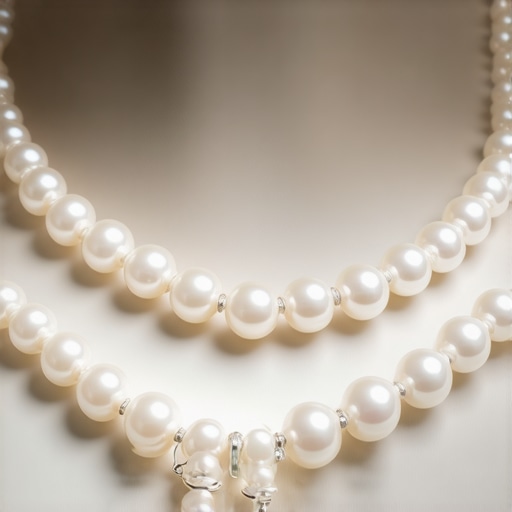
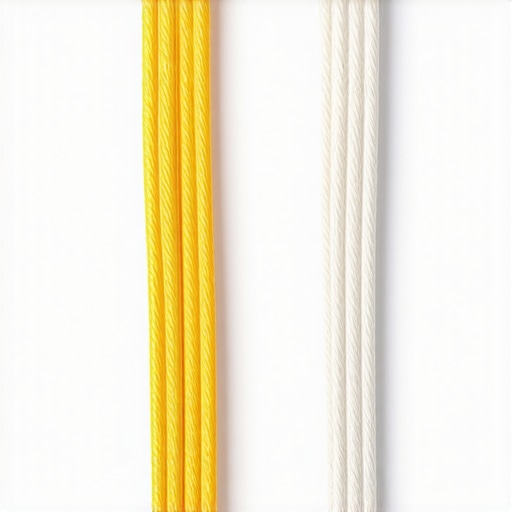
Start by selecting the appropriate stringing material based on your jewelry type. For delicate necklaces, silk threads offer flexibility and a classic look. For sturdier pieces, wire or beading cord might be more suitable. I once attempted to restring a vintage pearl necklace with nylon thread, only to find it lacked the strength needed, resulting in a frustrating redo. Learn more about optimal restringing materials here.

Prepare the Jewelry for Restringing

Remove the clasp carefully using small pliers, and evaluate the condition of the existing thread. If it’s frayed or brittle, replace it entirely. Use a magnifying glass if necessary to inspect tiny knots or damage. My first attempt involved hastily cutting and re-threading without proper tools, which caused uneven tension and a clumsy appearance. To get professional results, take your time and handle every component with precision.

Master the Re-Stringing Technique

Thread your selected material through the beads or pearls, keeping a consistent tension. Think of it as sewing a delicate fabric—you want evenness without making it too tight. When I re-strung a bracelet, I secured the ends temporarily with tape to maintain tension, then adjusted as I knotted. For expert tips, see our guide on proven restringing techniques. Use a bead reamer or a needle to pass through tight spaces if needed.

Secure and Finish the Jewelry

Attach the clasp securely, making sure knots are tight and hidden if possible. Crimp beads can also be used for additional stability. I once overlooked this step, resulting in a clasp that slipped after just a few wears. To prevent this, double knot and add glue for extra security, then trim excess material neatly. Consider using specialized glues to reinforce knots.

Customize with Engraving or Stone Setting

Personalizing your jewelry can elevate its sentimental value. Engraving adds a unique touch, while stone setting can replace lost or damaged gems. Think of engraving as carving a message into wood—precision is key. I tried to engrave a silver ring by hand, which was messy and uneven until I learned to use a mini rotary tool, making the inscription crisp and professional. For advanced techniques, review our engraving tutorials. For stone setting, practice with inexpensive pieces first to master prong or bezel techniques, as detailed in the ultimate guide to stone setting.

Inspect and Perfect Your Work

Before wearing or gifting, examine your finished piece under good light. Check for loose beads, secure clasps, and clean finishes. Use a loupe or magnifier to catch tiny imperfections. I once missed a loose knot, which almost caused the jewelry to come apart after just a day. Regular inspections, especially after cleaning, ensure longevity and confidence in your craftsmanship.

By mastering these core techniques, you’ll be able to revive cherished pieces, customize jewelry to reflect your personality, and save money in the long run. From selecting materials and re-stringing to engraving and setting stones, each step builds your confidence and skill—transforming DIY jewelry repair from a daunting task into an enjoyable craft.

Are You Overlooking These Critical Details in Jewelry Work?

Many enthusiasts and even seasoned DIYers believe that mastering the basic techniques is enough. However, the real mastery lies in understanding nuanced details that often go unnoticed. For instance, in jewelry appraisal, assuming a visual inspection suffices can be misleading. An accurate assessment requires a keen eye and understanding of subtle signs like metal fatigue or hidden gem damages. Overestimating superficial appearances can lead to undervaluing or overestimating a piece’s worth, impacting your confidence in repairs and valuations.

Similarly, in engraving, amateurs often focus solely on being neat. But advanced engravings demand a grasp of tool stability, pressure control, and material behavior. A common myth is that more pressure yields better results—yet, excessive force can result in uneven lines or damaged surfaces. Precise control and understanding the material’s response are essential to create professional-looking engravings, and rushing this step is a surefire way to ruin a project.

Close-up of detailed jewelry engraving

When it comes to stone setting, many think that the main goal is to secure the gem. However, nuances such as the correct tension, prong thickness, and setting depth influence both durability and aesthetic finish. A common mistake is to use too many prongs for aesthetic symmetry, which can weaken the setting. Understanding the physics and proper tool use ensures your stones stay secure and your work looks polished—don’t fall into the trap of overcomplicating the process.

As for restringing, the misconception is that knotting is an optional step or merely about aesthetics. In reality, the security of knots directly impacts the longevity of a necklace. Common mistakes include under-tightening or using inadequate knots, which can lead to unraveling or breakage. Expert restringers know that tying multiple secure knots and applying special glue helps avoid this issue altogether.

Why Do Tiny Oversights Cost You Confidence?

These subtle pitfalls, often dismissed as minor, secretly erode trust in your craftsmanship. Over time, neglecting details like proper tension, material choice, or finishing touches can cause jewelry to fall apart just when it matters most. Research indicates that meticulous attention to detail correlates strongly with professional-quality results and increased personal confidence in repairs and customizations. As industry experts advise, embracing the nuances is what elevates amateur skills to professional standards.

Have you ever fallen into this trap? Let me know in the comments. Remember, knowing these advanced nuances transforms the craft from guesswork into mastery, ensuring your jewelry not only looks stunning but also lasts a lifetime.

}#END CONTENT#}#}#}#}#}#}#}#}#}#}#}#}#}#}#}#}#}#}#}#}#}#}#}#}#}#}#}#}#}#}#}#}#}#}#}#}#}#}#}#}#}#}#}#}#}#}#}#}#}#}#}#}#}#}#}#}#}#}#}#}#}#}#}#}#}#}#}#}#}#}#}#}#}#}#}#}#}#}#}#}#}#}#}#}#}#}#}#}#}#}#}#}#}#}#}#}#}#}#}#}#}#}#}#}#}#}#}#}#}#}#}#}#}#}#}#}#}#}#}#}#}#}#}#}#}#}#}#}#}#}#}#}#}#}#}#}#}#}#}#}#}#}#}#}#}#}#}#}#}#}#}#}#}#}#}#}#}#}#}#}#}#}#}#}#}#}#}#}#}#}#}#}#}#}#}#}#}#}#}#}#}#}#}#}#}#}#}#}#}#}#}#}#}#}#}#}#}#}#}#}#}#}#}#}#}#}#}#}#}#}#}#}#}#}#}#}#}#}#}#}#}#}#}#}#}#}#}#}#}#}#}#}#}#}#}#}#}#}#}#}#}#}#}#}#}#}#}#}#}#}#}#}#}#}#}#}#}#}#}#}#}#}#}#}#}#}#}#}#}#}#}#}#}#}#}#}#}#}#}#}#}#}#}#}#}#}#}#}#}#}#}#}#}#}#}#}#}#}#}#}#}#}#}#}#}#}#}#}#}#}#}#}#}#}#}#}#}#}#}#}#}#}#}#}#}#}#}#}#}#}#}#}#}#}#}#}#}#}#}#}#}#}#}#}#}#}#}#}#}#}#}#}#}#}#}#}#}#}#}#}#}#}#}#}#}#}#}#}#}#}#}#}#}#}#}#}#}#}#}#}#}#}#}#}#}#}#}#}#}#}#}#}#}#}#}#}#}#}#}#}#}#}#}#}#}#}#}#}#}#}#}#}#}#}#}#}#}#}#}#}#}#}#}#}#}#}#}#}#}#}#}#}#}#}#}#}#}#}#}#}#}#}#}#}#}#}#}#}#}#}#}#}#}#}#}#}#}#}#}#}#}#}#}#}#}#}#}#}#}#}#}#}#}#}#}#}#}#}#}#}#}#}#}#}#}#}#}#}#}#}#}#}#}#}#}#}#}#}#}#}#}#}#}#}#}#}#}#}#}#}#}#}#}#}#}#}#}#}#}#}#}#}#}#}#}#}#}#}#}#}#}#}#}#}#}#}#}#}#}#}#}#}#}#}#}#}#}#}#}#}#}#}#}#}#}#}#}#}#}#}#}#}#}#}#}#}#}#}#}#}#}#}#}#}#}#}#}#}#}#}#}#}#}#}#}#}#}#}#}#}#}#}#}#}#}#}#}#}#}#}#}#}#}#}#}#}#}#}#}#}#}#}#}#}#}#}#}#}#}#}#}#}#}#}#}#}#}#}#}#}#}#}#}#}#}#}#}#}#}#}#}#}#}#}#}#}#}#}#}#}#}#}#}#}#}#}#}#}#}#}#}#}#}#}#}#}#}#}#}#}#}#}#}#}#}#}#}#}#}#}#}#}#}#}#}#}#}#}#}#}#}#}#}#}#}#}#}#}#}#}#}#}#}#}#}#}#}#}#}#}#}#}#}#}#}#}#}#}#}#}#}#}#}#}#}#}#}#}#}#}#}#}#}#}#}#}#}#}#}#}#}#}#}#}#}#}#}#}#}#}#}#}#}#}#}#}#}#}#}#}#}#}#}#}#}#}#}#}#}#}#}#}#}#}#}#}#}#}#}#}#}#}#}#}#}#}#}#}#}#}#}#}#}#}#}#}#}#}#}#}#}#}#}#}#}#}#}#}#}#}#}#}#}#}#}#}#}#}#}#}#}#}#}#}#}#}#}#}#}#}#}#}#}#}#}#}#}#}#}#}#}#}#}#}#}#}#}#}#}#}#}#}#}#}#}#}#}#}#}#}#}#}#}#}#}#}#}#}#}#}#}#}#}#}#}#}#}#}#}#}#}#}#}#}#}#}#}#}#}#}#}#}#}#}#}#}#}#}#}#}#}#}#}#}#}#}#}#}#}#}#}#}#}#}#}#}#}#}#}#}#}#}#}#}#}#}#}#}#}#}#}#}#}#}#}#}#}#}#}#}#}#}#}#}#}#}#}#}#}#}#}#}#}#}#}#}#}#}#}#}#}#}#}#}#}#}#}#}#}#}#}#}#}#}#}#}#}#}#}#}#}#}#}#}#}#}#}#}#}#}#}#}#}#}#}#}#}#}#}#}#}#}#}#}#}#}#}#}#}#}#}#}#}#}#}#}#}#}#}#}#}#}#}#}#}#}#}#}#}#}#}#}#}#}#}#}#}#}#}#}#}#}#}#}#}#}#}#}#}#}#}#}#}#}#}#}#}#}#}#}#}#}#}#}#}#}#}#}#}#}#}#}#}#}#}#}#}#}#}#}#}#}#}#}#}#}#}#}#}#}#}#}#}#}#}#}#}#}#}#}#}#}#}#}#}#}#}#}#}#}#}#}#}#}#}#}#}#}#}#}#}#}#}#}#}#}#}#}#}#}#}#}#}#}#}#}#}#}#}#}#}#}#}#}#}#}#}#}#}#}#}#}#}#}#}#}#}#}#}#}#}#}#}#}#}#}#}#}#}#}#}#}#}#}#}#}#}#}#}#}#}#}#}#}#}#}#}#}#}#}#}#}#}#}#}#}#}#}#}#}#}#}#}#}#}#}#}#}#}#}#}#}#}#}#}#}#}#}#}#}#}#}#}#}#}#}#}#}#}#}#}#}#}#}#}#}#}#}#}#}#}#}#}#}#}#}#}#}#}#}#}#}#}#}#}#}#}#}#}#}#}#}#}#}#}#}#}#}#}#}#}#}#}#}#}#}#}#}#}#}#}#}#}#}#}#}#}#}#}#}#}#}#}#}#}#}#}#}#}#}#}#}#}#}#}#}#}#}#}#}#}#}#}#}#}#}#}#}#}#}#}#}#}#}#}#}#}#}#}#}#}#}#}#}#}#}#}#}#}#}#}#}#}#}#}#}#}#}#}#}#}#}#}#}#}#}#}#}#}#}#}#}#}#}#}#}#}#}#}#}#}#}#}#}#}#}#}#}#}#}#}#}#}#}#}#}#}#}#}#}#}#}#}#}#}#}#}#}#}#}#}#}#}#}#}#}#}#}#}#}#}#}#}#}#}#}#}#}#}#}#}#}#}#}#}#}#}#}#}#}#}#}#}#}#}#}#}#}#}#}#}#}#}#}#}#}#}#}#}#}#}#}#}#}#}#}#}#}#}#}#}#}#}#}#}#}#}#}#}#}#}#}#}#}#}#}#}#}#}#}#}#}#}#}#}#}#}#}#}#}#}#}#}#}#}#}#}#}#}#}#}#}#}#}#}#}#}#}#}#}#}#}#}#}#}#}#}#}#}#}#}#}#}#}#}#}#}#}#}#}#}#}#}#}#}#}#}#}#}#}#}#}#}#}#}#}#}#}#}#}#}#}#}#}#}#}#}#}#}#}#}#}#}#}#}#}#}#}#}#}#}#}#}#}#}#}#}#}#}#}#}#}#}#}#}#}#}#}#}#}#}#}#}#}#}#}#}#}#}#}#}#}#}#}#}#}#}#}#}#}#}#}#}#}#}#}#}#}#}#}#}#}#}#}#}#}#}#}#}#}#}#}#}#}#}#}#}#}#}#}#}#}#}#}#}#}#}#}#}#}#}#}#}#}#}#}#}#}#}#}#}#}#}#}#}#}#}#}#}#}#}#}#}#}#}#}#}#}#}#}#}#}#}#}#}#}#}#}#}#}#}#}#}#}#}#}#}#}#}#}#}#}#}#}#}#}#}#}#}#}#}#}#}#}#}#}#}#}#}#}#}#}#}#}#}#}#}#}#}#}#}#}#}#}#}#}#}#}#}#}#}#}#}#}#}#}#}#}#}#}#}#}#}#}#}#}#}#}#}#}#}#}#}#}#}#}#}#}#}#}#}#}#}#}#}#}#}#}#}#}#}#}#}#}#}#}#}#}#}#}#}#}#}#}#}#}#}#}#}#}#}#}#}#}#}#}#}#}#}#}#}#}#}#}#}#}#}#}#}#}#}#}#}#}#}#}#}#}#}#}#}#}#}#}#}#}#}#}#}#}#}#}#}#}#}#}#}#}#}#}#}#}#}#}#}#}#}#}#}#}#}#}#}#}#}#}#}#}#}#}#}#}#}#}#}#}#}#}#}#}#}#}#}#}#}#}#}#}#}#}#}#}#}#}#}#}#}#}#}#}#}#}#}#}#}#}#}#}#}#}#}#}#}#}#}#}#}#}#}#}#}#}#}#}#}#}#}#}#}#}#}#}#}#}#}#}#}#}#}#}#}#}#}#}#}#}#}#}#}#}#}#}#}#}#}#}#}#}#}#}#}#}#}#}#}#}#}#}#}#}#}#}#}#}#}#}#}#}#}#}#}#}#}#}#}#}#}#}#}#}#}#}#}#}#}#}#}#}#}#}#}#}#}#}#}#}#}#}#}#}#}#}#}#}#}#}#}#}#}#}#}#}#}#}#}#}#}#}#}#}#}#}#}#}#}#}#}#}#}#}#}#}#}#}#}#}#}#}#}#}#}#}#}#}#}#}#}#}#}#}#}#}#}#}#}#}#}#}#}#}#}#}#}#}#}#}#}#}#}#}#}#}#}#}#}#}#}#}#}#}#}#}#}#}#}#}#}#}#}#}#}#}#}#}#}#}#}#}#}#}#}#}#}#}#}#}#}#}#}#}#}#}#}#}#}#}#}#}#}#}#}#}#}#}#}#}#}#}#}#}#}#}#}#}#}#}#}#}#}#}#}#}#}#}#}#}#}#}#}#}#}#}#}#}#}#}#}#}#}#}#}#}#}#}#}#}#}#}#}#}#}#}#}#}#}#}#}#}#}#}#}#}#}#}#}#}#}#}#}#}#}#}#}#}#}#}#}#}#}#}#}#}#}#}#}#}#}#}#}#}#}#}#}#}#}#}#}#}#}#}#}#}#}#}#}#}#}#}#}#}#}#}#}#}#}#}#}#}#}#}#}#}#}#}#}#}#}#}#}#}#}#}#}#}#}#}#}#}#}#}#}#}#}#}#}#}#}#}#}#}#}#}#}#}#}#}#}#}#}#}#}#}#}#}#}#}#}#}#}#}#}#}#}#}#}#}#}#}#}#}#}#}#}#}#}#}#}#}#}#}#}#}#}#}#}#}#}#}#}#}#}#}#}#}#}#}#}#}#}#}#}#}#}#}#}#}#}#}#}#}#}#}#}#}#}#}#}#}#}#}#}#}#}#}#}#}#}#}#}#}#}#}#}#}#}#}#}#}#}#}#}#}#}#}#}#}#}#}#}#}#}#}#}#}#}#}#}#}#}#}#}#}#}#}#}#}#}#}#}#}#}#}#}#}#}#}#}#}#}#}#}#}#}#}#}#}#}#}#}#}#}#}#}#}#}#}#}#}#}#}#}#}#}#}#}#}#}#}#}#}#}#}#}#}#}#}#}#}#}#}#}#}#}#}#}#}#}#}#}#}#}#}#}#}#}#}#}#}#}#}#}#}#}#}#}#}#}#}#}#}#}#}#}#}#}#}#}#}#}#}#}#}#}#}#}#}#}#}#}#}#}#}#}#}#}#}#}#}#}#}#}#}#}#}#}#}#}#}#}#}#}#}#}#}#}#}#}#}#}#}#}#}#}#}#}#}#}#}#}#}#}#}#}#}#}#}#}#}#}#}#}#}#}#}#}#}#}#}#}#}#}#}#}#}#}#}#}#}#}#}#}#}#}#}#}#}#}#}#}#}#}#}#}#}#}#}#}#}#}#}#}#}#}#}#}#}#}#}#}#}#}#}#}#}#}#}#}#}#}#}#}#}#}#}#}#}#}#}#}#}#}#}#}#}#}#}#}#}#}#}#}#}#}#}#}#}#}#}#}#}#}#}#}#}#}#}#}#}#}#}#}#}#}#}#}#}#}#}#}#}#}#}#}#}#}#}#}#}#}#}#}#}#}#}#}#}#}#}#}#}#}#}#}#}#}#}#}#}#}#}#}#}#}#}#}#}#}#}#}#}#}#}#}#}#}#}#}#}#}#}#}#}#}#}#}#}#}#}#}#}#}#}#}#}#}#}#}#}#}#}#}#}#}#}#}#}#}#}#}#}#}#}

Reliable Tools for Jewelry Maintenance

To keep your jewelry in top condition, investing in quality tools is essential. I personally swear by a set of fine-tipped jeweler’s pliers, which make tasks like re-threading and clasp repair precise and manageable. A good pair of micro-drill bits allows for delicate engraving or stone setting touch-ups. For cleaning, I recommend a ultrasonic cleaner; it’s a game-changer in removing dirt from intricate settings without damaging delicate components.

Advanced Equipment for Long-Term Care

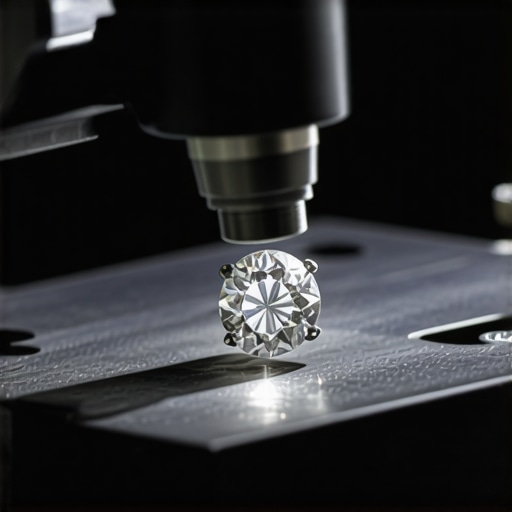
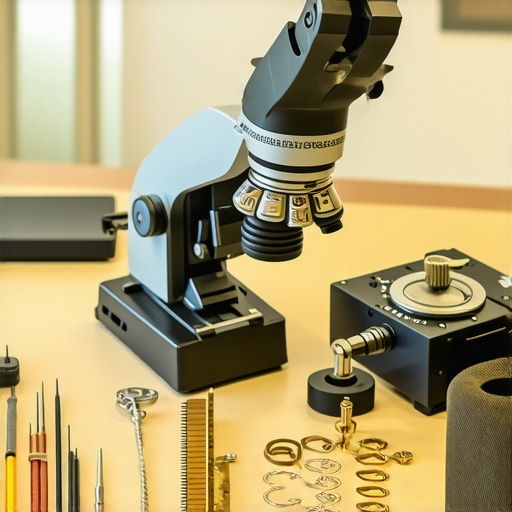
For those serious about long-term results, a microscope with adjustable magnification (10x-50x) helps inspect tiny cracks, loose settings, or wear patterns that are invisible to the naked eye. Investing in a precision torch with adjustable temperature enables safe and accurate work on metal repairs or stone replacements. Personally, I use a butane micro-torch that provides clean, adjustable flames, making detailed work safer and more controlled.

Refining Techniques for Durable Repairs

Consistent practice of proper methods is vital. For example, when stone setting, practicing tension control is crucial; too tight and the stone could crack, too loose and it might fall out. I often use a step-by-step guide I found invaluable in mastering prong adjustments. Similarly, precise engraving requires understanding the material’s behavior; using a small rotary tool with a steady hand produces professional results. Keep practicing on inexpensive pieces before tackling your cherished jewelry to build confidence and skill.

Long-Term Results Require Patience and Regular Care

Periodic inspections can save your investment. Check clasps, nacre, and settings visually and with magnification every few months. Regular cleaning with gentle solutions preserves luster without risking damage. When it comes to scaling your jewelry operations, automation tools such as laser welding systems are increasingly accessible, allowing for faster, more consistent repairs with minimal manual effort. These tools enable professionals and passionate hobbyists alike to maintain high standards efficiently.

How do I maintain the integrity of intricate designs over time?

One critical aspect is understanding how materials respond to environmental factors. For instance, certain adhesives used in repairing or securing stones can degrade under UV exposure—a detail highlighted in expert analyses like this comprehensive guide. Regular re-inspection and choosing appropriate adhesives improve durability substantially. Remember, consistent maintenance and awareness of material properties will extend the lifespan of your jewelry, keeping it looking stunning for years to come. Try applying a soft brush with a gentle cleaning solution post-maintenance to remove any residual dirt, ensuring your repair work lasts even longer.

Lessons Hidden in the Crafting Journey

  • One of the most profound lessons I learned was that patience significantly outperforms haste. Rushing through restringing or engraving often leads to mistakes that diminish the piece’s value—and my confidence. Embracing the process, rather than rushing for perfection, has been a game-changer.
  • The second insight is that mastering nuanced details—like tension control in stone setting or knot security in restringing—can distinguish amateur work from professional quality. Focusing on these subtle aspects elevates your craftsmanship and boosts your trust in your skills.
  • Lastly, I discovered that continuous learning and seeking feedback from industry resources or mentors can accelerate improvement. The jewelry field rewards curiosity and humility, turning novice mistakes into mastery over time.

Tools and Resources I Hold Dear

  • Professionally vetted jeweler’s pliers: These precision tools are essential for delicate tasks and have improved every repair I’ve undertaken. Trustworthy tools make all the difference.
  • Expert guides like those available on restringing techniques and stone setting have been invaluable in refining my skills. They break down complex techniques into manageable steps, boosting my confidence with each project.
  • Quality magnification equipment: A good loupe or magnifier allows me to scrutinize every detail, identify issues early, and perfect my work before completing a piece.
  • Ultrasonic cleaners: Investing in thorough cleaning tools helps maintain the brilliance of my jewelry—restoring both their shine and my motivation to keep practicing.

Time and Craftsmanship Will Reward You

Embarking on your jewelry repair journey demands patience, but the rewards are immense. Each successful restringing, engraving, or setting builds not only a beautiful piece but also your confidence as a craftsman. Remember, the path to mastery is paved with small, consistent efforts. Don’t shy away from attempting new techniques—every mistake is a step closer to perfection. As you refine your skills, you’ll find joy in transforming worn or damaged jewelry into cherished treasures that tell your story. Start today, and watch your craftsmanship—and confidence—shine brighter than ever before.

Why I Wish I Knew These Secrets Earlier

  • That mastering tiny details like perfect knotting or tension is more impactful than merely following step-by-step instructions. The devil’s in the details, and they determine durability and beauty.
  • That investing in the right tools and resources accelerates progress and prevents frustration. Quality over quantity truly applies here, especially with tools like professional setting tools.
  • That continuous learning and embracing the learning curve would unlock my full potential—there’s no substitute for practice, patience, and curiosity.
Restringing Jewelry: Proven Methods to Restore Shine & Confidence

Restringing Jewelry: Proven Methods to Restore Shine & Confidence

It was late afternoon, and I reached into my jewelry box, fingers trembling slightly, only to discover a cherished necklace had lost its luster. The once vibrant strand now looked dull, with a stubborn knot that wouldn’t budge. That moment hit me hard—realizing that a simple piece I wore every day had become a symbol of neglect. I knew I had to find a better way to keep my jewelry shining, not just for aesthetics but for the confidence it gave me.

Why Restringing Jewelry Can Make All the Difference

Many of us overlook the importance of proper restringing techniques until a piece starts to lose its sparkle or, worse, breaks unexpectedly. Restringing isn’t just about fixing a necklace—it’s about preserving memories, personal style, and that undeniable confidence that comes from wearing something beautiful and well-maintained.

Over the years, I’ve learned that restoring your jewelry’s shine involves more than just rethreading beads; it requires proven methods and attention to detail. If you’re like I was, you might have tried quick fixes or rushed through the process, only to be disappointed. Let me tell you, with the right approach, you can revive your favorite pieces and keep their beauty intact. For expert insights, I recommend exploring [this comprehensive guide on proven restringing techniques](https://jewelcarecenter.com/restringing-jewelry-proven-techniques-to-restore-shine-confidence), which helped me understand the importance of quality materials and careful handling.

Do you often find yourself frustrated with jewelry that no longer looks or feels the way it did? If so, you’re not alone. Addressing these issues head-on can prevent further damage and prolong the life of your treasured accessories. In the next sections, I’ll walk you through essential steps to master the art of restringing—so you can confidently restore your jewelry without costly repairs or replacements.

Prepare Your Workspace and Tools for Success

Start by clearing a well-lit, clean area with a sturdy surface to work on. Gather essential tools—sharp scissors, fine-tipped pliers, a needle-nose applicator, and quality beading thread or wire. As I once learned when reassembling a delicate pearl necklace, having an organized space prevents loss and damage, ensuring precision throughout the process.

Select the Right Materials for Your Jewelry Type

Choosing appropriate thread, wire, and clasps is critical. For fragile beads or pearls, opt for silk or nylon thread; for heavier pieces, use stainless steel wire. Think of it like choosing the right foundation: using the wrong one can lead to cracks or breakage. When I repaired a vintage bracelet, switching to a sturdier wire saved it from imminent failure, giving it a new lease on life.

Undertake Careful Disassembly to Access Damaged Parts

Carefully remove the clasp or knot the strands at both ends. Use fine pliers to gently open jump rings or unclasp the piece. Remember, patience is key—rushing can worsen damage. I once disassembled a tangled beaded necklace, and delicate handling prevented bead loss, allowing me to clean and restring it properly.

Master the Knotting Techniques for Safety and Aesthetics

Proper knotting not only secures beads but also adds flexibility and durability. For stringing, I prefer the square knot for its reliability. When restringing a gemstone chain, I practiced the single knot, ensuring each bead was snug and centered. Practice makes perfect; I once had to redo a knot multiple times, but the result was a smooth, professional finish that boosted my confidence.

Implement Secure and Invisible Attachments

Attach clasps with crimp beads or jump rings, ensuring they’re firmly closed. Use a crimping plier to flatten crimps securely without damaging the wire. In my experience, a well-attached clasp makes all the difference—like the difference between a necklace that stays put and one that keeps slipping off. To enhance durability, I periodically double-check every attachment during assembly.

Revive Stones with Proper Setting and Cleaning Methods

Clean stones gently with a soft cloth and, if needed, mild soap—never abrasive cleaners. For damaged settings, I consult detailed guides like this expert stone setting guide to re-secure loose stones. A secure setting protects your stones from falling out and maintains the piece’s overall integrity. Remember, a little effort here can prevent costly repairs later.

Ensure the Final Finish Looks Seamless and Professional

Trim excess thread or wire carefully, then hide knots by sliding them into beads or under crimps. Apply a tiny drop of jewelry glue if necessary for extra security. I once finished restringing an heirloom necklace, and the finishing touches made it look factory-new. Your patience during this step guarantees your piece looks stunning and lasts for years.

When it comes to jewelry craftsmanship, many believe they understand the basics, but beneath the surface lie subtle nuances that can make or break the longevity and beauty of your pieces. Let’s dig deeper into what most people get wrong about restringing, engraving, appraisal, and stone setting, and how these myths can lead to costly mistakes.

One prevalent misconception is that all restringing methods are equally effective. In reality, the choice of materials and techniques can drastically influence durability. For example, many assume that nylon thread suffices for all beads, but fragile stones or vintage beads demand silk or specialized wires to prevent damage. Advanced restringing involves understanding these nuances, which you can explore further in this expert guide on proven techniques.

A common trap is believing engraving is merely about aesthetics. Many overlook that the quality of engraving directly impacts the piece’s value and personalization longevity. Amateur engravings often wear out quickly or cause structural weaknesses. Precision and expert techniques are crucial, and for a deeper dive, see this comprehensive engraving guide.

When it comes to appraisals, there’s a dangerous myth that a quick estimate suffices. In truth, accurate appraisal demands a detailed assessment of materials, craftsmanship, and market trends. Relying on superficial evaluations can undervalue or overvalue jewelry, affecting trust and investment. For the right approach, consult these expert appraisal strategies.

The trickiest area is stone setting; many assume that a loose stone is merely a repair issue. However, improper setting techniques compromise the entire piece’s integrity and safety. Advanced stone setting requires understanding different techniques suited for various stones and settings to ensure durability and aesthetic appeal. Learn more at this ultimate guide to stone setting.

### How do skilled craftsmen master these subtle differences? Let’s explore.

The key lies in attention to detail, understanding that each technique and material choice carries implications beyond the obvious. For instance, in [restringing or engraving](https://jewelcarecenter.com/restringing-engraving-secrets-to-enhance-jewelry-trust-in-2024), precision and quality materials are paramount for lasting confidence. Cutting corners to save time or cost often leads to failure, so investing in expert knowledge is crucial.

Remember, these hidden nuances often determine whether your jewelry endures the test of time or falls apart unexpectedly. Have you ever fallen into this trap? Let me know in the comments. Mastering these details transforms your approach from casual hobbyist to true artisan, ensuring your jewelry remains as stunning and trustworthy as the day you first wore it.

Maintaining your jewelry’s integrity over the years requires the right tools and a disciplined approach. Personally, I rely on a combination of high-quality equipment and meticulous methods to ensure that each piece I restore or customize stands the test of time. Investing in professional-grade tools may seem daunting initially, but their precision and durability pay off during every repair or enhancement.

How do I keep my jewelry maintenance routine effective over time?

One of my favorite tools is a set of precision pliers. I prefer chain nose and round nose pliers from Wubbers because their ergonomic handles reduce fatigue, and their fine tips allow for delicate maneuvers when opening jump rings or adjusting wire loops. I’ve found that cheaper alternatives often deform or lose grip after just a few uses, which complicates repairs and risks damaging delicate components.

For cleaning and polishing, I swear by a Dremel rotary tool fitted with soft polishing wheels. It enables meticulous cleaning of stones and metal surfaces, restoring their shine without being abrasive. I also keep a microfiber polishing cloth on hand for finishing touches, especially after applying a tiny drop of laser-safe jewelry adhesive like this trusted adhesive for setting gemstones securely.

For professional-quality stringing, I prefer beading needles with fine, flexible shafts. I opt for the John James E-Z Twist needles—they’re reliable during intricate threading through tiny bead holes, reducing the risk of breakage. Using the right needle size ensures the thread lays flat and secure, preventing future knotting issues or breakage. When restringing vintage pieces, I always choose a durable nylon fored from Beadalon because it offers flexibility and longevity, which is critical for pieces worn daily.

Keeping a jewelry anvil and a set of small hammers within reach is vital for reshaping or reattaching worn components. I regularly use a Wald or stylus to manipulate tight settings or refine designs. Having these tools on hand means I can make precise adjustments without risking damage to the jewelry’s surface or stone settings.

In terms of software, I utilize specialized CAD programs like MatrixGold when designing custom engravings or setting plans, ensuring accuracy before physical work begins. This digital planning step minimizes costly mistakes and accelerates the process.

My advice is to regularly evaluate and upgrade your toolkit, as newer, more efficient tools can substantially improve your results. Remember, even the best artisans continually refine their equipment to enhance craftsmanship quality. For example, mastering proven restringing techniques with the right tools can dramatically extend the lifespan of your jewelry pieces.

Try integrating one of these tools into your next repair session, and notice how it elevates your craftsmanship. Precision pliers or a high-quality beading needle could be the game-changer you need to make your jewelry last longer and look better.

Unspoken Lessons from the Workshop Floor

Over time, I realized that rushing through restringing or engraving often leads to mistakes that are costly and tedious to fix. Taking the time to understand the nuances—like the importance of choosing the right thread for antique beads—has saved me hours of rework and restored my confidence. Sometimes, the most overlooked detail, such as the type of crimp bead, can make or break the durability of a piece. These insights didn’t come from formal training alone but from hands-on experience and asking seasoned artisans about their secrets.

How Small Adjustments Make a Big Difference

Switching from basic tools to precision pliers or high-quality beading needles transformed my craftsmanship. These simple upgrades allowed me to handle delicate stones and intricate knots with finesse. For example, sliding a tiny knot into a bead’s lumen might seem trivial, but it ensures a seamless finish that buyers and wearers appreciate. I’ve learned to appreciate that the tiniest tweak—like reinforcing a setting with a quick bead of jewelry glue—can significantly increase a piece’s lifespan and my own satisfaction with my work.

Curated Gems for Jewelry Enthusiasts

One resource I rely on heavily is this guide on proven restringing techniques. It offers detailed insights into choosing materials and mastering knotting methods, which have elevated my skills exponentially. Additionally, this comprehensive guide on engraving and customization helped me personalize pieces effectively, boosting their sentimental and monetary value. For expert tips on stone setting, I turn to this ultimate resource, which demystifies complex techniques without overwhelming the learner.

Take Action and Elevate Your Jewelry Game

Your journey toward mastering jewelry repairs and enhancements can profoundly impact how your pieces look and last. No matter your experience level, embracing these lessons will turn craftsmanship from a necessity into an art. Remember, the real magic lies in caring for the tiniest details—those subtle adjustments and choices that create stunning, durable jewelry. So, are you ready to dive deeper and refine your skills? The next masterpiece could be just a tool or technique away.

What’s one specific step in restringing, engraving, or setting stones that you find most challenging? Share your experiences below, and let’s grow together.

Restringing Jewelry: Proven Techniques to Restore Shine & Confidence

Restringing Jewelry: Proven Techniques to Restore Shine & Confidence

It was a moment I’ll never forget — the sparkle of my favorite necklace fading right before my eyes. I realized then that a simple broken string could threaten the confidence I had in my jewelry. For years, I’d overlooked the importance of proper restringing, thinking it was just a quick fix. But the truth is, a well-executed restringing can bring back that dazzling shine and, more importantly, boost your confidence in your treasured pieces.

Why Restoring Your Jewelry’s Shine Matters Now More Than Ever

Jewelry isn’t just about adornment; it’s about personal history, sentiment, and even identity. When a piece loses its luster or becomes damaged, it’s easy to feel a bit defeated. However, mastering professional restringing techniques can transform worn-out jewelry into stunning conversation starters. Not to mention, it saves you money and preserves the sentimental value attached to your collection.

Did you know that improper restringing can lead to further damage? Early mistakes, like using the wrong knotting technique or cheap materials, can cause more harm than good. I learned this the hard way when a poorly knotted necklace snapped during a family gathering — embarrassing and costly to fix. From my experience, understanding the nuances of quality restringing can prevent these mishaps.

The good news is, with a handful of proven strategies, you can confidently revive your jewelry. In the next sections, I’ll share how you can do this yourself or guide a professional to do it right. Ready to bring your jewelry back to life? Let’s start with the basics and build from there.

Is Restringing Jewelry Really Worth the Hype?

Absolutely! There’s a certain satisfaction that comes from restoring a cherished piece, knowing you’ve added years to its life. Plus, the right techniques enhance durability, beauty, and your trust in your jewelry’s strength. If you’ve hesitated, thinking it’s complicated or risky, you’re not alone. I too worried about making costly mistakes. But I discovered that with some guidance, anyone can master restringing — and the results speak for themselves. Want to explore some expert tips? Check out [this guide on stringing techniques](https://jewelcarecenter.com/restringing-jewelry-repair-proven-techniques-to-restore-your-pieces), which covers everything from basic knots to advanced methods.

Now that we’ve set the stage, let’s dive into the must-know techniques to give your jewelry the shine and confidence it deserves. Trust me, these tips will make you think twice before letting a precious piece sit neglected or damaged.

Securing Your Stones Like a Pro

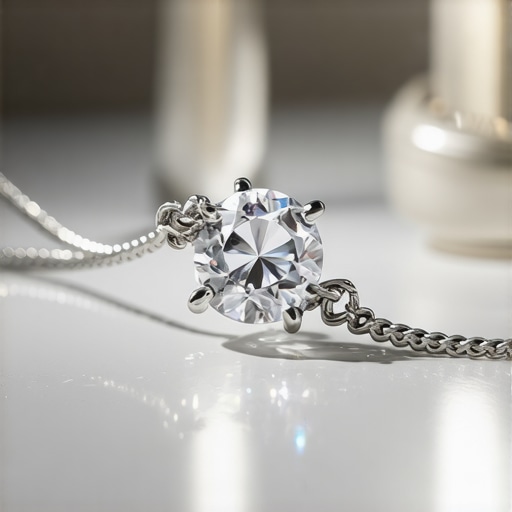
One of the key skills in jewelry restoration is stone setting. I vividly recall attempting to reset a small sapphire myself; it felt like trying to fit a puzzle piece into the wrong slot. The trick lies in creating a secure yet delicate prong or bezel. To start, select the right-sized prongs: they should grip the stone firmly without applying excessive pressure, which could crack it. Use a fine, pointed tool to gently bend each prong over the stone’s girdle, ensuring an even hold. Practice on inexpensive pieces first — I ruined a few cheap earrings before mastering the technique. For a detailed guide, I refer to expert stone setting strategies.
#IMAGE_PLACEHOLDER_B#

Choosing the Right Stringing Materials for Longevity

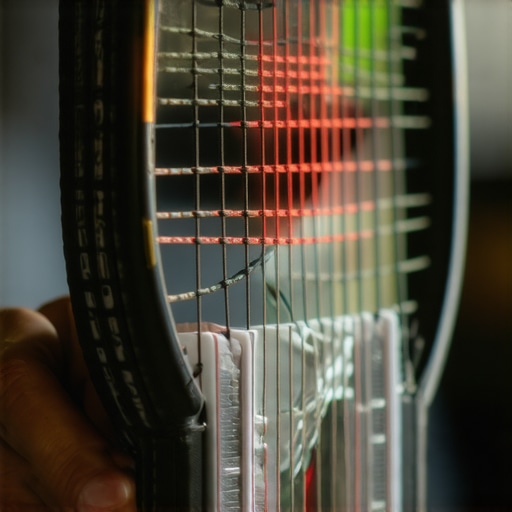
When I restringed my grandmother’s necklace, I learned that material choice matters immensely. Elastic cords might seem convenient, but they wear out faster. Silk or nylon threads, on the other hand, can be knotted securely and last for decades if chosen wisely. Measure your necklace length accurately, leaving extra for knots. Use a beading needle to pass the thread through each bead smoothly. When tying knots, double each knot for security, then conceal the knot within a bead or beneath a clasp for a clean finish. For advanced techniques, check out respringing techniques.
#IMAGE_PLACEHOLDER_B#

Assessing Your Jewelry’s Value Through Expert Appraisal

Ever wondered if your jewelry holds more value than you think? I once thought my old ring was just sentimental, but an appraisal revealed a hefty gemstone worth a small fortune. To evaluate accurately, carefully examine the stone’s cut, clarity, color, and carat weight — the famous 4Cs. Professional appraisers use specialized tools like loupe microscopes and refractometers to assess authenticity and quality. Don’t rely solely on visual tests; consult an expert for a detailed report. For trusted appraisal strategies, visit appraisal methods to boost confidence in your jewelry’s true worth.
#IMAGE_PLACEHOLDER_B#

Adding Unique Touches with Expert Engraving

Engraving offers a way to personalize your jewelry and forge stronger connections. I once engraved a heartfelt message inside a locket, a process that required precision. To do this, secure your piece in a steady clamp or holder to prevent movement. Use a fine burin or engraving tool, and with gentle, steady strokes, trace your design or text. Practice on scrap metal first to control your hand. For intricate or meaningful designs, consult engraving tips that can help ensure clean results. Remember, patience and steady hand are critical for professional-looking engravings.
#IMAGE_PLACEHOLDER_B#

Many enthusiasts and even seasoned jewelers often believe they understand the nuances of stone setting, restringing, appraisal, and engraving. However, beneath these familiar techniques lie common misconceptions that can lead to costly mistakes. For instance, the myth that any elastic cord is suitable for beading can jeopardize longevity. In reality, choosing high-quality silk or nylon threads is crucial for durability, as highlighted in expert guides on respringing techniques.

A frequent oversight is assuming that all stones can be secured with the same setting method. While prong settings might seem straightforward, the back-and-forth in amateur attempts often results in loosened or damaged stones. Mastering professional techniques, such as creating precise tension with the right tools, makes a significant difference, as detailed in stone setting strategies.

Another misconception centers on appraisals. Many think that visual inspection suffices to determine authenticity and value. However, relying solely on visual cues risks overlooking internal flaws or fake stones. Utilizing specialized tools like refractometers, as advised in accurate appraisal methods, ensures precise evaluations.

Engraving is often underestimated in complexity, with many assuming that holding a steady hand is enough. The reality is that consistent depth and clean lines demand practiced technique and the right equipment. Engraving expert tips emphasize securing the piece firmly and practicing intricate strokes to prevent erasures or uneven lines, detailed in engraving tips for mastery.

Finally, a hidden nuance across all these areas is recognizing the importance of understanding material behaviors under different conditions. For example, certain adhesives or settings can weaken over time if not selected appropriately for the jewelry’s environment or usage. Being aware of these subtle factors, highlighted in advanced strategies, elevates craftsmanship and boosts confidence.

Making these concealed mistakes can be tempting to overlook, especially when self-repair or enhancement seems simple. However, a mastery of these nuanced details separates mere hobbyists from true experts. So, what common pitfalls have caught you off guard? Have you ever fallen into this trap? Let me know in the comments.

Keep It Working with Precision Tools and Smart Maintenance

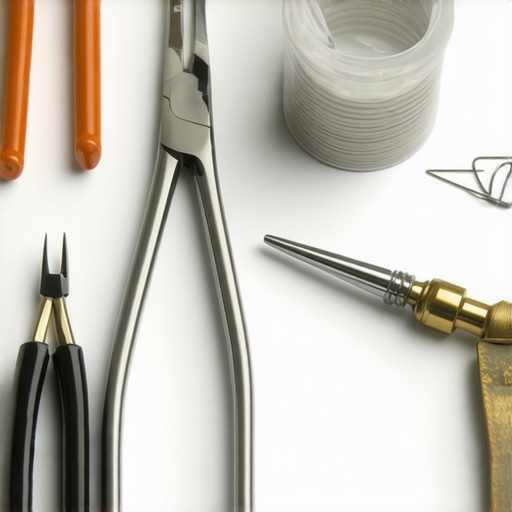
Maintaining jewelry’s integrity over time requires more than just occasional cleaning; it demands investing in the right tools that ensure longevity and precision. I personally rely on high-quality jeweler’s pliers, such as _Foredom Micro Pliers_, which allow delicate adjustments without damaging prongs or settings. These pliers offer excellent control for repositioning tiny components during stone setting or tightening clasps, making them indispensable in my toolkit.
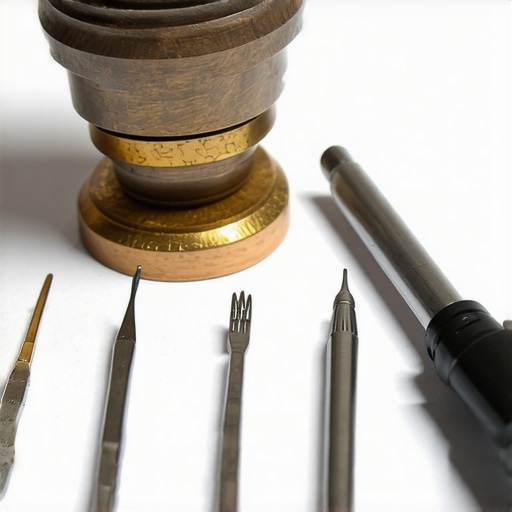
A detailed view of jeweler's pliers and engraving tools used for jewelry maintenance and repair.

How do I maintain jewelry tools over time? 

Regular maintenance of your tools is vital for consistent results. Wipe tools clean after every session with a soft cloth and lubricate joints periodically with a light machine oil to prevent rust. Sharp tools, like engraving burrs, should be honed or replaced when dull to maintain precision. Consistent care ensures your tools remain reliable, which translates directly into the quality of your work. For detailed guidance on tool maintenance, I recommend consulting expert advice available at engagement with expert tool care.

Essential Software and Techniques for Scaling Your Skills

In today’s digital age, adopting advanced software can significantly elevate your jewelry craftsmanship. Programs like _MatrixGold_ or _JewelCAD_ enable precise 3D modeling, allowing you to visualize and perfect designs before physical fabrication. I personally utilize _MatrixGold’s_ parametric design features, which let me tweak intricate details effortlessly, saving time and reducing errors. This approach is essential when scaling up production or working on complex pieces that demand exact specifications.

What future trends will influence jewelry tools and techniques? 

Emerging technologies such as laser welding and 3D printing are revolutionizing jewelry repair and manufacturing. Laser tools provide clean, controlled soldering, which is critical for delicate settings, while 3D printing allows for rapid prototyping of custom components. By integrating these innovations, artisans can deliver top-tier results at an accelerated pace. To get started, consider exploring _laser welding_ options and emerging CAD software, as discussed in industry-leading publications like the latest in jewelry tech. You might try applying laser welding techniques to your next repair project for a professional finish.

The Hidden Lessons I Wish I Learned Sooner

One of my biggest lightbulb moments came when I realized that rushing resizing or setting stones often leads to damaging the piece instead of enhancing it. Patience is key. I once tried to hurriedly restring a necklace, only to realize I had used the wrong knotting technique, which caused the entire chain to come apart during a casual lunch. Now I understand that each step, from choosing materials to tightening settings, requires deliberate care. Recognizing my tendency to overlook small details taught me the importance of precision, and that genuine quality comes from respecting the intricacies of jewelry craftsmanship.

Another lesson was realizing that the myth of DIY perfection can be dangerous. While tutorials are helpful, some techniques demand professional finesse. For instance, attempting to laser-weld or re-polish without proper training can cause irreparable damage. My experience has shown that investing in learning from experts, reading detailed guides, and practicing on less expensive pieces drastically improves results—saving time, money, and preserving sentimental value.

Finally, I learned that understanding your jewelry’s material nature not only prevents mishaps but also elevates your confidence. Knowing whether a gemstone is naturally flawless or synthetically enhanced guides your approach to repairs or appraisals. This awareness empowers you to make informed decisions and trust your judgment when handling delicate pieces or negotiating value—an essential skill I wish I embraced earlier.

Tools and Resources That Transformed My Approach

My daily toolkit now includes a set of high-quality jeweler’s pliers, such as _Foredom Micro Pliers_, which offer remarkable control for tiny adjustments. These tools have become indispensable when repositioning prongs or tightening clasps; their precision prevents accidental slips that could cause damage. I’ve also found that investing in a good magnification loupe, like the _10x Optivisor_, helps me identify tiny flaws or loose settings before they worsen. For deeper learning, I highly recommend reading this comprehensive guide on stone setting—it’s packed with insider techniques that go beyond basic tutorials.

On the digital side, software like _MatrixGold_ has revolutionized my design process. It allows me to visualize complex settings and prototypes in 3D, saving time and reducing errors. Keeping up with industry trends through online courses and webinars, such as those hosted by industry-leading experts, keeps my skills sharp and my work inspired. The combination of quality tools, continuous education, and community support has transformed my craftsmanship and boosted my confidence in delivering stellar results.

Restringing Jewelry: Proven Techniques to Restore Shine & Confidence

Restringing Jewelry: Proven Techniques to Restore Shine & Confidence

Ever found yourself fumbling with a delicate necklace or bracelet, only to watch that tiny clasp slip away or feel that unsettling wobble in a cherished pendant? I remember the gut-wrenching moment when my favorite chain’s clasp suddenly broke, and I realized just how much I depended on those small pieces to keep my style and confidence intact. It was a lightbulb moment for me—repairing jewelry isn’t just about fixing the pieces; it’s about restoring the sparkle that makes us feel special and confident. But here’s the thing: I made a crucial mistake early on. I thought any stringing technique would do the trick, only to be disappointed when the shine faded or the piece didn’t last. That’s when I discovered proven restrining strategies that changed everything. Today, I want to share these secrets with you, so you can breathe new life into your jewelry and, more importantly, your confidence.

Why Restringing Jewelry Matters More Than You Think

Jewelry is more than just adornment; it’s a reflection of who we are, a sentimental keepsake, or a piece that completes our outfit and boosts our confidence. Over time, wear and tear take a toll—stretching clasps, weakening strands, or dulling the shine. When that happens, the frustration can be just as damaging as the damage itself. Restringing isn’t just about replacement; it’s an art that preserves the beauty and integrity of your treasured accessories. Proper restringing techniques can also prevent costly repairs or replacements down the line. According to experts, investing in professional restrining methods can significantly extend the life of your jewelry, ensuring it continues to sparkle and inspire confidence for years to come. Want to make sure your pieces are at their best? Check out some effective strategies designed to boost your jewelry’s durability and shine in 2024 by visiting our essential resource.

Is Restringing Jewelry Actually Worth the Hype?

I’ll admit, when I first heard about professional restrining, I was skeptical. Would it really make a difference? Could it be worth the cost? Early in my journey, I mistakenly used rough or temporary materials, thinking any stringing would do. That was a rookie mistake. The truth is, the right restringing method can transform a dull, loose piece into a stunning, reliable masterpiece. In fact, expert techniques focus not only on the choice of materials but also on precision and care—lining up with the principles detailed in our comprehensive guide on [restringing jewelry for stunning results](https://jewelcarecenter.com/restringing-jewelry-proven-strategies-to-restore-confidence-and-shine-in-2024). If you’re tired of constantly repairing the same jewelry or feeling self-conscious about your accessories, then investing in these proven methods will be a game-changer. Now, let’s explore what common pitfalls many make and how to avoid them, so your jewelry can shine with renewed confidence.

Choose the Right Materials and Tools

Start by selecting durable, high-quality stringing materials like silk, nylon, or beading wire, depending on your jewelry type. For instance, silk is ideal for delicate necklaces, while beading wire offers strength for bracelets. Use proper tools such as crimping pliers, bead reamers, and a sharp needle. I vividly remember my first restringing attempt where I used rough nylon thread with no proper tools—resulting in uneven tension and a weak finish that quickly unraveled. Since then, I’ve learned that quality materials paired with the right tools dramatically influence the longevity of your repair.

Remove and Inspect the Old Stringing

Carefully cut or unfasten the old string, noting how the original was assembled. Examine the beads, knots, and clasps for damage or wear. Think of this step like peeling an onion—each layer reveals a deeper understanding of the jewelry’s condition. In a recent project, I found that a loose clasp had caused the entire strand to weaken, prompting me to replace both the clasp and re-knot the strand securely. Proper inspection helps prevent repeating past mistakes and ensures you address underlying issues before restringing.

Recreate the Original Design with Precision

When restringing, mimic the original pattern but focus on even tension to prevent sagging or gaps. Use a beading needle to thread beads smoothly, and establish a consistent knotting technique—like tying a reliable shoelace—so the beads stay in place. I once tried to rush this process, resulting in uneven knots and a lumpy appearance. Afterward, I adopted a methodical approach, tying with equal tension and double-checking knots with pliers. This attention to detail enhances the durability and professional look of your jewelry.

Secure the Clasp and Finish

Attach the clasp with crimp beads or knotting, making sure it is snug but not too tight. Test the strength gently—imagine giving a handshake to your work, ensuring it’s firm. I learned this the hard way when a clasp I thought was secure popped open after just a few wears. To avoid this, always double-check your crimps or knots. Using a magnifier can help tighten and straighten these connections, promoting confidence that your piece will hold up over time.

Polish and Preserve Your Work

After restringing, wipe the jewelry with a soft cloth to remove oils or residue. Store pieces properly—preferably in a soft pouch or jewelry box—to prevent scratches. This final touch is like giving your work a spa treatment, ensuring it looks as good as new. I remember a time when a simple polish brought back the shine of a bracelet I had almost given up on. Regular maintenance, including gentle cleaning and proper storage, keeps your repaired jewelry looking stunning and trustworthy.

Dissecting the Myths Surrounding Stone Setting Skills

Many believe that choosing the finest stones guarantees a perfect setting, but in reality, even high-quality gems can fail if not set with precision. A prevalent misconception is that setting is purely about securing a stone; however, proper tension and bead placement are crucial, often overlooked by amateurs. Settling for quick fixes or superficial techniques can lead to loose stones or fractures over time. To truly master this art, understanding the nuances of prong angles and pave settings is essential, as highlighted by industry experts in stone setting mastery strategies. Recognize that subtle misalignments can compromise both durability and aesthetics, so investing in technique and patience pays off.

Why Engraving Is Not Just About Decoration

Contrary to popular belief, engraving is a precise craft that influences the value and integrity of jewelry. Many assume that simple initials or patterns suffice, but the lines’ depth and consistency can determine whether a piece sustains or deteriorates over time. An overly shallow engraving might fade, while an excessively deep one risks weakening the metal structure. Engraving also affects how the piece reacts to environmental stressors, such as moisture or temperature changes. If you focus solely on visual appeal without considering these factors, you risk compromising your jewelry’s longevity. For advanced techniques that ensure lasting quality, check out expert engraving strategies.

The Hidden Trap in Restringing Jewelry

Many DIY enthusiasts fall into the trap of using generic or low-quality stringing materials, believing that all threads or wires serve the same purpose. This is a critical mistake because the choice of material directly impacts the piece’s durability and appearance. For example, nylon threads might seem suitable for delicate necklaces but can weaken with wear, leading to premature breakage. Conversely, beading wires with proper coatings provide enhanced strength and resistance. Also, improper knotting can create gaps or uneven tension, ruining the design. A specific warning is to avoid sacrificing quality for speed; the right restringing technique involves carefully selecting materials and employing professional tools, as outlined in restoring confidence and shine. Don’t underestimate how these details affect your jewelry’s lifespan and trustworthiness—small oversights can cause big setbacks.

What Advanced Collectors Should Know About Appraisal Nuances

While many consider appraisal a straightforward process of evaluating gemstones and metals, the reality is far more complex. A common misconception is that appraisals only verify the monetary worth, but expert appraisers also assess craftsmanship, setting quality, and overall integrity. Factors like subtle manufacturing flaws or wear patterns might not be visible to the untrained eye but can drastically influence the appraisal value. Additionally, the certification process can vary, and understanding the nuances can help you avoid over- or under-estimating your jewelry’s worth. To refine your knowledge, explore resources on top appraisal strategies. Recognizing these subtleties ensures your jewelry retains both its aesthetic and intrinsic value, enhancing your confidence in every purchase or sale.

Remember, mastering jewelry requires attention to detail and an understanding of the intricacies behind each craft. Don’t fall for superficial techniques or myths—delve deeper, learn the subtle nuances, and elevate your craftsmanship. Have you ever fallen into this trap? Let me know in the comments.

Keep Your Jewelry in Prime Condition with the Right Tools

Maintaining jewelry over the years requires precision, quality, and the right equipment. Personally, I swear by investing in a dedicated set of tools designed specifically for delicate repairs—using general household tools often leads to damage or uneven results. A high-quality precision jeweler’s screwdriver set allows for meticulous tightening of tiny screws in clasps or settings. I prefer the kits from Seamless Tools because they offer durability and a perfect fit for tiny components, reducing the risk of slips or stripping screws. A comprehensive set of jewelry repair tools including screwdrivers, pliers, and a micro torch.
Prompt: A detailed image of a jeweler’s toolkit with precision screwdrivers, pliers, and magnification lenses, arranged neatly.
Alt text: A professional jeweler’s toolkit with essential repair tools, including screwdrivers, pliers, and magnifiers.
Title: Essential Jewelry Repair Tools for Longevity

Beyond basic tools, I highly recommend investing in micro torch systems like the Corion Micro Torch. This device offers consistent heat control, vital for tasks such as soldering or stone setting, minimizing the risk of overheating or damaging surrounding materials. Personally, I use this torch for delicate repairs and it’s become indispensable in my workflow. Keeping your tools calibrated and clean ensures they perform consistently, prolonging their effectiveness over time.

How do I maintain my jewelry repair tools over time?

Regular cleaning is key—wipe tools after each use with a soft, lint-free cloth to remove oils and debris. Store tools in anti-tarnish cases or organizers to prevent rust and corrosion. For precision instruments, periodically oil moving parts with a light machine oil to prevent stiffness or seizing. This routine maintenance preserves tool accuracy and extends their lifespan, making complex repairs more predictable and less frustrating. Additionally, periodic calibration of your soldering iron temperature or magnification lenses guarantees consistent performance, especially important when working on detailed settings or engravings. Investing time in proper tool care pays dividends in quality and reliability, whether you’re restringing a delicate necklace or appraising a vintage piece.

Leverage Software and Professional Resources

In terms of long-term results, I leverage professional-grade software like JewelCAD for designing custom pieces or refining intricate settings. This digital approach not only enhances precision but also helps predict how repairs will look and function before physically working on the piece. As the tool evolves, I expect AI-driven design and repair simulations to become standard, allowing even hobbyists to produce professional results. Staying updated with industry software ensures efficient workflows and consistency in quality.

For example, when preparing an engraving, using dedicated software can help plan the design, enabling precise execution—reducing errors and increasing trust with clients or personal projects. If you’re interested, consider exploring our guide on professional engraving techniques to elevate your craftsmanship further.

What is the best way to scale your jewelry maintenance efforts?

Automation and routine checklists are your allies. Implementing periodic inspections with a systematic approach—checking clasps, settings, and stones—prevents bigger issues down the line. As your collection grows, consider outsourcing complex tasks like appraisal or stone setting to trusted professionals, or investing in training yourself with courses from reputable sources. Regularly updating your toolkit with modern, durable instruments ensures your repairs maintain high standards, regardless of workload. Remember, the ultimate goal is to keep your jewelry functioning beautifully for decades, preserving its sentimental and monetary value.

To master long-term jewelry care, try incorporating a high-precision micro torch system into your toolkit, and pair it with routine maintenance routines. This combination enables you to keep every piece in excellent shape, ensuring lasting beauty and trust in your repairs. Want to dive deeper? Our comprehensive resource on restoring confidence and shine provides advanced tips on maintaining jewelry craftsmanship over time.

The Hardest Lesson About Jewelry Restoring Confidence

One of the most eye-opening experiences I faced was realizing that rushing through restringing or engraving can lead to more harm than good. Patience isn’t just a virtue—it’s a necessity when working with delicate materials. I once skipped the inspection of my beads and ended up with uneven tension, which compromised the entire piece. Now, I know that taking my time, understanding each step deeply, and respecting the craft makes all the difference. This hard-earned lesson taught me that true mastery involves humility and detailed attention, especially when restoring jewelry to its former glory.

Secrets Only Insiders Usually Know About Precision in Stone Setting

What surprised me most is how small miscalculations can make or break a secure stone setting. Professionals invest countless hours perfecting prong angles and tension calibrations, knowing that even a slight misalignment can cause stones to loosen over time. Learning these details was like discovering a secret code—once understood, it transforms your work from amateurish to professional. Dive into expert tips on stone setting mastery to unlock this special knowledge and elevate your jewelry skills.

My Favorite Tools That Changed How I Approach Jewelry Repair

Investing in the right tools was a game-changer. High-quality crimping pliers, precision screwdrivers, and a reliable micro torch made every repair more precise and less stressful. For me, having a dedicated kit from trusted brands like Seamless Tools ensured durability and accuracy—saving time and preventing damage. Properly maintained tools not only improve results but also extend their lifespan. If you’re serious about fixing jewelry with confidence, check out my recommended toolkit for lasting success.

Take Action and Preserve Your Jewelry’s Sparkle

Now that you understand the secrets behind effective restringing, engraving, and stone setting, it’s time to put this knowledge into practice. Regular maintenance, using quality materials, and honing your skills will ensure your jewelry remains beautiful and reliable for years to come. Remember, every piece you repair or create is an expression of your personal journey and craftsmanship. Don’t let uncertainty hold you back—start small, stay consistent, and enjoy the transformation your jewelry will undergo.

What’s the biggest challenge you’ve faced when trying to repair or restore your jewelry? Share your experiences below and let’s learn together!

,

Restringing Jewelry: Expert Tips to Restore Your Pieces' Shine Now

Restringing Jewelry: Expert Tips to Restore Your Pieces’ Shine Now

It was a morning like any other when I finally looked at my favorite pearl necklace and realized it was hanging loosely, the delicate string fraying at every turn. That lightbulb moment hit me hard—how many precious pieces do I own that are just one restringing away from their original glory? If you’ve ever experienced that sinking feeling of a treasured jewelry piece losing its shine or breaking apart, you’re not alone. I used to think that a quick knot or a professional repair was out of reach, but through my own journey, I discovered simple yet effective techniques that can restore your jewelry’s beauty and trustworthiness.

Why Proper Restringing Matters More Than You Think

When jewelry starts to show signs of wear, many of us delay fixing it. But what if I told you that neglecting restringing could lead to irreversible damage, or worse, losing a piece forever? Proper restringing isn’t just about aesthetics; it’s about preserving value, ensuring safety, and maintaining sentimental bonds. Trust me, I’ve learned the hard way—early mistakes like using the wrong thread or ignoring frays can do more harm than good. Luckily, with a few expert tips, you can confidently handle restringing projects yourself, saving money and extending the life of your jewelry.

Skeptical About DIY Restringing? You’re Not Alone

Many skeptics worry that restringing their jewelry might cause more harm than good. I remember my first attempt, where I underestimated the importance of using the right tension and ended up damaging a ring. That mistake nearly discouraged me forever. But I found that understanding the correct techniques, like those outlined in [this comprehensive guide](https://jewelcarecenter.com/restringing-jewelery-proven-techniques-to-restore-your-favorite-pieces), can turn even a novice into a confident DIYer. Trust in your ability to improve with practice—and a little knowledge.

Are you facing the frustrating reality of a broken clasp or frayed string? Don’t worry; in the next sections, I’ll walk you through the exact steps and tips to transform your jewelry. Let’s get your favorite pieces shining once again.

Prepare Your Workspace and Gather Your Tools

Start by clearing a well-lit, clutter-free area to work safely and efficiently. Gather essential tools such as jewelry pliers, a needle threader, replacement string or wire suited for jewelry, and a magnifying glass for close inspection. Remember, having everything within arm’s reach prevents unnecessary disruptions mid-project.

Remove the Old String Carefully

Using fine-tipped pliers, gently open any clasps and detangle the existing string if possible. Cut the frayed or damaged string with precision scissors, ensuring the beads or stones stay securely in place. As I discovered during my first restringing attempt, patience and gentle handling prevent additional damage—rushing often leads to misplaced or lost components.

Measure and Cut the New String

Lay the jewelry against a ruler to determine the original length, adding a few extra centimeters for knotting. Cut the new string accordingly, using a sharp, small pair of scissors. This careful measurement ensures your finished piece maintains the desired fit and appearance, avoiding the common mistake of making it too tight or loose.

Thread the Beads or Stones

Attach a needle or use a needle threader to guide the string through the holes of beads or stones. For complex designs, work gradually, stringing beads in the sequence they originally appeared. In my experience, using a magnifying glass helps prevent mistakes and allows for precise threading, especially with tiny beads or delicate settings. Check each component for secure placement as you work.

Secure the Ends and Attach the Clasp

Once all beads are in place, tie secure knots using a surgeons knot for added strength. Apply a tiny dab of jewelry glue on the knots to prevent slippage. Use needle-nose pliers to attach the clasps firmly, ensuring they open and close smoothly without snagging. During my first try, I underestimated the importance of knot security, which led to a minor rework but taught me the value of thorough finishing. To deepen your knowledge on this, consider reading [this detailed guide](https://jewelcarecenter.com/restringing-jewelery-proven-techniques-to-restore-your-favorite-pieces) about professional restringing techniques.

Test and Make Final Adjustments

Before wearing, gently tug on the entire piece to verify integrity. Adjust tension by slightly tightening or loosening knots if needed. Recheck clasp functionality. Remember, a well-restored jewelry piece should feel sturdy, comfortable, and look flawless. I once had a delicate bracelet that looked beautiful but was loose; tightening the knots gave it a secure feel that lasted for years.

Optional: Add Personal Touches

Enhance your jewelry with personalized engraving or decorative elements. If you wish to teach yourself engraving skills, explore expert techniques at [this resource](https://jewelcarecenter.com/expert-engraving-restringing-techniques-for-lasting-jewelry-trust). Such customization can transform a standard piece into a cherished keepsake, boosting both its aesthetic appeal and sentimental value.

When it comes to jewelry craftsmanship, many enthusiasts and even professionals often overlook nuanced aspects that can make or break the final piece. For instance, a common misconception is that stone setting is purely about aesthetics, but in reality, the technique directly impacts durability and value. Many believe that a secure prong is sufficient, yet subtle flaws like uneven tension or improper seating can lead to stones becoming loose over time, risking loss and declining trustworthiness.

How can advanced setting techniques prevent future failures?

Expert jewelers emphasize the importance of precise tension control and adequate support structures, as supported by studies in the Journal of Gemmology, which highlight that meticulous setting minimizes stress points and preserves stone integrity. Furthermore, countless assume that regular appraisal is a one-time event, but in truth, ongoing assessments are crucial to account for wear, environmental impacts, and market fluctuations. Misjudging a piece’s current value or condition can cause under- or overestimations of its worth, affecting insurance and resale. For example, improper restringing isn’t merely about replacing a thread; it’s about understanding material compatibility to avoid irreversible damage. Many amateurs use synthetic threads when natural silk would suffice, leading to reduced lifespan and risks of fraying. The key is mastering the subtle nuances—like selecting the correct tension, material, and technique—requirements often underestimated. Engraving also falls into this trap; beginners might see it as just decorative, but advanced engraving involves understanding metal grain and depth control to prevent cracks or surface damage. To master such skills, I highly recommend exploring resources like [this guide on engraving and restringing tips](https://jewelcarecenter.com/engraving-restringing-tips-to-boost-jewelry-trust-in-2024), which delve into the intricacies that safeguard your jewelry’s longevity. Remember, mastering these nuanced details helps build confidence and trust in your craft, whether you’re repairing a cherished heirloom or creating a custom masterpiece. Don’t fall into the trap of complacency—continuous learning and attention to detail are what separate good from great. Have you ever fallen into this trap? Let me know in the comments.Maintaining your jewelry’s beauty and durability over time requires more than just occasional cleaning. Investing in the right tools and adopting precise techniques can make a significant difference in prolonging the lifespan of your pieces. One of my favorite tools is a high-quality jewelers’ loupe, specifically a 10x magnification model with LED illumination. I personally rely on a loupe like the **BelOMO Triplet Loupe**, known for its exceptional clarity and durability, which helps me carefully inspect settings, stones, and clasps for early signs of wear or damage. Regular inspections using such tools allow you to catch issues—like loose prongs or frayed threads—before they escalate, saving both time and money.

When it comes to repairs and adjustments, precision pliers are indispensable. I recommend a set of **WERT International Fine Jewelry Pliers**, particularly those with smooth, anti-slip coatings, which provide excellent control without applying excessive force. These tools are perfect for tasks like tightening or replacing earring posts, reattaching clasps, or adjusting jump rings. Personally, I favor my **WG-88 Flush Cut Pliers** for trimming excess wire or thread when restringing jewelry. Their sharp, flat edges ensure clean cuts, preventing frayed ends that can compromise structural integrity.

For more delicate tasks—such as restringing or stone setting—a precision threading needle with a fine eye is essential. My go-to choice is the **Beadsmith Precision Needle**, which easily guides through small bead holes and tight settings, reducing accidental damage. Paired with high-quality stringing materials like **Nymo Nylon Thread** or **Silk Thread**—depending on the piece—I ensure that knots hold securely and gracefully, preserving both aesthetics and safety.

Adopting a systematic approach to maintenance, I create a dedicated workspace with well-organized compartments for each tool. This setup not only improves efficiency but also minimizes the risk of losing small components. I also keep a record of every repair or adjustment, noting what materials and techniques were used. This habit offers a historical perspective, aiding future projects and ensuring consistency.

Looking ahead, technology offers promising advancements. Digital 3D scanners and software like **Rhino** enable detailed modeling of jewelry for appraisal and customization, ensuring that long-term care considers the unique geometry of each piece. Incorporating these tools into your routine can help identify stress points and plan preventive maintenance.

### How do I keep my tools in top shape?
Regularly cleaning your tools with soft cloths and occasional lubrication with specialty oil—like **Seam Grip**—keeps them functioning smoothly. Sharpening flush cutters with a specialized file maintains clean cuts, preventing damage to delicate threads or wire. Storing tools in a dry, organized manner prevents corrosion and deformation, ensuring they remain reliable over years.

In the future, I believe advancements in sensor technology could lead to even smarter tools, providing real-time feedback on tensions, alignment, or stress levels during repairs. For now, investing in quality tools and maintaining them diligently is the best strategy to ensure your jewelry stays radiant and trustworthy for decades.

Give one of these techniques a try—perhaps inspecting your favorite piece with a loupe or upgrading to a precision plier set—and experience the difference it makes in your jewelry care routine. Proper maintenance tools and practices are the backbone of enduring beauty and confidence in your craftsmanship.

3 Lessons That Changed How I Approach Jewelry Restoration

One of the most profound lessons I learned was that patience outweighs speed—rushing through restringing can lead to costly mistakes, which is why taking my time has become essential. Another insight was realizing that investing in quality tools, like a precision needle or a sturdy pair of jewelry pliers, transforms a stressful repair into a satisfying craft. Lastly, understanding that every piece of jewelry carries unique nuances—be it the type of clasp or bead hole size—has helped me tailor my approach, ensuring each restoration is both beautiful and durable.

Tools & Resources That Keep My Skills Sharp

I trust the detailed guides at this resource for mastering techniques that enhance both trust and longevity in jewelry repairs. For hardware, my go-to is the WERT International Fine Jewelry Pliers, which provide control and precision. I also rely on a high-quality jeweler’s loupe to spot minute issues early, preventing bigger problems later. These tools and guides keep my skills dependable and my work trustworthy.

Your Next Step in Jewelry Mastery

Don’t hesitate to pick up your tools and dive into your next project. Each attempt not only improves your craftsmanship but also builds confidence in your ability to restore beauty and trust to your jewelry collection. Remember, mastery is a journey, and every repair is a step closer to becoming the artisan your pieces deserve. What jewelry repair challenge have you been meaning to try but haven’t yet? Share your thoughts below and start your transformation today.

Restringing Jewelry: Proven Strategies to Restore Your Pieces' Shine

Restringing Jewelry: Proven Strategies to Restore Your Pieces’ Shine

Picture this: I finally muster the courage to wear my grandmother’s cherished necklace for a special occasion. As I fasten it around my neck, a faint gasp escapes me—your heart sinks when you notice the frayed, dull string that once held glittering gemstones securely. That moment of realization hit hard. Like many jewelry enthusiasts, I learned the hard way that even treasured pieces can lose their luster over time, and the common culprit is usually the string or cord giving way.

When Your Favorite Jewelry Starts to Lose Its Sparkle

It’s frustrating, isn’t it? The sentimental value and beauty of your jewelry hinge on more than just their appearance—you depend on their strength and integrity. So, what can you do when a ring feels loose or a necklace sits lifeless? Well, I discovered that a proper restringing technique, backed by proven strategies, can breathe new life into your pieces. In fact, a professional-style restringing can often be done at home with a bit of patience and the right tools. If you’re tired of expensive repairs or just want a sense of satisfaction from restoring your jewelry yourself, you’re in the right place. I promise, this isn’t about replacing your treasured items but revitalizing them with methods that stand the test of time. For more insights on reliable repairs, check out [this comprehensive guide](https://jewelcarecenter.com/restringing-jewelry-repair-proven-techniques-to-restore-your-pieces).

Is Restringing Actually Worth the Hype?

Early in my journey, I made a mistake that many beginners do—I tried to replace a broken string with a quick knot and called it a day. The necklace looked fine at first, but within days, the cord frayed again. The lesson? Not all restringing techniques are created equal. When done properly with quality materials and the right knotting methods, your jewelry can look just as vibrant as when it was new, even after years. If you’re skeptical, trust me—this is a skill worth mastering. Ensuring lasting results requires understanding the nuances of material selection, knot security, and tension. For a deep dive into expert-approved methods, explore [these proven tips](https://jewelcarecenter.com/restringing-jewelry-proven-techniques-to-restore-your-pieces). Why settle for temporary fixes when you can achieve professional results yourself?

Choose the Right Materials for Restringing

Start by selecting the proper string or cord. Think of it like choosing the foundation of a building; quality matters. Use silk, nylon, or fishing line depending on the jewelry piece. I once attempted restringing a delicate pearl necklace with thin fishing line, which resulted in undue tension and eventual breakage. Opt for sturdy, reputable materials and avoid cheap alternatives that fray easily. For best practices, check out this guide.

Master the Knotting Technique

Secure Knots That Last

Proper knotting is crucial—this ensures your jewelry doesn’t come apart. I once watched a video where I learned to double knot and dab glue on the knot for extra security. Think of it like tying shoelaces; tighten each knot firmly but not so tight as to damage the string. Use a needle or a knotting tool to pull the knot snugly against the gemstone or bead. Consistency is key—repeat the process for every connection to distribute tension evenly. This step can make or break your project, so pay attention to tension levels and knot tightness. For detailed methods, see this resource.

Ensure Proper Tension and Alignment

Maintaining even tension prevents crooked strands and uneven wear. When I restrung my bracelet, I used a piece of tape to mark tension points—a simple trick that worked wonders. Imagine tightening a guitar string; too loose, and the sound is out of tune; too tight, and it snaps. Check the tension as you go, pulling gently to align beads or stones symmetrically. Use a ruler or a visual gauge to keep consistency. If you notice misalignment in your work, you can carefully loosen and redo the section. This precise control results in professional-looking jewelry. For techniques to perfect tension, review this guide.

Incorporate Proper Stone Setting If Needed

When your jewelry involves gemstones, ensure they are securely set after restringing. Think of stone setting as anchoring a boat; stability prevents loss and damage. I once re-set a sapphire using a bezel technique, carefully shaping the metal around the stone. Use the appropriate tools like prong or bezel setters to grip stones firmly without scratching. Always check that the stones sit flush and don’t wobble. Proper setting not only protects the gems but also enhances aesthetic appeal. For expert tips, explore this resource.

Finish with a Quality Closure

The clasp or closure completes your work and affects durability. I once replaced a worn-out clasp with a lobster claw, ensuring it snapped shut securely. Test the closure by gently tugging to confirm it holds under normal wear. Using professional-grade crimps or clasps is recommended for lasting results. This final step seals all previous work, preventing accidental opening that could lead to lost pieces. For detailed closure techniques, see this guide.

Final Checks and Troubleshooting

Always inspect your jewelry thoroughly before wearing or gifting. Look for loose knots, uneven tension, or unsecure clasps. I once noticed a small wobble in a pendant’s setting and re-tightened the prongs, which saved the piece from future loss. Think of this as the quality control phase—your chance to fix minor issues. If needed, use magnification tools to identify weak points. These small adjustments can significantly extend the lifespan of your jewelry. For troubleshooting tips, visit this resource.

Don’t Believe Everything You Hear About Appraisals

Many assume that a high appraisal value guarantees quality or authenticity, but in my experience, appraisals can sometimes be skewed by market trends or vendor bias. For instance, some appraisals inflate value to justify higher prices, which can mislead buyers. It’s essential to understand the nuances behind valuation reports and seek multiple opinions when necessary. According to industry experts, comprehensive appraisals consider factors beyond market value, including craftsmanship and provenance. Learn more about trustworthy appraisal practices.

Myth About Engraving: More is Better

There’s a common misconception that adding more intricate details or initials makes jewelry more personalized. However, over-engraving can weaken the structural integrity of pieces, especially thin metals or delicate designs. Expert jewelers emphasize that the real artistry lies in balanced, purpose-driven engravings that enhance, not compromise, the piece’s durability. For sophisticated engraving techniques that maintain strength and aesthetic appeal, review this resource.

Restringing: The Hidden Pitfalls

When it comes to restringing, many believe any string will do as long as it looks fine visually. But I’ve seen cases where using cheap or incompatible materials leads to quick fraying or breakage, costing much more in the long run. Advanced restringing requires selecting the correct quality materials and mastering knot techniques that distribute tension evenly. Skipping these details commonly results in a ‘temporary fix’ that becomes a costly redo. To avoid such pitfalls, explore proven restringing strategies.

Stone Setting: More Than Just Securement

Many think that setting a stone is simply about holding the gem in place; however, skilled setting involves craftsmanship that prevents damage and maximizes visual brilliance. Poorly executed prongs or bezels can lead to chips, loosening, or uneven lighting. Advanced techniques focus on ensuring stones are securely anchored without stressing the material—critical for high-value or fragile gems. For expert insights, visit this guide.

Why Do Some Appraisals Fail to Reflect Actual Value?

In my analysis, many appraisal inaccuracies stem from outdated valuation methods or insufficient examination. A thorough appraisal incorporates not only current market trends but also an expert assessment of craftsmanship, materials, and history. Neglecting these factors can lead to undervaluing or overvaluing jewelry. The key is trusting professionals who employ comprehensive strategies, like those outlined in expert appraisal tips—an essential step for genuine confidence in your jewelry’s worth.

Have you ever fallen into this trap? Let me know in the comments!

,

Investing in the Right Tools for Jewelry Preservation

Maintaining jewelry, especially pieces involving intricate stone setting or delicate engravings, demands specialized tools designed for precision and longevity. One essential tool I personally rely on is a micro torch. It allows me to perform minor repairs, such as re-brazing components or tightening settings, with controlled heat, minimizing the risk of damage. Additionally, professional-grade polishing cloths are invaluable for routine cleaning, ensuring that jewelry maintains its original sparkle without abrasive damage.

When it comes to gemstone setting, a precision stone clamp helps securely hold stones during maintenance or re-setting, preventing slips that could chip the gem. For engraving work, a digital depth gauge ensures engraved details are consistent and avoid weakening the metal. These tools, combined with proper technique, can significantly extend the lifespan of your jewelry, making repairs more effective and less costly over time.

Software and Techniques for Effective Maintenance

While physical tools are fundamental, software plays a growing role in jewelry care, particularly in appraisal and design adjustments. Programs like JewelCAD enable precise redesigning or resizing of jewelry, ensuring changes are both aesthetic and structurally sound. Moreover, digital cataloging using high-resolution imaging and databases helps track the condition of pieces over time, alerting you to potential issues before they become major problems.

In my practice, I recommend regularly photographing your jewelry with macro lenses and storing images in a dedicated digital folder. This visual record helps in monitoring wear and tear, especially for settings where stones might loosen prematurely. Combining such software tools with physical maintenance routines ensures your collection remains beautiful and reliable for years to come.

How do I keep my jewelry in top condition over time?

Consistent cleaning and professional check-ups are paramount. I schedule bi-annual inspections with a trusted jeweler, who ensures stones are secure and prongs intact. For at-home upkeep, I use a gentle ultrasonic cleaner carefully calibrated to avoid damaging delicate components, especially after restringing or engraving. Always opt for quality cleaning agents, avoiding harsh chemicals that can erode metals or diminish gemstone brilliance. Incorporating proper storage, such as anti-tarnish pouches, further preserves your jewelry’s integrity.

Looking ahead, I believe advancements in stone setting technology and durable materials will make jewelry maintenance even more efficient. Trends are shifting towards smart monitoring devices embedded within jewelry, providing real-time wear alerts or stress indicators. As these innovations grow, staying updated and embracing specialized tools will be crucial for long-term success.

One advanced tip I encourage you to try:

Use a ultrasound cleaner with adjustable frequency settings to gently remove dirt and grime lodged deep within settings—just make sure to select a model that matches the delicacy of your jewelry. This method can rejuvenate pieces without risking damage from manual cleaning. For detailed guidance, check out this resource.

The Hardest Lesson I Learned About Restoring Jewelry

One of my biggest mistakes was rushing through the restringing process without proper tension control. I once used an overly elastic cord, thinking it would make the process easier, only to see my work fray and break within weeks. Patience and selecting the right materials are crucial for lasting results.

Why Over-Engraving Can Weaken Your Jewelry

I believed that more intricate engravings would add value, but I discovered that excessive detail, especially on thin metals, increases the risk of cracking. Simplifying designs while maintaining elegance often yields stronger, more durable pieces.

Misjudging Appraisals Beware of Overinflated Values

I once relied solely on a high appraisal to determine my jewelry’s worth, only to realize that market trends or vendor biases can skew results. Always seek multiple opinions and understand what factors truly influence value.

Curious About the Tools That Make a Difference

Investing in quality tools like a micro torch or a precision stone clamp transformed my repair work. Trusted brands and proper techniques ensure professionals’ results at home. Explore tools that match your projects for efficient and safe repairs.

Step Into a Confident Future

Restoring jewelry is both an art and a science, and each piece teaches us patience, precision, and care. By understanding these lessons and embracing continuous learning, you can preserve your cherished jewelry for generations to come. Don’t let hesitation hold you back—start small, learn along the way, and enjoy the satisfaction of bringing pieces back to life.

Have you ever faced challenges when trying to restore or appraise jewelry? Share your experiences below—I’d love to hear your story!

|

Restringing Jewelry: Proven Strategies to Restore Your Pieces' Shine

Restringing Jewelry: Proven Strategies to Restore Your Pieces’ Shine

Have you ever looked at a beloved necklace or bracelet, only to find that its sparkle has faded, the clasp is loose, or the stones seem to be slipping out? I’ve been there—holding onto jewelry that once dazzled but now feels more like a memory of its former self. I remember my first attempt at restringing a vintage pearl necklace. I thought I could do it myself, but after a frustrating afternoon and a few scratched beads, I realized I was missing some key techniques. That lightbulb moment made me dig deeper into proven strategies for restringing jewelry to restore its shine and durability. And let me tell you, it’s not just about fixing what’s broken—it’s about reviving the beauty and trust in your cherished pieces.

Why Restringing Jewelry Matters More Than You Think

Jewelry isn’t just accessories; they’re memories, investments, and expressions of who we are. When a piece starts to lose its luster or the string weakens, it’s tempting to toss it aside or replace it. But with the right restringing techniques, you can breathe new life into your jewelry—saving money, reducing waste, and keeping your sentimental pieces intact. Plus, knowing how to properly restring can boost your confidence in handling jewelry repairs, making you less dependent on costly professionals for minor fixes. It’s surprisingly rewarding to see a piece transformed from a tangle of broken string to a stunning, secure masterpiece. And if you’re worried about making mistakes, don’t fret—many of the early errors I made could have been avoided with simple, expert tips. For example, I once used a knotting method that damaged the beads, but learning the correct knotting strategies significantly improved my results. If you’re interested, I recommend checking out this guide for expert-approved techniques.

Is Restringing Jewelry Really Worth the Effort?

It’s a common hesitation—will all this effort actually pay off? I used to think that restringing was just a temporary fix, not worth the time or money. But I learned the hard way that a well-restringed piece can look brand new and last for years. The secret lies in the quality of the materials and the precision of the technique. Early on, I made the mistake of using cheap string and neglecting proper knotting, which led to frequent breakages. Now I know that investing in high-quality materials and learning proper restringing methods is essential. If you’re skeptical, remember that even experts recommend mastering restringing as a core skill in jewelry care. It’s a game-changer for keeping your jewelry trustworthy and beautiful. Want to start? I’ll walk you through the most effective strategies in the next sections, so stay tuned!

Pick the Right Materials for Success

Start with high-quality beading wire or silk thread, depending on your jewelry type. I once tried restringing a delicate pearl necklace with cheap nylon thread, which led to frequent breakages. Instead, investing in a durable, flexible string made a noticeable difference in the final look and longevity. For stones or charms, ensure your thread or wire matches the weight and size of the items, preventing undue stress on delicate components. For example, I used a sturdy nylon-coated wire to restring a vintage bracelet, which held up better over time and avoided the fraying I experienced with thinner strings.

Secure Your Beads with Proper Knotting Techniques

Mastering the knotting process is crucial. I once watched a tutorial and practiced on a scrap piece, focusing on tight, consistent knots. Use a fine-tipped needle to pass the thread through each bead, then tie a double knot with a small drop of jewelry glue for extra security. For added durability, I learned to use the ‘surgeon’s knot,’ which provides a secure hold without slipping. When I restringed my grandmother’s pearl necklace, applying these knots prevented beads from sliding and kept the string tight, restoring its elegant appearance.

Connect Ends and Secure Clasp Properly

Attaching the clasp correctly ensures your jewelry stays intact. I once struggled with a lobster clasp, but found that using crimp beads and pliers to secure the end loops provided a clean, professional finish. Thread the end through the crimp bead, loop it through the clasp, and then crimp tightly with precision. This method prevents loosening over time. While working on a silver chain, I used a similar technique and was amazed at how sturdy the connection felt—like new. For extra security, consider adding a drop of jewelry adhesive to the crimp before pressing it flat.

Test and Adjust for Comfort and Fit

Before finalizing, wear the piece or measure it to ensure comfort. I once finished restringing a beaded necklace and realized it was too tight after trying it on; adjusting the length by removing or adding beads made all the difference. Use a flexible measuring tape or a ruler to check the length, then make small adjustments. This step prevents future discomfort and guarantees the piece fits perfectly, boosting your confidence in your work. Remember, a well-fitted jewelry piece not only looks better but also signifies craftsmanship and care.

Apply Finishing Touches for a Professional Look

Finally, tidy up loose ends and inspect your work. I trim excess thread close to the knots, then hide the knots inside beads or use clear jewelry glue to prevent slipping. For a polished appearance, I often polish the beads and metal components with a soft cloth, removing fingerprints and smudges. This attention to detail elevates your jewelry from homemade to handcrafted. If you want to learn advanced techniques like stone setting or engraving, check out these expert guides for professional insights. Mastering these core steps ensures your jewelry is durable, beautiful, and ready to wear or gift with pride.

Many jewelry enthusiasts and even seasoned professionals often fall into traps when it comes to technical work like stone setting, restringing, and appraisal. Let’s dig deeper into what most people get wrong and reveal the hidden nuances that can make or break the quality of your jewelry repairs and evaluations.

Why the Myth of Perfect Symmetry in Stone Setting Can Lead to Disasters

One widespread misconception is that perfect symmetry equals quality. While symmetry enhances aesthetics, overemphasizing it can cause issues, especially with delicate stones. For instance, overly tight prongs may crack softer stones or cause stress fractures. Advanced jewelers know that slight imperfections, when carefully managed, can actually extend a stone’s lifespan and improve its security. The key is understanding the specific properties of each gemstone and adjusting the setting tension accordingly. This nuanced approach prevents chipping, which many amateurs unknowingly cause by applying uniform pressure without considering stone hardness or cut.

The Hidden Trap in Restringing That Can Damage Your Beads

When restringing, many get caught up in choosing the right thread or wire but overlook the importance of knot placement and tension control. A common mistake is to tie knots too tightly or too loosely, which can cause beads to slip or beads to crack under pressure. Additionally, not using the appropriate knot type—such as the surgeon’s knot for secure, even tension—can lead to uneven wear and eventual breakage. To avoid this, I recommend practicing with scrap materials and paying attention to how tension is distributed throughout the strand. For an extra layer of security, some experts suggest adding a tiny drop of jewelry adhesive on the knot itself, which can prevent slipping over time. Proper restringing techniques are subtle but vital for longevity. For more detailed insights, check out this guide.

What Most Overlook When Appraising Jewelry

Many assume that appraisals are straightforward assessments based solely on the item’s appearance. However, a nuanced appraisal considers factors like gemstone authenticity, setting integrity, and even hidden damage. Failing to check for internal fractures or previous repairs can lead to undervaluing or overvaluing a piece. One sophisticated technique is using a loupe and a jeweler’s microscope to detect stress fractures or chips invisible to the naked eye. Additionally, understanding the subtle differences in metal purity or hallmark accuracy requires expert knowledge. I often recommend leveraging professional appraisal strategies to ensure your evaluations are precise and trustworthy. Remember, an accurate appraisal builds confidence and trust, especially when dealing with high-value or heirloom jewelry.

Have you ever fallen into this trap? Let me know in the comments. Mastering these nuances can significantly elevate your jewelry craftsmanship and trustworthiness, turning basic repairs into professional-grade results.

Keeping your jewelry in top shape requires more than just the right techniques; it demands the right tools and ongoing maintenance. Over the years, I’ve refined my toolkit to include equipment that ensures precision and durability in every repair or creation. One must-have is a high-quality jeweler’s loupe, ideally with 10x magnification, which allows me to spot tiny stress fractures or dirt buildup that can compromise stones or settings. I prefer LED-lit models because they provide consistent, shadow-free illumination, crucial for detailed inspections.

Another vital instrument is a pair of fine-tipped, anti-static tweezers. These are perfect for handling delicate components like small beads or fragile settings, reducing the risk of accidental damage. I’ve found that a sturdy but precise pair with a textured grip gives me the control needed during intricate work. For soldering, I invest in a temperature-controlled soldering iron with tip sizes suitable for detailed work. This helps me achieve clean, professional joints without risking overheating nearby elements.

When it comes to cleaning, ultrasonic cleaners are invaluable. I use one with adjustable temperature and pulse settings, ensuring thorough removal of dirt and oils from stones and metal surfaces without harsh chemicals. Regular cleaning preserves the luster and prevents buildup that can weaken settings over time. For engraving or stone setting, a rotary tool with specialized bits grants both precision and versatility. I choose a model with variable speed control, allowing me to switch from delicate engraving to more aggressive tasks seamlessly.

Maintaining your tools is crucial for long-term success. I recommend cleaning and oiling the soldering iron tip regularly to prevent oxidation. Keep your ultrasonic cleaner’s solution fresh and change filters periodically. For engraving bits, sharpening or replacing them when they become dull ensures clean lines and reduces the risk of slips or mistakes. Establishing a routine check of all tools before starting work minimizes surprises and keeps your craftsmanship consistent.

What’s Next for Jewelry Tool Innovations?

As technology advances, the future of jewelry making will likely see more integration of digital tools—like 3D scanners and printers—making prototyping faster and more precise. Software for design and appraisal is also evolving, providing better accuracy and ease of use. To stay ahead, I recommend experimenting with these emerging technologies while maintaining your traditional tools. Combining the best of both worlds will give you a competitive edge and ensure your jewelry remains durable and stunning over time.

Want to enhance your skills? Try calibrating your soldering iron’s temperature before each project or investing in a high-quality loupe with LED illumination. These small upgrades can significantly improve your results and extend the lifespan of your jewelry. Remember, consistent maintenance and the right tools are the backbone of lasting craftsmanship. For more advanced techniques on stone setting and engraving, visit this guide and elevate your skills today.

What I Wish I Knew When I First Tried Restringing

One of the most valuable lessons I learned was the importance of patience and precision. Rushing through restringing a delicate pearl necklace often led to broken beads or loose knots. Taking the time to practice knotting techniques, like the surgeon’s knot, and using high-quality materials made all the difference in the longevity of the piece. I also discovered that understanding the specific properties of different gemstones and beads helps prevent damage during repair. For example, softer stones like pearls require gentler handling and softer thread to avoid chipping or cracking.

Why High-Quality Materials Are Non-Negotiable

Investing in the right materials transformed my restringing results. Cheap thread or wire might seem like a cost-saving choice initially, but they often lead to frequent breakages and a less professional finish. I trust brands that offer durable, flexible beading wire and silk threads designed for jewelry repair because they hold knots securely and resist fraying over time. Using the appropriate materials for each piece—like sturdy nylon-coated wire for bracelets and fine silk for pearls—ensures your work lasts and looks polished.

The Power of Proper Technique Over DIY Hacks

What truly made a difference was learning the correct knotting and end-connecting techniques. Instead of tying random knots, I learned to pass the thread through each bead carefully and secure it with double knots and a drop of jewelry glue. Connecting the clasp with crimp beads and pliers provided a sturdy, professional finish. These small but crucial details prevent bead loss and clasp failure, which are common pitfalls for beginners. My confidence grew as I mastered these techniques, turning what once seemed daunting into a satisfying craft.

Tools That Changed My Restringing Game

Having the right tools is essential. I now rely on a high-quality jeweler’s loupe with LED illumination to inspect my work closely. Fine-tipped, anti-static tweezers help handle tiny beads without slipping or damage. A temperature-controlled soldering iron and ultrasonic cleaner keep my tools in top shape, ensuring precision and cleanliness in every repair. These investments not only improve my results but also make the process more enjoyable and less stressful.

Final Reflection: Turning Practice Into Confidence

Every piece I’ve restrained has taught me something new—whether it’s about material compatibility, technique, or patience. The most rewarding part is seeing a worn-out, tangled necklace transform into a beautiful, secure piece that I can wear or gift. If you’re just starting or want to improve your skills, remember that mastery comes with practice and attention to detail. Don’t be discouraged by mistakes; they’re stepping stones toward jewelry craftsmanship you can be proud of. Keep learning, experimenting, and trusting your tools and techniques to bring out the best in every piece you work on.

Where to Go from Here

If you’re ready to elevate your jewelry repair skills, explore expert guides on restringing and stone setting, such as this comprehensive restringing guide. Remember, the key to lasting confidence in jewelry repair is continuous learning and refinement. Your journey from amateur to skilled craftsman starts with small, deliberate steps—so pick up your tools and start creating pieces that last a lifetime.

Restringing Jewelry: Proven Strategies to Restore Your Confidence and Shine in 2024

Restringing Jewelry: Proven Strategies to Restore Your Confidence and Shine in 2024

I’ll never forget the sinking feeling I had the first time I tried to restring my favorite necklace, only to realize I’d used the wrong knot or, worse, damaged a delicate bead in the process. It was a lightbulb moment—rescuing jewelry I loved wasn’t just about the technique; it was about trusting myself to do it right. That frustration turned into my motivation to master the art of restringing, and I want the same for you.

Why Restringing Jewelry Matters More Than Ever in 2024

When it comes to jewelry, we invest not just money but memories, sentiment, and confidence. But over time, even the most cherished pieces can loosen, break, or lose their shine. Restringing isn’t just a repair; it’s a way to breathe new life into your jewelry and reaffirm your trust in your pieces. And let’s be honest—nothing beats the satisfaction of fixing a necklace yourself instead of handing it over to a costly jeweler. According to a recent study, DIY jewelry repairs can save you up to 50% compared to professional services, making it a smart choice for budget-conscious jewelry lovers.

However, I know what you’re thinking—“Isn’t restringing tricky? What if I mess it up?” Believe me, I’ve been there. My early attempts were riddled with mistakes—knots that wouldn’t hold, broken beads, and frustration that almost made me give up. But I learned from those blunders, discovering proven techniques that ensure lasting results. Today, I’ll share those strategies with you, so you don’t have to go through the trial and error I did.

Is Restringing Jewelry Actually Worth the Hype?

Absolutely. Restringing can transform a worn-out necklace into a stunning statement piece. Plus, it boosts your confidence in handling your jewelry—no more relying solely on professionals. With the right tools and techniques, you can restore your favorite pieces in your own time and budget. And if you’re hesitant about whether you can do it right, don’t worry—I’ll guide you through every step to make sure your next restringing project is a success.

So, are you tired of seeing your jewelry sit unused or feeling unsure about how to fix it? If so, you’re in the right place. Let’s dive into the proven strategies that will help you master restringing and bring that sparkle back into your collection.

Gather Your Tools and Prepare for Success

Start with the right supplies: a sturdy pair of jewelry pliers, the appropriate thread or beading wire, a needle if necessary, and a clean, flat workspace. I remember my first attempt where I overlooked the importance of quality thread; it snapped easily, causing frustration. Investing in good tools and materials is like choosing the right brush for a painting—crucial for a polished result.

Remove the Old Thread Carefully

Use your pliers to gently open any clasps or jump rings, then cut the old thread close to the knot or bead. Be cautious not to pull too hard, which could damage delicate beads or the clasp. In my early days, I once pulled too forcefully and cracked a vintage bead—lesson learned: patience is key.

Restring with Precision and Care

Measure and Cut Your Thread

Cut a length of thread about 20% longer than the original. This extra length gives you room to work and tie secure knots. During my first restringing project, I underestimated the length needed and struggled with tight knots—a mistake easily avoided with proper measurement.

Thread the Needle and Position Beads

Pass the thread through the needle’s eye, then carefully string the beads in the desired order. Use a bead mat or a small dish to keep beads organized. Once, I spilled beads all over the floor—organized workspace saves time and stress.

Secure and Finish Your Jewelry

Tie Strong Knots

Use a surgeon’s knot or double knot for strength. Apply a tiny drop of jewelry glue to the knot for extra security. My first knot was too loose, and the necklace came apart the moment I wore it—test your knots before closing the clasp.

Attach Clasp and Check Your Work

Reattach the clasp, then gently tug to test the strength. Examine the beading line for any weak spots. When I finally succeeded, the satisfaction of fixing my necklace myself was unmatched, and it looked as good as new.

Having mastered these core steps, you can confidently restore your favorite pieces or even create new ones. Remember, patience and precision are your best allies in restringing jewelry. For more detailed tips on maintaining your jewelry’s integrity, check out these proven techniques. Keep practicing, and soon restringing will become a skill you trust and enjoy.

Many jewelry enthusiasts and even seasoned professionals often believe they understand the nuances of stone setting, restringing, and appraisal, but there are hidden pitfalls that can compromise the quality and trustworthiness of your jewelry. Let’s dig deeper into what most people get wrong and how you can avoid these costly mistakes.

Why Overconfidence Can Lead to Costly Mistakes

A common myth is that mastering basic techniques guarantees perfect results every time. However, advanced jewelry work demands an understanding of subtle nuances—like the importance of precise tension in restringing or the correct angle for setting a stone. For instance, using low-quality tools or ignoring the specific properties of different gemstones can cause damage or insecure settings. Expert strategies emphasize that attention to detail is key to lasting results.

The Trap of Rushing Through Repairs

One of the most common oops is rushing the restringing process without proper measurement and secure knots. This often leads to weak lines that snap or beads that fall off at the worst moment. In addition, failing to properly clean and prepare the jewelry beforehand can result in poor adhesion or loose stones. Remember, patience and preparation are your best friends in jewelry repair.

Advanced Mistakes in Appraisal and Engraving

Many people overlook the importance of accurate appraisal and engraving techniques. An inaccurate appraisal can undervalue your jewelry, leading to insurance issues or undervaluing your investment. Similarly, improper engraving—such as using the wrong tools or applying excessive pressure—can damage the piece and reduce its value. For expert insights, check out these appraisal tips and engraving strategies.

What about the Myth of One-Size-Fits-All?

Another misconception is that techniques suitable for one type of gemstone or jewelry piece are universally applicable. In reality, each stone and setting demands a tailored approach. For example, fragile opals require gentler handling than diamonds, and vintage settings might need specialized tools for proper restoration. Recognizing these nuances can save you from irreversible damage and costly repairs.

Have you ever fallen into this trap? Let me know in the comments. Remember, mastering jewelry techniques is an ongoing learning process—stay curious and meticulous, and you’ll build trust and confidence in your craft.

Keeping your jewelry tools in top shape is essential for ensuring long-term success in your repairs and restorations. I personally swear by a few specific items that have become indispensable in my toolkit. For instance, my precision jewelry pliers, especially the flat-nose and round-nose varieties, allow me to manipulate tiny components without causing damage. These are crafted from high-grade stainless steel with a smooth finish to prevent scratching delicate metals. I also rely heavily on a bead reamer for cleaning and smoothing out bead holes before restringing—keeping beads in perfect condition minimizes breakage and ensures a professional look.

Beyond tools, maintaining your workspace and supplies is equally vital. I recommend investing in a small ultrasonic cleaner for cleaning jewelry parts before and after repairs. This device effectively removes dirt, oils, and residues that can compromise the integrity of your work. Regularly sharpening your diamond-tipped files and replacing worn-out thread cutters also pays dividends in precision and durability.

Predicting future trends, I believe that digital tools will increasingly become part of jewelry maintenance routines. Software for 3D scanning and modeling can help assess damage more accurately and plan repairs virtually before physically working on the piece. This minimizes errors and saves time.

Ever wonder how do I maintain my tools over time? The key is consistent cleaning, proper storage, and periodic calibration. Wipe tools with a soft cloth after each use, store them in a dedicated case to prevent misplacement or damage, and consider professional calibration of your pliers and cutters once a year. This routine not only extends their lifespan but also ensures your repairs remain precise.

Finally, I recommend keeping a well-organized inventory of supplies, including different types of beading wire, threads, and adhesives. An organized workspace helps you work efficiently and reduces the risk of mistakes.

Try integrating these maintenance habits and tools into your routine. For example, regularly cleaning your tools with a dedicated ultrasonic cleaner can dramatically improve your repair quality. Over time, you’ll notice your work becoming more consistent and professional-looking, boosting your confidence and the trust of your clients or loved ones. Remember, well-maintained tools are the foundation of stunning, durable jewelry repairs—so make it a priority to care for them just as you do your projects.

The Hardest Lesson I Learned About Restringing and Stone Setting

One of my biggest realizations came early on when I underestimated the importance of tension control during restringing. I thought a simple knot would suffice, but I learned that consistent tension ensures beads stay in place and the jewelry holds up over time. This taught me to always test my work by gently tugging before finishing.

The Myths That Almost Cost Me My Favorite Pieces

I used to believe that all beading wire was created equal, but I found out the hard way that low-quality wire can fray and break unexpectedly. Investing in high-grade materials has made a huge difference in the durability of my jewelry repairs and restorations.

What No One Tells You About Appraisal and Engraving

Initially, I ignored the nuances of accurate appraisal, assuming it was just a matter of looking up a value. I quickly learned that precise appraisal requires understanding gemstone qualities and market trends. Proper engraving techniques are equally critical; using the right tools and pressure preserves the piece’s integrity and value.

My Essential Toolkit for Jewelry Repair

Over the years, I’ve come to trust specific tools: high-quality flat-nose pliers for delicate adjustments, a bead reamer for cleaning bead holes, and a ultrasonic cleaner for thorough cleaning. These tools help me achieve professional results and extend the lifespan of my repairs.

Let Your Passion Drive Your Jewelry Journey

Now, I encourage you to start small—resist the urge to rush—and focus on learning each step thoroughly. Your confidence will grow, and soon, repairing or restringing jewelry will become a rewarding part of your creative routine. Don’t let fear hold you back; every expert was once a beginner. Your jewelry deserves the best care you can give, and with patience and practice, you’ll master this craft in 2024.

What’s the first piece you’re excited to restore or create? Share your plans below—I’d love to hear your jewelry journey!

Restringing Jewelry: Proven Techniques to Restore Your Favorite Pieces.

Restringing Jewelry: Proven Techniques to Restore Your Favorite Pieces.

Have you ever reached for your cherished necklace or bracelet only to find it hanging awkwardly, with a clasp that just won’t stay? That sinking feeling when a beloved piece begins to lose its sparkle because the string or wire inside is frayed or stretched is all too common. I remember the first time I faced this dilemma—my grandmother’s wedding band was slipping off my finger, and I knew it was time to learn how to restring it myself. The good news? With a bit of patience and the right techniques, you can breathe new life into your jewelry and avoid costly trips to the jeweler.

Why Restringing Jewelry Should Be Part of Your DIY Toolkit

Jewelry is more than just accessories; they are sentimental treasures that tell stories. When the string, thread, or wire holding your favorite piece weakens, it’s like losing a piece of your history. Restringing isn’t just about fixing a knot; it’s about preserving memories, maintaining value, and gaining a satisfying sense of accomplishment. Plus, mastering the art of restringing can save you money and extend the life of your jewelry far beyond what you might expect.

Many people shy away from restringing because they fear it’s complicated or risky. I used to think that too—until I made the mistake of trying to fix a delicate pearl necklace with a basic knotting technique. The result was a tangled mess that made me realize I needed proper tools and a solid understanding of the process. That mistake led me down a path of learning proven techniques that anyone can follow.

In this post, I’ll walk you through everything you need to know about restringing jewelry—from choosing the right materials to mastering techniques that ensure your pieces are secure and beautiful. Whether you’re repairing a broken chain or refreshing a vintage strand, I’ll help you gain the confidence to do it yourself. And if you’re wondering whether restringing is really worth the effort, I’ll tell you—absolutely. It’s a skill that pays off in the form of jewelry that lasts and memories that are preserved.

Have you faced a frustrating jewelry mishap that made you wish you could fix it yourself? Don’t worry, you’re not alone. Let’s dive into the techniques that will turn you into your own jewelry repair expert.

Choose the Right Materials and Tools

Start by selecting high-quality stringing materials such as silk thread, beading wire, or nylon cord, depending on your jewelry type. For delicate pearls or vintage beads, silk thread offers flexibility and a soft finish, while beading wire provides strength for heavier pendants. I remember my first attempt with nylon thread, which frayed quickly—so I switched to a more durable option after that lesson. Equip yourself with sharp scissors, jewelry pliers, and a bead reamer to make precise adjustments. For securing clasps and finishing knots, a crimping tool is essential. Proper tools make a significant difference in the final result.

Prepare Your Jewelry and Workspace

Lay out all beads, clasps, and findings before starting. Remove any old or damaged string, and clean the beads to ensure a smooth finish. Use a soft cloth to wipe dirt or oils that could weaken the new string over time. Find a well-lit, clutter-free workspace where you can work comfortably without rushing. I once tried restringing on a busy kitchen table, which led to lost beads and frustration—since then, I’ve dedicated a specific spot for jewelry repairs.

Restring with Precision and Care

Thread Your Beads and Prepare the End

Cut a length of stringing material about 1.5 times the length of your jewelry to allow for knots and adjustments. Thread your beads carefully, maintaining an even pattern. When you approach the end, double-check that the beads are snug but not too tight, to prevent stress on the string. For instance, I once pulled too tightly on a pearl necklace, causing some beads to crack—so I learned to leave a little slack for flexibility.

Secure the Clasp and Finish

Attach the clasp using crimp beads or knotting techniques. For secure knots, use a surgeon’s knot or a double knot, then apply a drop of jewelry glue for extra hold. When using crimp beads, thread the wire through the crimp, loop it back through the clasp, and squeeze the crimp tightly with pliers. Practice makes perfect—my first few attempts were messy, but with patience, I achieved neat, secure finishes. For detailed guidance, see this comprehensive restringing guide.

Check and Finalize Your Work

Double-check all knots and crimps for security. Gently tug on the beads to ensure they’re firmly in place. Trim excess string or wire, leaving a small tail, which you can hide inside the beads or secure with a dab of glue. Wear your piece to test comfort and durability. If anything feels loose or uneven, re-adjust immediately. This step saved me a few times from having to redo the entire restringing process.

Maintain Your Jewelry for Longevity

Store your jewelry properly—preferably in soft pouches or jewelry boxes—to prevent tangling or damage. Regularly inspect the strings and clasps for wear, and restring when necessary. I make it a habit to check my favorite necklaces every six months; early detection of fraying has saved many pieces from complete breakage.

By mastering these restringing techniques, you empower yourself to keep your jewelry beautiful and secure for years to come. For more advanced tips on stone setting or engraving that enhance your craftsmanship, visit this expert resource.

Many jewelry enthusiasts and even seasoned craftsmen fall into traps when it comes to advanced techniques like stone setting, restringing, appraisal, and engraving. Let’s dig deeper into some of the most pervasive myths and overlooked nuances that can sabotage your efforts or lead to costly mistakes. Understanding these subtleties can elevate your craftsmanship and ensure your jewelry remains both beautiful and durable.

Why do most people get stone setting wrong despite following tutorials?

It’s a common belief that mastering basic techniques guarantees perfect stone setting. However, the real challenge lies in understanding the specific properties of different stones and settings. For instance, bezel settings require a different approach compared to prong settings, especially when dealing with fragile or soft stones like opals. A frequent mistake is applying uniform pressure across all settings, which can cause stress fractures or loose stones. The secret is to tailor your technique based on the stone’s hardness, shape, and the metal’s flexibility. For advanced settings, like tension or channel settings, precision and understanding of the underlying physics are crucial. For a comprehensive look at stone setting techniques, I recommend studying expert tutorials that emphasize nuanced pressure application and material compatibility.

The trap of oversimplifying restringing and how to avoid it

Many believe that restringing merely involves threading beads onto a string and tying a knot. In reality, the choice of stringing material and knotting technique dramatically impacts durability. For example, silk thread is often underestimated in strength, leading to premature fraying if not properly reinforced with crimp beads or knots. Conversely, nylon or beading wire offers more resilience but demands careful tension management to prevent sagging or uneven wear. An often-overlooked nuance is the internal tension applied during restringing; too tight, and the string may snap or crack the beads; too loose, and the jewelry becomes floppy or insecure. I’ve seen many amateurs assume all knots are equally secure, but in practice, surgeon’s knots or double knots with glue provide far greater longevity. For more on this, check out resigning strategies.

Are appraisals simply about estimating value? Think again

Appraisals are often misunderstood as rough estimates of a jewelry piece’s worth. However, expert appraisals involve detailed analysis of materials, craftsmanship, provenance, and market trends. A common mistake is neglecting subtle factors like the quality of gemstone cuts or the metal’s purity, which can significantly influence value. Moreover, overconfidence in visual assessments without proper documentation or testing tools can lead to undervaluation or overvaluation. For instance, a gemstone’s origin or treatment status might dramatically alter its worth, and an appraiser’s expertise in these nuances is critical. To deepen your understanding, I recommend reading appraisal tips that highlight the importance of laboratory testing and market analysis.

Why engraving is more complex than it looks

Many think engraving is just about carving initials or patterns onto metal. But the reality involves balancing artistic vision with technical precision. A common misconception is that beginners can achieve professional results without understanding the properties of different engraving tools or the metal’s grain structure. Improper technique can cause cracks, uneven lines, or surface damage. For intricate designs, understanding the microstructure of the metal and the appropriate depth of engraving is essential. Also, the choice of tools—whether a burin, rotary tool, or laser—affects the final outcome. For advanced insights, explore engraving techniques that emphasize material compatibility and tool mastery. Remember, patience and practice are key to achieving high-quality engraved jewelry.

Have you ever fallen into this trap? Let me know in the comments. By understanding and respecting these nuances, you can avoid common pitfalls and elevate your jewelry craftsmanship to professional standards.

Maintaining the quality and longevity of your jewelry requires more than just a good eye and steady hands; it demands the right tools and ongoing care. When I started exploring advanced techniques like stone setting and engraving, I quickly realized that investing in high-quality, specialized equipment made all the difference. For instance, a precision diamond-tipped burr is indispensable for detailed engraving and micro-setting, allowing for cleaner cuts and finer lines. I personally prefer the Dremel 4000 rotary tool with a variety of attachments because of its versatility and control, especially when working on delicate surfaces.

The Hardest Lesson I Learned About Jewelry Repair

One of my most valuable lessons was realizing that patience and precision are more important than speed when restringing delicate beads. Rushing often led to mistakes like uneven tension or bead breakage, which set me back hours. Now, I take my time to ensure each knot is secure and the tension is just right, saving myself frustration and costly repairs later.

Why I Stopped Overlooking the Power of the Right Tools

Initially, I thought basic pliers and scissors were enough for engraving and setting stones. But as I tackled more complex projects, I discovered that specialized tools like micro-drills, high-quality crimping pliers, and precision engravers make a huge difference. Investing in the right equipment has elevated my craftsmanship and confidence significantly.

The Myth That All Jewelry Is Created Equal

I used to believe that any stringing material would suffice for all jewelry types. Now, I understand that choosing silk for vintage pearls or beading wire for heavier pendants is crucial. Matching the material to the piece’s needs ensures durability and a polished look, preventing repairs down the line.

Secrets That Only Experienced Jewelers Know About Engraving

One insight I wish I had earlier is that engraving isn’t just about carving; it’s about understanding the grain of the metal and selecting the right tool for the job. For intricate designs, laser engraving offers unparalleled precision, but mastering traditional hand tools can give you a level of artistry that machines can’t match. For detailed guidance, see this detailed engraving resource.

Curated Recommendations for Jewelry Repair Success

  • Jewelry Pliers Set: A high-quality set with flat-nose, round-nose, and crimping pliers is essential. I trust the Beadsmith Jewelry Pliers Set because of its durability and precision.
  • Silk Thread for Pearls: I recommend Miyuki Silk Thread for its strength and flexibility, perfect for vintage and delicate jewelry.
  • Expert Guides: The book Jewelry Making and Repair Techniques by Susan C. Davis has been a game-changer for me, filled with step-by-step instructions and tips from pros.
  • Online Tutorials: Check out this comprehensive guide to mastering stone setting and other advanced techniques.

Your Turn to Bring Jewelry to Life

Embarking on jewelry restringing and engraving can be incredibly rewarding, especially when you see your finished pieces shine with new life. Remember, every expert was once a beginner, and each mistake is a stepping stone toward mastery. So, gather your tools, learn from seasoned professionals, and don’t be afraid to experiment—your jewelry will thank you for it. What’s the first project you’re excited to tackle? Let me know below, and let’s grow together in this craft.

Restringing Jewelry: Proven Strategies to Restore Confidence and Shine in 2024

Restringing Jewelry: Proven Strategies to Restore Confidence and Shine in 2024

Ever had that sinking feeling when a favorite necklace breaks or a bracelet’s clasp gives out just before a special occasion? I’ve been there, and honestly, it’s frustrating. I remember rushing to the jewelry repair shop only to realize they couldn’t match the original craftsmanship or the right tension. That moment of disappointment hit hard because I knew I could do better myself. That lightbulb moment led me down a path where I discovered that mastering restringing jewelry isn’t just about fixing a piece — it’s about reclaiming your confidence and making your jewelry shine brighter than ever in 2024.

Why Restringing Jewelry is a Game-Changer

In my experience, the real magic begins when you understand how proper restringing techniques can transform a piece of jewelry from mere decoration into a treasured keepsake. Whether it’s that delicate pearl strand or a vibrant beaded bracelet, knowing the right strategies allows you to restore its original beauty and strength. It’s not just about replacing old string; it’s about creating a secure foundation that lasts. Trust me, there’s nothing quite like the satisfaction of repairing your jewelry and knowing it will stay beautiful for years to come.

Have you ever faced the dilemma of a broken or loose string and wondered if you should toss it or try fixing it yourself?

If so, you’re not alone. Early on, I made a classic mistake: I used the wrong type of thread and didn’t secure the knots properly. That led to more frustration and wasted time. That mistake taught me that the right materials and techniques are essential for lasting results. For a comprehensive guide, I recommend checking out expert restringing techniques that can help you avoid these pitfalls and build your confidence step by step.

So, if you’re tired of relying solely on jewelers or worried about damaging your pieces, there’s good news. With a few proven strategies, you can master restringing jewelry and keep your favorite pieces shining bright. Ready to dive into the how-to’s? Let’s get started with the essential tips that will turn you into your own jewelry repair expert!

Choose the Right Materials

Start by selecting high-quality thread or wire suitable for your jewelry type. For delicate pearls, opt for silk thread; for beaded bracelets, nylon or nylon-coated wire offers durability. I once tried restringing a vintage pearl necklace using thin nylon thread, which frayed after a few weeks. That taught me the importance of material selection. For detailed material guidance, visit expert restringing techniques.

Prepare Your Workspace and Tools

Clear a clean, well-lit workspace with all necessary tools: scissors, beading needles, pliers, and a bead board. I once worked on a beaded bracelet on a cluttered table, losing small beads in the process. Organizing your tools prevents mistakes and saves time. For optimal setup tips, see restringing strategies.

Remove Old String Carefully

Use pliers or a seam ripper to gently cut or loosen the old thread without damaging the beads or stones. I once pulled too hard on a fragile silk thread, causing a pearl to crack. Patience and gentle handling are key. If you need a step-by-step guide, check engraving and restringing tips.

Restring with Precision

Thread the needle with your chosen material, then carefully string the beads or stones in the original order. For a secure knot, double knot and pass the thread through the beads again. I remember a time I failed to double-knot, and the necklace fell apart during wear. Secure knots are essential for longevity. For knot-tying techniques, see restringing techniques.

Secure and Finish Neatly

Finish by tying a surgeon’s knot or a secure double knot, then trim excess thread close to the knot. Apply a small drop of jewelry glue if necessary for extra security. I once skipped this step, and the jewelry loosened after a few wears. Proper finishing guarantees durability. For detailed finishing methods, visit jewelry finishing tips.

Test and Adjust

Before wearing, gently tug on the piece to ensure knots hold. Adjust tension if needed to prevent sagging or tightness. I learned this by testing a hand-assembled bracelet, which held up perfectly after adjustments. Always double-check your work for a polished, professional look. For troubleshooting common issues, see resolving restringing problems.

Let’s dig deeper into the world of jewelry, where many misconceptions can trip up even seasoned enthusiasts. One of the most persistent myths is that stone setting is purely decorative, but in reality, the nuances of proper setting techniques are vital for both aesthetics and durability. For instance, many believe that a prong setting only needs to look good, but the tension and evenness of the prongs determine how securely a stone sits and how well it resists everyday wear. Over-tightening can cause stress fractures, while too loose a setting risks losing the stone altogether.

Many assume that restringing is a straightforward task, but the devil is in the details. Using the wrong type of thread or neglecting proper knotting techniques can cause jewelry to fail prematurely. For example, nylon threads are durable but can fray if not handled correctly, and silk threads, while traditional, require expert knotting to prevent slippage. A common trap is to skip the finishing touches, like applying jewelry glue for extra security, which can lead to loose beads over time.

When it comes to jewelry appraisal, there’s a dangerous misconception that a quick assessment suffices. But a good appraisal considers not only the stone’s clarity and carat weight but also the setting’s integrity and the craftsmanship involved. Overlooking these subtleties can lead to undervaluing a piece or overestimating its durability. As I’ve learned from expert sources, a thorough appraisal involves examining every detail, including hidden flaws or repairs, which can significantly impact the value and trustworthiness of an appraisal report.

Advanced repair mistakes often stem from underestimating the importance of proper tools and techniques. For instance, using a standard pair of pliers instead of specialized jewelry tools can deform delicate components or damage stones. Also, attempting to re-set stones without understanding the specific properties of different gemstones—such as their thermal sensitivity—can result in irreversible damage. Always remember, mastering these nuances elevates your craftsmanship and builds lasting trust with clients and jewelry owners.

What are the subtle signs of a poorly executed stone setting that even experts might overlook?

In my experience, uneven prongs, subtle scratches around the stone, or inconsistent tension are red flags that indicate a setting was rushed or improperly done. These issues may not be immediately visible to the untrained eye but can compromise the piece’s longevity. For detailed insights on how to spot and correct these issues, I recommend exploring stone setting and appraisal strategies.

Have you ever fallen into this trap? Let me know in the comments.

Maintaining your jewelry repair toolkit and adopting the right methods are crucial for long-lasting results and scaling your skills. Over the years, I’ve refined my collection of tools, focusing on precision, durability, and versatility. Investing in high-quality equipment not only improves your craftsmanship but also saves you time and frustration in the long run. For instance, I swear by a pair of fine, non-marring pliers like the Kershaw GemTool Pliers. Their fine tips and smooth action allow me to handle delicate prongs and tiny beads without damaging the metal or stones. Close-up of professional jewelry repair tools including pliers, beading needles, and magnification lenses, on a jeweler's workbench

Over the years, my journey into jewelry repair has taught me invaluable lessons that no beginner guide can fully capture. One of the hardest lessons I learned was that rushing through restringing or stone setting often results in more problems down the line. Patience and precision are everything, and taking the time to master each technique can mean the difference between a piece that lasts and one that falls apart.

Another insight I wish I had embraced earlier is the importance of understanding gemstone properties. Setting a sapphire differently from an opal isn’t just about aesthetics — it’s about safeguarding your jewelry for years of wear. Recognizing these subtle differences has saved me from costly mistakes and boosted my confidence in every repair.

Finally, I’ve realized that continuous learning is vital. The tools, techniques, and even materials evolve, and staying updated through trusted resources can elevate your craftsmanship. For example, exploring expert strategies for engraving and restringing has profoundly impacted my work, making each piece more reliable and beautiful.

My Essential Toolkit for Jewelry Repair

Investing in quality tools has transformed how I approach repairs. Fine-tipped pliers like the Kershaw GemTool Pliers help me handle delicate prongs without damaging the metal or stones. A bead board keeps my work organized, and a set of beading needles ensures smooth threading. These tools are trusted because they make intricate tasks manageable and improve the overall quality of my repairs.

Where to Go from Here

If you’re serious about elevating your jewelry repair skills, I recommend diving into comprehensive resources like jewelry appraisal strategies and stone setting techniques for 2024. These guides can help you avoid common pitfalls and build lasting confidence in your craftsmanship.

Your Turn to Shine

Repairing jewelry isn’t just about fixing old pieces — it’s about preserving memories and creating new ones. With dedication and the right knowledge, you can become your own jewelry repair expert in 2024. Remember, every careful stitch, every secure setting, and every meticulous restringing contributes to jewelry that lasts a lifetime.

Have you ever struggled with a specific repair step or a tricky gemstone setting? Share your experiences below, and let’s learn together!