![3 Toughest Restringing Cords for Heavy Necklaces [2026 Stress Test]](https://jewelcarecenter.com/wp-content/uploads/2026/02/3-Toughest-Restringing-Cords-for-Heavy-Necklaces-2026-Stress-Test.jpeg)
I’ll never forget the moment I watched a beautiful, heavy necklace suddenly snap in half during a routine wear. It was a sharp, gut-wrenching feeling—I had invested so much time and money into that piece, and now it was ruined because I used the wrong restringing cord. That lightbulb moment made me realize how critical choosing the right restringing cords actually is, especially for those heavy, statement necklaces. If you’re like me, you’ve probably faced frustrating moments when your jewelry just doesn’t hold up, leaving you wondering if it’s worth the hassle or investment.
Why Heavy Necklaces Cry Out for the Toughest Restringing Cords
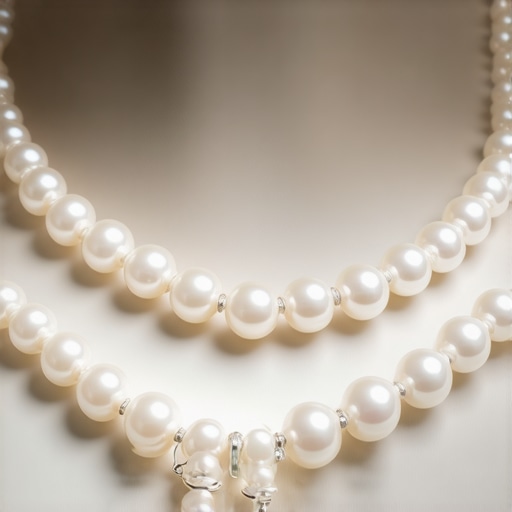
Heavy necklaces put a lot of stress on their cords or wires every time you wear them. Over the years, even the most stunning jewelry can become a worry—will that clasp hold? Will the cord fray or snap at the worst moment? These aren’t just minor inconveniences; they threaten the safety of your treasured pieces. The challenge is finding cords that can stand up to the stress, day after day. In my experience, not all cords are created equal. Whether you’re restringing a beloved pearl strand or a chunky gemstone necklace, the material makes all the difference.
Choosing the right cord isn’t just about durability; it’s about longevity and peace of mind. I learned this the hard way and now always recommend checking out the best options for heavy jewelry. For example, some cords, like nylon or silk, might seem traditional but can wear quickly under heavy weight, leading to unexpected breakage. Others, like Kevlar or stainless steel wire, offer incredible strength but require proper handling to avoid damaging delicate findings. Want to keep your heavy necklaces intact for years to come? It all begins with selecting the proper restringing cord.
Is the Hype Around Heavy-Duty Cords Really Justified?
Honestly, I used to dismiss the importance of high-quality cords early in my jewelry journey, thinking any strong thread would do. That was a mistake. One quick failed repair when I used a subpar silk thread led to a costly redo that could have been avoided by investing in a better material. A trusted source highlights how the right cord can dramatically reduce the chances of breakage over time, making it almost a necessity for those with heavy, worn jewelry. Read more about how to choose the [best stringing options for heavy necklaces](https://jewelcarecenter.com/5-tough-thread-options-for-heavy-necklace-restringing-in-2026).
Select the Right Cord for Heavy Jewelry
Start by assessing the material of your existing cord. For heavy necklaces, synthetic options like Kevlar or stainless steel wire offer unmatched strength. I once replaced a silk thread with Kevlar on a 50-inch gemstone necklace, which dramatically improved its longevity, eliminating worries about fraying or snapping. When choosing, consider the weight, clasp type, and potential wear—resist the temptation of cheap, low-strength cords that can cause breakdowns over time. Visit trusted sources to compare options and ensure you’re investing in quality, like the detailed guide on heavy-duty cords.”},Many jewelry enthusiasts and even seasoned professionals often fall prey to misconceptions about these intricate crafts. For instance, a widespread myth is that any setting or restringing method will do, but in reality, understanding the nuances can make all the difference in ensuring durability and aesthetic appeal.
Are Damage and Wear Just Part of the Game, or Can We Prevent Them?
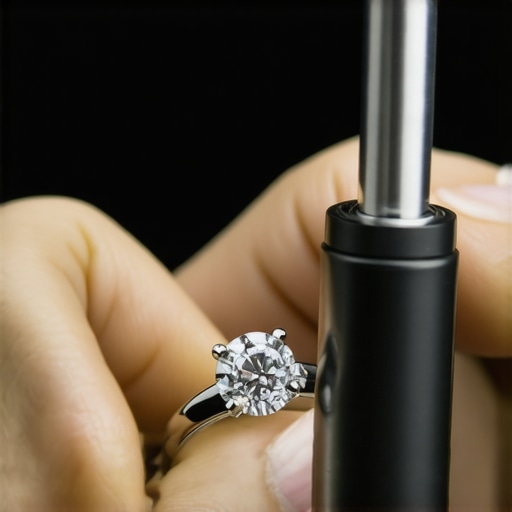
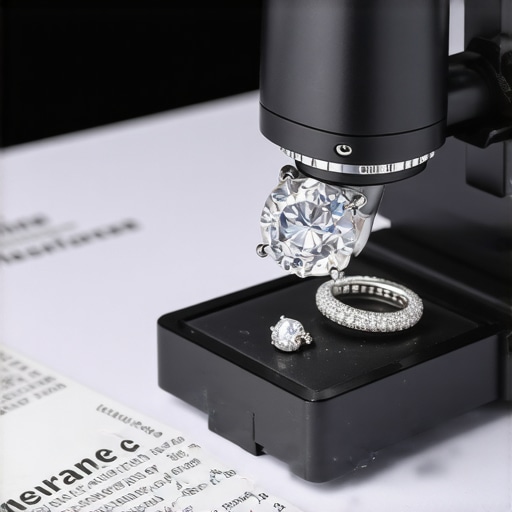
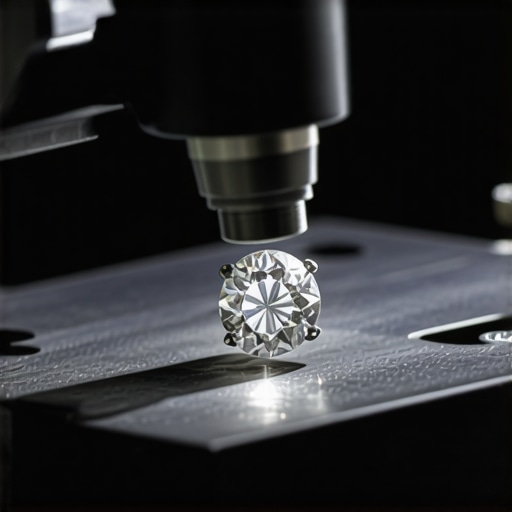
In my experience, one of the most overlooked aspects is the importance of meticulously inspecting stone settings—especially prongs—before and after wear. Many believe that a well-set stone will stay perfect forever, but proper maintenance and advanced checks, like those detailed in [stone setting tests](https://jewelcarecenter.com/is-your-halo-safe-5-stone-setting-tests-to-do-in-2026), can prevent costly losses. Rushing headlong into repairs without understanding these details often leads to preventable damage, like chipped stones or loose settings, which could have been avoided with a deeper knowledge of setting techniques. Another common mistake is underestimating the impact of choosing the wrong restringing materials. For heavy necklaces, synthetic options such as Kevlar or stainless steel wire—discussed extensively in guides like [resigning strategies](https://jewelcarecenter.com/restringing-jewelry-proven-strategies-to-restore-confidence-and-shine-in-1437)—are vital to prevent breakage. Neglecting this can cause unexpected failures, especially when dealing with high-value, heirloom pieces. Now, engaging advanced collectors and jewelers often question the robustness of traditional engraving techniques. Hand engraving, although time-consuming, tends to withstand wear much better than laser engraving, which can sometimes fade or chip over years. This distinction is elaborated in [engraving expert tips](https://jewelcarecenter.com/engraving-techniques-create-personalized-jewelry-in-2024). Being aware of such nuances can significantly impact the longevity of personalized jewelry. When it comes to appraisals, many assume that a quick online or outdated report suffices. But the reality is far more complex. As discussed in [appraisal accuracy guides](https://jewelcarecenter.com/appraisal-tips-enhance-jewelry-value-build-trust-in-2024), an inaccurate appraisal not only undervalues your jewelry but also weakens insurance claims. Having a detailed, expert-reviewed report ensures your piece’s value is correctly established, avoiding potential financial setbacks. The trap to avoid here is relying solely on automated appraisals or generic estimates. Instead, always seek certified, detailed evaluations that incorporate the latest market data and scientific testing. To sum up, mastering these jewelry crafts involves much more than surface knowledge. It requires understanding materials, techniques, and modern testing methods that ensure both beauty and durability. For a comprehensive step-by-step approach, check out [expert tips on stone setting](https://jewelcarecenter.com/stone-setting-mastery-expert-tips-for-stunning-jewelry-in-2024-3) and [restringing techniques](https://jewelcarecenter.com/restringing-jewelry-proven-strategies-to-restore-confidence-and-shine-in-1437). Have you ever fallen into this trap? Let me know in the comments.
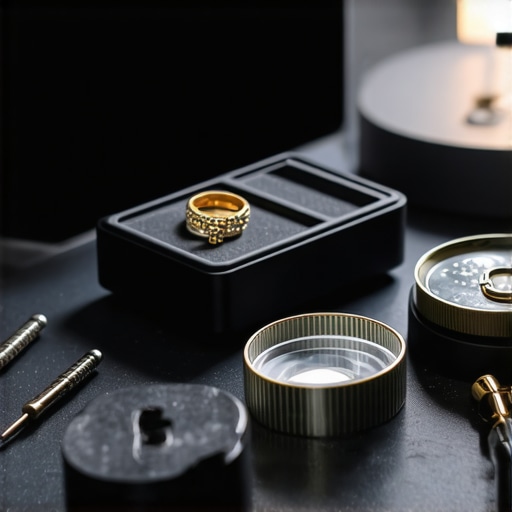
Achieving durable and beautiful jewelry requires more than just skill; it demands the right tools. Personally, I rely on a combination of traditional hand tools and modern equipment to ensure each piece withstands the test of time. A high-quality jeweler’s loupe, like the Belomo 10x Triplet Loupe, is indispensable for inspecting stone settings thoroughly. It allows me to detect minute flaws, loose stones, or prongs needing adjustment, preventing future losses. Additionally, a precision tweezer set with anti-magnetic tips helps in handling delicate components without causing damage, especially when working with fragile settings or reattaching small elements.
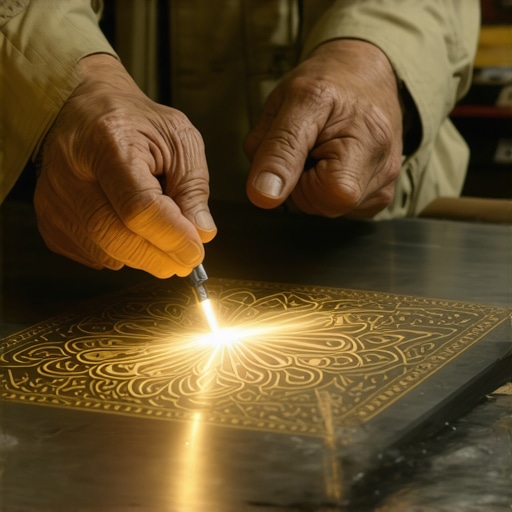
For engraving, I prefer a Dremel 290-01 Engraving Pen. Its variable speed control and ergonomic design make detailed personalizations more manageable and consistent. When dealing with stone setting repairs, a set of prong pusher and saw tools allows precision adjustments without risking the integrity of the stones. Investing in a hot plate can also be a game-changer for re-melting and securing solder joints, especially when scaling up production or performing complex repairs.
Software tools like CAD programs—specifically Rhinoceros 3D—are increasingly vital for designing custom pieces or planning intricate stone settings. They enable detailed visualization, minimizing errors before physical work begins. In today’s evolving landscape, integrating digital design enhances both accuracy and efficiency, paving the way for innovative techniques like laser engraving with greater confidence.
What’s the secret to maintaining your tools over time? Proper care and calibration are crucial. Regularly cleaning your engraving tips and lubricating mechanical parts extend their lifespan, ensuring consistent results. For delicate tools, use specialized cleaning solutions and store them in protective cases to prevent corrosion or damage. Refer to expert maintenance guides to keep your equipment in top shape, like the detailed tips outlined in this resource.
Looking ahead, I predict that as technology advances, we’ll see more integration of digital diagnostics and smart tools that warn us of imminent wear or misalignment—saving both time and expense. Embracing these innovations while maintaining our manual craftsmanship ensures each piece remains a masterpiece for generations.
Start by evaluating your current toolset and identifying gaps. Try upgrading to a reliable loupe or investing in a versatile engraving pen to elevate your repair precision. Remember, the key to long-term success lies in consistent maintenance, meticulous inspection, and leveraging technology wisely.
What I Wish I Knew When I Started Repairing Heavy Jewelry
Early in my journey, I underestimated the importance of material quality, often opting for cheaper cords that failed sooner than expected, leading to costly re-works and frustration. I learned the hard way that investing in premium materials like Kevlar or stainless steel wire pays off in durability and peace of mind. Also, I thought a quick inspection was enough; now I know that meticulous, regular checks prevent unexpected failures and safeguard heirlooms. Lastly, I used to neglect the significance of proper tool maintenance, which caused inconsistent results—now, I see that taking care of my tools extends their life and improves craftsmanship quality.
Tools That Transformed My Jewelry Crafting Perspective
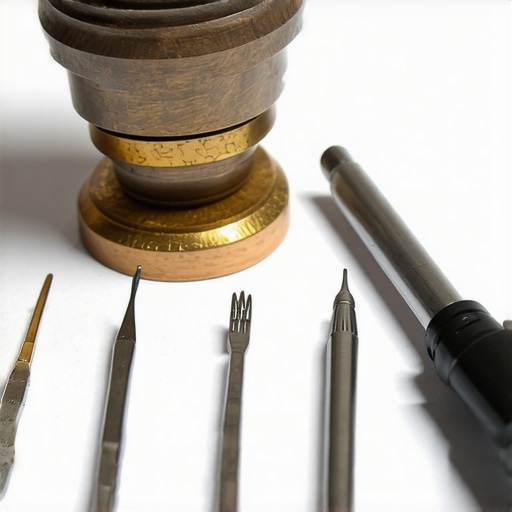
Over the years, certain tools have become indispensable in my toolkit. The Belomo 10x Triplet Loupe revolutionized my inspection process, revealing subtle flaws invisible to the naked eye. My precision tweezer set ensures delicate handling without damaging fragile components, especially during re-stringing or setting adjustments. The prong pusher and saw are now my go-to for secure stone adjustments, minimizing risk of accidents. For engraving, the Dremel 290-01 Engraving Pen provides control, allowing me to customize pieces with confidence. These tools, combined with routine maintenance, unlock new levels of precision and artistry.
Your Turn to Elevate Your Jewelry Craftsmanship
Remember, mastering heavy jewelry repair and intricate details isn’t just about technique—it’s about passion, patience, and continuous learning. Embrace high-quality materials, invest in the right tools, and develop a routine of diligent maintenance. Today is the perfect day to refine your skills and deepen your understanding of this craft. With dedication, your jewelry pieces will not only endure but also shine with renewed beauty and confidence. Are you ready to take the next step in your jewelry journey? Share your experiences or questions below and let’s grow together.
![3 Invisible Prong Flaws Dropping Diamonds in 2026 [Fix]](https://jewelcarecenter.com/wp-content/uploads/2026/02/3-Invisible-Prong-Flaws-Dropping-Diamonds-in-2026-Fix.jpeg)

![4 Prong Checks to Prevent Diamond Loss in 2026 [Tutorial]](https://jewelcarecenter.com/wp-content/uploads/2026/02/4-Prong-Checks-to-Prevent-Diamond-Loss-in-2026-Tutorial.jpeg)